
Film
The Burmese Harp
A 1956 Japanese war film of devastating moral clarity. After WWII's end in Burma, a captured soldier becomes a Buddhist monk—not to escape, but to process unimaginable loss. It moves with the unhurried grace of a spiritual inquiry, asking what remains of us after violence. For anyone who thinks they understand what war films can do.
If you liked this
Come and See1985
Elem Klimov's unflinching portrait of a Soviet boy's descent into hell during WWII. Like The Burmese Harp, it treats war's psychological aftermath with the gravity of documentary, not spectacle. Shattering.
But Relentlessly bleak and graphic. The film doesn't offer catharsis or meaning-making—just the weight of witnessing. It demands more from you than most films dare ask.

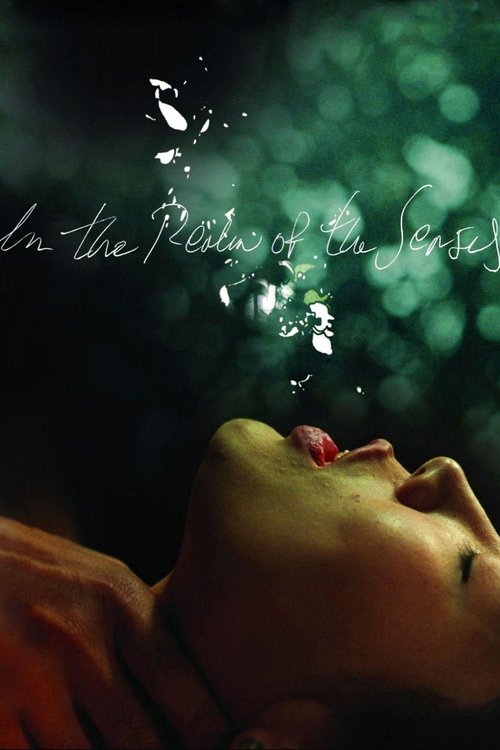
In the Realm of the Senses1976
Nagisa Oshima's Japanese masterpiece about obsession and the body during occupation. Both films use the aesthetic beauty of Japanese cinema to examine desire and loss in wartime. Formally stunning and deeply human.
But Explicit sexual content throughout. The film was banned in Japan and remains controversial. Its provocations aren't accidental—they're the point.
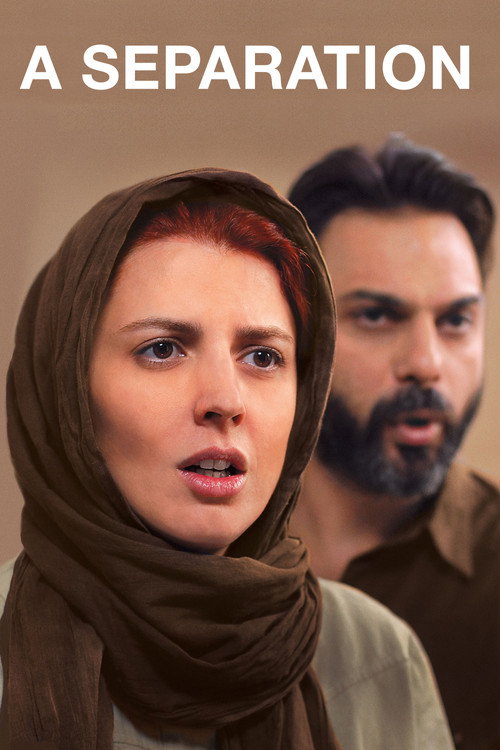
A Separation2011
Asghar Farhadi finds moral ambiguity in intimate spaces, much like this film. Two families, one moment, infinite ways to interpret right and wrong. The editing and performance work together to refuse easy judgment. Masterful.
But Emotionally claustrophobic. No grand gestures—just the slow accumulation of small failures. Some find it exhausting rather than cathartic.
Not sure tonight? Get a pick in a minute, starting from The Burmese Harp
The wildcard
Something you would not have found on your own.
Tokyo Story1953
Both use the aesthetics of restraint—minimal camera movement, long takes, sparse dialogue—to locate spiritual depth in ordinary grief. Both are Japanese films from the 1950s asking what persists after catastrophe.
Ozu's masterpiece of surfaces and silences appears to be about an aging couple's visit to Tokyo, but it's really about time, loss, and what we owe each other. The connection: both films find the sacred in the everyday, and both ask what remains after disruption. Ozu's camera never moves, yet everything shifts.
But Almost nothing happens. If you're waiting for plot or emotion to announce itself loudly, you'll find only the quiet accumulation of small moments. Patience isn't just required; it's the entire experience.

More like this (7)
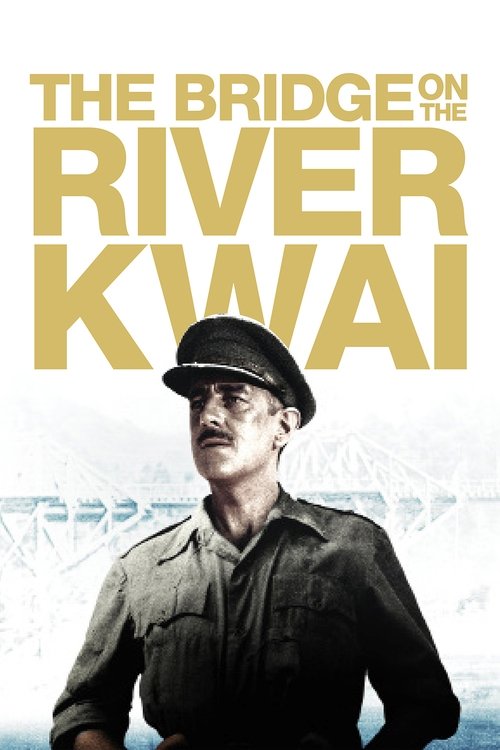
The Bridge on the River Kwai1957
Lean's epic also grapples with duty, honor, and the ways soldiers rationalize their own imprisonment. It's more traditionally thrilling, but shares The Burmese Harp's interest in what war does to the moral spine.
But The spectacle can feel dated, and it treats military codes with a reverence many find troubling. The film's own politics are murkier than it seems to realize.
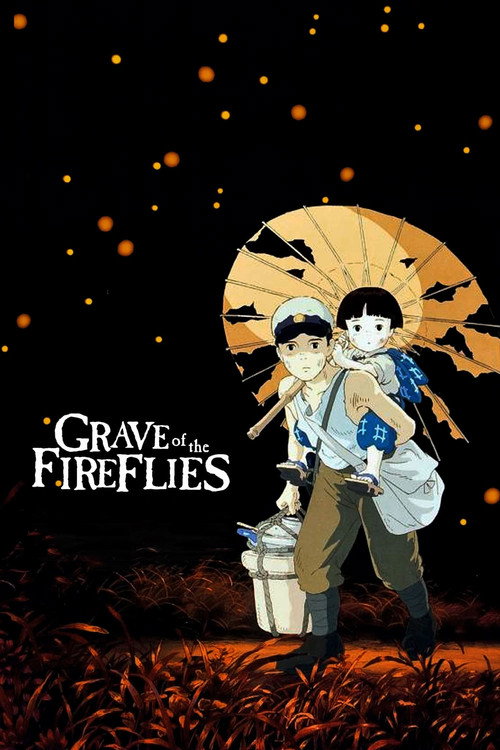
Grave of the Fireflies1988
Isao Takahata's animated requiem for two siblings in wartime Japan. Both films transform grief into something achingly beautiful. The restraint is what kills you. Japanese cinema's greatest achievement about loss.
But Unrelenting sadness. There is no triumph, no redemption arc, no moment where you think things will improve. It's a film about children starving. It is meant to break you.
Ikiru1952
Kurosawa's meditation on mortality and meaning, made just years before The Burmese Harp. A man discovers how to live only when facing death. The spiritual searching—the real searching—matches this film's deepest questions.
But It's slow and introspective in ways that feel at odds with cinema itself. The second half trades plot for philosophy. For some, that's a feature; others find it static.

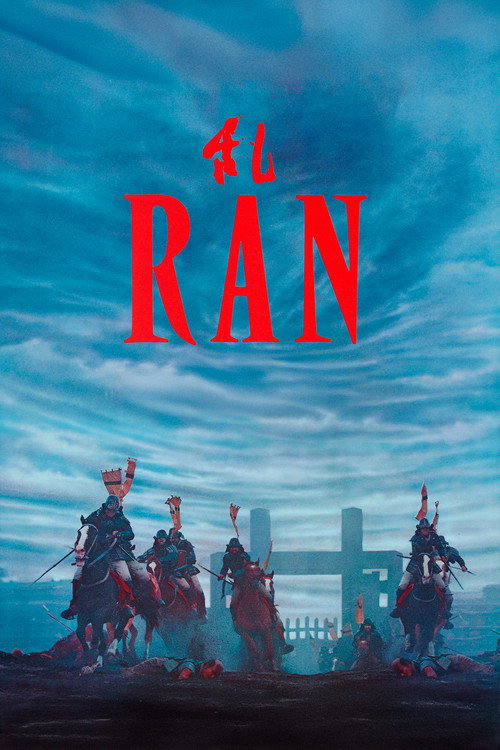
Ran1985
Kurosawa's apocalyptic Shakespeare—war as the unraveling of everything human. Like The Burmese Harp, it uses beauty (the cinematography is overwhelming) to underscore devastation. Epic in scale but intimate in its reckoning.
But Three and a half hours of relentless violence and tragedy. By design, there is almost no mercy. If you come for the samurai action, you'll leave hollowed out instead.
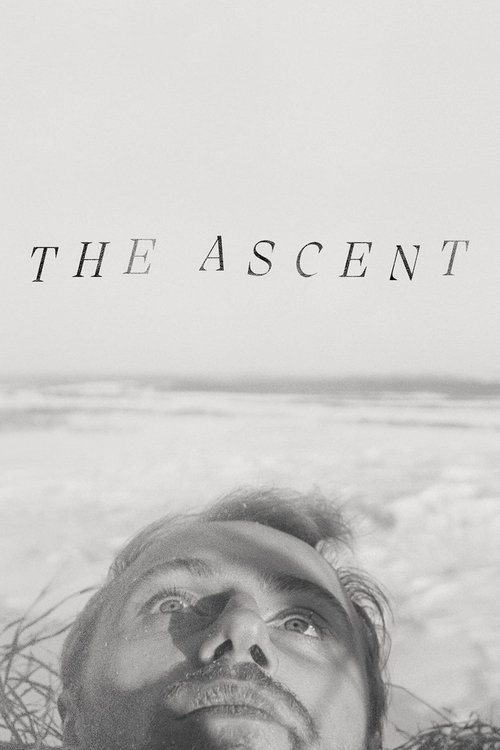
The Ascent1977
Larisa Shepitko's brutal Soviet film about two partisans captured during WWII. It has the same spiritual intensity as The Burmese Harp—suffering as a path to understanding. Formally daring and completely uncompromising.
But Visually stark and philosophically dense. It moves at its own pace, which is glacial. Not a film that lets you settle into comfort or narrative momentum.
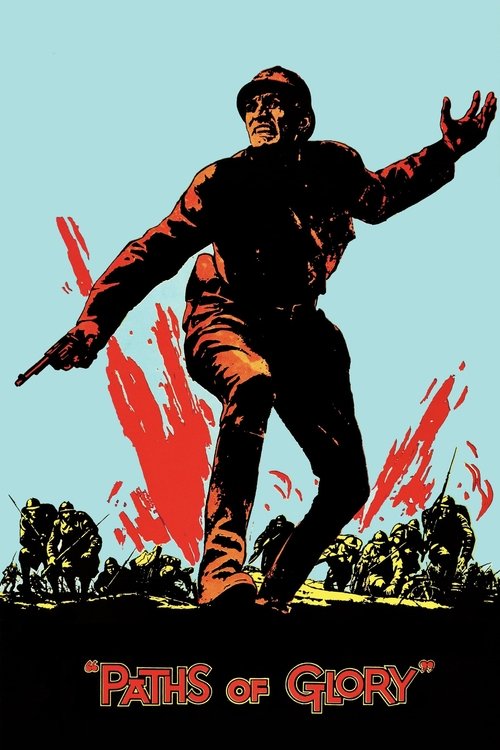
Paths of Glory1957
Kubrick's court-martial drama dissects the machinery of military futility. Like The Burmese Harp, it's interested in how good men are ground down by systems. The anger is controlled, which makes it more effective.
But Didactic at times—Kubrick's rhetoric can feel heavy-handed. The final scene divides viewers on whether it's transcendent or sentimental.
A Ghost Story2017
Both films ask whether the living can ever truly honor the dead, and whether becoming a ghost—literal or metaphorical—might be the only honest response to loss.
David Lowery's haunting meditation on time, memory, and how we haunt the places we've loved. A man, literally a ghost in a sheet, watches time pass. Like The Burmese Harp, it treats the spiritual and the mundane as inseparable. Utterly original.
But The premise sounds like a punchline. It's shot digitally on a square aspect ratio. Progress grinds painfully slowly. Some see profundity; others see pretension with a bedsheet.

People
Cast
 Rentaro MikuniCaptain Inouye
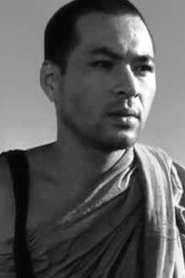 Shōji YasuiMizushima
 Jun HamamuraIto
 Taketoshi NaitōKobayashi
- Shunji KasugaMaki
 Kō NishimuraBaba
- Keishichi NakaharaTakagi
- Toshiaki ItōHashimoto
- Hiroshi TsuchikataOkada
 Tomio AokiOyama
- Nobuteru HanamuraNakamura
- Sanpei MineAbe
Directing
- Toshio MasudaAssistant Director
- Kon IchikawaDirector
Writing
- Michio TakeyamaNovel
- Natto WadaScreenplay
Production
- Masayuki TakakiProducer