
Film
Paths of Glory
Kubrick's coldly furious anti-war film follows Colonel Dax as he defends three soldiers scapegoated for a suicidal attack their own general ordered. Half courtroom drama, half trench nightmare, shot in stark black-and-white with tracking shots that turn dugouts into cages. Eighty-eight minutes, no wasted motion, and an ending that refuses every easy comfort — built for anyone who wants a war film that indicts the men giving orders, not just the ones obeying them.
If you liked this
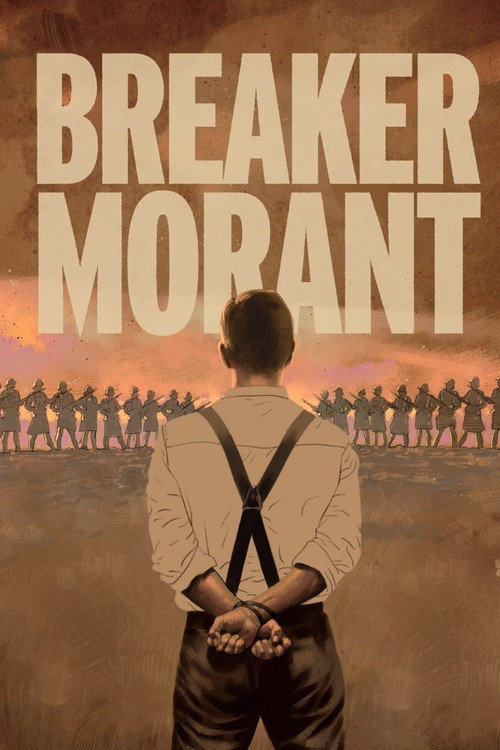
Breaker Morant1980
Another true-ish court-martial where soldiers are sacrificed to spare their commanders' reputations. Same fury at institutional self-preservation, same sinking sense that the verdict was decided before the trial began.
But Talkier and less visually audacious than Kubrick's film; the courtroom dominates rather than the battlefield.
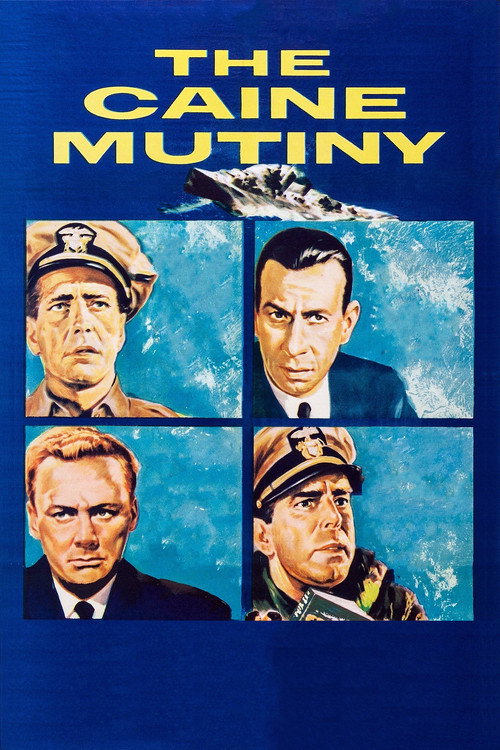
The Caine Mutiny1954
A court-martial built on the same bitter question: follow a commander into disaster, or resist and be branded a criminal. Bogart's captain is a masterclass in fraying authority.
But Its ending pulls back from the moral bleakness Kubrick embraces; studio-era polish softens what could have been savage.
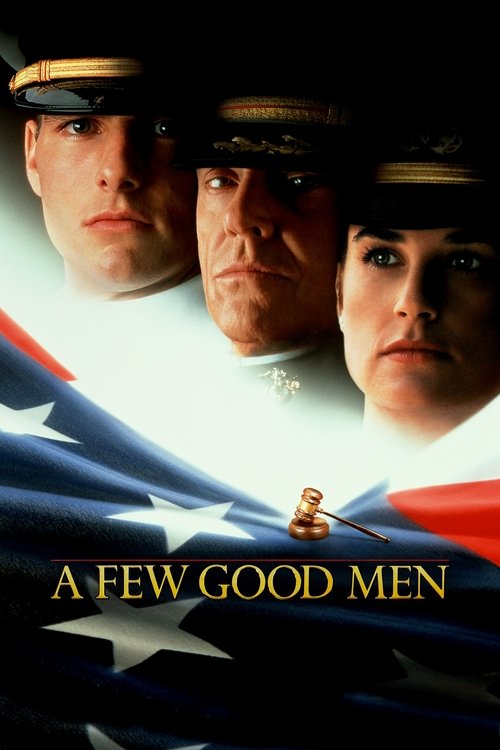
A Few Good Men1992
Same institution, same instinct to protect the chain of command over the truth, delivered with Sorkin's rat-a-tat dialogue instead of Kubrick's silences. Satisfying if you want the anger as entertainment.
But Slicker and more crowd-pleasing than Kubrick's film — courtroom triumph rather than despair.
The wildcard
Something you would not have found on your own.
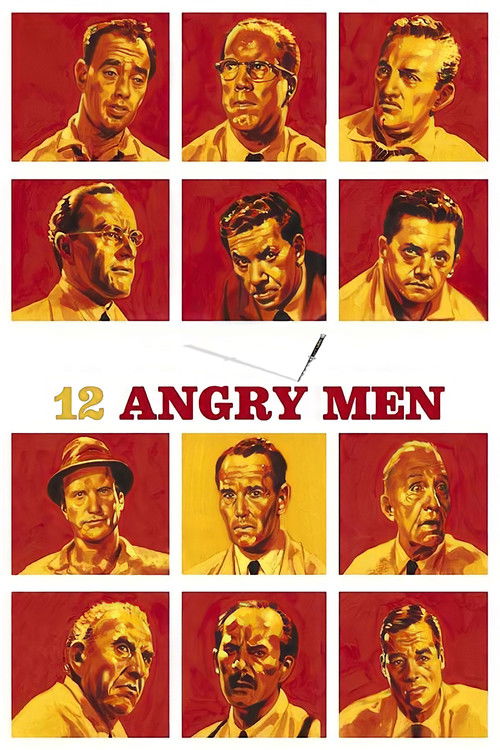
12 Angry Men1957
Same year, same structural nerve: a group of powerful men deciding a life while barely examining the evidence, and one man in the room refusing to let it slide.
The same year, the same fury at a verdict reached for convenience rather than truth, just moved from a military tribunal to a New York jury room. Watch it right after and feel how little the room size changes the rot.
But No war, no violence, no grand tragedy — it's a chamber piece, and if you wanted battlefield scale, this won't give it to you.
More like this (8)
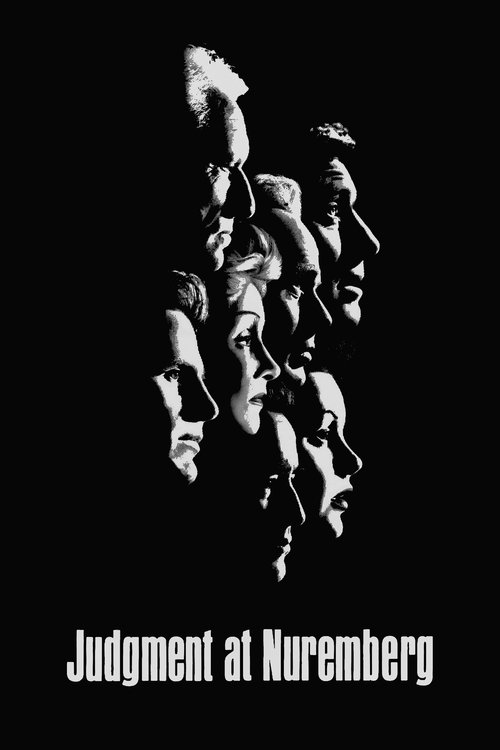
Judgment at Nuremberg1961
A longer, graver reckoning with the question Paths of Glory only has time to gesture at: where culpability actually sits, and who gets to decide. Spencer Tracy anchors it beautifully.
But Three hours long and deliberately exhausting — it wants you worn down, not entertained.
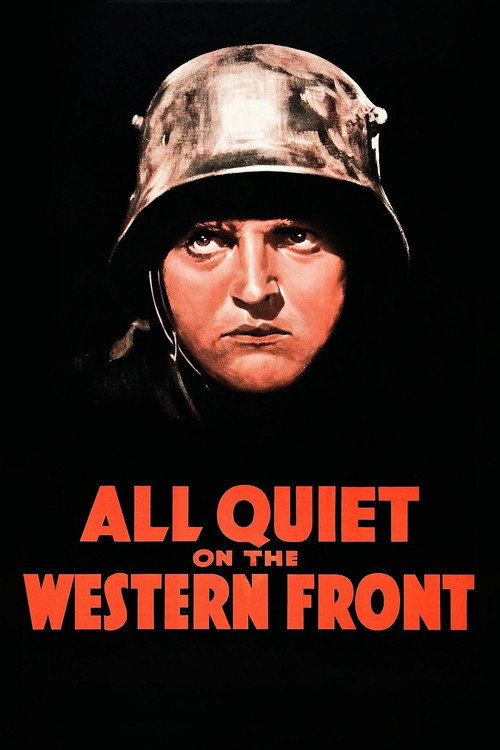
All Quiet on the Western Front1930
The trench experience Kubrick's camera only glimpses, told from the private's side rather than the colonel's. One of the first war films to refuse any comfort about glory or purpose.
But Early sound-era filmmaking creaks in places; some performances feel stagey by modern standards.
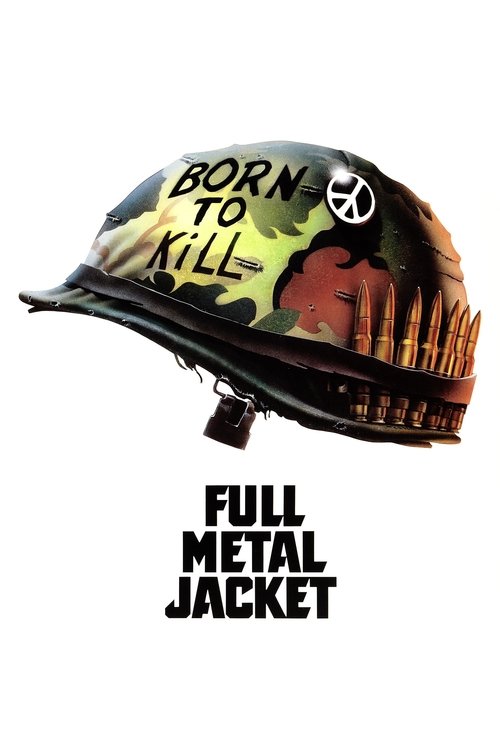
Full Metal Jacket1987
Kubrick's own return to the machine that grinds soldiers down, thirty years later and far more corrosive. Watching how his eye for institutional cruelty sharpened is its own reward.
But Its two halves don't cohere as tightly as Paths of Glory's single relentless argument; more fragmented, more nihilistic.
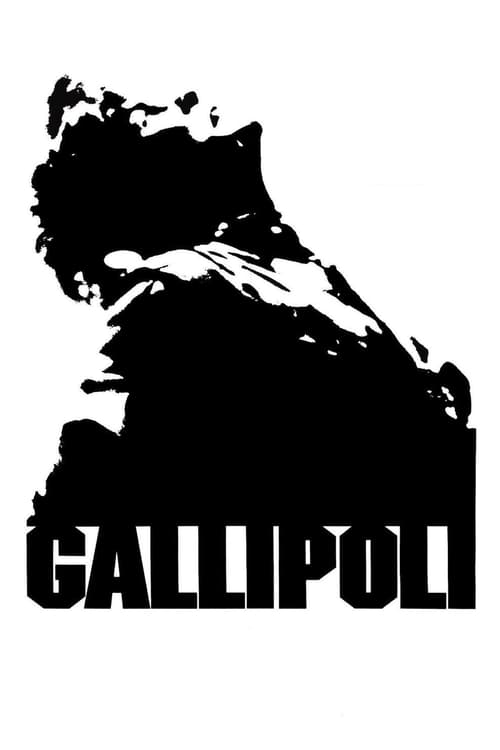
Gallipoli1981
Weir's account of Australian soldiers thrown at a doomed objective by commanders who barely register the cost. The same slow-building dread, the same sense of men spent like currency.
But Gentler and more elegiac than Kubrick's film, building toward grief rather than outrage.
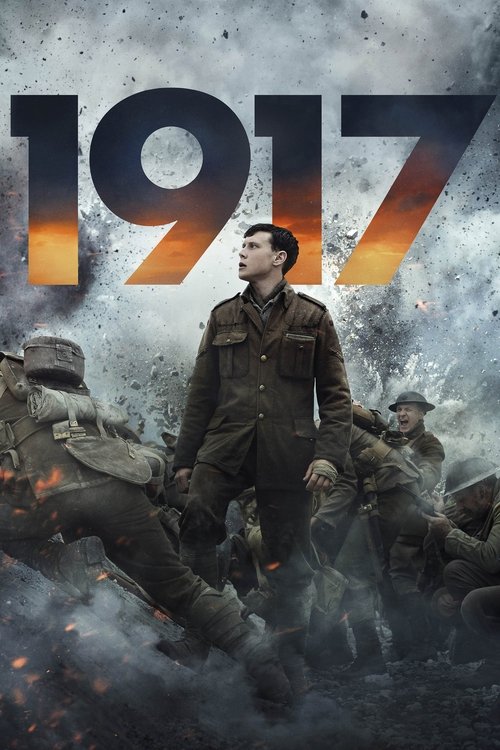
19172019
No courtroom here, just the trench itself rendered with terrifying immediacy — a way to feel physically what Kubrick's camera only suggested from a careful distance.
But The one-shot technique prioritises spectacle over the moral argument that drives Paths of Glory.
Twelve O'Clock High1949no page yet
A quieter study of command under impossible pressure, set a war later, about what happens to the officer who has to keep sending men to die.
But Calmer and more procedural, with none of Kubrick's outrage at the system itself.
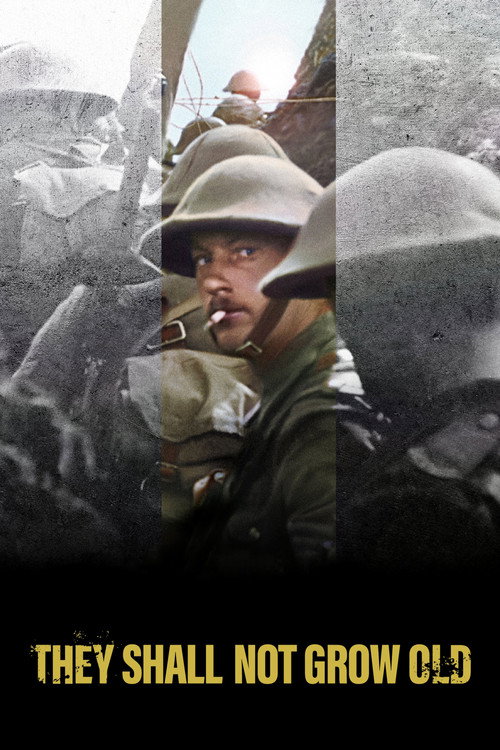
They Shall Not Grow Old2018
Paths of Glory dramatises a war Kubrick never saw; this is the actual men, the actual mud, restored so vividly it closes the gap between the fiction and the fact.
Peter Jackson restored and colourised real WWI footage until the soldiers look like they're standing in front of you, breathing. It's the trench Kubrick staged, except nobody staged it.
But No plot, no actors, no argument being built for you — just testimony and faces, which some will find harder to sit with than a drama.
Wooden Crosses1932no page yet
Same war, same disgust at its waste, but seen from the mud rather than the chateau — the view Colonel Dax is fighting to protect, filmed by men who had actually lived it.
A French WWI film made while the war was still a living memory, twenty-five years before Kubrick, told entirely from the ranks rather than the command tent. Brutal, unglamorous, startlingly modern in its refusal to comfort you.
But Rough technically and subtitled, with none of Kubrick's polish — it asks a patience his craftsmanship never demands.
People
Cast
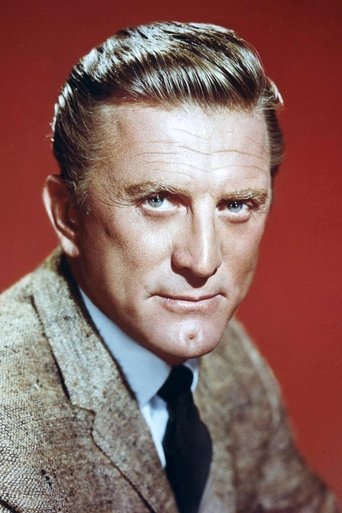 Kirk DouglasCol. Dax
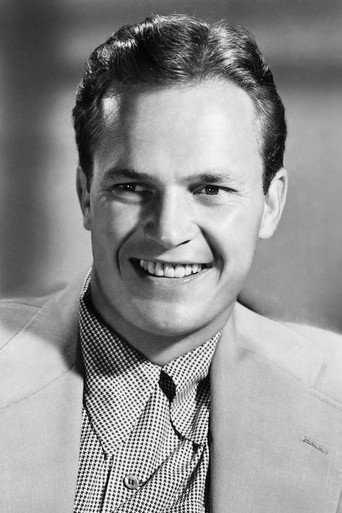 Ralph MeekerCpl. Philippe Paris
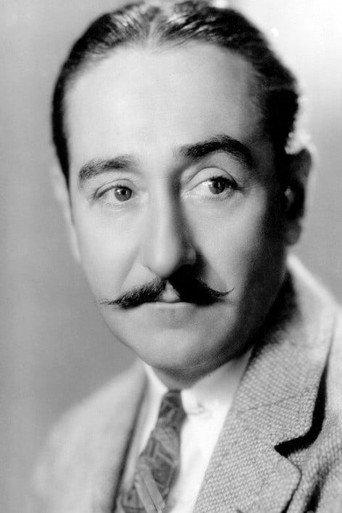 Adolphe MenjouGen. George Broulard
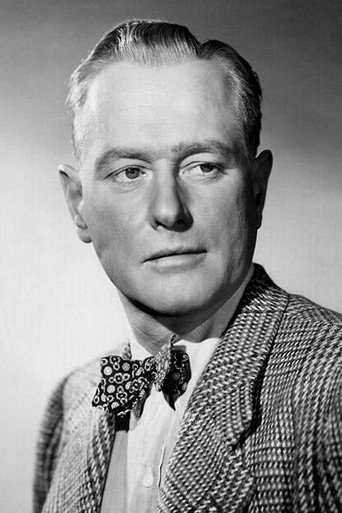 George MacreadyGen. Paul Mireau
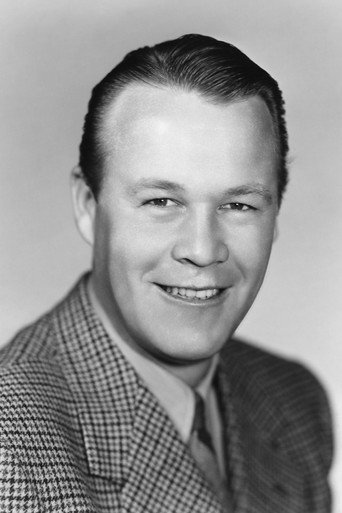 Wayne MorrisLt. Roget/Singing man
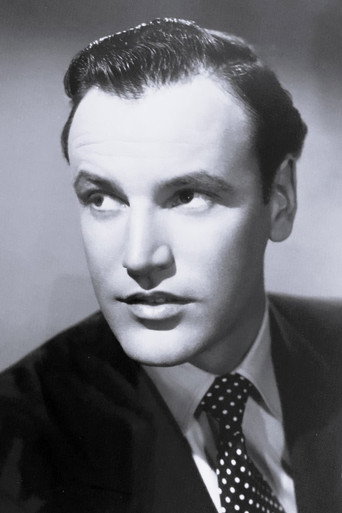 Richard AndersonMaj. Saint-Auban
 Joe TurkelPvt. Pierre Arnaud
 Christiane KubrickGerman Singer
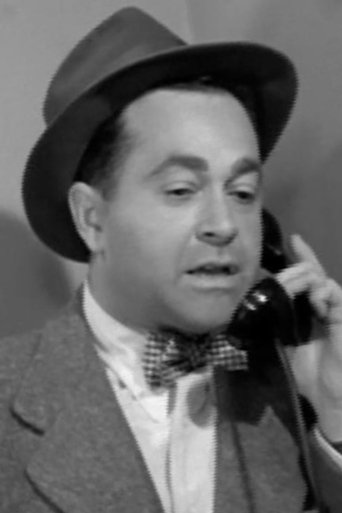 Jerry HausnerProprietor of Cafe
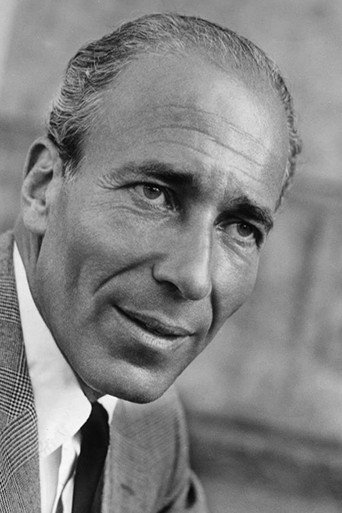 Peter CapellNarrator of Opening Sequence
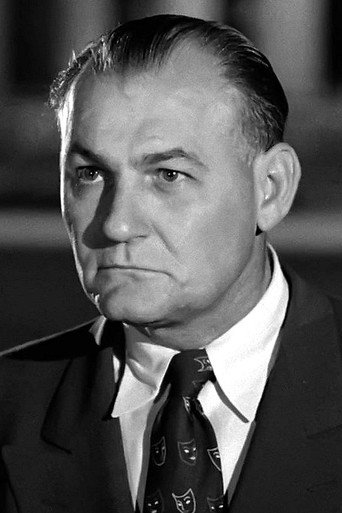 Emile MeyerFather Dupree
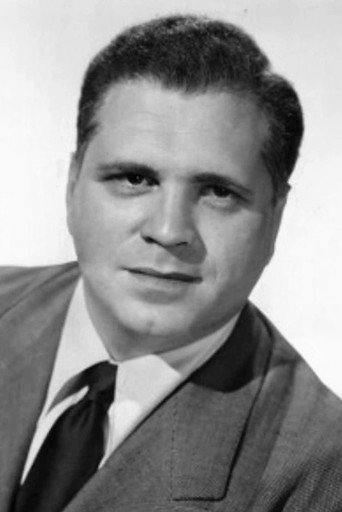 Bert FreedSgt. Boulanger
Directing
- Dixie SensburgAssistant Director
- Franz-Josef SpiekerAssistant Director
- Hans StumpfAssistant Director
- Stanley KubrickDirector
- Trudy von TrothaScript Supervisor
Writing
- Humphrey CobbNovel
- Calder WillinghamScreenplay
- Jim ThompsonScreenplay
- Stanley KubrickScreenplay
Production
- Stanley KubrickExecutive Producer
- James B. HarrisProducer
- Kirk DouglasProducer
- Georg von BlockProduction Manager
- John PommerProduction Manager
- Helmut RingelmannUnit Manager
Recommended by
All Quiet on the Western Front, The Caine Mutiny, Full Metal Jacket, Platoon, War Horse, Grand Illusion, All Quiet on the Western Front, The Bridge on the River Kwai, The Human Condition I: No Greater Love, Wings, The Thin Red Line, Star Wars: The Clone Wars, Catch-22, Gallipoli, Oh! What a Lovely War, The Big Parade, Glory, Private's Progress, Breaker Morant, A Hidden Life