
Film
The Messenger: The Story of Joan of Arc
Luc Besson's baroque, violent retelling of Joan of Arc's rise and fall, with Milla Jovovich as a wiry, fervent teenager who hears divine voices and becomes France's unlikely saviour. Part historical epic, part psychological portrait, shot in burnished golds and shadowed blues. For viewers who want their history weird, visionary, and unapologetic.
Should you watch it?
Watch it if you love sweeping, muscular historical epics with big battle set pieces and a fervent, operatic devotion to one fierce heroine.
Skip it if you want a careful, scholarly take on the history, since this is loud, stylised and a little cavalier with facts, and its English-language dialogue can sound stilted.
What it asks of you: Plan for a long 158 minutes of uneven pacing, with bursts of battle and extended stretches of court politics and palace scheming between them.
Not sure? Find tonight's pick in a minute.
If you liked this
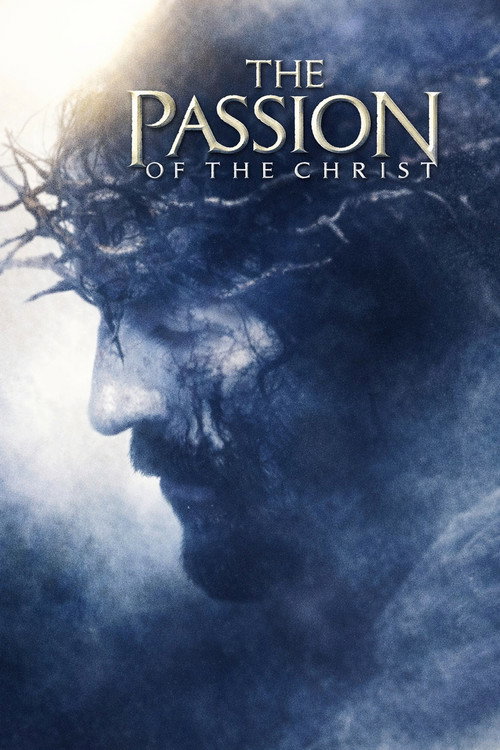
The Passion of the Christ2004
Mel Gibson's visceral, uncompromising account of a teenager caught between divine mission and human body. Like *The Messenger*, it places faith at the centre and refuses to make suffering look noble or clean.
But It's nearly two hours of graphic brutality, spoken partly in Aramaic. The theological intensity isn't for everyone.
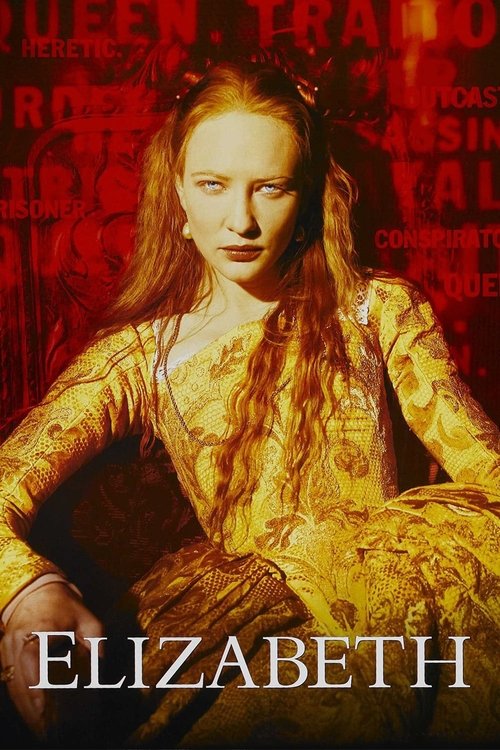
Elizabeth1998
Cate Blanchett as another young woman thrust into power, navigating court politics and religious terror with intelligence and ruthlessness. Same era of political turmoil, same sense of a female figure reshaping history.
But More restrained than Besson's version; if you want baroque excess, this plays it straighter.
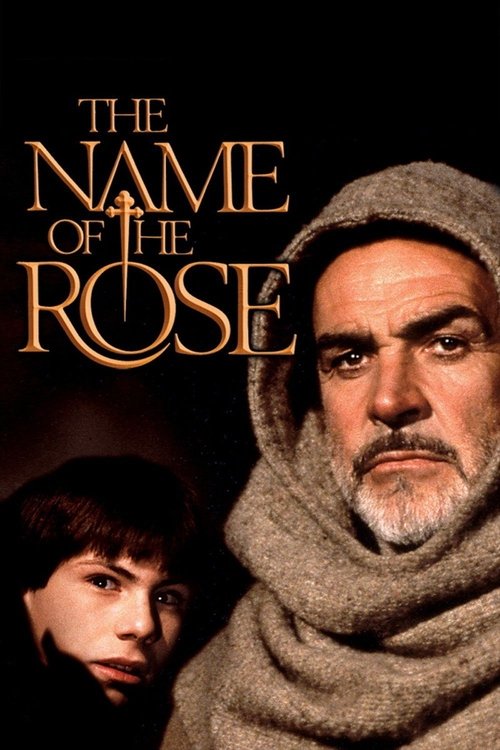
The Name of the Rose1986
Medieval monastery as maze of power, theology, and violence. Sean Connery's slow-burn detective work unfolds against the same religious obsessions that consumed Joan, asking what faith costs.
But Languid pacing; three hours to untangle a single mystery. The didacticism can overwhelm the story.
Not sure tonight? Get a pick in a minute, starting from The Messenger: The Story of Joan of Arc
The wildcard
Something you would not have found on your own.
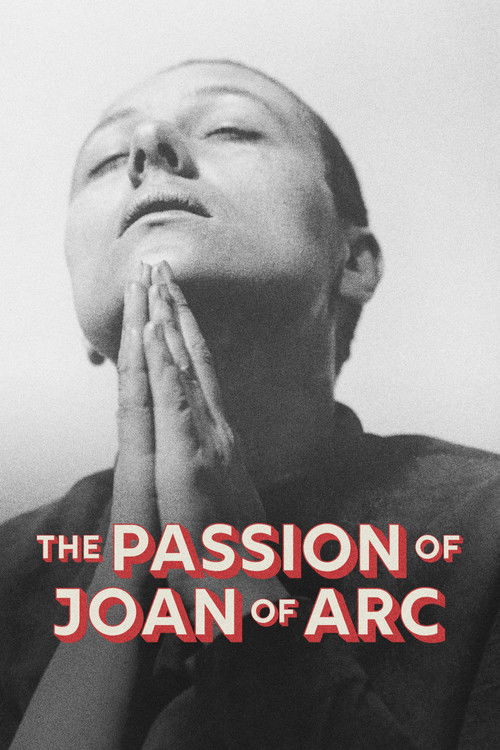
The Passion of Joan of Arc1928
Both films understand Joan as a visual phenomenon—icon, beacon, impossible girl. Where Besson exploded her into baroque action, the 1912 Edison film reduced her to pure symbol. Both are cinema behaving as faith.
The Edison Company's silent account of Joan, made when cinema was still discovering what it could do. Pageantry, heavy symbolism, hand-painted colour. Medieval myth as early cinema learned to tell it—the spiritual grandfather to Besson's vision.
But Silent, thirteen minutes long, jerky and stagey to modern eyes. It reads as artifact rather than story.
More like this (8)
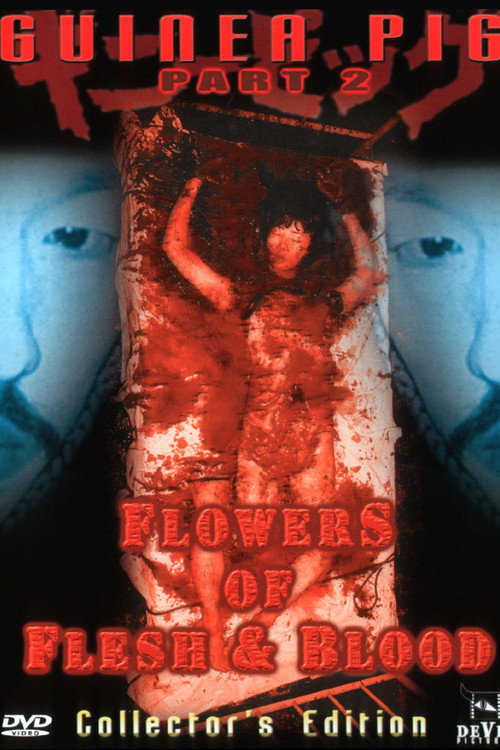
Guinea Pig Part 2: Flower of Flesh and Blood1985
Paul Verhoeven's medieval war film finds the same brutal, carnal energy underneath the myth. Soldiers, betrayal, and bodies on fields. It's grounded in mud and blood the way *The Messenger* is grounded in Joan's visions.
But Cynical rather than spiritual; if you came for the transcendence, this strips it away.
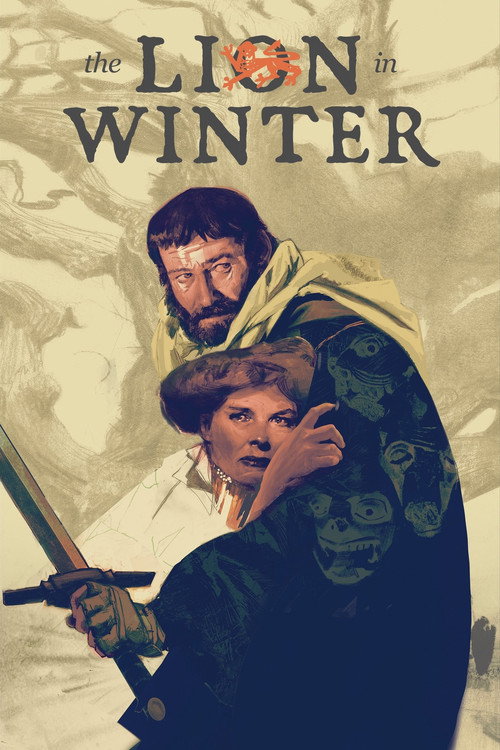
The Lion in Winter1968
Katherine Hepburn and Peter O'Toole as Eleanor and Henry II, locked in a Christmas battle of wills and theology. Medieval politics become psychodrama. The dialogue crackles the way Besson's visuals do.
But Entirely theatrical, set almost entirely in one room. No battles, no movement. Pure talk.
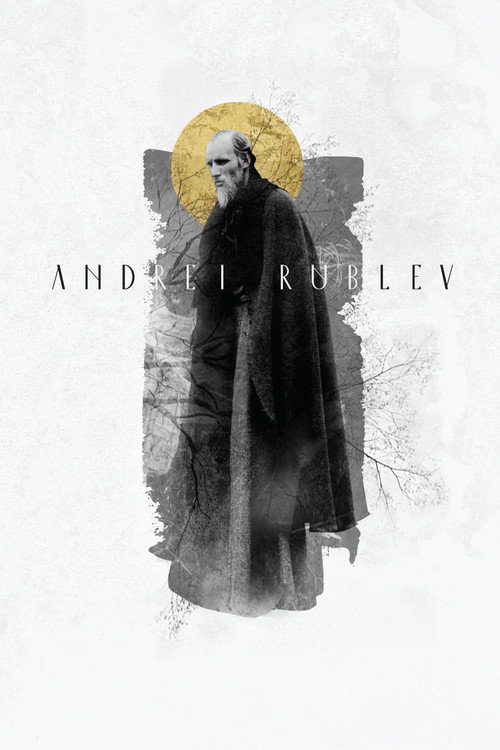
Andrei Rublev1966
Tarkovsky's account of a medieval icon painter navigating faith, art, and state violence. Visual splendour meets spiritual crisis. Both films believe in the power of vision to transform history.
But Glacially slow and deeply Russian. Three hours of silence and ambiguity; not everyone will have the patience.
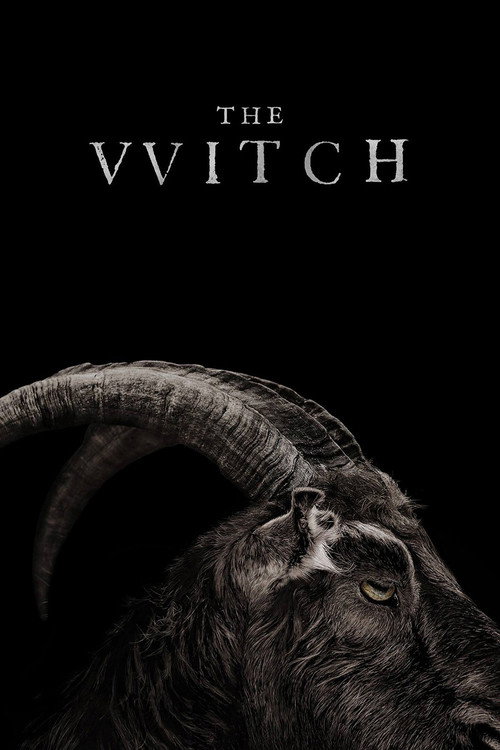
The Witch2016
Anya Taylor-Joy as a young woman accused of witchcraft, terrified and defiant. Same medieval paranoia about female power and the divine. Shot in period language that makes modern horror feel ancient.
But Creeping dread rather than spectacle; if you want action and battles, this is claustrophobic and slow.
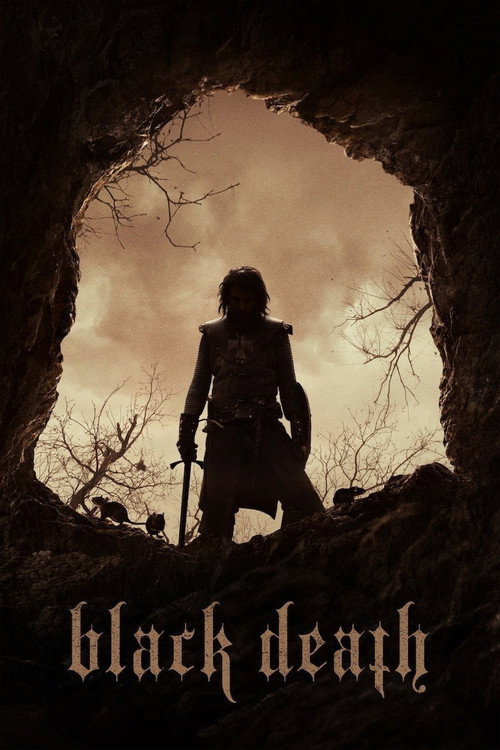
Black Death2010
Sean Bean in a medieval knight's tale that asks whether faith saves or destroys. Dark, violent, theological. The same question Joan asks: is the voice in your head God or madness?
But Grim and straightforward, without Besson's visual poetry. Feels more like a war film than a spiritual epic.
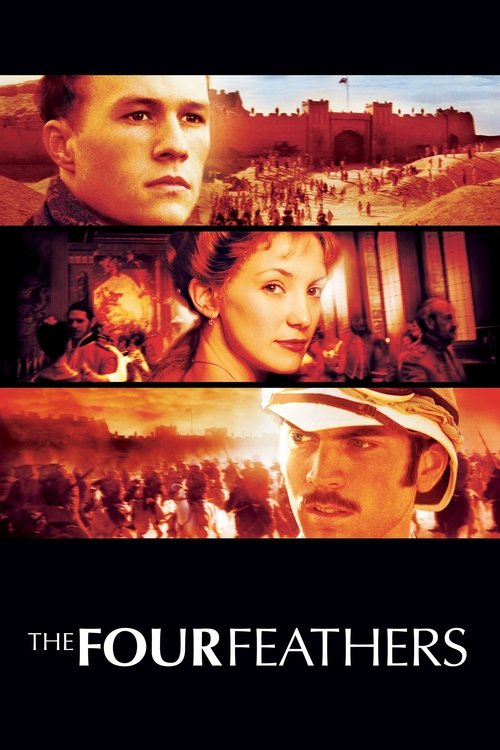
The Four Feathers2002
Young men caught between duty, honour, and the machinery of empire. It has the period sweep and the sense of youth thrust into warfare, though the setting is colonial rather than medieval.
But Generic action-adventure; no visionary centre. If you want the grandeur without the strangeness, this delivers, but it won't surprise you.
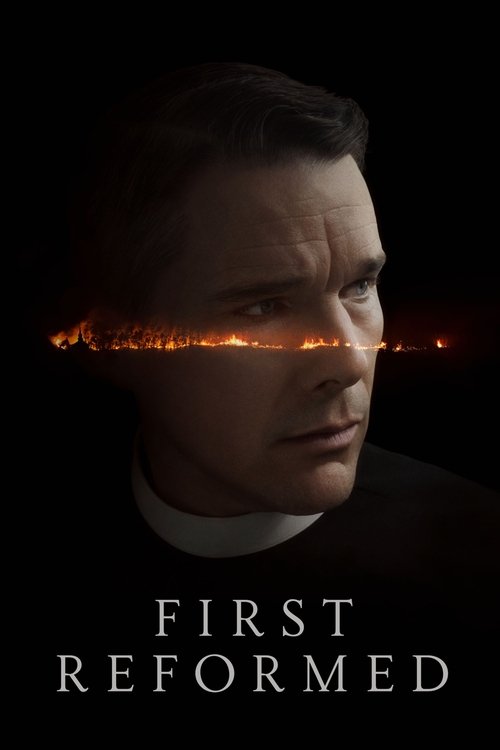
First Reformed2018
Joan heard voices commanding her to save France. Toller hears voices commanding him to testify against the end times. Both films ask the same unforgiving question: how do you distinguish between vision and breakdown? Both refuse to answer it.
Paul Schrader's shattering account of a pastor wrestling with whether God speaks to him or whether he's unravelling. No battles, no medieval costumes—just a man in a small-town church, certain of a divine message no one else can hear. The spiritual vertigo without the war.
But Bleak, interior, slow. Ethan Hawke in a collar arguing with silence. Zero action or spectacle.
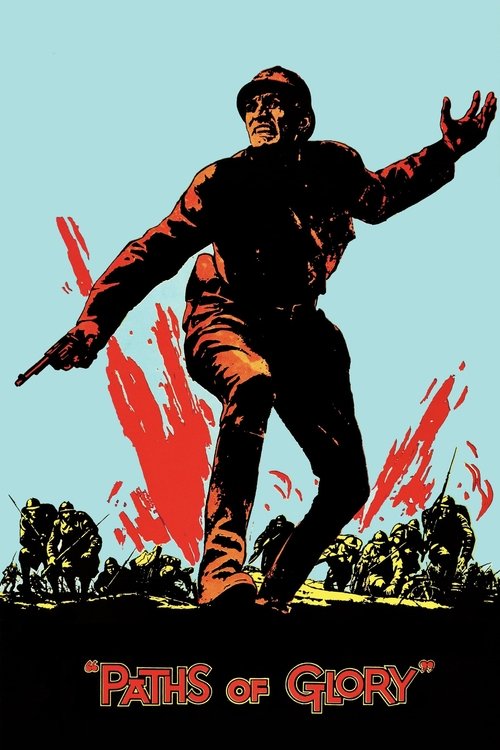
Paths of Glory1957
Joan claims to liberate France; Kubrick shows what France actually does with the men who fight for it. Besson's baroque heroism meets the bitter historical weight Kubrick insists on. They're in conversation about what 'victory' costs.
Kirk Douglas in Kubrick's furious account of a French general and three soldiers destroyed by the machinery of war. No divinity, no faith—just young men ground through a system that uses them until they're empty. The political reality underneath the Joan myth.
But Bleak and angry, shot in hard black-and-white. There's a courtroom trial that doubles as execution. Not uplifting.
People
Cast
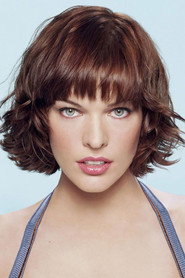 Milla JovovichJoan of Arc
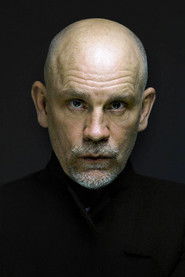 John MalkovichCharles VII
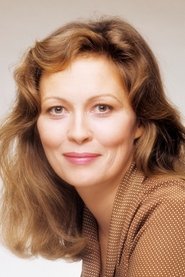 Faye DunawayYolande of Aragon
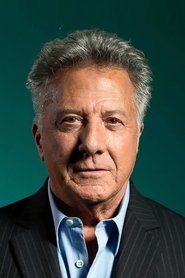 Dustin HoffmanJoan's conscience
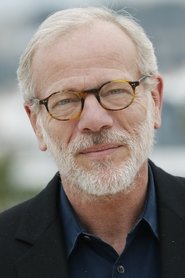 Pascal GreggoryThe Duke of Alençon
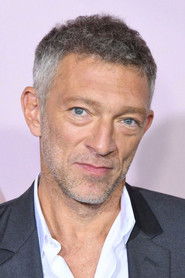 Vincent CasselGilles de Rais
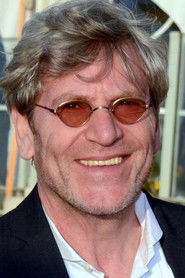 Tchéky KaryoJean de Dunois
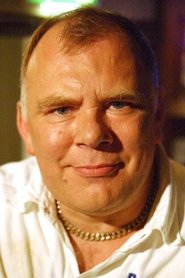 Richard RidingsLa Hire
 Desmond HarringtonAulon
 Timothy WestCauchon
 Rab AffleckComrade
 Stéphane AlgoudLook Out
Directing
- Luc BessonDirector
Writing
- Luc BessonScreenplay
- Andrew BirkinWriter
Production
- Lucinda SysonCasting
- Martina KubešováCasting
- Nathalie ChéronCasting
- Nathalie GuillaumeCasting
- Tomáš ZelenkaCasting
- Marc JennyExecutive Producer
- Oldřich MachExecutive Producer
- Luc BessonProducer
- Patrice LedouxProducer