
Film
Black Death
- Horror
- Very dark
A medieval knight and a band of soldiers venture into plague-ravaged Europe seeking a mysteriously untouched village rumoured to harbour a necromancer. Director Christopher Smith crafts something genuinely unsettling—part historical horror, part theological nightmare—where superstition and faith collide with rational brutality. It's patient, grimy, and committed to its own logic, favouring dread over shock.
If you liked this
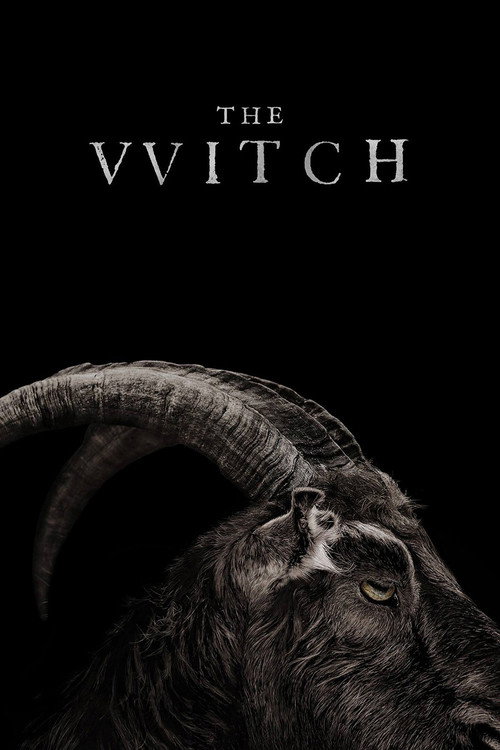
The Witch2016
A slow-burn New England horror about faith, paranoia, and the violence that erupts when belief systems crack. Shares Black Death's willingness to let atmosphere build and its refusal to comfort either character or viewer.
But The pacing demands patience—nothing explodes into action. Some find the dialect and deliberately antiquated dialogue alienating rather than immersive.
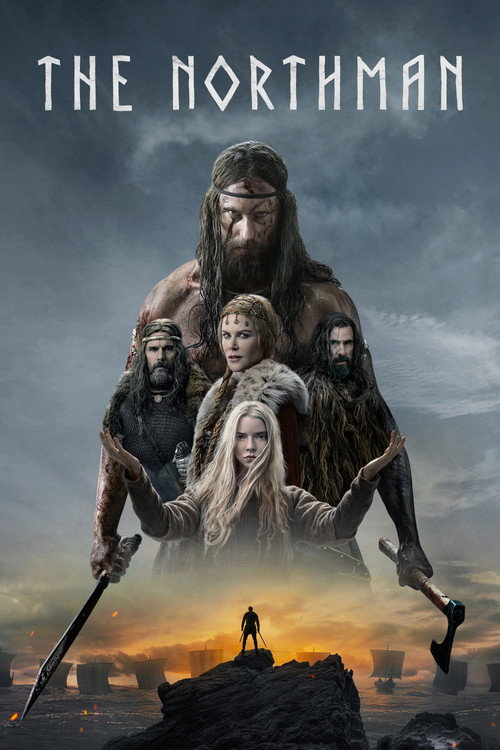
The Northman2022
Robert Eggers brings medieval Scandinavia to brutal life with the same commitment to historical texture and supernatural dread. Epic in scope but intimate in its violence, deeply concerned with revenge and mythic inevitability.
But Three and a half hours of relentless grimness. The film trusts you to sit with misery without offering much catharsis or lightness.
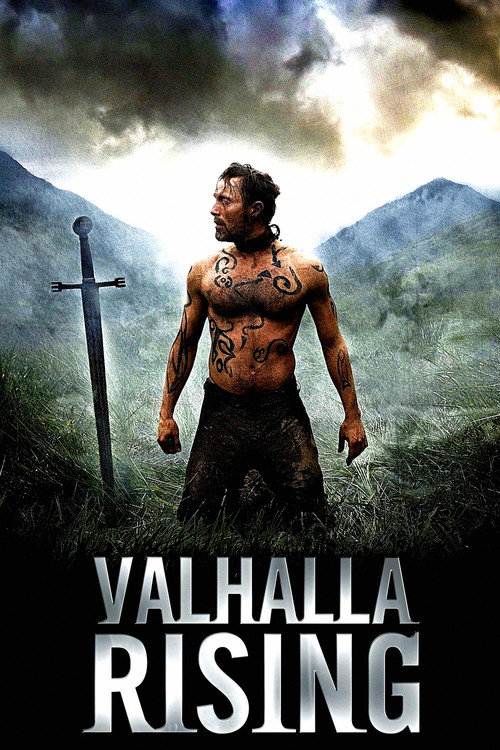
Valhalla Rising2010
Nicolas Winding Refn's fever dream of a one-eyed warrior navigating medieval religious zealotry and possible supernatural forces. Visually extraordinary and thematically dense, with similar themes of faith twisted into violence.
But Deliberately obscure and non-narrative. Long stretches of silence and abstraction will frustrate anyone seeking plot momentum or clarity.
Not sure tonight? Get a pick in a minute, starting from Black Death
The wildcard
Something you would not have found on your own.
Stalker1979
Both films use a journey into an unknown place as a framework for exploring whether faith in the supernatural is salvation or delusion—and whether that distinction matters.
Andrei Tarkovsky's science-fiction meditation on faith, desire, and the spaces we believe hold meaning. A guide escorts two men through a mysterious zone toward a room said to grant wishes. Like Black Death, it's fundamentally about whether what we seek exists or whether we've simply made ourselves mad believing in it.
But 163 minutes of philosophical drift. Almost nothing happens; the entire film is people walking and talking about meaning. Demands an active, patient viewer.

More like this (8)
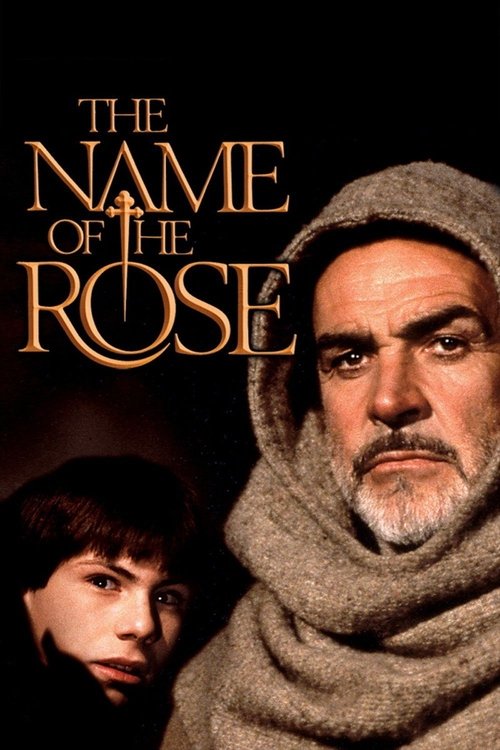
The Name of the Rose1986
Sean Connery investigates murder in a medieval monastery where knowledge, faith, and power intersect. Intellectually rigorous and atmospheric, with the same interest in how belief systems enable atrocity.
But Dense with theological and philosophical discussion. It moves like a scholarly mystery rather than a thriller, which means pacing can feel glacial.
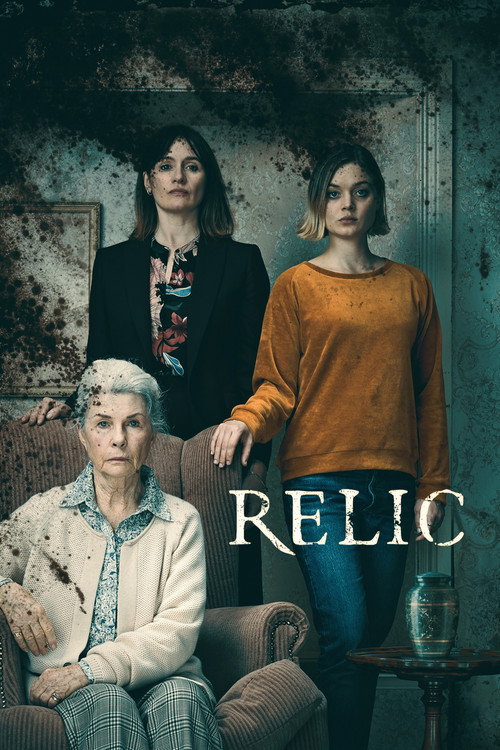
Relic2020
Australian horror that uses a decaying house as metaphor for generational trauma and bodily degradation. Shares Black Death's commitment to unsettling imagery and its refusal to explain itself away neatly.
But More psychological than visceral. The horror is abstract and thematic—if you need clearer stakes and clearer threats, this won't satisfy.
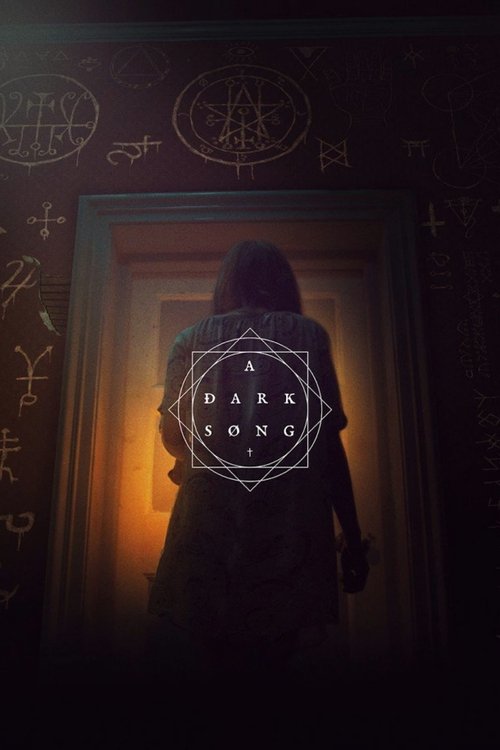
A Dark Song2016
An occultist and a widow perform a dangerous ritual in a remote Irish house. Meditative and sincere about faith and grief, with a similarly patient approach to supernatural horror and theological questioning.
But Extremely slow. Very little happens for long stretches; the reward is emotional rather than narrative or spectacle-driven.
Harakiri1962
Masaki Kobayashi's masterpiece about a samurai facing a rigid feudal system that demands his death. Like Black Death, it's structured as an investigation into hypocrisy, examining how institutions weaponize honour and faith.
But Japanese cinema from six decades ago, shot in black and white on 35mm. The formal distance may feel cold compared to the muddy immediacy of Black Death.

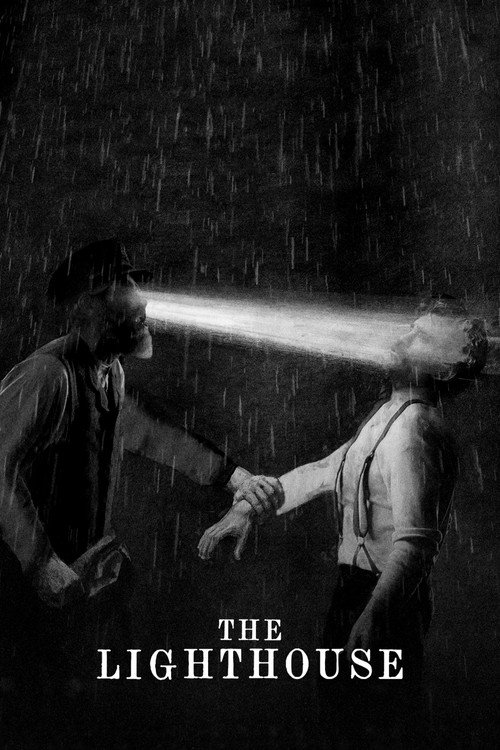
The Lighthouse2019
Two men descend into paranoia and madness on an isolated island. Drenched in supernatural dread and psychological horror, visually and sonically uncompromising—shares Black Death's commitment to atmosphere over explanation.
But Deliberately difficult and artificial. The monochrome, the ratio, the dialogue—nothing is comfortable or naturalistic. Some see this as pretentious rather than powerful.
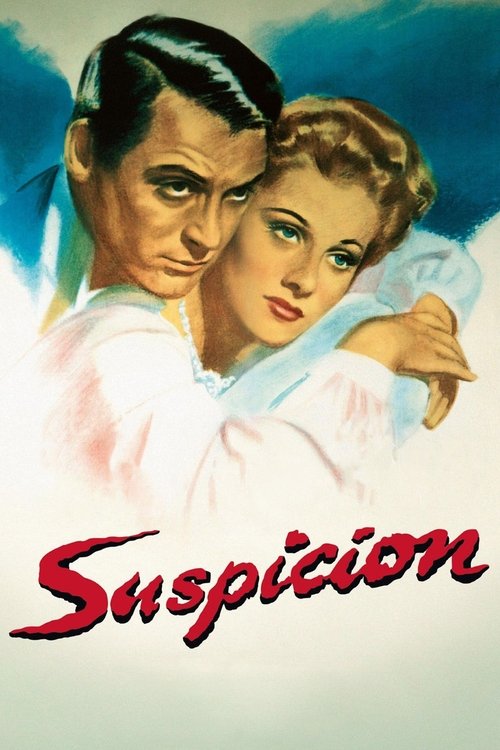
Suspicion1941
Hitchcock's study of paranoia and faith in another person. A woman gradually suspects her new husband may intend her harm. Quietly devastating about how easily trust corrodes and belief systems collapse.
But Slower and more psychologically subtle than most thrillers. The horror is internal and relational rather than external—some find it simply tedious.
The Seventh Seal1957
Both centre on a knight confronting the plague and supernatural forces, asking whether religious answers exist or whether we're alone in a dying world.
Ingmar Bergman's Death is a literal presence on the medieval landscape, and a knight plays chess with him while plague ravages the world. Iconic and profound, genuinely grappling with mortality, faith, and the possibility that God has abandoned us.
But Swedish cinema from 1957, filmed in black and white, heavy with existential weight. Not entertainment—it's a sustained meditation on despair.

Come and See1985
Both use a young protagonist's journey through a historical catastrophe (plague, war) to strip away illusions about faith, heroism, and institutional morality. Both are committed to showing horror without softening it.
Elem Klimov's Soviet masterpiece following a boy conscripted into WWII, witnessing atrocities that destroy his innocence. Brutally, unflinchingly committed to showing what violence actually costs. Historical horror at its most devastating and real.
But One of cinema's most traumatic films. It doesn't entertain or comfort—it shows suffering as historical fact with no redemptive framing. Many viewers find it unwatchable.

People
Cast
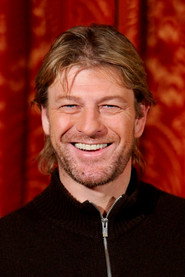 Sean BeanUlric
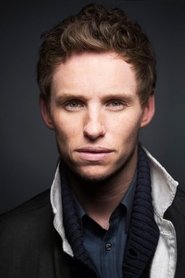 Eddie RedmayneOsmund
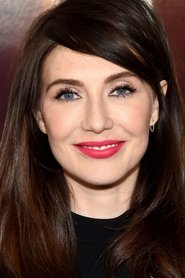 Carice van HoutenLangiva
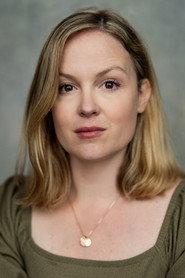 Kimberley NixonAverill
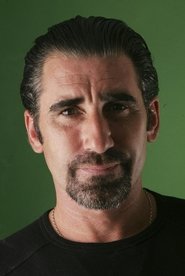 John LynchWolfstan
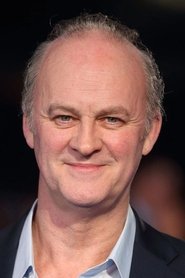
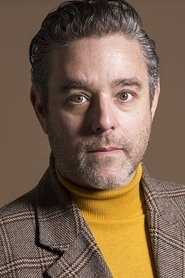 Andy NymanDalywag
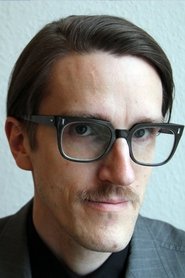 Daniel SteinerMonk
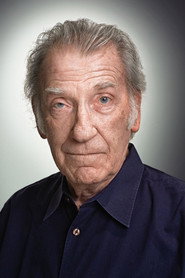 David WarnerAbbot
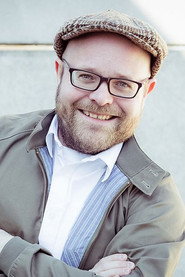 Tobias KasimirowiczGrimbold
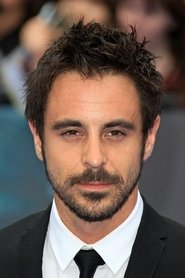 Emun ElliottSwire

Directing
- Christopher SmithDirector
- Barrie McCullochFirst Assistant Director
- Gabriele MattnerScript Supervisor
- Zoe SimijonovicScript Supervisor
- Tine RogollSecond Assistant Director
- Cosima LohseSecond Second Assistant Director
Writing
- Dario PoloniScreenplay
Production
- Karen Lindsay-StewartCasting
- Silke KochCasting
- Susann ReitzCasting
- Judy TossellExecutive Producer
- Mark WoolleyExecutive Producer
- Tim HaslamExecutive Producer
- Marion König-RichertKey Accountant
- Nina BüttnerKey Accountant
- Andreas JupeLocation Manager
- Douglas RaeProducer
- Jens MeurerProducer
- Phil RobertsonProducer
- Robert BernsteinProducer
- Henry RehorekProduction Manager
- Thorsten GottschalkProduction Secretary
Recommended by
The Name of the Rose, Immortals, The Messenger: The Story of Joan of Arc, Season of the Witch, Sword of Vengeance