
Film
Harakiri
Kobayashi's ronin drama opens as a quiet plea for dignity and slowly reveals itself as a demolition of the samurai code itself. Told largely through flashback, it moves at the pace of a held breath — formal, controlled, quietly furious — before erupting into one of cinema's great final reckonings. For anyone who thinks 'slow' and 'devastating' aren't mutually exclusive.
If you liked this
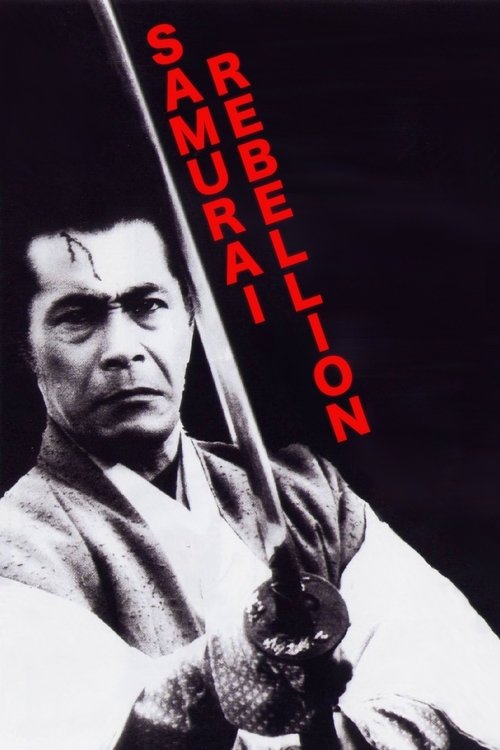
Samurai Rebellion1967
Kobayashi and Toshiro Mifune reunite five years later for another slow-fused takedown of samurai honor, this time about a father refusing to sacrifice his daughter-in-law to clan politics. Same director, same fury, sharper target.
But It's another patient, dialogue-heavy setup before violence — if Harakiri's pacing tested you, this asks for the same patience again.
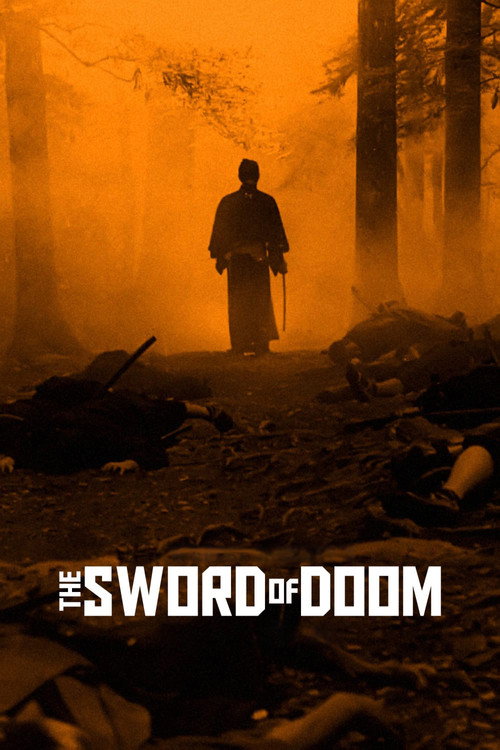
The Sword of Doom1966
Nakadai again, but here he's the villain — a swordsman so nihilistic he can't stop killing even when he wants to. Brutal, bleak, and one of the great villain performances in the genre.
But It ends mid-story, unresolved by design, which some viewers find thrilling and others find maddening.
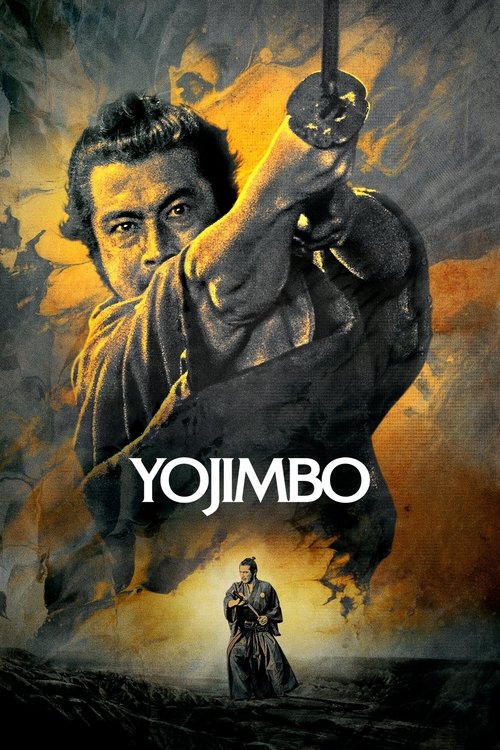
Yojimbo1961
Kurosawa's other essential samurai film from the same era — wry, muscular, hugely influential, with Mifune's wandering swordsman playing two corrupt factions against each other for sport.
But It's far more playful and comic than Harakiri's grave stillness — a genuinely different mood.
The wildcard
Something you would not have found on your own.
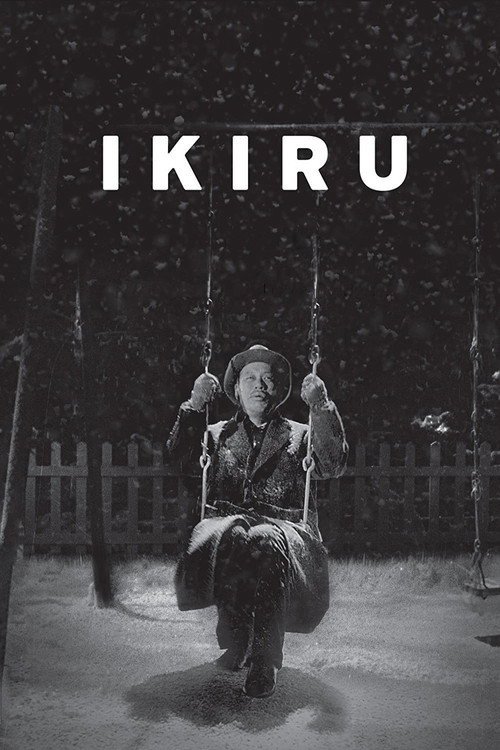
Ikiru1952
Both films strip away institutional facade to expose the emptiness underneath — Harakiri does it through a clan's honor code, Ikiru through a city office's bureaucracy, and both end in one man forcing the institution to see itself.
A dying bureaucrat discovers his decades of work amounted to nothing, and spends his last months trying to matter. It's Kurosawa's quietest, most devastating film — no swords, all soul.
But It's a slow character study about paperwork and mortality; if you came for samurai, this has none.
More like this (8)
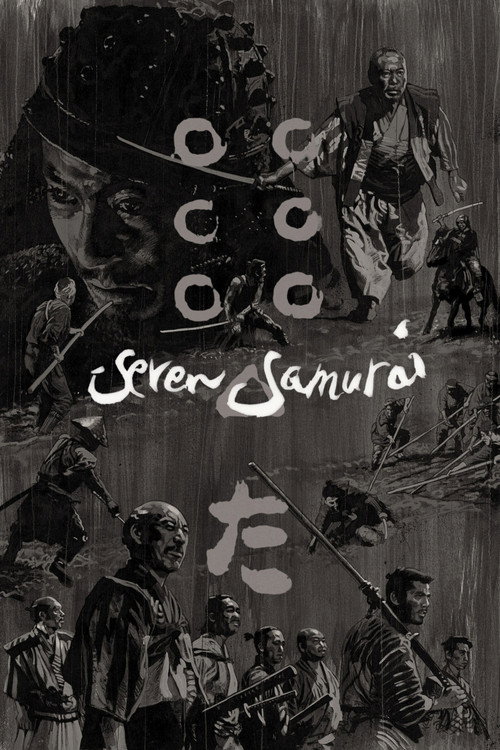
Seven Samurai1954
The foundational epic that made the genre legible to the rest of the world — seven men, one village, and a masterclass in tension, character and staged violence everything after owes something to.
But At over three hours, it's a real commitment, and its warmth is a long way from Harakiri's cold precision.
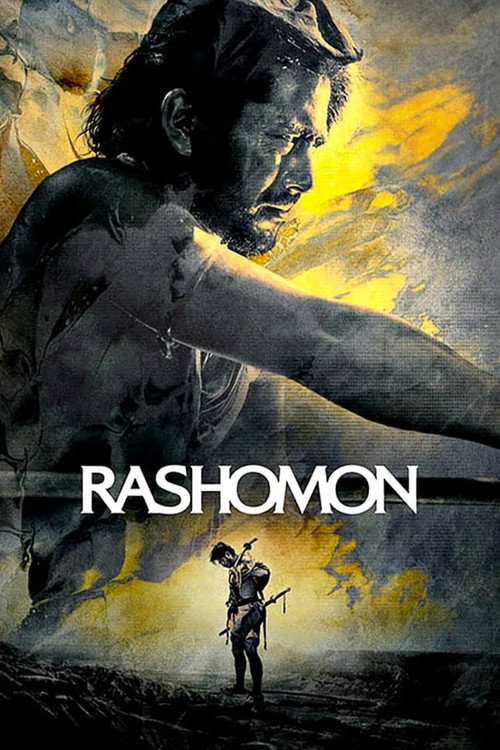
Rashomon1950
Kurosawa's puzzle-box of conflicting testimonies invented a structural trick — truth fractured through perspective — that Harakiri's own layered flashbacks quietly inherit.
But It's more interested in epistemology than swordplay; if you wanted action, this is a slower, stranger creature.
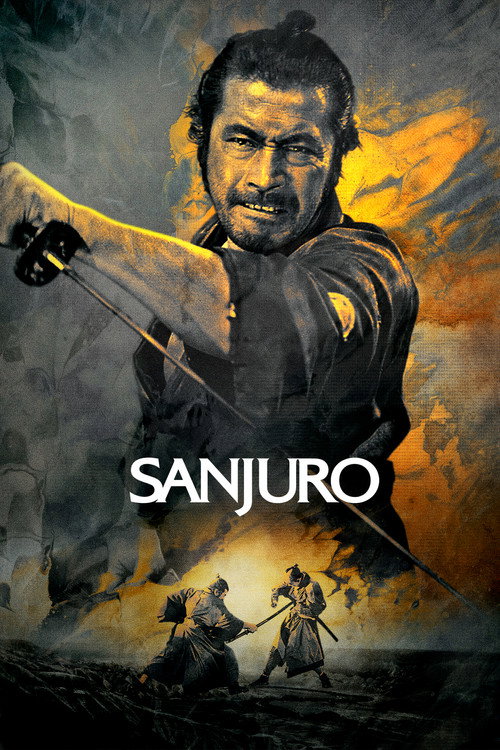
Sanjuro1962
Same year as Harakiri, same star, opposite mood — a looser, funnier sequel to Yojimbo that still ends in a shockingly fast, brutal duel.
But It's a comedy for most of its runtime, which might feel jarring right after Harakiri's solemnity.
The Twilight Samurai2002no page yet
A quieter, more domestic take on the same era — a low-ranking samurai more concerned with his daughters' dinner than his sword, until duty catches up with him anyway.
But Little violence, less spectacle; it's a slow character study more than it is drama-with-a-blade.
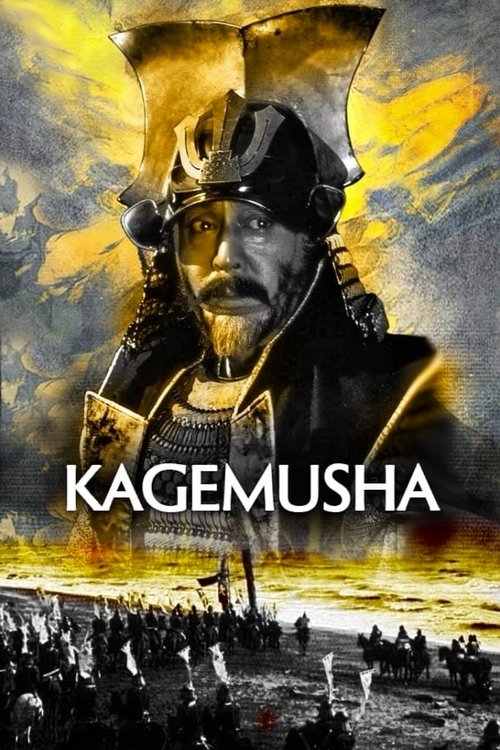
Kagemusha1980
Kurosawa's late, painterly epic about a thief posing as a dead warlord — a meditation on identity, performance and the hollow shell power leaves behind.
But It's stately and deliberate even by jidaigeki standards, closer to opera than combat.
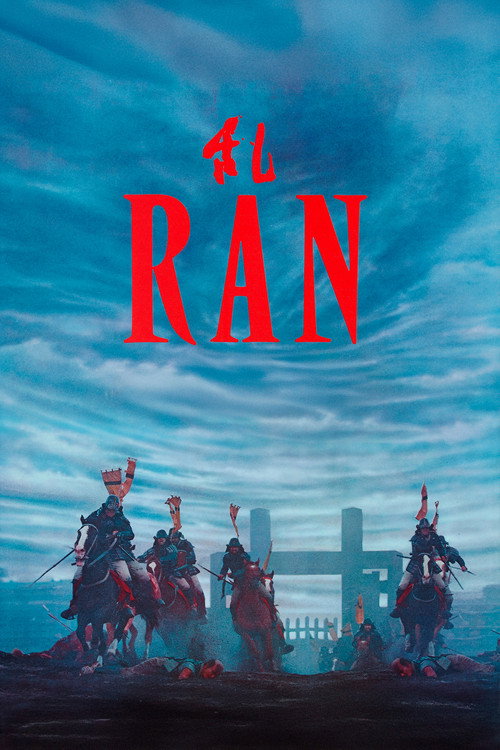
Ran1985
Kurosawa's Lear-in-feudal-Japan finale — vast battle scenes, operatic grief, and a devastating reckoning with legacy and inheritance that rhymes with Harakiri's own family tragedy.
But It's a bigger, more colorful spectacle than Harakiri's austere chamber piece — different scale entirely.
Chimes at Midnight1965no page yet
Both films dismantle a chivalric code from the inside — Falstaff's mockery of knightly honor and Tsugumo's quiet exposure of samurai hypocrisy are the same argument, made four centuries and two cultures apart.
Orson Welles's own ruined masterpiece — a Falstaff film assembled from Shakespeare's history plays, about honor as performance and the cost of a code that outlives its meaning.
But It's Elizabethan English on a shoestring budget, shot in grainy black and white — a very different texture from Kobayashi's polish.
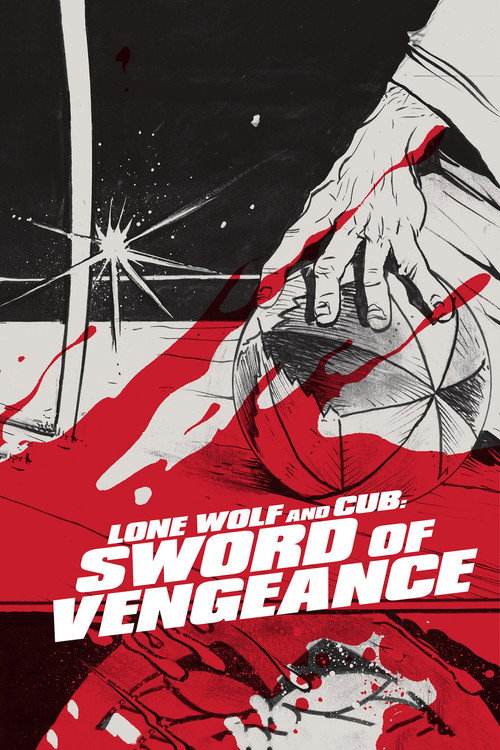
Lone Wolf and Cub: Sword of Vengeance1972
Strip Harakiri's austerity away and you get this — the same wronged-ronin-versus-corrupt-clan structure, pushed into exploitation cinema, proving the story survives even when the dignity doesn't.
A disgraced samurai wanders Japan with his infant son and a baby cart rigged for slaughter — pulpy, gory, gloriously trashy, but built on the same bones as Harakiri: a ronin, a wronged family, a corrupt clan.
But It trades Kobayashi's restraint for arterial spray and grindhouse excess — tonally, they could not be further apart.
People
Cast
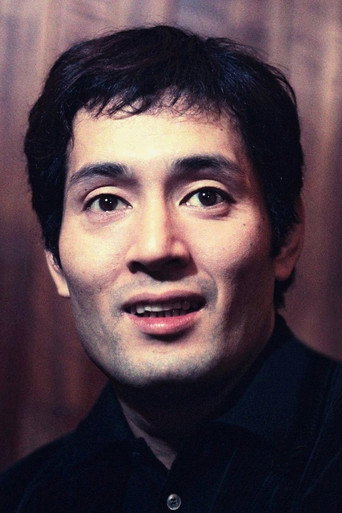 Tatsuya NakadaiHanshiro Tsugumo
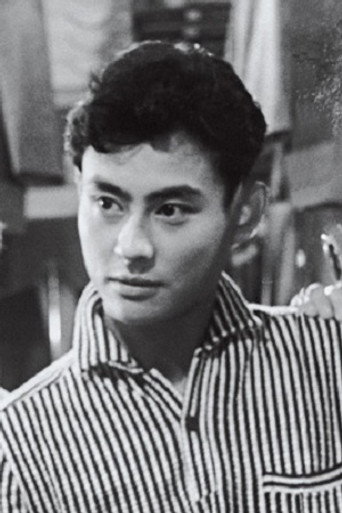 Akira IshihamaMotome Chijiiwa
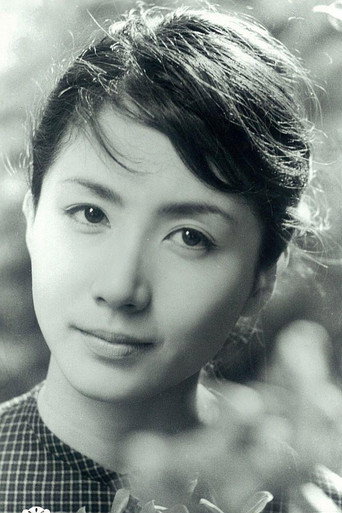 Shima IwashitaMiho Tsugumo
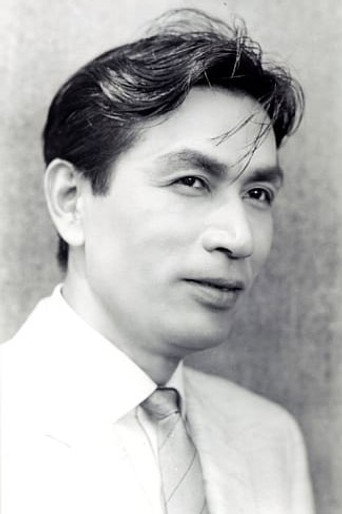 Tetsuro TambaHikokuro Omodaka
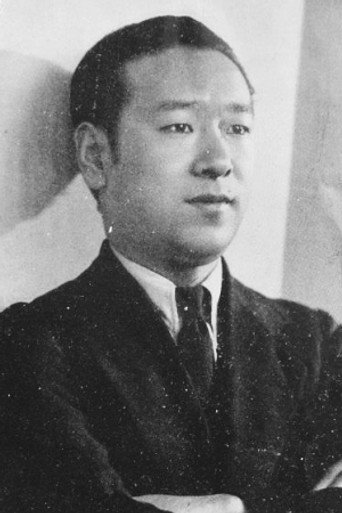 Masao MishimaTango Inaba
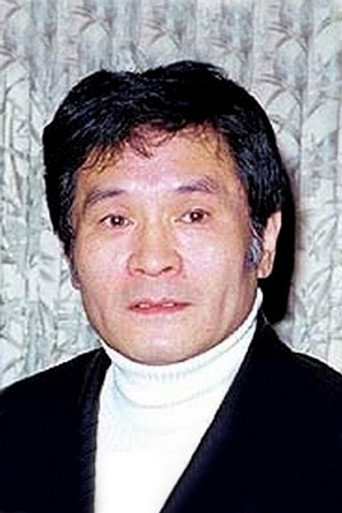 Ichirō NakataniHayato Yazaki
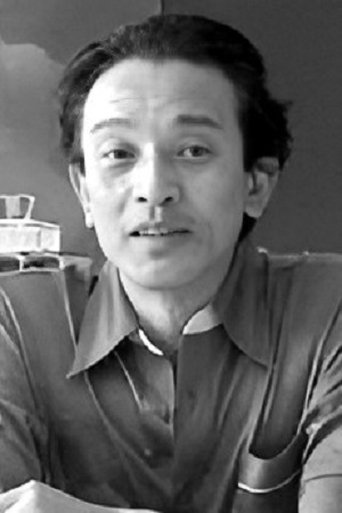 Kei SatōMasakazu
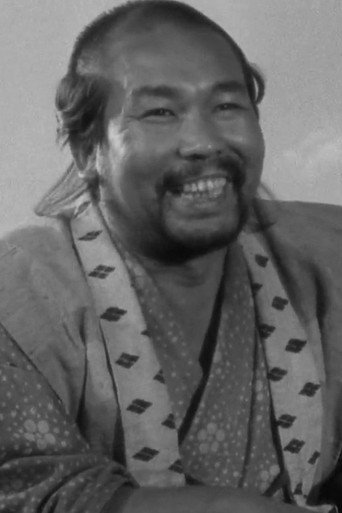 Yoshio InabaJinai Chijiiwa
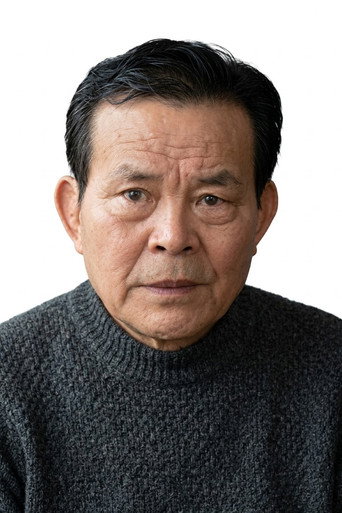 Hisashi IgawaRetainer
- Toru TakeuchiRetainer
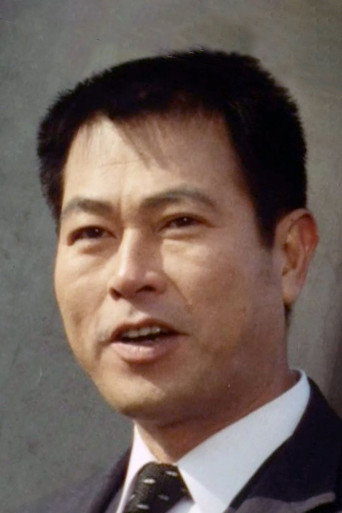
Directing
- Kôji NiwaAssistant Director
- Masaki KobayashiDirector
Writing
- Yasuhiko TakiguchiNovel
- Shinobu HashimotoScreenplay
Production
- Gin'ichi KishimotoAssociate Producer
- Tatsuyo HosoyaProducer
Recommended by
Lone Wolf and Cub: Sword of Vengeance, Yojimbo, Sanjuro, 13 Assassins, Afro Samurai, Kagemusha, The Tale of Zatoichi, Letters from Iwo Jima, The Duellists, The Sword of Doom, Samurai Rebellion, Ninja Scroll, Ride the High Country