
Film
Snoopy, Come Home
A 1972 Peanuts feature where Snoopy leaves Charlie Brown to visit his original owner in the hospital. It's tender and funny, balancing Snoopy's loyalty to a former life with his bonds to the gang. Aimed at families, but adults find surprising emotional depth in its meditation on belonging and duty.
Should you watch it?
Watch it if you love Peanuts for its gentle, wandering melancholy and want a dog's-eye view of the world, where the grown-up world looks strange and a little lonely.
Skip it if you want a plotted, sharp-edged comedy; this is a loose, episodic series of detours with a lot of gentle sighing, and the sentimental pull may feel slow.
What it asks of you: At eighty minutes, it moves at a stroll through short vignettes that stop and start, and it lingers on quiet frustration more than on jokes.
Not sure? Find tonight's pick in a minute.
If you liked this
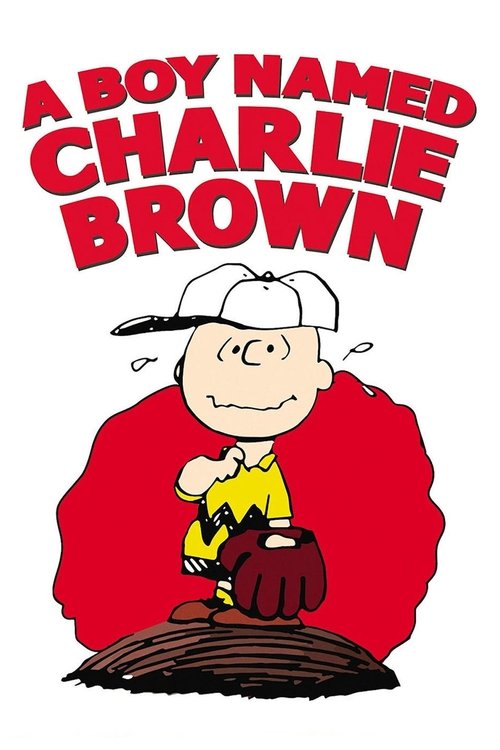
A Boy Named Charlie Brown1969
The first Peanuts film—warm, funny, and surprisingly moving about childhood anxiety and failure. Bill Melendez's direction captures the strip's heart perfectly.
But Shorter and simpler than Snoopy, Come Home, with less plot. If you want narrative drive, this is quieter and more character-focused.
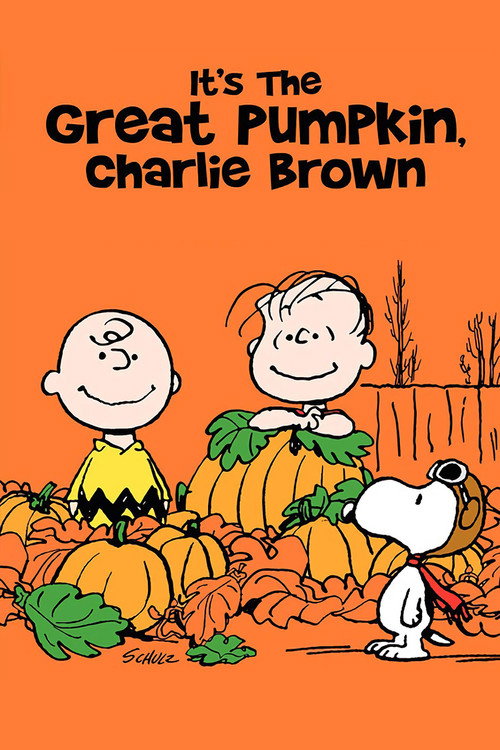
It's the Great Pumpkin, Charlie Brown1966
A TV special that nails the Peanuts tone: melancholy underneath the laughs, genuine belief in impossible things, and Linus's unshakeable faith earning real respect.
But Only 25 minutes, and if you remember it from childhood, nostalgia might be doing the heavy lifting rather than the material itself.
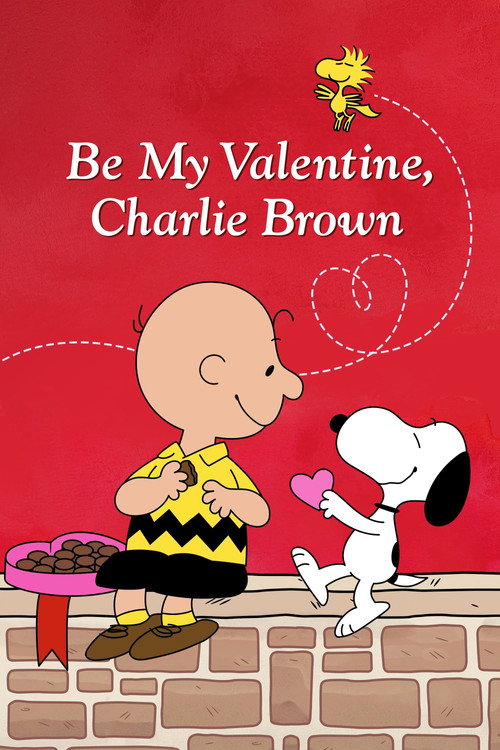
Be My Valentine, Charlie Brown1975
A later special that deepens the emotional stakes—Charlie Brown's vulnerability and longing feel surprisingly real, and the gentle jokes land with genuine warmth.
But The pacing is slower than the earlier specials, and if you're not in the mood for quiet sentiment, it can feel slight.
Not sure tonight? Get a pick in a minute, starting from Snoopy, Come Home
The wildcard
Something you would not have found on your own.
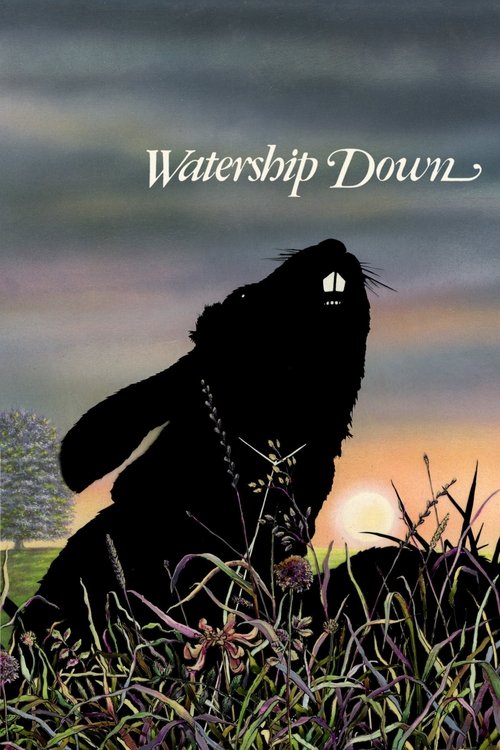
Watership Down1978
Both explore whether home is a place or the people you love, and both follow a character's journey away from their established family toward an older one. But Watership Down treats the conflict as genuinely tragic.
Animated rabbits flee danger and build a new home. It's about belonging, the terror of displacement, and whether you can ever truly leave your origins—the same core as Snoopy, but with genuine stakes and darkness.
But This is violent and traumatic in ways Peanuts never approaches. It was made for children who could handle real fear and loss. Some find it scarring.
More like this (8)
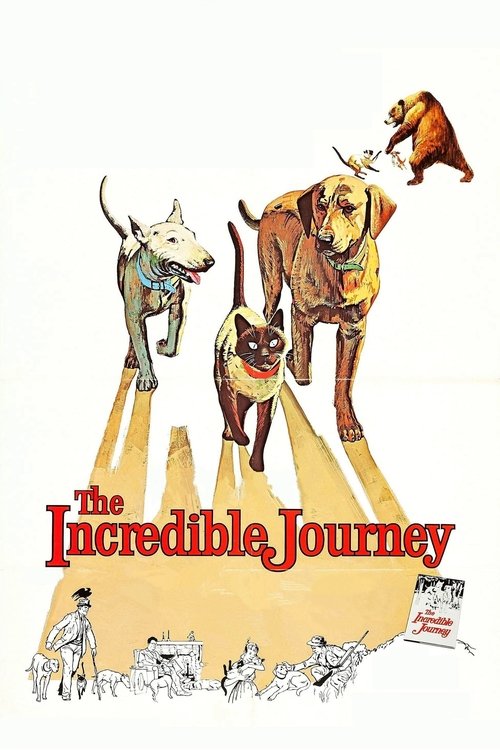
The Incredible Journey1963
Three animals trek home across wilderness. Like Snoopy, it's about loyalty and the drive to return to where you belong, but with real physical peril and no dialogue.
But It's live-action and entirely animal-focused, so the tone is far more serious. The stakes feel genuinely dangerous in ways Peanuts never does.
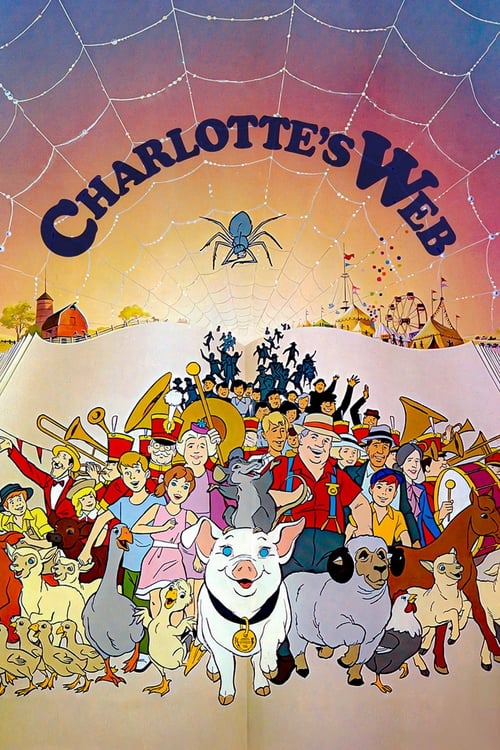
Charlotte's Web1973
A tender animated adaptation about friendship, loss, and what we leave behind. It shares Snoopy's ability to make children cry honestly without being manipulative.
But The ending is genuinely sad in a way that requires you to sit with grief. Not every family wants that from a film about talking animals.
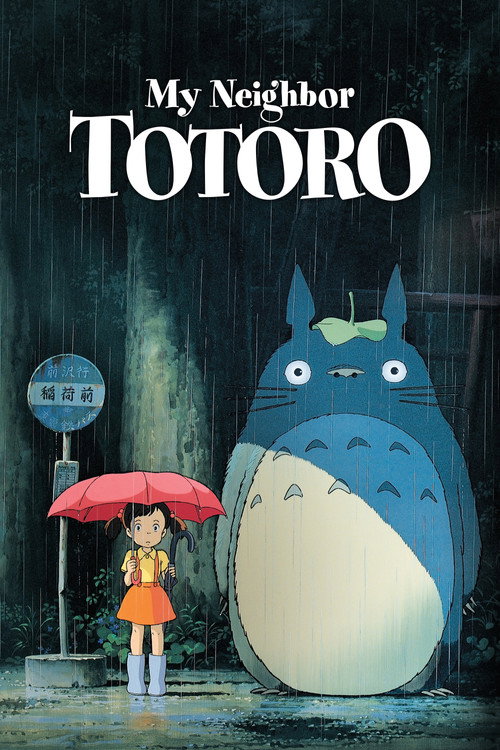
My Neighbor Totoro1988
A magical film about childhood wonder and belonging. Like Snoopy, it trusts children to feel complex emotions and finds beauty in small, quiet moments.
But It's a Studio Ghibli film in Japanese, dubbed or subtitled depending on your version. The pacing is deliberately slow and contemplative.
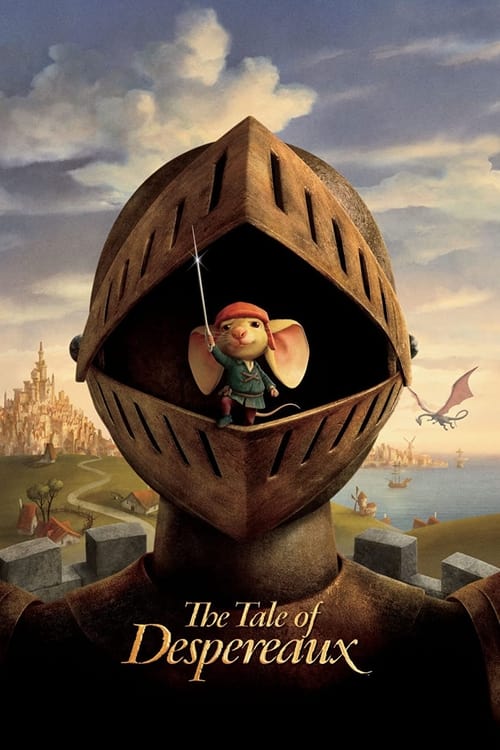
The Tale of Despereaux2008
An animated feature about a mouse's quest and the bonds he forms. It has Peanuts' gentle humor and serious emotional core, with beautiful hand-drawn sequences.
But The plot is more complicated and fairy-tale-like than Snoopy, and some of the darker story beats may feel heavy for younger viewers.
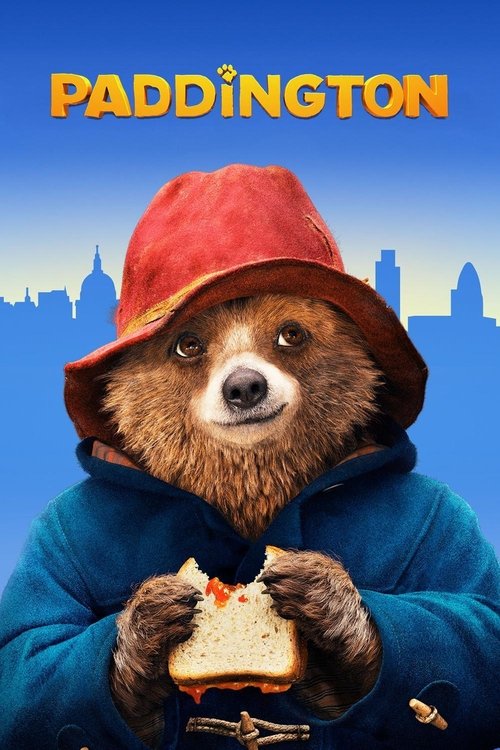
Paddington2014
Stop-motion animation about a displaced creature finding a home and family. It has the same warmth and humor as Peanuts, with surprisingly sophisticated writing.
But It's British in sensibility and much more visually detailed than the flat, clean Peanuts aesthetic. The tone is different—sweeter and broader in comedy.
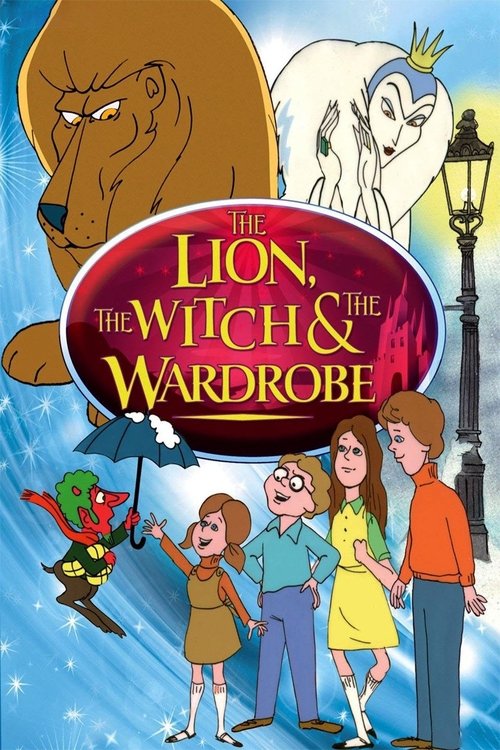
The Lion, the Witch and the Wardrobe1979
A BBC adaptation with genuine magic and emotional stakes. Like Snoopy, it balances adventure with real feelings about loyalty and the cost of doing the right thing.
But It's episodic TV from the late '70s, so the pacing and production values feel dated. Children expecting modern animation may find it slow to start.
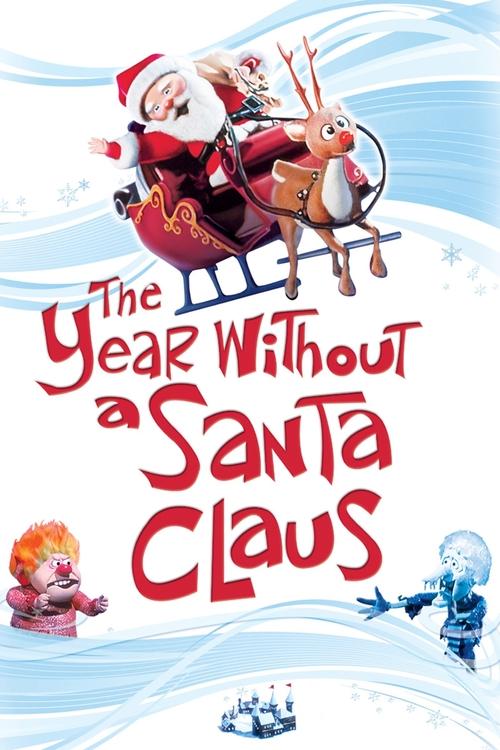
The Year Without a Santa Claus1974
Both pit loyalty to old bonds (Santa to Christmas, Snoopy to Charlie Brown) against loyalty to new ones (Snoopy to Lila, Santa to his own needs). Both ask: when do you leave?
A Rankin/Bass stop-motion special where Santa questions his purpose and considers stepping away. It's about duty versus desire, mortality versus meaning—Snoopy's dilemma in a holiday frame, but darker and more philosophical.
But It's peculiar and deliberately weird, with a cluttered visual style and a sentimental 1970s sensibility. The philosophical weight may surprise people expecting Christmas comfort.
Harakiri1962
Both follow someone pulled back to an earlier life by obligation and love, forcing them to confront what they've gained and lost. Snoopy is the children's version; Harakiri is what that story looks like without sentimentality.
A samurai film about a man returning to his past to settle a debt, confronting loss and the cost of honor. Structurally and morally parallel to Snoopy's choice, but in 1960s Japan and treated with tragic seriousness.
But It is unrelentingly bleak, violent, and long. It's about ritual suicide and the destruction of meaning. There is no warmth here—only the skeleton of Snoopy's emotional question, drained of all comfort.

People
Cast
- Chad WebberCharlie Brown (voice)
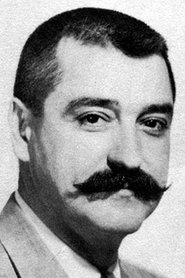 Bill MelendezSnoopy / Woodstock (voice)
 Robin KohnLucy Van Pelt (voice)
 Stephen SheaLinus Van Pelt (voice)
- David CareySchroeder (voice)
 Hilary Momberger-PowersSally Brown (voice)
- Johanna BaerLila (voice)
- Linda ErcoliClara (voice)
- Lynda MendelsonFrieda (voice)
 Christopher DeFariaPeppermint Patty (voice)
 Thurl Ravenscroft"No Dogs Allowed" (voice) (uncredited)
- Shelby FlintVocalist (voice)
Directing
- Bill MelendezDirector
Writing
- Charles M. SchulzComic Book
- Charles M. SchulzScreenplay
Production
- Charles M. SchulzExecutive Producer
- Bill MelendezProducer
- Lee MendelsonProducer
- Robert GillisProduction Manager
Recommended by
A Boy Named Charlie Brown, You're a Good Man, Charlie Brown, Happiness Is a Warm Blanket, Charlie Brown, Be My Valentine, Charlie Brown, There's No Time for Love, Charlie Brown