
Film
The Lion, the Witch and the Wardrobe
A 1979 animated adaptation of C.S. Lewis's classic fantasy novel. Four children stumble into Narnia, a magical realm frozen by an evil witch's curse, and discover they're central to an ancient prophecy. It's earnest and mythic, with that particular charm of British children's animation from its era—slower-paced than modern fare, but genuinely enchanting. For families and Lewis devotees seeking the original vision.
Should you watch it?
Watch it if you love a gentle, old-fashioned children's fantasy that trusts talk, atmosphere and storybook warmth more than spectacle, and you don't mind a modest look to get there.
Skip it if you want a sharp, modern telling or a big-budget spectacle; the animation is modest and the voice performances are plainly theatrical, so the charm depends on your patience.
What it asks of you: Ninety-five minutes at a leisurely, storybook pace, with long stretches of quiet talk and a fairly serious edge beneath the whimsy, so settling in matters more than being dazzled.
Not sure? Find tonight's pick in a minute.
If you liked this
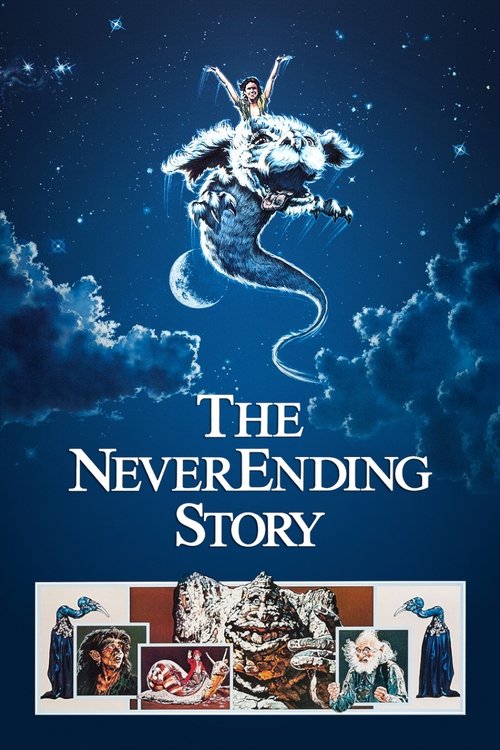
The NeverEnding Story1984
A child protagonist discovers a magical book that pulls him into a richly imagined fantasy world. Like Narnia, it's genuinely strange and mythic, with practical effects and a sense of genuine stakes. Pure wonder.
But The pacing is deliberate and dreamlike; it demands patience. Some find the dubbed dialogue distracting, and the special effects, while charming, show their age.
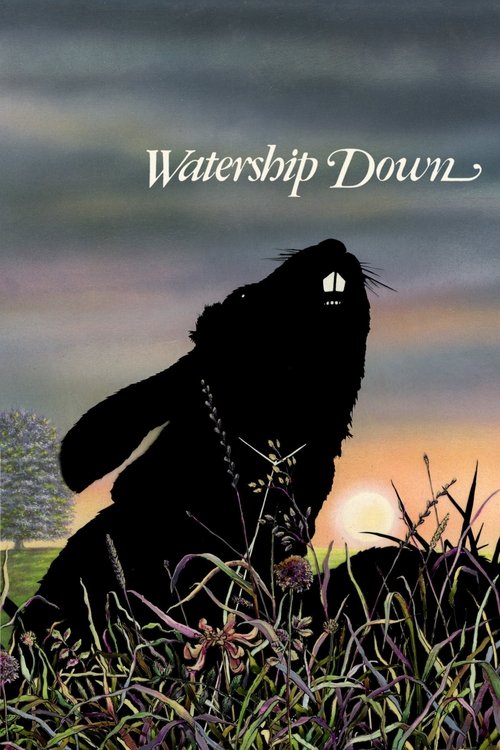
Watership Down1978
An animated epic about rabbits fleeing their warren, filled with adventure, prophecy, and moments of real darkness. It shares Narnia's blend of animal characters and genuine peril, plus unforgettable folk-song scoring by Art Garfunkel.
But The animation is quite stiff by modern standards. More importantly, it's genuinely violent and bleak at times—not what you'd expect from talking animals, which throws some viewers off.
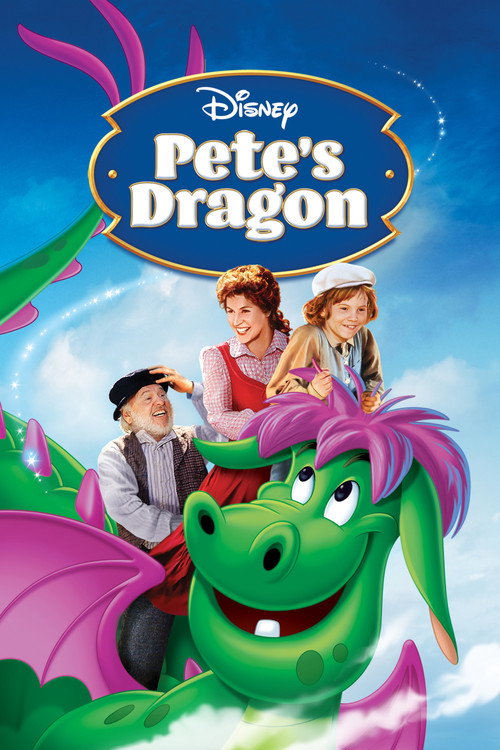
Pete's Dragon1977
Live-action boy and animated dragon adventure with a magical, drifting quality. It captures that same 70s fantasy magic—imperfect, handmade-feeling, utterly sincere. Gorgeous pastoral scenes and a dragon you'll actually care about.
But The plot meanders; this isn't plot-driven storytelling. The live-action/animation blend is noticeable by modern standards, which some find charming and others find dated.
Not sure tonight? Get a pick in a minute, starting from The Lion, the Witch and the Wardrobe
The wildcard
Something you would not have found on your own.
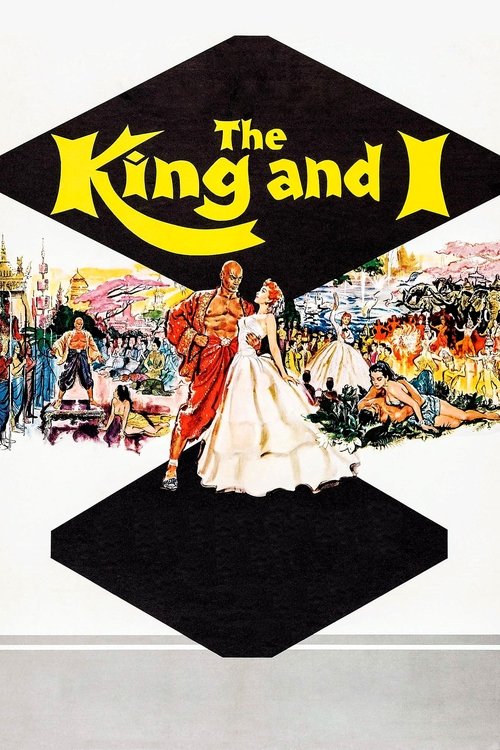
The King and I1956
Both are journeys into worlds with their own codes and mythologies; both use the protagonist's outsider perspective to make that world legible to us. Both are about discovering beauty and rightness in a place initially alien.
A musical fantasy of sorts—a woman arrives in an exotic kingdom and discovers its magic through culture, connection, and imagination. Like Narnia, it's about outsiders entering a strange realm and learning its rules. But it's live-action, romantic, and entirely rooted in human emotion rather than magic. Utterly transporting.
But It's a musical, which is a format some people actively resist. It's also a 1950s vision of Siam that's problematic by modern standards. And it's three and a half hours of deliberate pacing.
More like this (7)
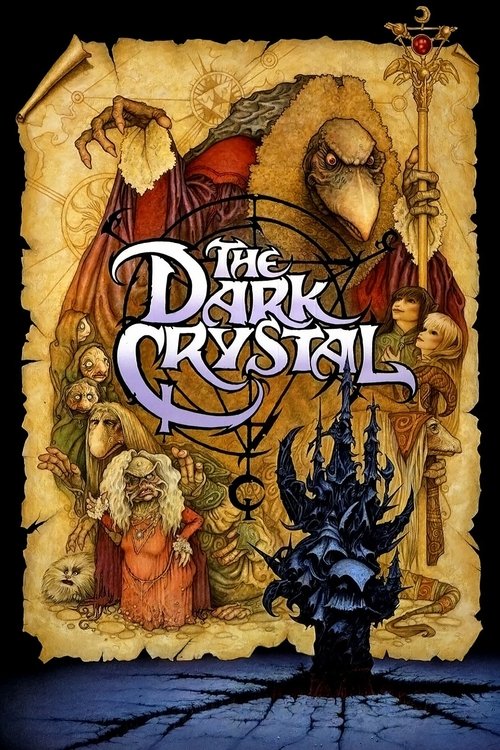
The Dark Crystal1982
An entirely puppet-animated fantasy quest film. Like Narnia, it's a journey through a rich, fully-realized world with genuine stakes and beauty. Stunning practical artistry and a mythology that feels complete and coherent.
But It's genuinely unsettling in places. The puppets, while magnificent, can read as eerie rather than warm. And it's darker and more difficult than Narnia—there's no comfort here.
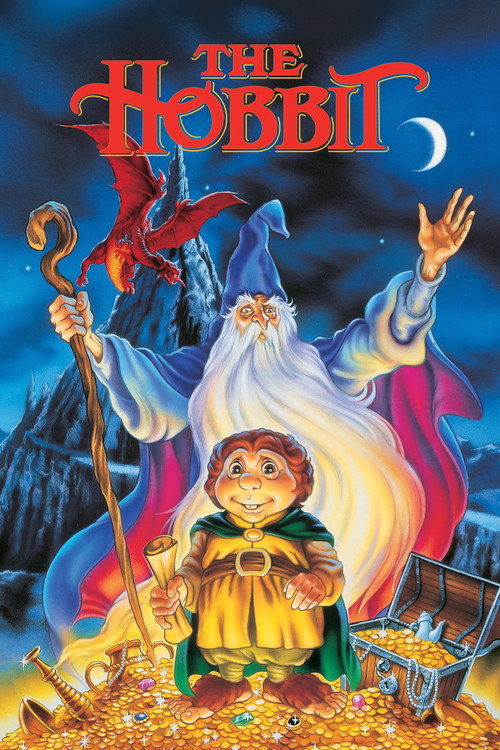
The Hobbit1977
Rankin/Bass's animated take on Tolkien. A smaller hero's journey through a fully-realized world with dwarves, dragons, and ancient magic. If you loved Narnia's mythic tone, this captures the same thing in a different story.
But The animation is very limited—lots of still frames and pans. It's episodic and sometimes feels incomplete as a narrative. And it's Tolkien filtered through 70s TV budgets, which is a trade-off.
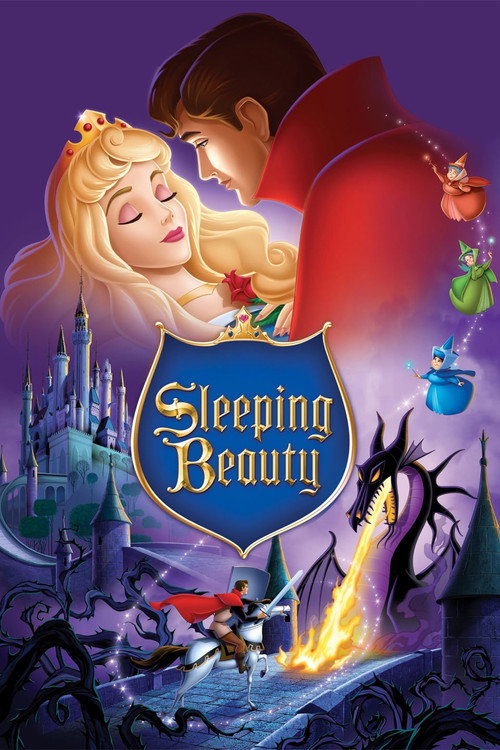
Sleeping Beauty1959
Disney's hand-drawn masterpiece. A fairy-tale quest with true danger, magical worlds, and a villain who actually threatens. The animation is exquisite and the tone is genuinely majestic—no irony, no winking.
But It's a different era of Disney—less plot-focused, more mood-focused. The pacing is stately. And the protagonist is secondary to her own story, which modern viewers sometimes find frustrating.
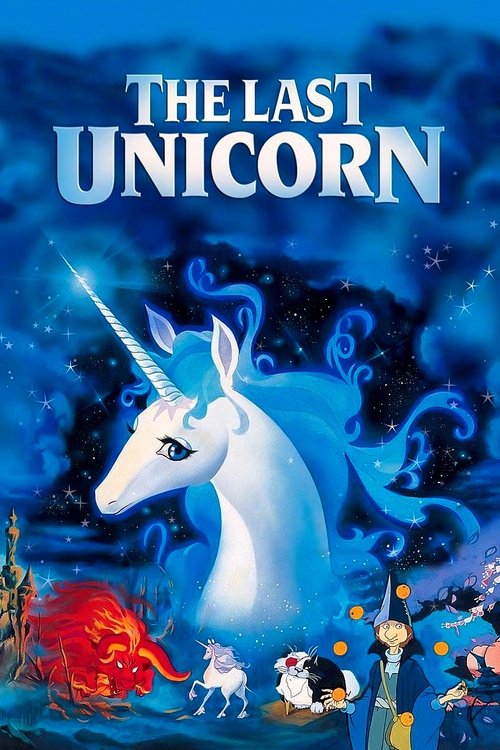
The Last Unicorn1982
A melancholic animated quest to save magic itself. It's stranger and more poetic than Narnia, with a haunting score and real thematic depth. A unicorn and a butterfly hero—it's genuinely odd and genuinely beautiful.
But It's slow, oblique, and sad in ways that don't resolve neatly. The animation is intentionally stylized rather than naturalistic. It's about loss as much as adventure, which can feel heavy.
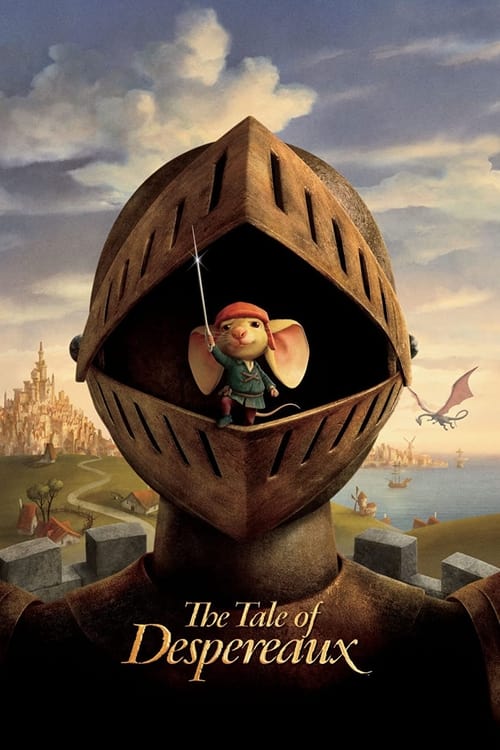
The Tale of Despereaux2008
A mouse prince in a magical castle kingdom—it's fantasy adventure with genuine heart. Gorgeous animation, a story about forgiveness and courage, and a world you want to stay in. Underrated modern gem.
But The middle section gets convoluted with multiple storylines. The voice acting is uneven. And it never quite achieves the mythic weight it reaches for.
Stalker1979
Both structure themselves as a journey through a threshold into another realm with different rules. Both use that journey to explore what the characters truly desire. Both have that sense of the mythic—but Stalker reaches for the numinous rather than the magical.
Andrei Tarkovsky's philosophical science-fiction masterpiece. Three men journey into a mysterious, forbidden zone to reach a room that grants wishes. It's meditative, mysterious, and profound—a quest that's entirely internal and spiritual rather than martial. Hypnotic.
But It's 163 minutes of philosophical argument disguised as narrative. Almost nothing happens in conventional terms. It's in Russian, subtitled, and demands active attention. Many find it boring; those who don't find it transcendent.

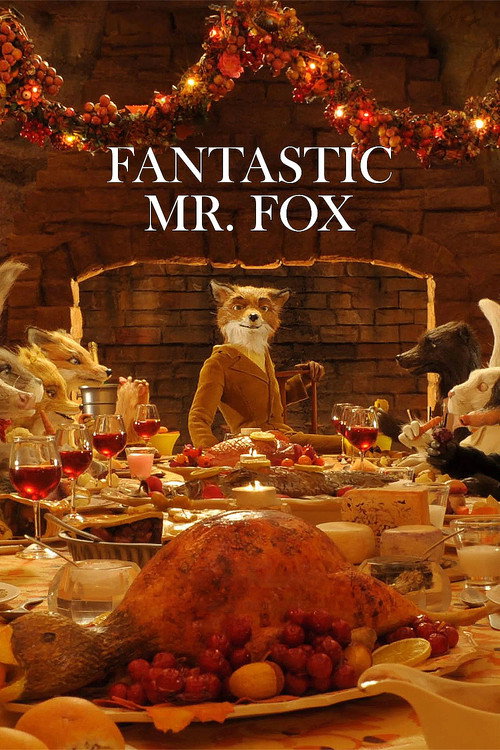
Fantastic Mr. Fox2009
Both are animated fantasies about communities in peril and the heroes who must save them. Both use their constructed worlds—one magical, one whimsical—to explore themes of home, belonging, and the cost of courage. Both trust their audiences to accept their logic completely.
Wes Anderson's stop-motion fable about a fox outwitting farmers who've destroyed his world. It's a quest to restore a lost home and community. Whimsical but never precious, visually ravishing, genuinely moving. A modern fairy tale made with meticulous, handmade craft.
But Anderson's stylization is extreme—it's a very designed, artificial world. Some find his quirk exhausting rather than charming. It's also shorter and simpler than Narnia, which might feel slight to someone wanting epic stakes.
People
Cast
- Rachel WarrenLucy (voice)
- Susan SokolSusan (voice)
- Reg WilliamsPeter (voice)
- Simon AdamsEdmund (voice)
 Victor SpinettiMr. Tumnus (voice)
- Dick VosburghProfessor (voice)
- Don ParkerMr. Beaver (voice)
- Liz ProudMrs. Beaver (voice)
 Stephen ThorneAslan (voice)
- Beth PorterWitch (voice)
Directing
- Carol LeithAssistant Director
- Jim DuffyAssistant Director
- Bill MelendezDirector
- Chris RandallLayout
- Jose SolisLayout
- Mike PocockLayout
Writing
- Bill MelendezAdaptation
- David D. ConnellAdaptation
- C. S. LewisNovel
Production
- David D. ConnellExecutive Producer
- Steven Cuitlahuac MelendezProducer
- Corona EsterhazyProduction Coordinator
- Julio TaltavullProduction Coordinator
- Michael HayesProduction Coordinator
- Graeme SpurwayProduction Supervisor
- John CoatesProduction Supervisor
- Luis García JoriProduction Supervisor