
Film
The NeverEnding Story
A boy reads himself into a book, and the book turns out to need saving as much as he does. Wolfgang Petersen's 1984 fantasy mixes live action with gloriously creaky puppetry, and it's unashamedly earnest, strange, and genuinely frightening in places (Gmork, the Nothing). It's for anyone who wants childhood cinema slightly traumatic, deeply sincere, and utterly unconcerned with looking cool.
If you liked this
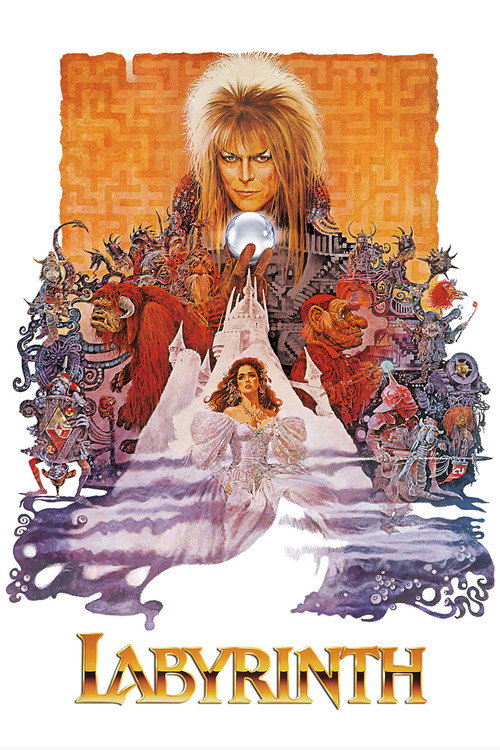
Labyrinth1986
Jim Henson's puppetry, David Bowie's cheekbones, and a teenage heroine who has to want something other than rescue - it's the other great 80s portal fantasy, all texture, nerve, and genuinely unsettling dream logic.
But The songs are very 1986 and Bowie's performance is more iconic than subtle - it can tip from charming into camp.
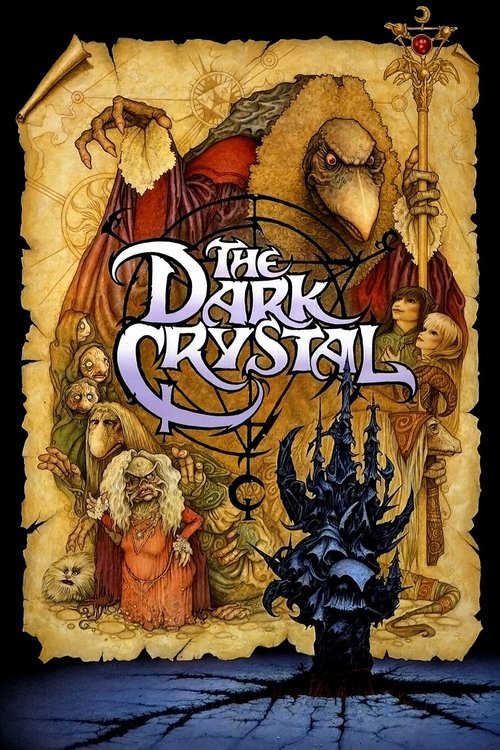
The Dark Crystal1982
Jim Henson again, but without a single human face on screen - a full puppet world, mythic and strange, built with a craft no CGI has matched since. Slower, stranger, and darker than Labyrinth.
But No irony, no jokes, almost no humans - it's a commitment, and the pacing is deliberately mythic rather than propulsive.
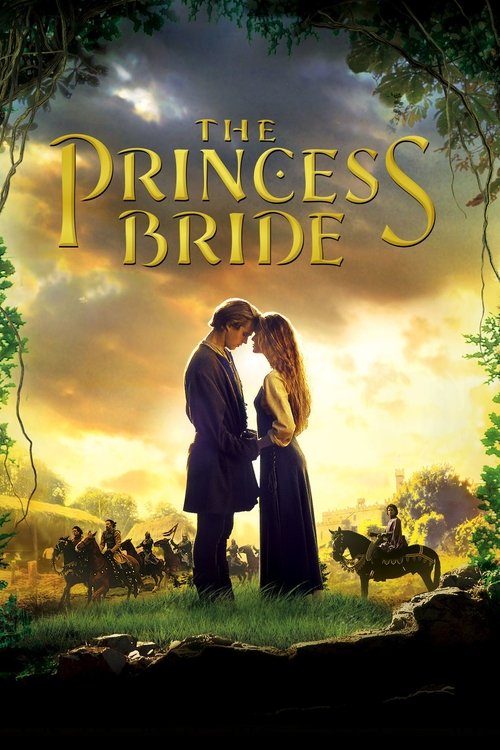
The Princess Bride1987
A story being read aloud to a sick kid, interrupted and argued with - the same nested structure, but played for wit instead of dread. Swordfights, true love, and quotable lines forever.
But It's comedy first, adventure second; if you want Fantasia's sincerity and stakes, this keeps winking at you instead.
The wildcard
Something you would not have found on your own.
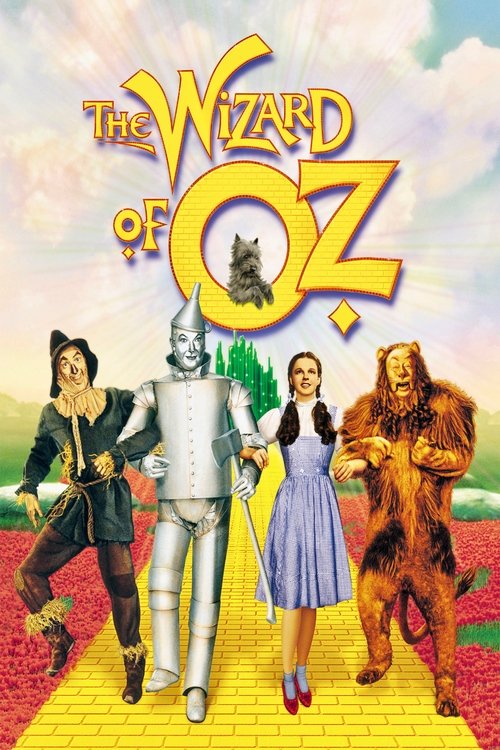
The Wizard of Oz1939
Both send a lonely child into a fantastical realm that mirrors their real-world troubles, and both use a literal visual rupture - black-and-white to Technicolor, book to screen - to mark the crossing.
The grandparent of every kid-crosses-into-a-magic-world story, including this one - the shift from drab reality into a fully realized fantastical color world is the direct ancestor of Fantasia's leap off the page.
But It's gentler and more musical than Fantasia, without the same undertow of real dread or grief.
More like this (8)
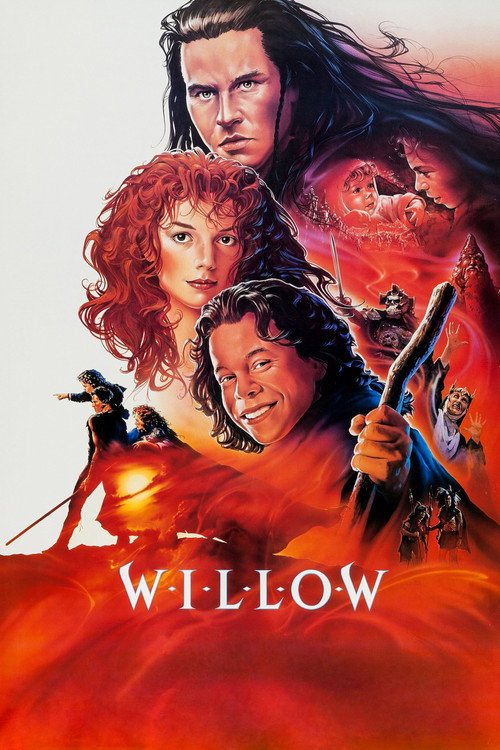
Willow1988
George Lucas's other fantasy, with Ron Howard directing and Val Kilmer swaggering through a Tolkien-lite quest full of practical effects, sorceresses, and a baby who must be protected across a whole kingdom.
But It's busier and more plot-heavy, with less of the dreamlike stillness that makes Fantasia's world feel private.
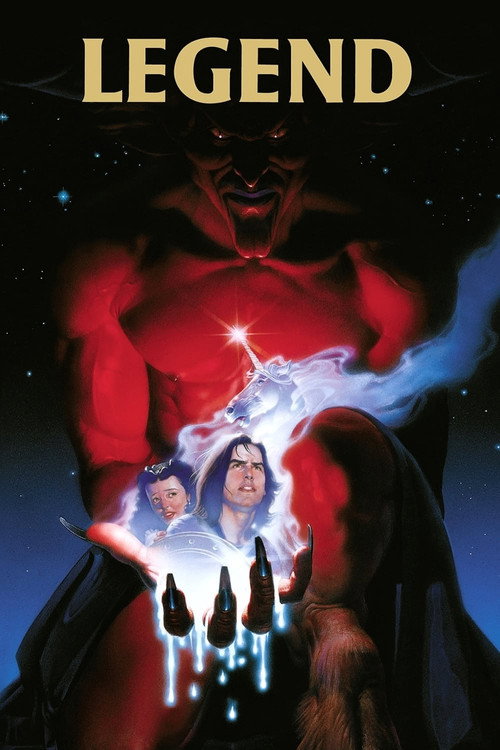
Legend1985
Ridley Scott's fairy tale, all fog machines and Tim Curry as a devil with actual horns - a young Tom Cruise protecting a unicorn from darkness. Gorgeous, overripe, unmistakably built on soundstages.
But Thin on story, thick on atmosphere - if you need a plot to hold onto, this one drifts.
Return to Oz1985no page yet
Disney's genuinely disturbing 1985 sequel to the Oz story opens with electroshock therapy and only gets stranger from there - wheeled creatures, a witch with detachable heads. If Fantasia's darker corners appealed, this goes further.
But It's bleaker and stranger than most family fantasy, with less warmth and fewer easy comforts along the way.
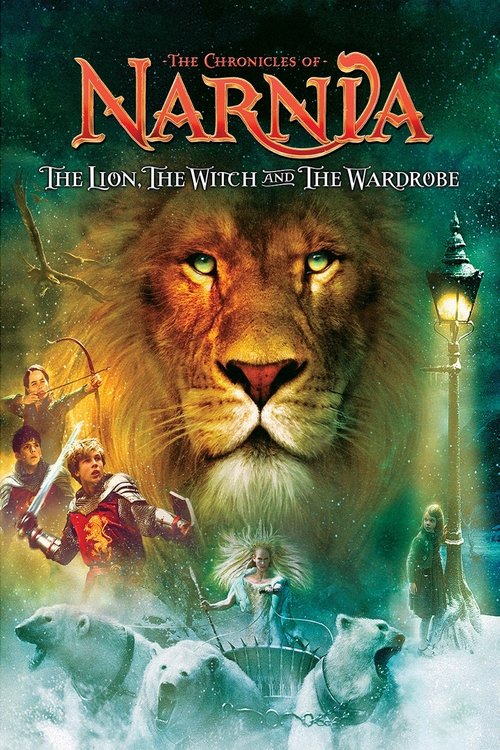
The Chronicles of Narnia: The Lion, the Witch and the Wardrobe2005
Kids find a door into a dying, magical world that needs them specifically to save it - the structure is nearly identical, just swapped from imagination-as-portal to wardrobe-as-portal, with an allegory underneath.
But Glossier and more conventional than Fantasia - big studio polish where the earlier film has handmade weirdness.
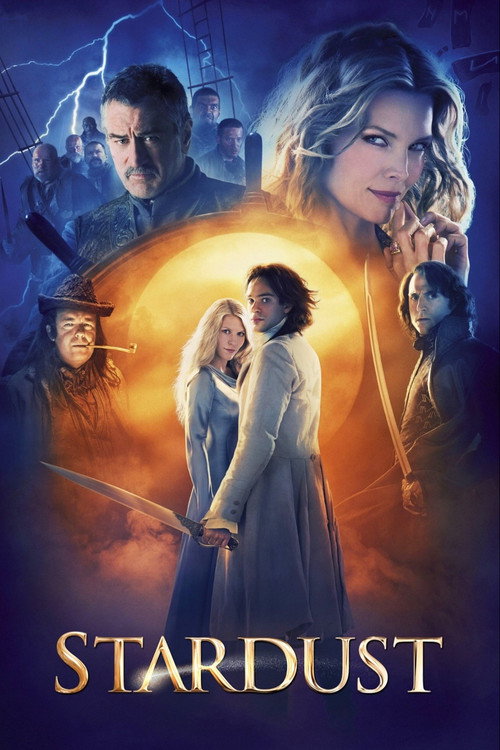
Stardust2007
A lighter, funnier fairy-tale adventure from Neil Gaiman's novel, with witches, a fallen star, and a hero who starts out useless. Charming rather than eerie, but the same sense of a whole world just past the wall.
But It never really goes dark or strange - if you loved Fantasia's dread, this trades it for romantic warmth.
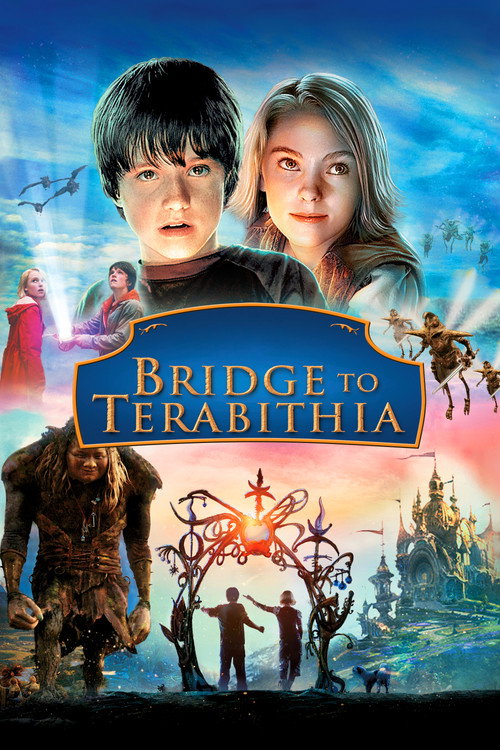
Bridge to Terabithia2007
Two kids invent a kingdom in the woods to survive real loneliness and grief, and the film takes their imagination as seriously as Fantasia takes Bastian's. Quieter, sadder, just as sincere about make-believe mattering.
But The marketing sold it as fantasy adventure; it's really a film about loss, and that tonal swerve upsets some viewers.
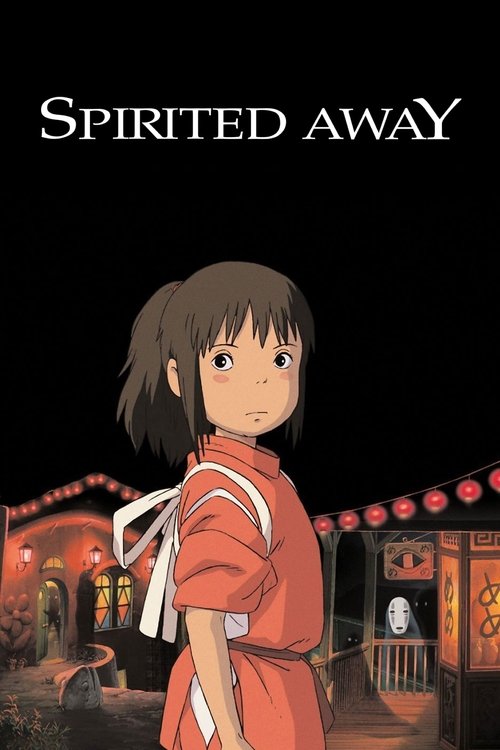
Spirited Away2001
Both films use a child's crossing into an unstable magical world to dramatize the risk of losing yourself, literally, if you stop believing in your own name or your own story.
Miyazaki's anime masterpiece sends a sullen kid into a spirit world where forgetting her own name is a real danger - the same fear of being erased by a story she's trapped inside, told through breathtaking hand-drawn animation.
But It's Japanese-language and doesn't explain its rules the way Western fantasy usually does - some find that disorienting rather than dreamlike.
The Company of Wolves1984no page yet
Same year, same nested storytelling device, and the same underlying idea: a young person's private fantasies aren't an escape from reality but a way of processing fear, loneliness, and change too big to say out loud.
Neil Jordan's adult fairy tale, made the very same year, nests stories within stories the way Fantasia nests Bastian's reading - a teenage girl's dreams and grandmother's warnings blur into werewolf horror about growing up and desire.
But This is genuinely for adults - sexual, gothic, and unsettling, with none of Fantasia's family-film safety net.
People
Cast
 Noah HathawayAtreyu
 Barret OliverBastian
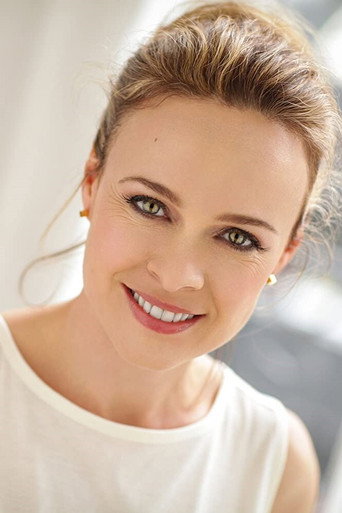 Tami StronachThe Childlike Empress
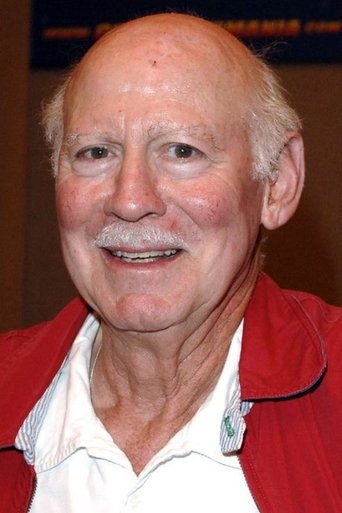 Alan OppenheimerRockbiter / Falkor / G'mork / Narrator (voice)
- Sydney BromleyEngywook
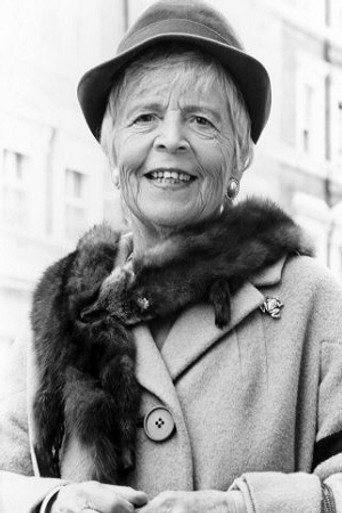 Patricia HayesUrgl
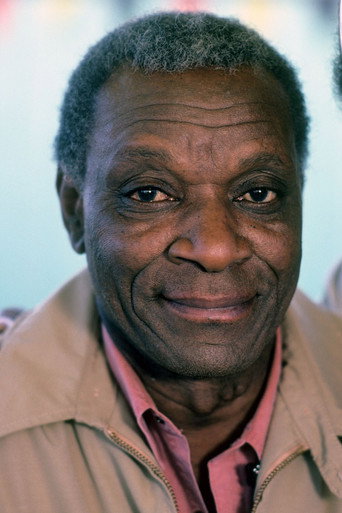 Moses GunnCairon - Empress' Servant
 Frank LenartTeeny Weeny / Night Hob (voice)
- Robert JadahMorla the Ancient One (voice)
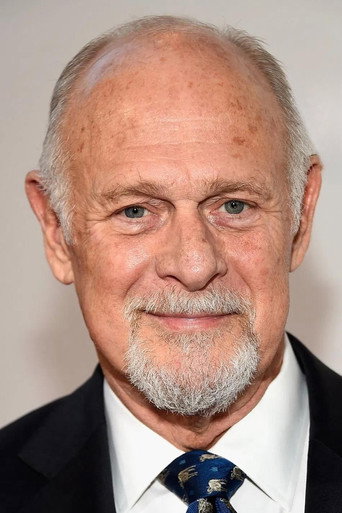 Gerald McRaneyBastian's Father
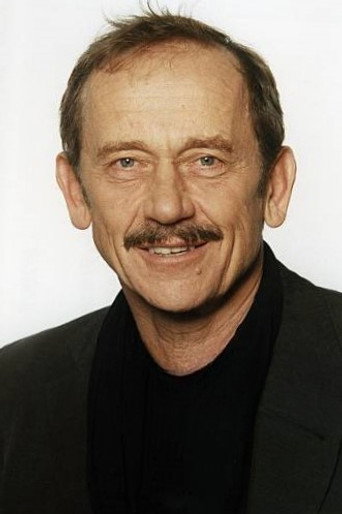 Tilo PrücknerNight Hob
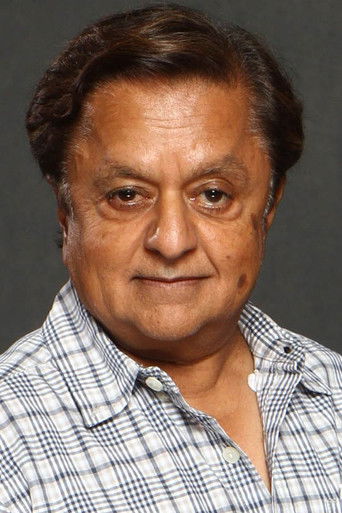 Deep RoyTeeny Weeny
Directing
- Marcia GayAssistant Director
- Michael WaldleitnerAssistant Director
- Jean BereziukContinuity
- Kristina BrandnerContinuity
- Sharron GoldContinuity
- Wolfgang PetersenDirector
- Don FrenchFirst Assistant Director
- Gordon MarkFirst Assistant Director
- Jürgen BieskeFirst Assistant Director
- Michael BoyadjiewFirst Assistant Director
- David W. RoseSecond Assistant Director
- Paula SwaugerSecond Assistant Director
- William W. Wilson IIISecond Assistant Director
- Hannes NikelSecond Unit Director
Writing
- Robert EastonDialogue
- Michael EndeNovel
- Herman WeigelScreenplay
- Wolfgang PetersenScreenplay
Production
- Klaus KählerAssociate Producer
- Penny PerryCasting
- Risa KesCasting
- Günter RohrbachCo-Producer
- John W. HydeExecutive Producer
- Mark DamonExecutive Producer
- Bernd EichingerProducer
- Bernd SchaefersProducer
- Dieter GeisslerProducer
- Duncan StewartProduction Accountant
- Sigi SteinerProduction Accountant
- Annie Nap-OleonProduction Coordinator
- Ilse SchwarzwaldProduction Coordinator
- Rolf ZehetbauerProduction Designer
- Renate BergerProduction Secretary
Recommended by
Labyrinth, The Dark Crystal, Harry Potter and the Philosopher's Stone, Stardust, The Chronicles of Narnia: The Lion, the Witch and the Wardrobe, Bridge to Terabithia, The Wizard of Oz, The Black Stallion, Time Bandits, The Last Unicorn, Knightmare, The Witches, Legend, The 7th Voyage of Sinbad, The Dark Crystal: Age of Resistance