
Film
Hans Christian Andersen
- Biopic
- Light-hearted
A 1952 musical comedy where Danny Kaye plays a loose-footed, garrulous shoemaker who abandons his shop to chase fame as a storyteller in Copenhagen. Bursting with elaborate musical numbers, romantic entanglement, and whimsy—it's exuberant and occasionally clumsy, designed for audiences who love old Hollywood's theatrical generosity and don't mind sentiment worn openly.
Should you watch it?
Watch it if you love old-fashioned Hollywood musicals where the songs, sets and colour are the point, and a gentle fairy-tale sensibility wins you over more than a tight plot does.
Skip it if you want a sharp, grounded story with modern pacing; this one is leisurely, sentimental and built around songs and spectacle rather than momentum or realism.
What it asks of you: Nearly two hours of unhurried, bright storytelling, with long musical numbers and a light, cheerful tone that asks you to settle in and enjoy the artifice.
Not sure? Find tonight's pick in a minute.
If you liked this
Singin' in the Rain1952
Released the same year, it has the same muscular optimism and jaw-dropping dance sequences. Gene Kelly and Donald O'Connor's athleticism and charm rival Kaye's physical comedy, and the film's devotion to pure entertainment joy is genuine.
But The plot is thin and the romantic elements feel obligatory. If you want story weight over spectacle, look elsewhere.

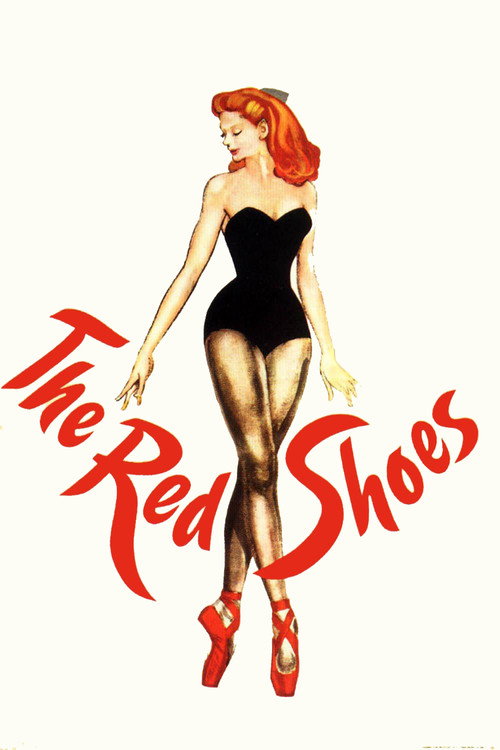
The Red Shoes1948
Both films centre on artists pursuing their calling against personal cost. Powell and Pressburger's technical brilliance and visual ambition dwarf most contemporaries, and the ballet sequences are hypnotic in ways that transcend their era.
But It's darker and far less forgiving than Andersen. The tone is dreamlike and sometimes glacial—patience required.
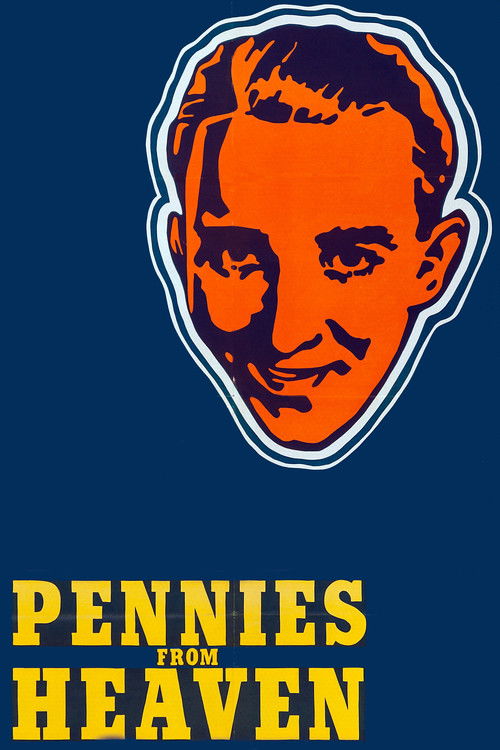
Pennies from Heaven1936
Another Depression-era dreamer trying to escape his mundane life through storytelling and music. The film shares Andersen's belief in the power of imagination to transform circumstance, with genuine melancholy underneath the lightness.
But It's scrappier and less polished than Andersen. The production values are modest and the pacing occasionally stutters.
Not sure tonight? Get a pick in a minute, starting from Hans Christian Andersen
The wildcard
Something you would not have found on your own.
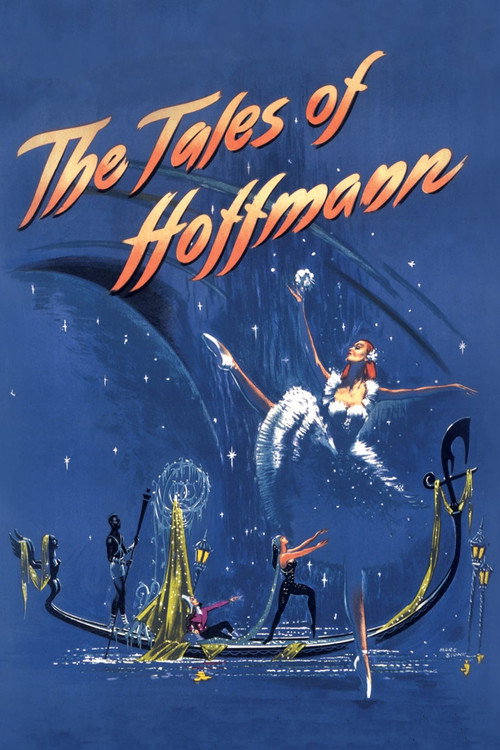
The Tales of Hoffmann1951
Both are biographical musicals about artists who blur the line between life and fantasy; Hoffmann proves what happens when you take that impulse seriously instead of sentimentally.
Powell and Pressburger made an opera film about a storyteller and his impossible loves—structurally it's nested tales like Andersen's own work. The visual design is operatic and surreal in ways Kaye's film could never be, treating fantasy as legitimate reality rather than whimsy.
But It's purely sung-through with no dialogue. If you need naturalistic acting or plot clarity, it will feel hermetic and exhausting.
More like this (8)
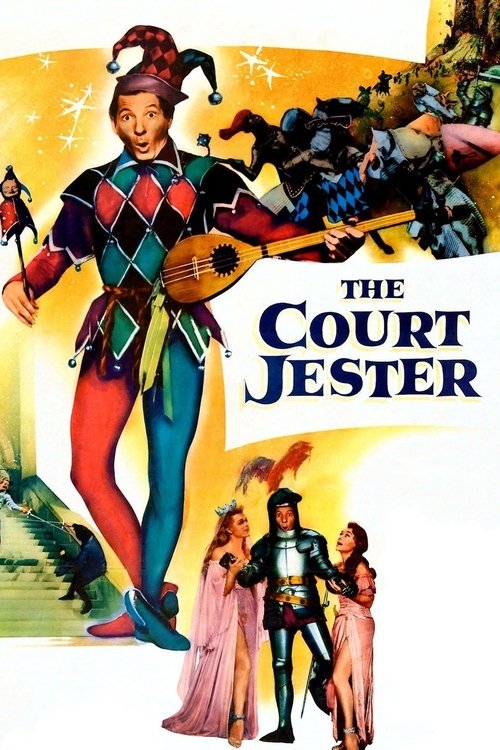
The Court Jester1955
Danny Kaye in peak form, playing a fool thrust into royal intrigue. His verbal dexterity, physical comedy, and earnest mugging are faster and funnier here than in Andersen, and the whole film zips with energy.
But It's a swashbuckler first and a musical second. If you want the elaborate production numbers that dominate Andersen, they're thinner on the ground.
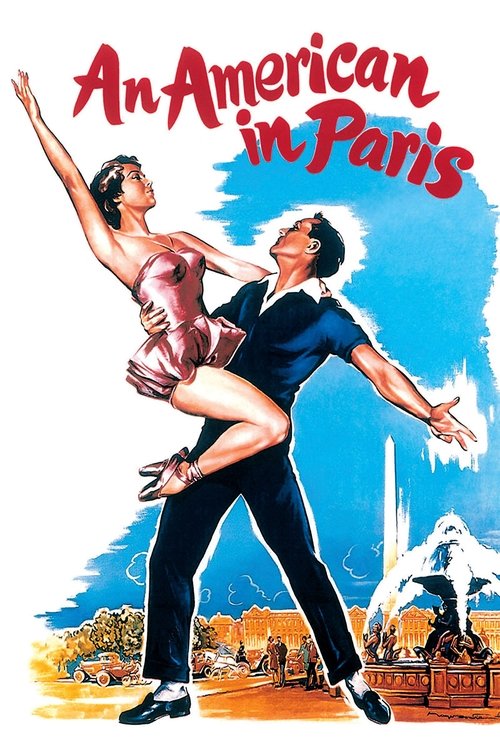
An American in Paris1951
Another young dreamer—painter this time—navigating love and ambition in Europe. The Gershwin score is sublime, the dancing magnificent, and it captures that postwar appetite for beauty and possibility that Andersen also celebrates.
But Gene Kelly's character is less sympathetic than you'd hope. The romance feels engineered, and the seventeen-minute ballet finale may test your patience.
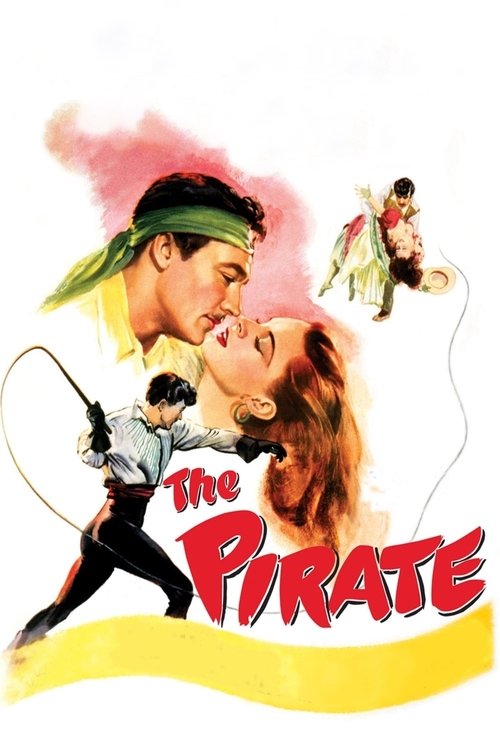
The Pirate1948
Gene Kelly and Judy Garland in a Technicolor romp where theatre and fantasy collide. It's baroque, playful, and visually gorgeous—a film that understood spectacle the way Andersen does, with better comic timing throughout.
But It's intermittently very silly. Some musical numbers don't land, and the plot is genuinely nonsensical.
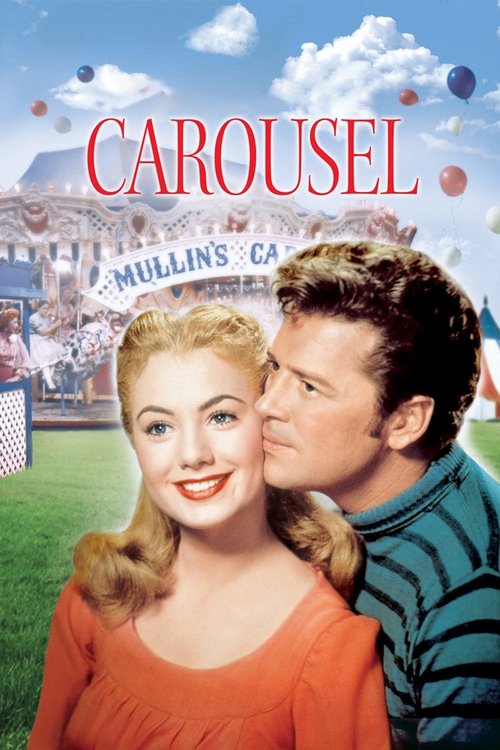
Carousel1956
Rodgers and Hammerstein's ambitious musical about ambition, redemption, and the human cost of dreams. The Cinemascope vistas are breathtaking and the emotional stakes are higher than Andersen, but the sincerity is unironic.
But It's melodramatic and occasionally heavy-handed. The romantic elements feel dated, and the runtime drags in places.
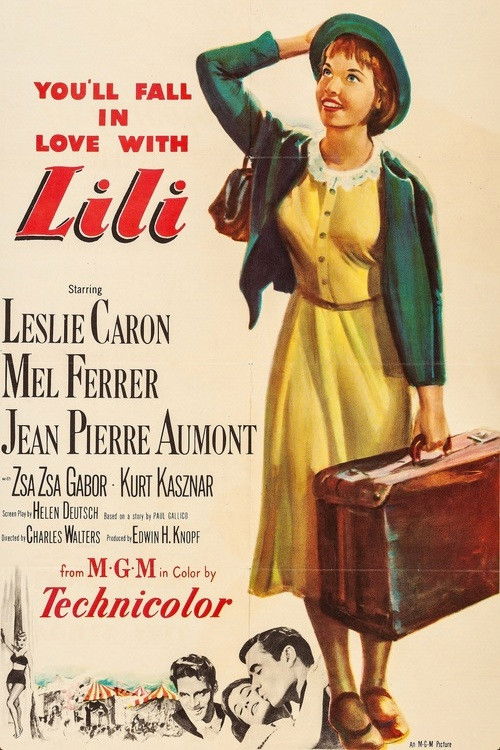
Lili1953
Leslie Caron plays an innocent girl in Paris who finds meaning through puppetry and art. It's whimsical and tender without being cloying, with a magical-realist streak that feels more sophisticated than Andersen's sentimentality.
But The tone is delicate to the point of fragility. If you need plot momentum or narrative stakes, this will feel thin.
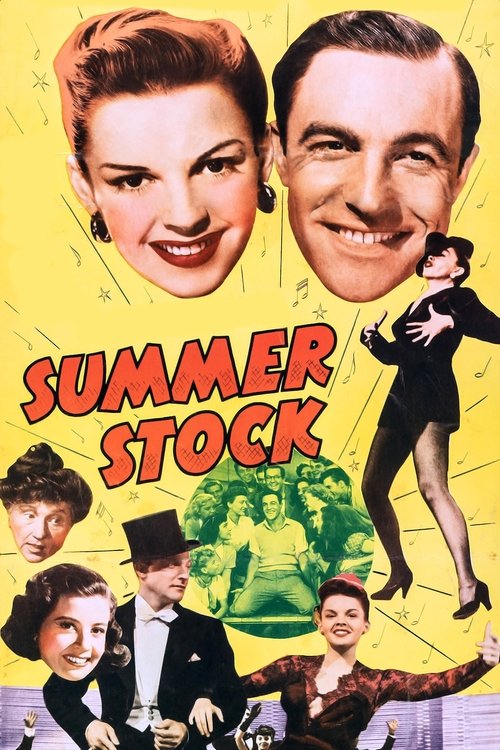
Summer Stock1950
Judy Garland and Gene Kelly in a backstage musical that's fundamentally about the redemptive power of performance. The numbers are excellent and the film shares Andersen's faith in artistry as salvation.
But It's conventional in structure and the dramatic beats feel familiar. The second half loses steam.
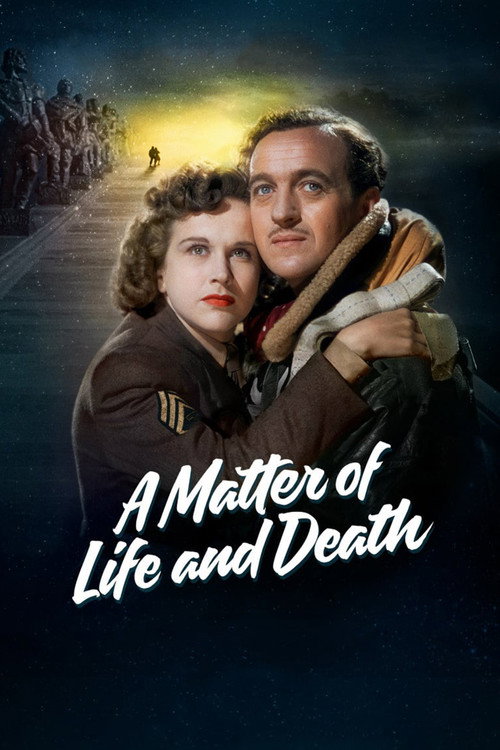
A Matter of Life and Death1946
Both films are deeply sentimental about storytelling and beauty as weapons against a mundane world; this one just trusts the audience to understand the stakes.
A British Technicolor fantasy where a pilot on the brink of death encounters the afterlife. It has Andersen's visual exuberance and faith in the transcendent, but married to real philosophical weight—the film argues for imagination as a survival tool against bureaucracy and death.
But It's long and talky, structured as a courtroom debate. The whimsy is subordinate to argument, which some will find preachy.
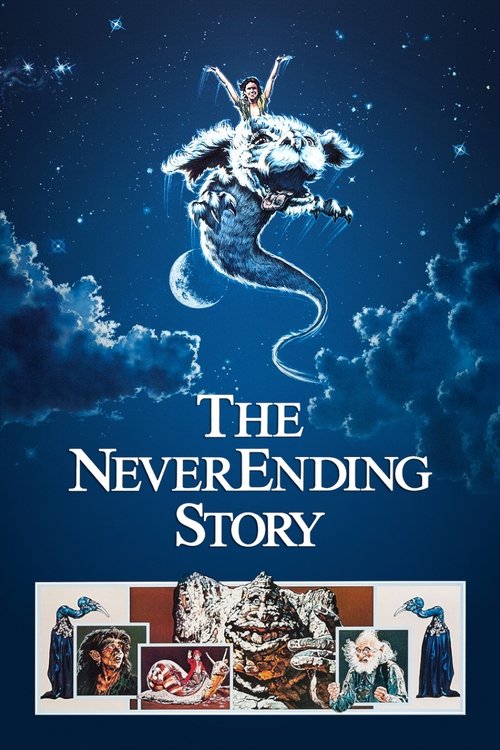
The NeverEnding Story1984
Both films centre on storytelling as an act of moral necessity; this one understands the consequences when stories die in the hearts of those who need them.
A boy escapes into a magical fantasy novel that collapses as readers stop believing in it. It's a direct translation of Andersen's philosophy—that imagination sustains the world—into a modern register, with genuine darkness and emotional intelligence underneath the spectacle.
But It's a children's film that earns its melancholy, which some viewers find bleak rather than uplifting. The practical effects are dated.
People
Cast
 Danny KayeHans Christian Andersen
 Farley GrangerNiels
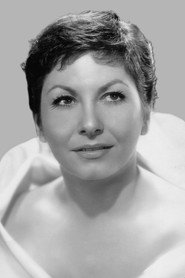 Zizi JeanmaireDoro
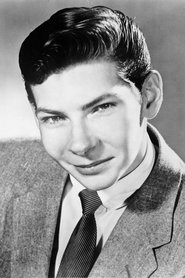 Joseph WalshPeter
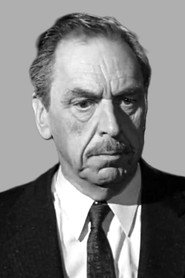 Philip TongeOtto
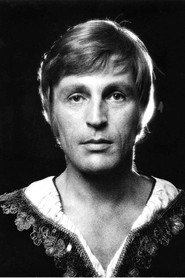 Erik BruhnHussar Dancer
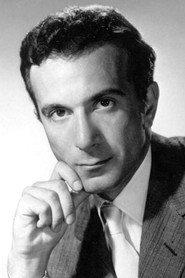 Roland PetitPrince in Ballet
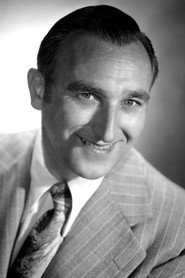 John BrownSchoolmaster
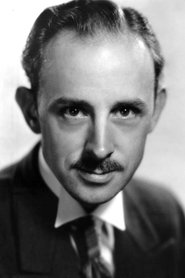 John QualenBurgomaster
- Jeanne LafayetteCeline
- Robert MalcolmStage Doorman
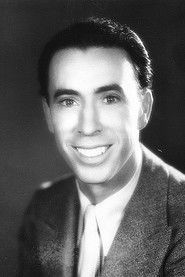 George ChandlerFarmer
Directing
- Charles VidorDirector
Writing
- Moss HartScreenplay
- Myles ConnollyStory
Production
- Samuel GoldwynProducer
Recommended by
Centennial Summer, A Song Is Born, The Bachelor and the Bobby-Soxer, It's Great to Be Young, Three Smart Girls