
Film
Centennial Summer
- Romance
- Light-hearted
A breezy 1946 musical set during Philadelphia's 1876 Centennial Exposition. Two sisters compete for a charming Frenchman's attention while the city prepares its grand celebration. Think light romantic comedy with period costumes, cheerful songs, and the appealing chaos of a family caught up in historical spectacle. Ideal for fans of Technicolor musicals who don't need their entertainment to break a sweat.
Should you watch it?
Watch it if you love old-fashioned Hollywood musicals where the songs arrive as naturally as weather and the romance is played with a sparkle of good-natured rivalry, the kind of picture that trusts its performers to carry a lilting, sunlit story.
Skip it if you need a tight plot or modern pacing, since this one lingers over its numbers and its romantic bickering, and the comedy leans on a gentle, sometimes creaky sense of 1940s charm.
What it asks of you: It runs about an hour and forty minutes at an easy, unhurried clip, asking you to settle in, enjoy the songs as interludes, and accept a cheerful tone rather than heavy stakes.
Not sure? Find tonight's pick in a minute.
If you liked this
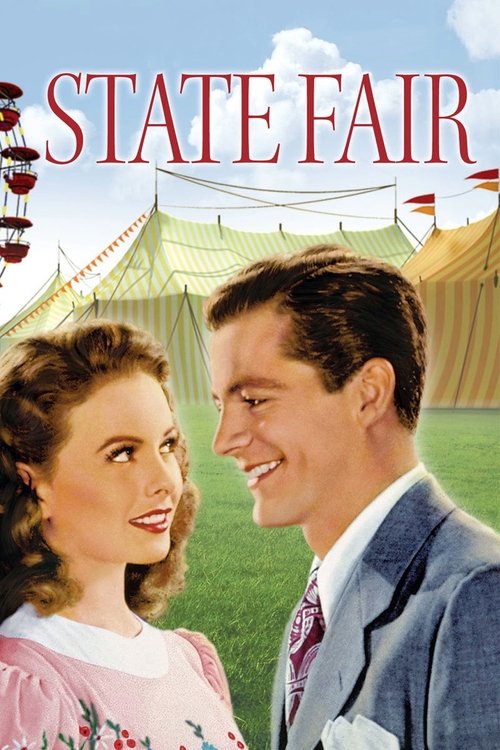
State Fair1945
Rodgers and Hammerstein's exuberant musical about a farm family at the Iowa State Fair. Bursting with infectious energy, gorgeous Technicolor, and the kind of earnest charm that makes you believe in small-town America and falling in love on a Ferris wheel.
But The romantic plotting is thin and the comedy broad. If you need character depth or wit, you'll find the film more saccharine than substantial.
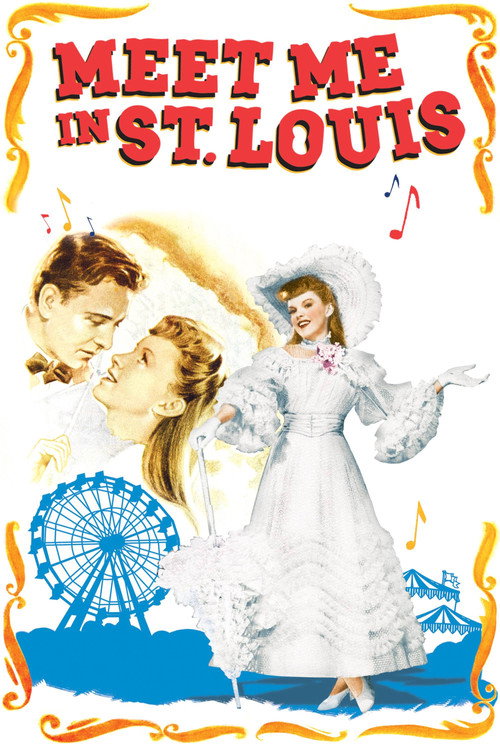
Meet Me in St. Louis1944
Judy Garland leads a magical musical about a St. Louis family during the 1904 World's Fair. It captures the same period spectacle and family warmth as Centennial Summer, with better songs and genuine emotional texture beneath the festivities.
But It moves slowly in places and the romance subplot feels secondary to the family dynamics. Some find it overly sentimental.
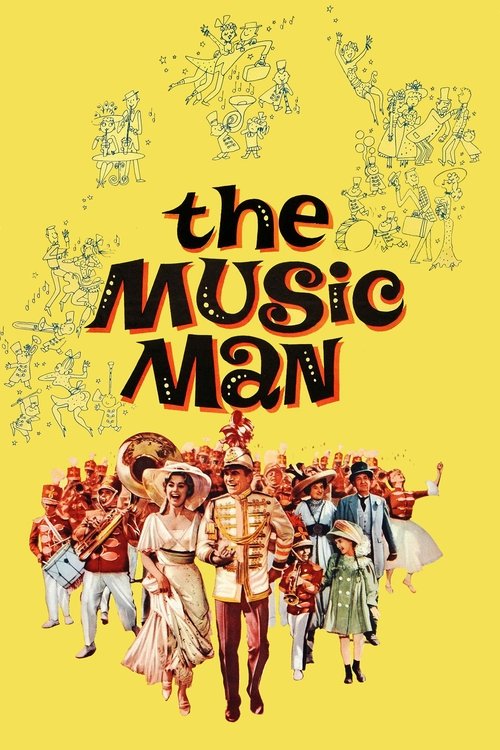
The Music Man1962
A charming Americana musical about a con artist in early 1900s Iowa. Features stellar ensemble work, infectious choreography, and genuine affection for small-town life. Robert Preston is irresistible as the smooth-talking stranger.
But The pacing drags in the middle act and the gender politics are dated. It's also quite long for what is essentially a simple story.
Not sure tonight? Get a pick in a minute, starting from Centennial Summer
The wildcard
Something you would not have found on your own.
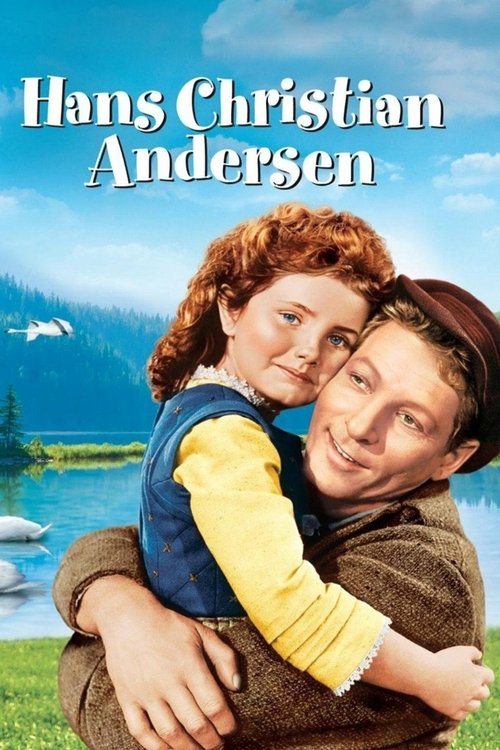
Hans Christian Andersen1952
Both celebrate a historical moment and historical figure through song and spectacle, but Hans Christian Andersen is far more interested in the interior life of its subject—it's a musical with something actually at stake beneath the production numbers.
Danny Kaye as the Danish fairytale writer, a spectacular musical with Frank Loesser's gorgeous score and imaginative fantasy sequences. It's more artistically ambitious than typical Hollywood musicals, blending real biography with elaborate dream sequences and genuine poignancy about loneliness and artistic yearning.
But Kaye's peculiar comedic style won't land for everyone. The film is uneven in tone, lurching between whimsy and sentiment, and some sequences feel overlong.
More like this (8)
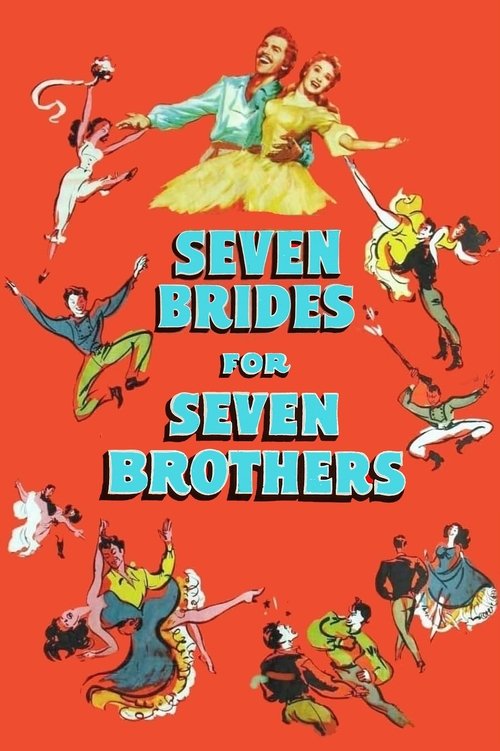
Seven Brides for Seven Brothers1954
A robust, witty musical with genuinely inventive dancing and real chemistry between leads. The comedy has teeth and the spectacle—a barn-raising number—is unforgettable. Far more sophisticated than its premise suggests.
But The courtship at the heart of it involves some troubling dynamics by modern standards. Some viewers find the tone shifts between comedy and darker drama jarring.
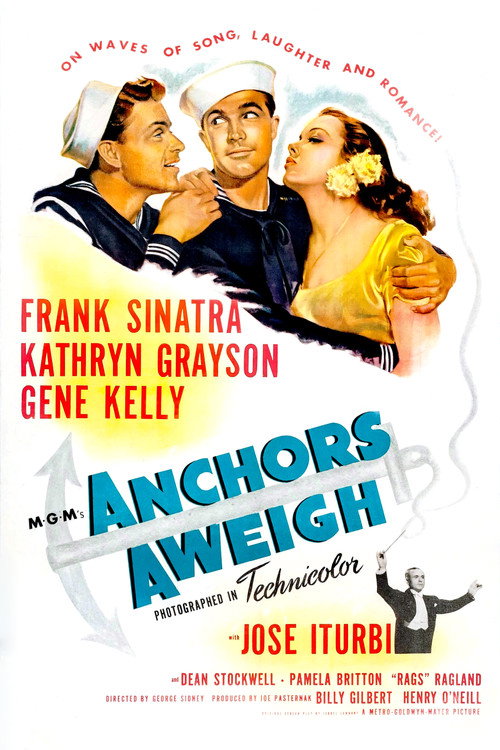
Anchors Aweigh1945
Gene Kelly and Frank Sinatra as sailors on shore leave in Los Angeles. Spectacular dance sequences, warm romantic comedy, and enough musical numbers to keep you engaged. The energy is infectious and Kelly's physicality is astounding.
But The plot is gossamer-thin and exists mainly as scaffolding for musical set pieces. It's pure entertainment, which some find shallow.
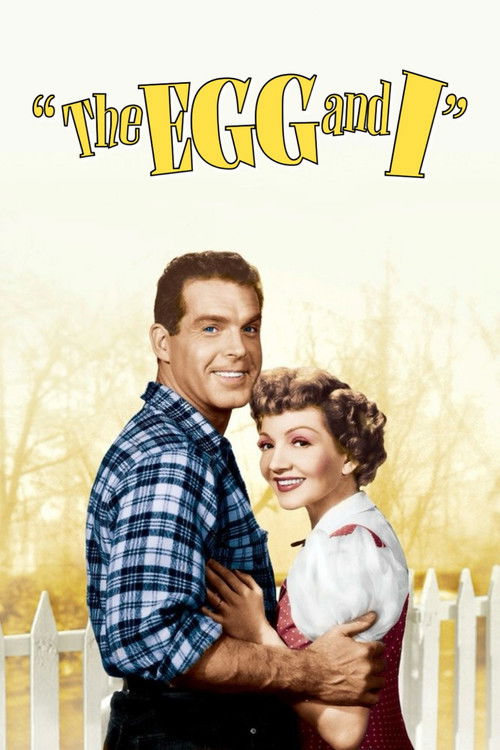
The Egg and I1947
Claudette Colbert and Fred MacMurray in a period romantic comedy set in 1900s Washington State. Light, engaging, and surprisingly observant about marriage and independence. MacMurray's charm is in full flower.
But It's a domestic comedy of a very particular era, heavy on the 'woman taming' narrative. The forward-thinking elements are undermined by its overall view of relationships.
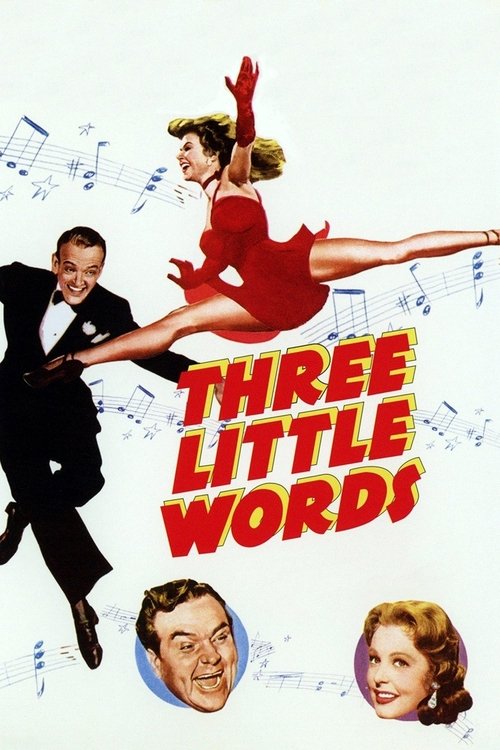
Three Little Words1950
Fred Astaire and Red Skelton as a songwriting duo in early 20th-century New York. Charming backstage musical with excellent dance sequences and genuine warmth between the leads. It's slight but very well-made.
But There's very little dramatic substance. The women exist mainly as romantic objects, and if you don't care about vaudeville history, the references will seem esoteric.
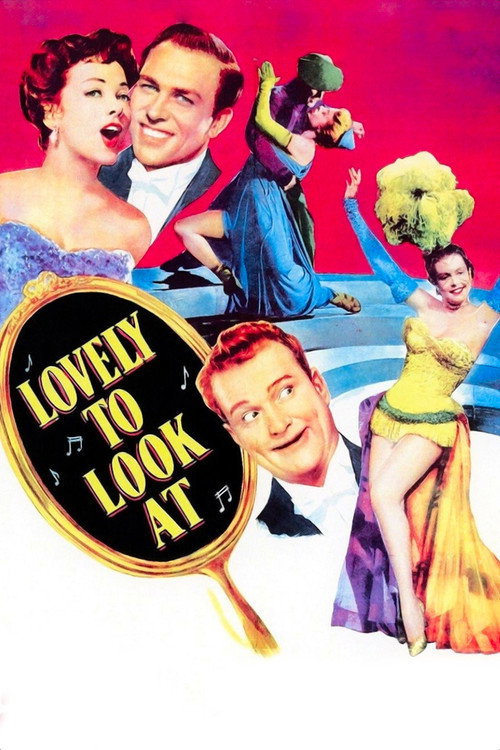
Lovely to Look At1952
A lavish musical about fashion designers in Paris, with stunning Technicolor photography and excellent supporting performers. The fashion show numbers are spectacular and there's genuine wit in the script.
But The plot is thin and the romantic leads lack chemistry. The film relies heavily on spectacle over character, which can feel hollow.
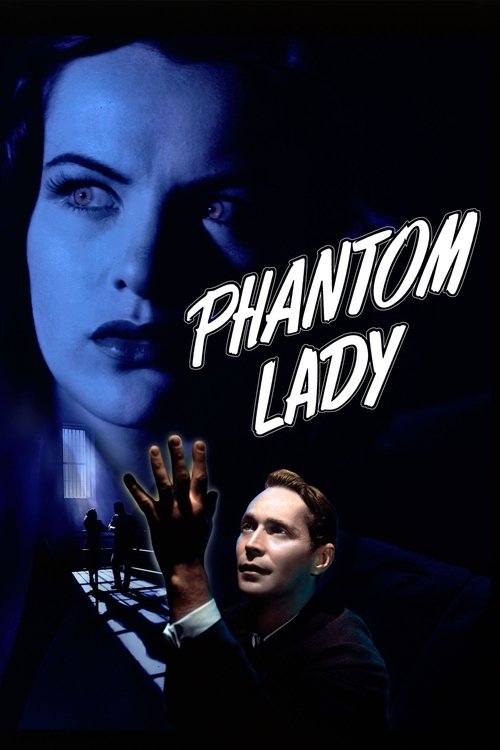
Phantom Lady1944
A stylish film noir about a woman proving her husband's innocence. Sophisticated, suspenseful, and visually gorgeous—it shows the darker, moodier side of 1940s cinema while maintaining genuine intrigue and romance.
But It's a murder mystery that demands attention, not a breezy musical. If you want something as light and unchallenging as Centennial Summer, this will feel like tonal whiplash.
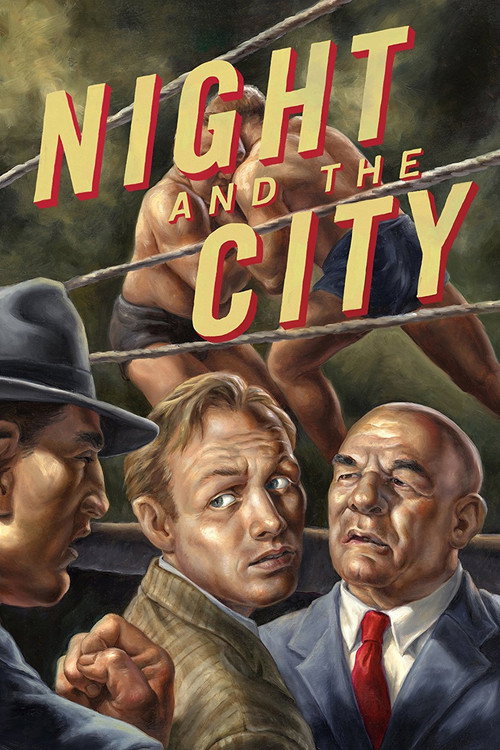
Night and the City1950
Both are 1940s films fascinated by the texture of a specific time and place, but Dassin uses that texture to explore human corruption and desperation rather than period charm.
Jules Dassin's noir masterpiece set in London's underground criminal world. Visually extraordinary, morally complex, and urgently paced. It's a full departure from Centennial Summer's sunlit world, but it shows what 1940s cinema could achieve when it aimed for substance over sentiment.
But It's bleak, violent, and utterly cynical. The hero is a coward and everyone loses. If you want escapism, this will feel punishing.
Singin' in the Rain1952
Like Centennial Summer, it's built around a historical moment and celebrates cinema's joy, but it has a complex view of show business beneath the spectacle—cynicism and idealism in genuine tension, rather than uncomplicated charm.
Gene Kelly, Donald O'Connor, and Debbie Reynolds in perhaps the greatest Hollywood musical ever made. The choreography is revolutionary, the script is witty, and it's genuinely about something—the transition from silent to talking pictures. Pure joy that never sacrifices intelligence.
But It's frequently cited as the best film musical, so the hype is enormous. Some find the opening twenty minutes slow and the romantic plot between Kelly and Reynolds doesn't hold up scrutiny.

People
Cast
 Jeanne CrainJulia Rogers
 Cornel WildePhilippe Lascalles
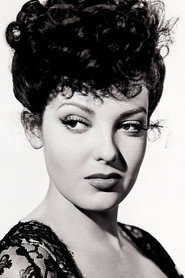 Linda DarnellEdith Rogers
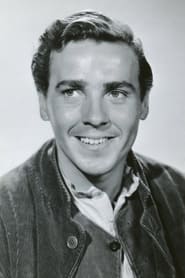 William EytheBen Phelps
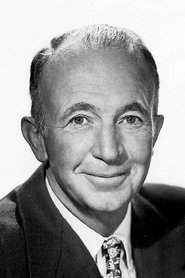 Walter BrennanJesse Rogers
 Constance BennettZenia Lascalles
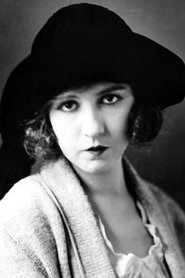 Dorothy GishMrs. Rogers
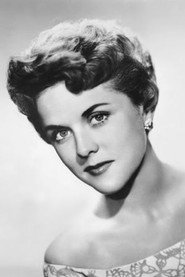 Barbara WhitingSusanna Rogers
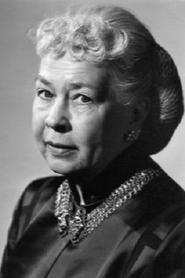 Kathleen HowardDeborah
- Buddy SwanDudley Rogers
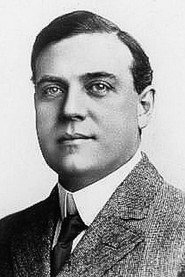 Paul EvertonSenator (uncredited)
- Avon LongSpecialty
Directing
- Otto PremingerDirector
Writing
- Albert E. IdellNovel
- Michael KaninWriter
Production
- Darryl F. ZanuckExecutive Producer
- Otto PremingerProducer
- Gertrude KingstonResearch Assistant
- Frances C. RichardsonResearcher