
Film
Night and the City
Other titles called Night and the City: the 1992 film.
A restless con man in post-war London pursues one last scheme to break into professional wrestling promotion, leaving wreckage in every direction. Shot on cramped, rain-slicked streets, it's a thriller that feels less like crime pulp and more like watching someone dig their own grave in real time. For anyone who loves morally adrift characters and the particular noir mood of a city that offers no escape.
Should you watch it?
Watch it if you love noir where the hustle is the whole engine, a grimy London full of small schemes and bigger desperation, and characters who keep talking themselves into worse decisions with real charm.
Skip it if you want a tidy plot that resolves neatly or a hero you can root for without reservation, since the protagonist is a fast-talking chancer whose bravado keeps running ahead of his luck.
What it asks of you: Ninety-five minutes of tightly wound, talky street-level drama in shadowy black and white, where you have to keep track of who owes whom and pay attention to every deal.
Not sure? Find tonight's pick in a minute.
If you liked this
The Killing1956
Kubrick's controlled dissection of a racetrack heist shows how a perfect plan crumbles when human desperation enters the equation. Same sense of inexorable doom, with every character convincing themselves this time will be different.
But The heist scaffolding can feel dated now, and it's deliberately paced rather than thrilling. Not a movie that races.

In a Lonely Place1950
Bogart's screenwriter is charming, desperate, and capable of terrible things—a portrait of a man whose personality and circumstances have become indistinguishable. Same era, same moral quicksand, same superb noir direction.
But It's claustrophobic and emotionally bleak. The romance isn't redemptive; it's another trap snapping shut.

The Asphalt Jungle1950
Huston's heist template shows crooks as ordinary, tired men pursuing one last score. That same despair underneath the scheming, that sense of the city as a machine that will crush you indifferently.
But It's an ensemble, so no single character gets the intensity of Fabian's unravelling. More procedural than psychological.

Not sure tonight? Get a pick in a minute, starting from Night and the City
The wildcard
Something you would not have found on your own.
The Third Man1949
Both are British noir shot immediately after the war in destroyed cities, using urban decay not as backdrop but as the story's central logic.
Reed's Vienna is as much a character as Fabian's London—a corrupt, physically broken city where no one is who they claim, and trust is immediately weaponized. Both films use the actual geography of post-war wreckage as moral statement.
But It's a spy story with a different rhythm. Smoother, colder. Less interested in the psychology of desperation than in intrigue and betrayal.

More like this (8)
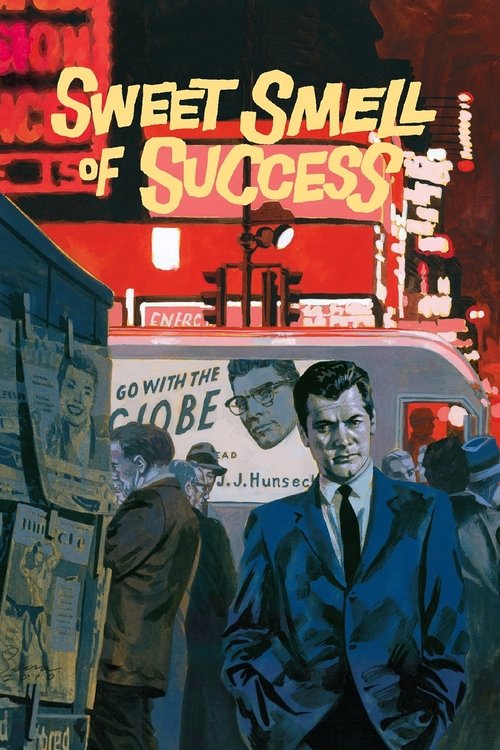
Sweet Smell of Success1957
Another portrait of a man corroded by ambition in a city that rewards ruthlessness. The dialogue is baroque and intoxicating, the moral rot absolute. Fabian as a hustler finds his mirror in this.
But The cynicism is almost parodic. If you want anything resembling hope, look elsewhere.
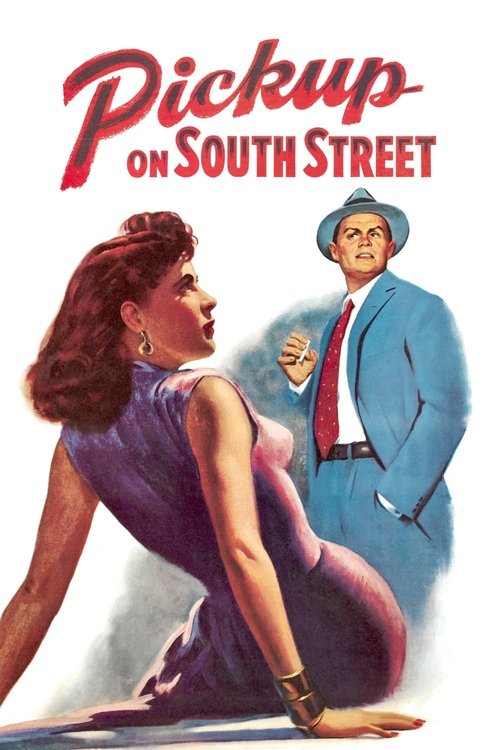
Pickup on South Street1953
Fuller's pickpocket existentialist operates in the same grim post-war urban landscape, stealing and surviving by his wits. Same desperation, same lack of any solid ground to stand on.
But The plot pivots toward Cold War politics, which doesn't always integrate smoothly with the character study at its heart.
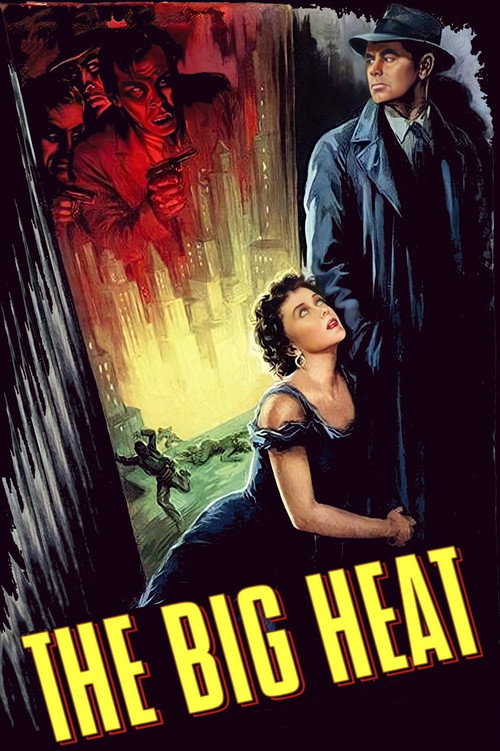
The Big Heat1953
Fritz Lang's ordinary man systematically destroyed by the criminal underworld mirrors Fabian's trajectory in reverse. You'll recognize the same sense of being trapped in a system with no exit.
But It's an action film at heart, and the pacing is more propulsive than introspective. Less psychologically baroque.
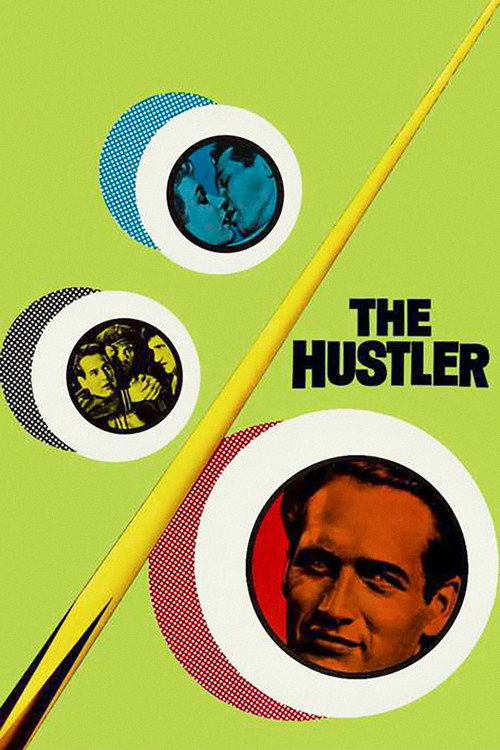
The Hustler1961
Paul Newman's pool player chasing one big win, willing to sacrifice everyone around him for it. That self-destructive mania, that inability to stop, even knowing what it costs.
But It's longer, more meditative, and less about the city as malevolent force. The tone is sadder than it is noir.
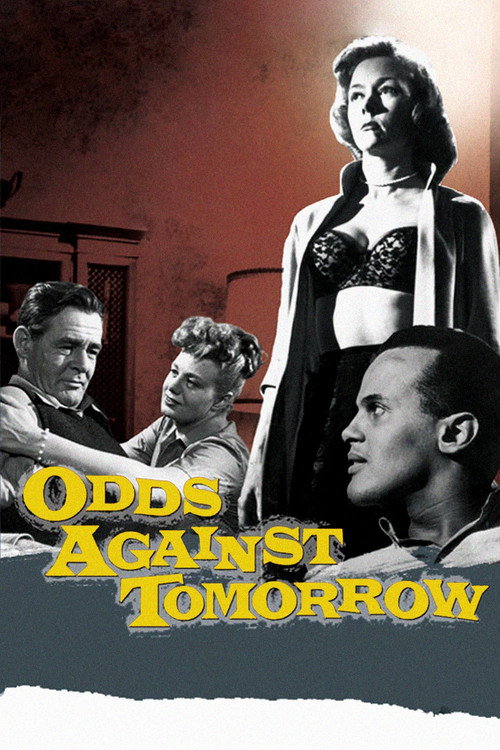
Odds Against Tomorrow1959
Wise's heist film fractures along racial lines, showing men bound together by desperation and mutual contempt. That same sense of a scheme that seems workable until human nature takes over.
But The heist itself takes up less screentime than you'd expect. The interest is entirely in character collision, not plot.
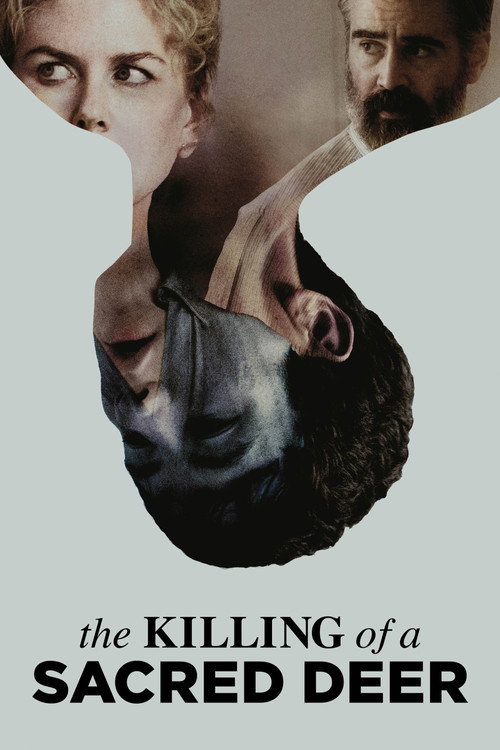
The Killing of a Sacred Deer2017
Lanthimos traps his protagonist in an inescapable moral geometry, where every choice tightens the noose. Not noir, but it has that same relentless logic of consequence that defines Fabian's evening.
But It's deliberately artificial and cold. If you need naturalistic acting and conventional narrative momentum, this will frustrate you.
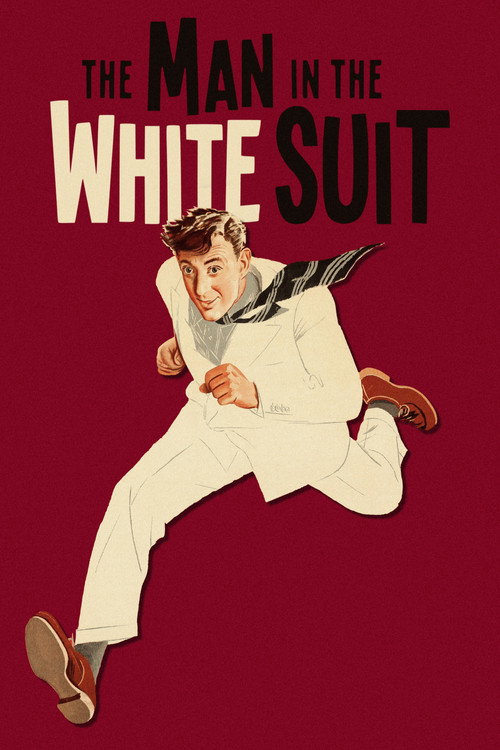
The Man in the White Suit1951
Both protagonists refuse to accept the system's limits and discover that the system protects itself with an absolute viciousness that bypasses law or sentiment.
Ealing's subversive comedy uses an inventor's obsession with a revolutionary fabric to expose how a city's entire machinery mobilizes against anyone who threatens the system. Fabian versus London finds its mirror in Guinness versus everyone else.
But It's funny and light where Night and the City is dark. The moral question is the same, but the tone is almost satirical. You're asking two different questions of your evening.
Bicycle Thieves1948
Both films are post-war European cinema committed to showing how cities destroy the men they contain, using tight, unglamorous visual style to make desperation visible.
De Sica's Rome, like Dassin's London, is a place where ordinary desperation leads to ordinary crime leads to the complete erasure of dignity. An ordinary man, an ordinary need, an ordinary catastrophe—but watched with such terrible clarity that it becomes everything.
But It's from Italian neorealism, not noir. Slower, quieter, more committed to the texture of poverty than to narrative momentum. Some find it unbearably slow.

People
Cast
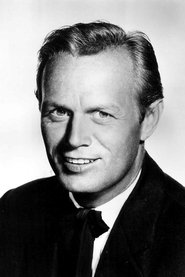 Richard WidmarkHarry Fabian
- Francis L. SullivanPhilip Nosseross
 Gene TierneyMary Bristol
 Googie WithersHelen Nosseross
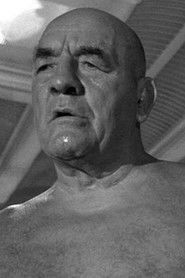 Stanislaus ZbyszkoGregorius
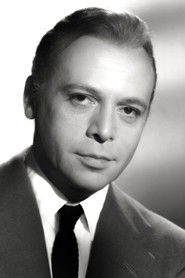 Herbert LomKristo
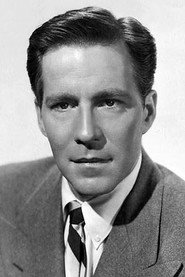 Hugh MarloweAdam Dunn
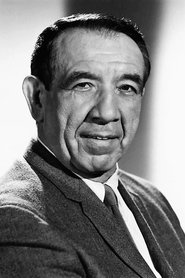 Mike MazurkiThe Strangler
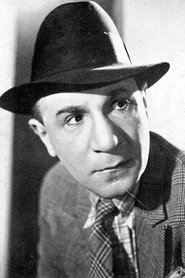 Charles FarrellMickey Beer
 Ada ReeveMolly
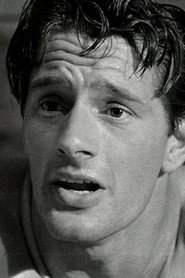 Ken RichmondNikolas
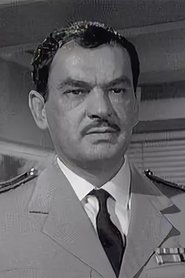 Alan TilvernBeggar (uncredited)
Directing
- George MillsAssistant Director
- Percy HermesAssistant Director
- Peggy McClaffertyContinuity
- Jules DassinDirector
- Anthony HearneFirst Assistant Director
- Douglas HermesSecond Assistant Director
- John StreetSecond Assistant Director
- Jack N. GreenThird Assistant Director
- Peter MullinsThird Assistant Director
Writing
- Gerald KershNovel
- Jo EisingerScreenplay
- Austin DempsterWriter
- William E. WattsWriter
Production
- Bert PearlAssistant Production Manager
- Douglas Fairbanks Jr.Casting
- Weston Drury Jr.Casting
- John JonesCasting Assistant
- Darryl F. ZanuckExecutive Producer
- Samuel G. EngelProducer
- R. E. DearingProducer's Assistant
- Ronald KinnochProduction Manager
- Noreen HipwellProduction Secretary
- Ernest BettsPublicist
- Percy HermesUnit Manager
Recommended by
Panic in the Streets, Cheyenne, The Sandman, Film Stars Don't Die in Liverpool, The Lineup, Centennial Summer, Mauvais Sang, Lorna, The Thief, Atlantic City, The Strange Case of Dr. Manning, The Clouded Yellow, Buchanan Rides Alone, The Guilty