
Film
The Thief
A lean Cold War thriller about a nuclear physicist caught between his treachery and the FBI's closing net. Ray Milland carries the whole thing—paranoid, resourceful, increasingly desperate—through eighty-five taut minutes. It's a film that trusts you to keep up, shot with documentary precision and almost no score. For anyone who loves espionage stories that feel lived-in rather than fantastical.
Should you watch it?
Watch it if you love lean, wordless-feeling 1950s crime films where the suspense comes from a man's nerves and a camera that watches closely, with almost no music to lean on.
Skip it if you need brisk plotting and big set pieces; this one moves in quiet, deliberate stretches and spends much of its running time on a single man's unraveling composure.
What it asks of you: Eighty-five minutes of patience and close attention, with long silences and little dialogue, rewarding anyone willing to stay with its restrained, shadowy rhythm.
Not sure? Find tonight's pick in a minute.
If you liked this
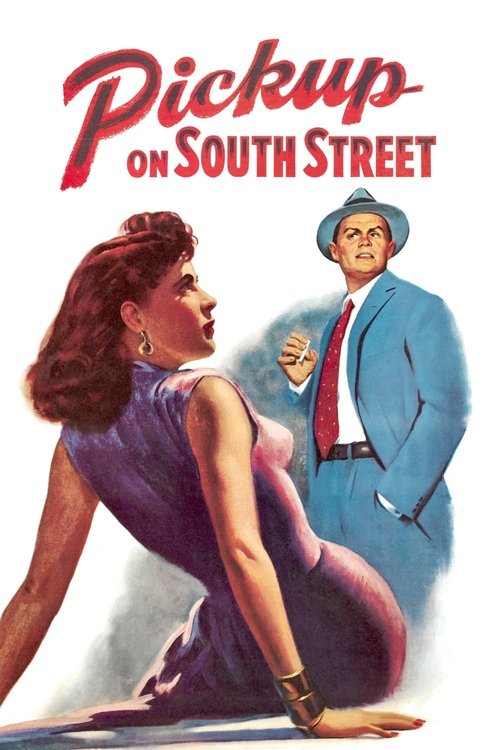
Pickup on South Street1953
Samuel Fuller's New York crime film has the same documentary grit and moral ambiguity as The Thief. Richard Widmark is magnetic as a pickpocket caught between cops and communists in a story that moves like a nervous breakdown.
But It's nearly seventy years old and the anti-communist politics, while complex, can feel period-specific in ways that date it more than The Thief.
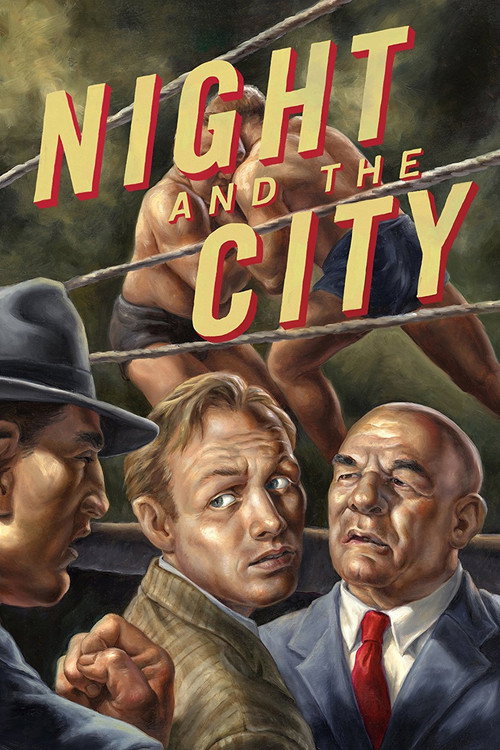
Night and the City1950
Jules Dassin's noir about a small-time hustler hunted through London at night. Same suffocating sense of nowhere to run, same meticulous location shooting, same feeling that the city itself is the real antagonist.
But It's slower than modern thrillers and relies entirely on mood and atmosphere. If you need constant plot movement, you'll fidget.
The Killers1946
Robert Siodmak's masterpiece unfolds with the same clinical precision as The Thief. Burt Lancaster's boxer is trapped by his own mistakes; the film dissects his fall with near-surgical clarity and gorgeous black-and-white cinematography.
But The narrative structure is fragmented and shifts perspective. Some find it confusing; others find that's the whole point.

Not sure tonight? Get a pick in a minute, starting from The Thief
The wildcard
Something you would not have found on your own.
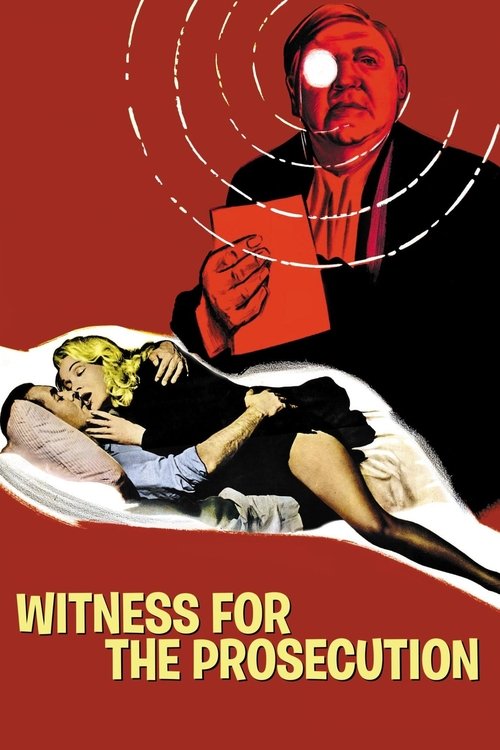
Witness for the Prosecution1957
Both explore how proximity to truth—whether you're hiding from it or confronting it—destroys the protagonist. In The Thief, running. In Witness, confessing.
Billy Wilder's courtroom thriller is structurally the inverse of The Thief: instead of a guilty man on the run, it's a guilty man on trial, forced into the open where all his secrets are weaponized against him. Both are about men unable to escape their own nature.
But It's a courtroom drama, not a chase film, so the rhythm is entirely different. If you came for the paranoia and movement of The Thief, this sits still.
More like this (8)
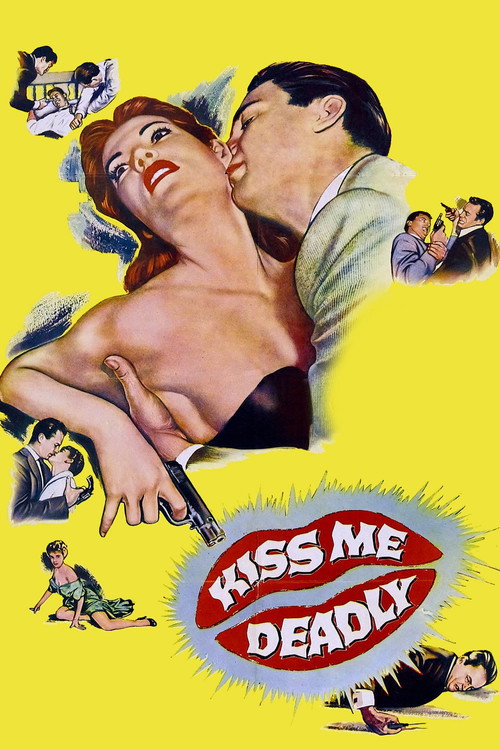
Kiss Me Deadly1955
Robert Aldrich's atomic-age noir with Mike Hammer digging into secrets that get people killed. The paranoia about nuclear anxiety permeates every frame, and it's shot with the same cold, unflinching eye as The Thief.
But It's baroque and violent in ways The Thief isn't. The ending is bleak and strange, and the politics are deliberately murky in a way that frustrates some viewers.
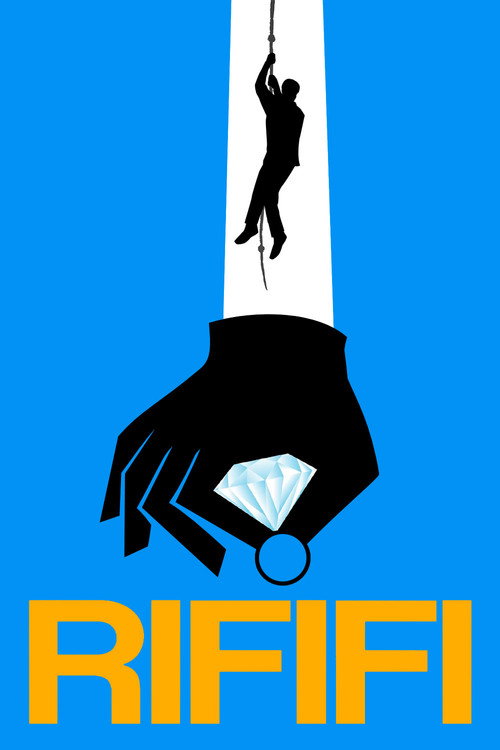
Rififi1955
Jules Dassin again, but now it's a heist film with a twenty-minute sequence of pure cinema—no dialogue, just bodies moving through space and light. The precision and tension are identical to what makes The Thief work.
But It's French and the pacing is deliberate. If you're expecting Oceans Eleven energy, you'll be disappointed.
The Asphalt Jungle1950
John Huston's ur-heist film, structured like a machine that builds to inevitable failure. Sterling Hayden and Sam Jaffe are magnificent as the men caught in the plan's collapse. It invented the template, and it's never been surpassed.
But It's slower than its influence suggests, and some of the subplot material around side characters feels dated.

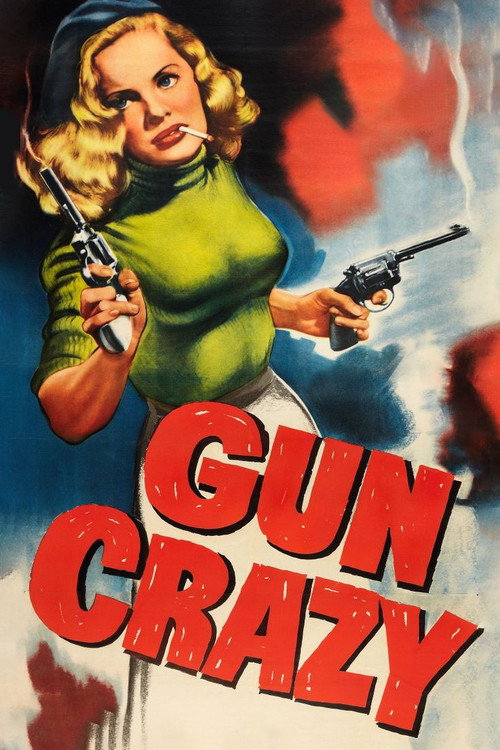
Gun Crazy1950
Joseph H. Lewis made a lovers-on-the-run film with the kinetic energy of someone reinventing cinema on a shoestring. Peggy Cummins is fearless. It has the same lean efficiency and moral complexity as The Thief.
But It's brief to the point of seeming slight on first viewing. The romance angle might feel like it dilutes the crime story you're expecting.
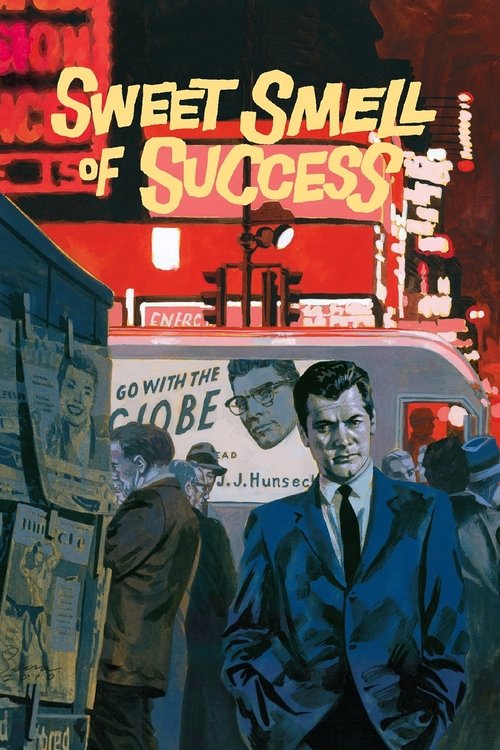
Sweet Smell of Success1957
Alexander Mackendrick's masterpiece about a gossip columnist and a press agent locked in mutual destruction. The dialogue is intoxicating, the nighttime New York is claustrophobic, and the moral rot is absolute.
But It's baroque and theatrical in a way The Thief isn't. The sexuality subtext is coded in ways that might confuse modern viewers; some find it pretentious.
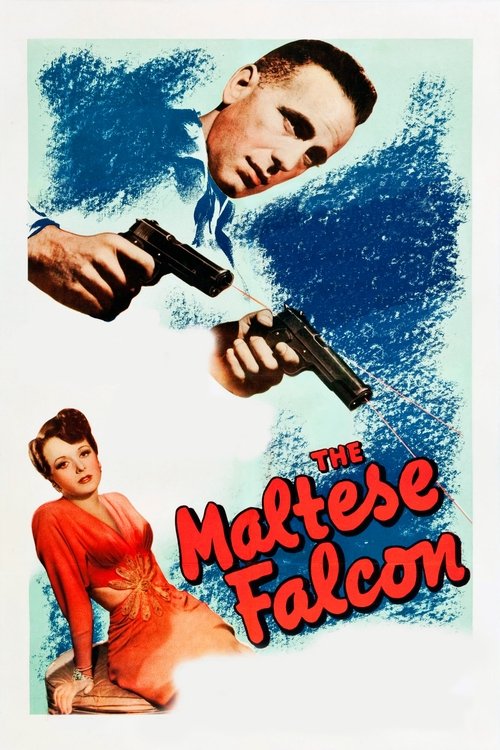
The Maltese Falcon1941
John Huston's debut—Humphrey Bogart as Sam Spade, chasing an object that destroys everyone who touches it. It's the grandfather of the form, and it has that same sense of people trapped by circumstance and their own nature.
But It's the most famous film noir ever made. If you're coming to it for the first time expecting revelation, you might find it feels familiar because everything copies it.
The Third Man1949
Both are about the moment when you realize the person you trusted is a stranger, and how that realization doesn't save you—it just makes things worse.
Carol Reed's Vienna-set masterpiece has the same atmosphere of trust destroyed and betrayal weaponized, but it's a far grander production—Orson Welles, Trevor Howard, zither score, that famous ferris wheel. Yet underneath, it's just as much about a man chasing someone who was never who he thought.
But It's long, operatic, and deeply romantic in its melancholy. The Thief is lean; this one luxuriates. Some find the aesthetic gorgeous; others find it overwrought.

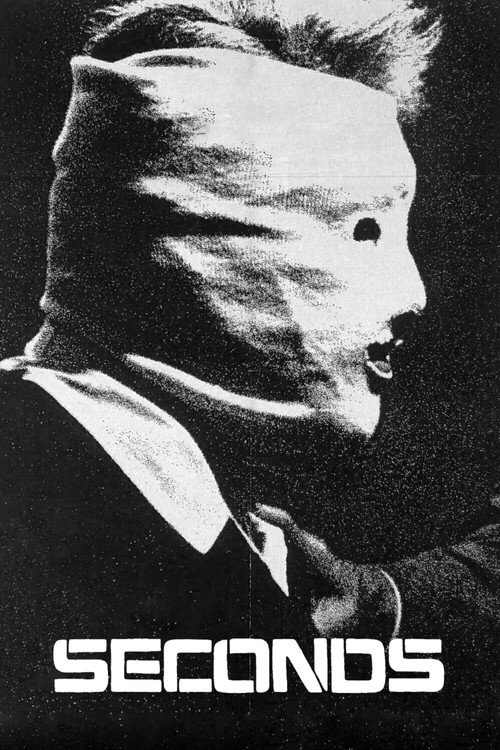
Seconds1966
Both use physical flight as the surface of a deeper psychological trap. The real prison in The Thief is internal; Seconds makes that literal and horrifying.
John Frankenheimer's nightmare about a man who gets a second chance and discovers you can't escape yourself—you just become a stranger to yourself instead. It's paranoid, it's strange, and it locates the same horror The Thief does: that there's no running from who you are.
But It's visually experimental and deeply unsettling in a way that feels almost Kafkaesque. The ending is bleak. It's also in black-and-white and shot in a disorienting style that puts some people off immediately.
People
Cast
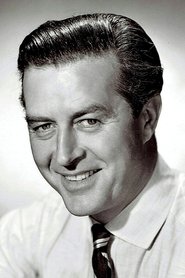 Ray MillandAllan Fields
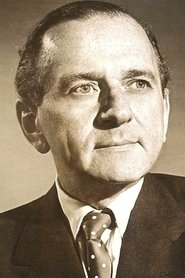 Martin GabelMr. Bleek
- Harry BronsonHarris
- Rita ValeMiss Philips
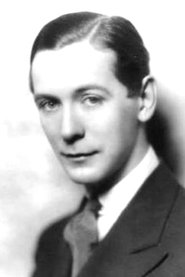 Rex O'MalleyBeal
 Rita GamThe Girl
- John McKutcheonDr. Linstrum (uncredited)
- Joe ConlinWalters (uncredited)
Directing
- Leon ChooluckAssistant Director
- Robert G. StoneAssistant Director
- Russell RouseDirector
Writing
- Clarence GreeneWriter
- Russell RouseWriter
Production
- Harry M. PopkinExecutive Producer
- Clarence GreeneProducer
- Winston JonesProducer's Assistant
- Maurie M. SuessProduction Supervisor