
Film
The Big Heat
Fritz Lang's lean, vicious noir is what happens when a decent cop finds out the town he protects is rotten from the mayor's office down. Glenn Ford plays fury with a flat, terrifying calm; Gloria Grahame steals the picture as the moll who pays for everyone else's sins. Eighty-nine minutes, no fat, no mercy — justice costs plenty when you do it yourself.
If you liked this
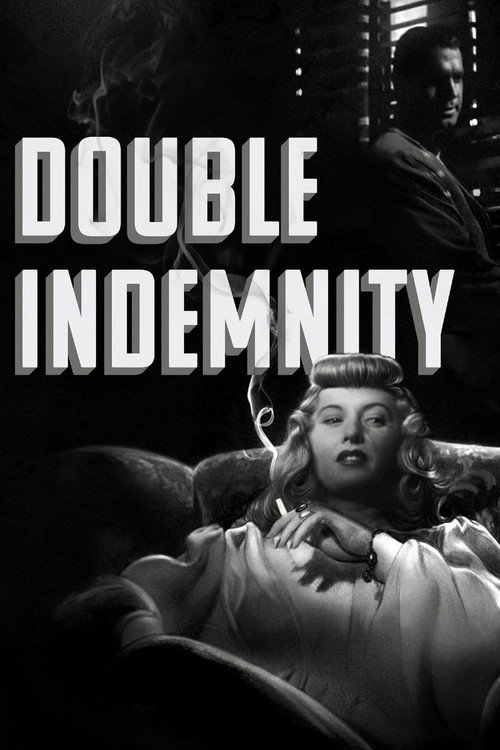
Double Indemnity1944
The blueprint noir — a murder plot narrated by a man already dead inside the moment he agreed to it. Same moral corrosion, same sense everyone's complicit.
But Slower and talkier, more seduction than violence — if you wanted Bannion's fists, this is voiceover and insurance jargon.
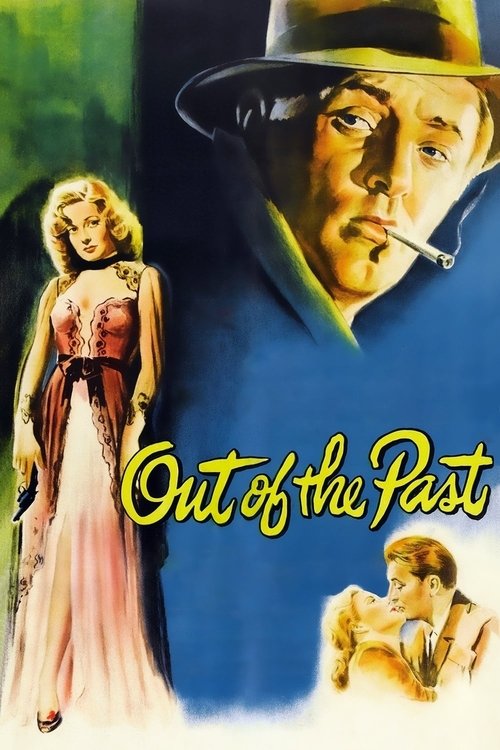
Out of the Past1947
Robert Mitchum's private eye can't outrun a woman or his own past, in the noir that basically invented "you can't get clean." Gorgeous and doom-soaked.
But The plot folds back on itself more than once — lose focus for a minute and you'll lose the thread entirely.
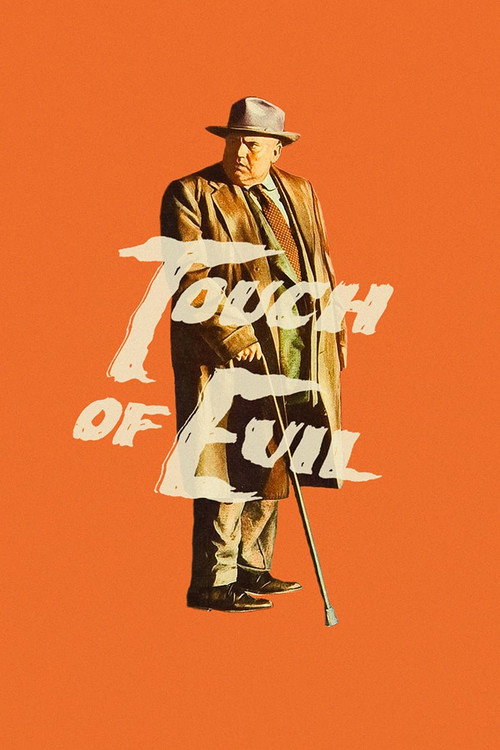
Touch of Evil1958
Orson Welles turns border-town corruption baroque and nightmarish, with an opening shot alone worth the ticket. Cops as bent as the crooks they chase.
But Welles in heavy makeup as a Mexican detective plays badly today, and the plot sprawls further than Lang's tight machine.
The wildcard
Something you would not have found on your own.
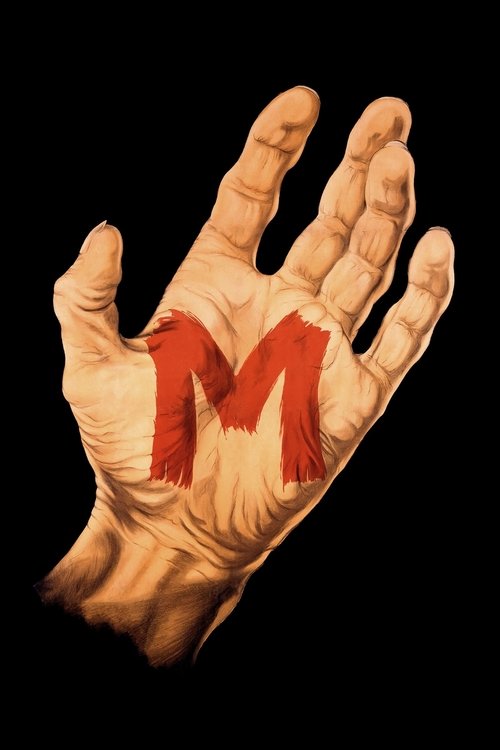
M1931
Same director, same obsession — institutions curdling under pressure to find a monster — except here Lang puts you inside the mob doing the hunting instead of the cop doing the avenging.
Lang's own silent-into-sound masterpiece, made twenty years before Bannion ever picked up a phone — a city so desperate for justice that police and criminals join forces to hunt a killer.
But German Expressionist pacing and a child-murder plot make this a heavier, slower watch — not entertainment in the same key at all.
More like this (8)
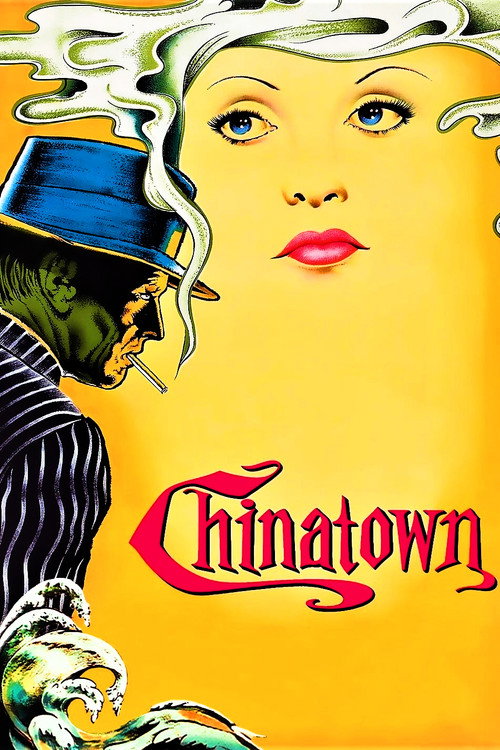
Chinatown1974
The genre's darkest inheritor — a detective pulling one thread of corruption only to find it attached to everything, including himself.
But Ends about as bleakly as a film can end; if you want catharsis afterward, this isn't it.
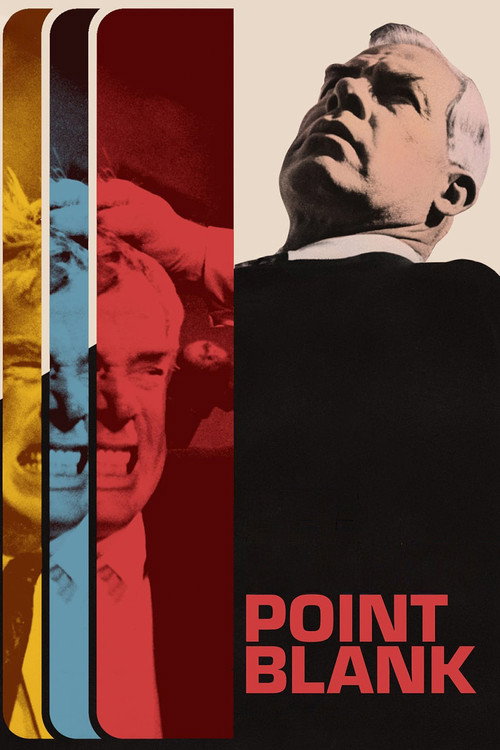
Point Blank1967
Lee Marvin, this time carrying the grudge, walks through a criminal organization like a wrecking ball in a nice suit. Cold, stylish, brutally efficient.
But Fractured, jazzy editing trades plot clarity for mood — a very different rhythm from Lang's straight line.
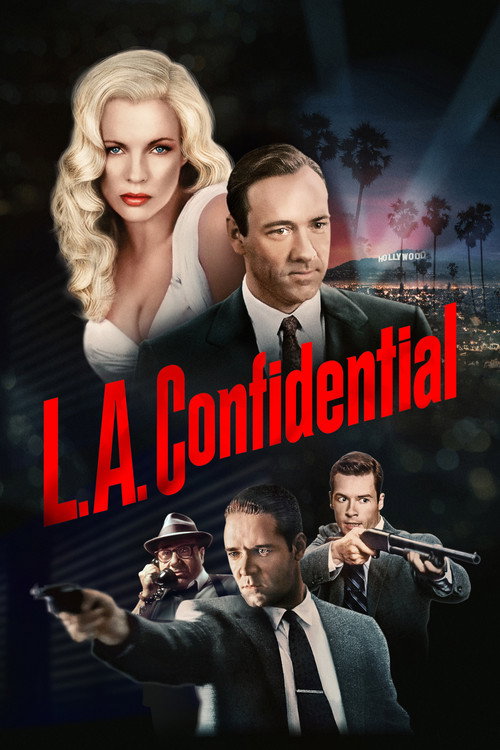
L.A. Confidential1997
Three cops, one city eaten alive by its own police force — the modern heir to Bannion's world, with the scale a bigger budget buys.
But Twice the runtime and three times the plot; it wants your full attention where The Big Heat asks for less.
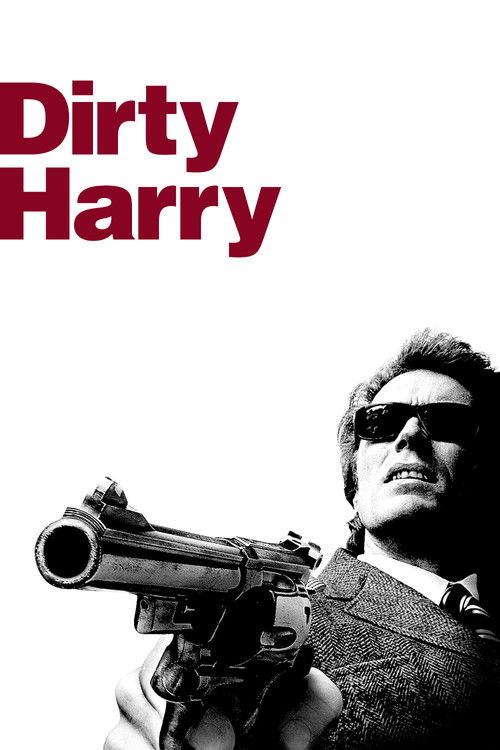
Dirty Harry1971
The vigilante-cop lineage, twenty years on and considerably louder — a lawman deciding the rules don't apply to men who don't deserve them.
But Politically messier and far more comfortable with its own righteousness than Lang ever allowed himself to be.
The Untouchables1987
A lawman assembles a crew to take down an organization that owns the city — same shape, Brian De Palma's opera instead of Lang's austerity.
But Broader and more heroic, with a score and set-pieces that announce themselves; subtlety isn't the point here.
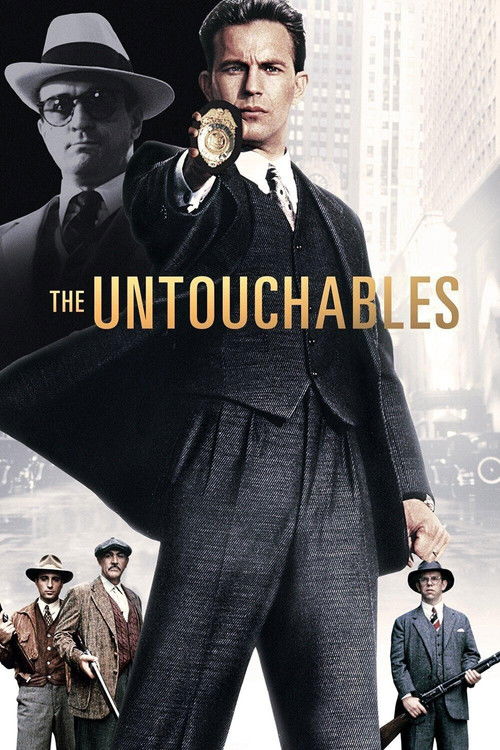
The Asphalt Jungle1950
John Huston's heist noir sits one rung down the same corrupt ladder — cops, crooks and everyone between all owed something by someone worse.
But Told from the criminals' side rather than the cop's, so the moral geometry runs in the opposite direction.
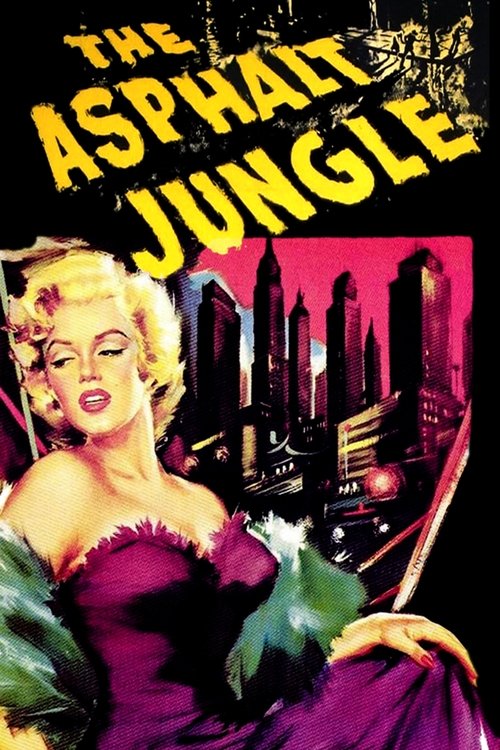
Oldboy2003
Same machine — righteous fury turning a man into the thing he's hunting — rebuilt as pulpy, maximalist genre spectacle instead of Lang's clipped realism.
Park Chan-wook takes the revenge engine and floors it — a man locked away for fifteen years gets loose and starts working through a list, with a style Lang couldn't have shown in 1953.
But Genuinely brutal and twisted in ways you won't see coming; if The Big Heat's violence already unsettled you, this goes much further.
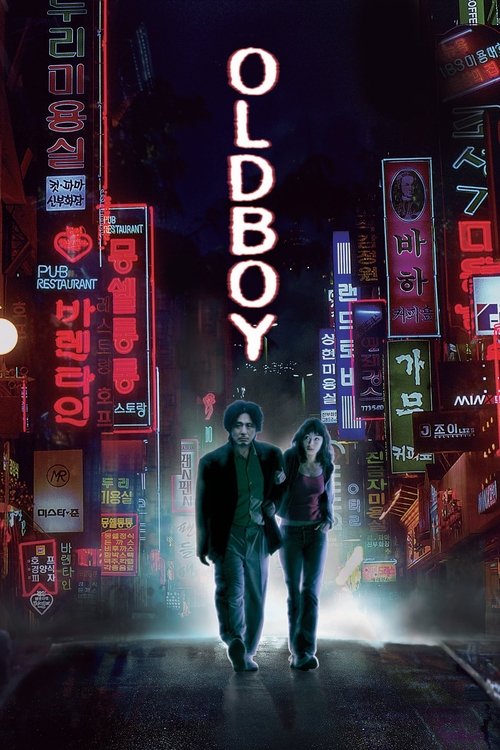
The Thin Blue Line1988
Where Lang dramatizes a cop discovering corruption, Morris documents it for real, using recreated crime footage to make you feel the same dread of institutions failing the people inside them.
Errol Morris's documentary about a wrongful murder conviction in Texas carries the same interrogation-room dread and shows what "the system is rotten" looks like when it isn't fiction.
But No shootouts, no Gloria Grahame wit — just patient, damning interviews and a slow-burning, very real kind of tension.
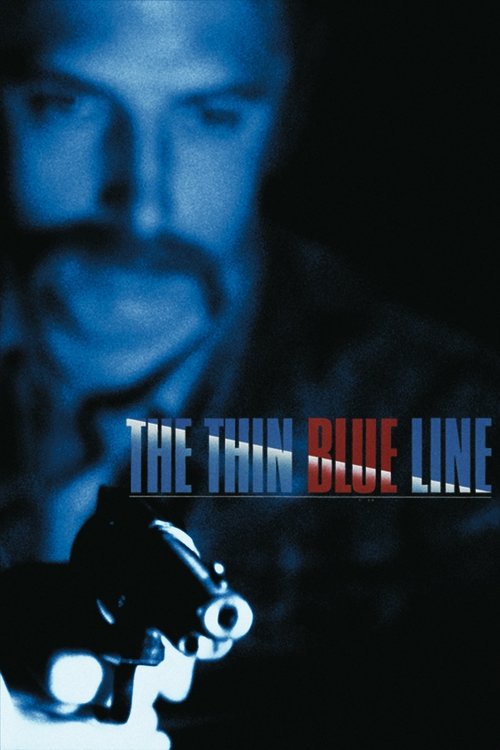
People
Cast
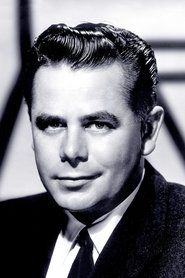 Glenn FordDet. Sgt. Dave Bannion
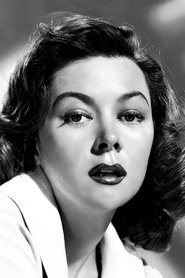 Gloria GrahameDebby Marsh
 Jocelyn BrandoKatie Bannion
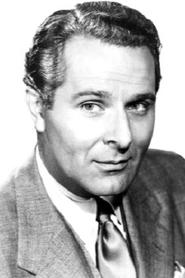 Alexander ScourbyMike Lagana
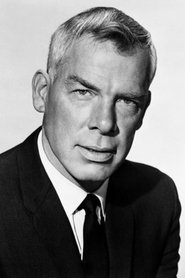 Lee MarvinVince Stone
 Jeanette NolanBertha Duncan
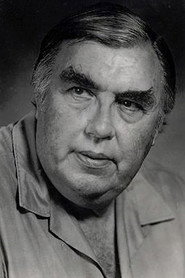 Peter WhitneyTierney
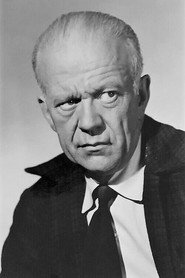 Willis BoucheyLt. Ted Wilks
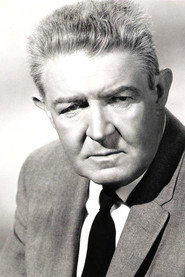 Robert BurtonDet. Gus Burke
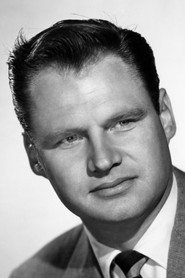 Adam WilliamsLarry Gordon
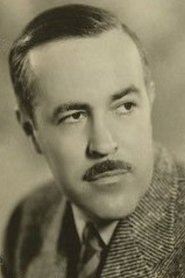 Howard WendellPolice Commissioner Higgins
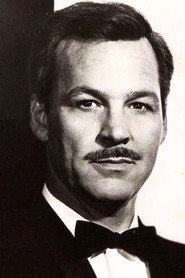 Chris AlcaideGeorge Rose
Directing
- Milton FeldmanAssistant Director
- Fritz LangDirector
Writing
- William P. McGivernOriginal Story
- Sydney BoehmScreenplay
Production
- Robert ArthurProducer