
Film
Kansas City Confidential
A lean 1952 noir where an innocent man, freshly released from prison, must hunt down the criminals who pinned an armored car heist on him. It's taut and paranoid—trust dissolves in every scene—with the kind of crisp black-and-white cinematography that makes every shadow count. For anyone who loves crime procedurals where the protagonist has everything to lose and nowhere safe to turn.
Should you watch it?
Watch it if you love lean 1950s noir where a wrongly accused man hustles through seedy streets and a tight, cold-blooded heist plot, with mood doing more work than dialogue.
Skip it if you need modern pacing or characters with psychological depth; this is an economical programmer with stock types and a plot that leans on coincidence and genre convention.
What it asks of you: A hundred minutes of brisk, unfussy momentum with little breathing room; you give it steady attention and accept some convenient timing.
Not sure? Find tonight's pick in a minute.
If you liked this
The Killing1956
Kubrick's heist masterpiece about a racetrack robbery told in fractured, interlocking timelines. Tense, stylish, and full of the same paranoia and double-crosses that make Kansas City Confidential crackle.
But The fragmented narrative structure can feel mannered on first viewing, and the pacing occasionally stops to let you catch your breath when you'd rather it kept moving.

The Asphalt Jungle1950
The blueprint for every heist film that followed. Gritty, unglamorous, focused on the mechanics of crime and the flawed men who attempt it. Essential viewing if you love noir with real weight.
But At nearly two hours, it moves methodically—there's little action, mostly scheming and character study, which some find slow.

In a Lonely Place1950
Humphrey Bogart as a man suspected of murder, watching his life collapse under false accusation. It has the same claustrophobic dread as Kansas City Confidential, plus stunning direction from Ray.
But It's darker and more psychologically bruising than a typical noir; the film doesn't offer catharsis, only damage.

Not sure tonight? Get a pick in a minute, starting from Kansas City Confidential
The wildcard
Something you would not have found on your own.
The Third Man1949
Both are about wronged men navigating cities full of liars; both use the urban landscape as a character that works against the protagonist.
Carol Reed's Vienna-set masterpiece about a man unraveling a conspiracy around a mysterious figure. It has the same architecture: an innocent person pursuing truth through a city of lies, where every ally might be an enemy.
But It's a British production with a slower, more literary pace than American noir, and the zither score divides viewers sharply.

More like this (7)
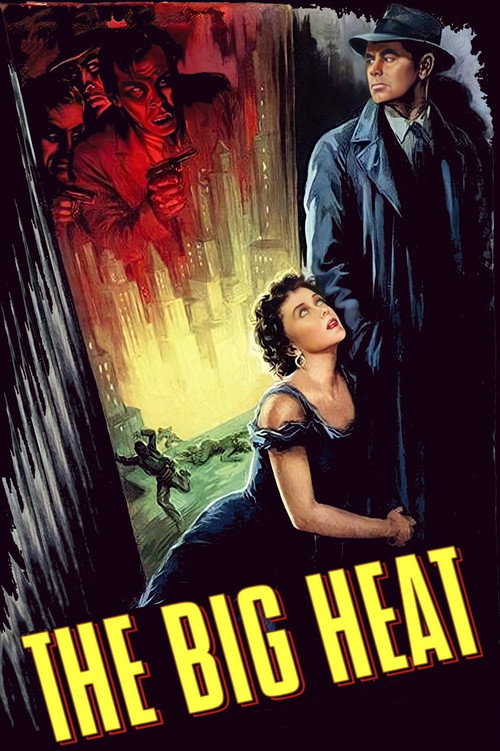
The Big Heat1953
Fritz Lang's masterpiece of revenge: a cop falsely framed for murder who goes outside the law to find the real culprits. Raw, brutal, and visually stunning—pure Lang paranoia.
But The violence escalates into genuinely disturbing territory, and the femme fatale subplot feels like it belongs to a different film.
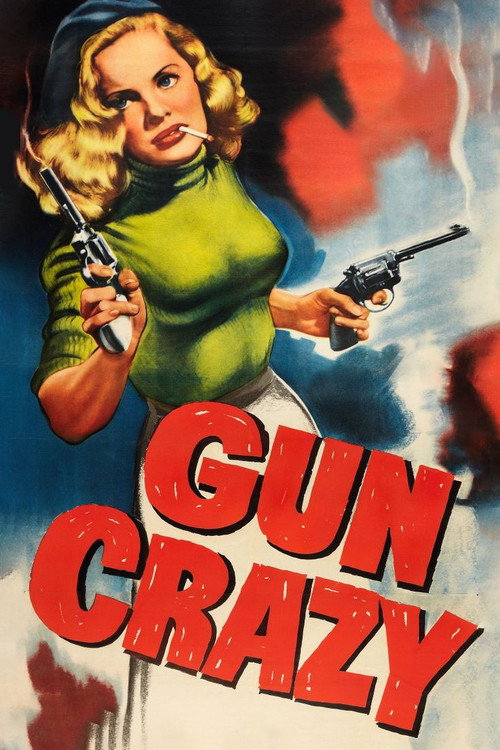
Gun Crazy1950
A bullet-fast lovers-on-the-run crime spree that influenced Bonnie and Clyde. It has the same propulsive energy and moral recklessness, shot with real verve on a modest budget.
But It's slight compared to the noirs around it, more pulp than tragedy—some find the romantic angle undercuts the crime story.
The Killers1946
Siodmak's masterpiece of fatalism: a boxer marked for death investigates why. It has the same element of a man trying to unravel a conspiracy that's already decided his fate.
But It's been remade and referenced so often that the innovations feel familiar now, even though this is where they came from.

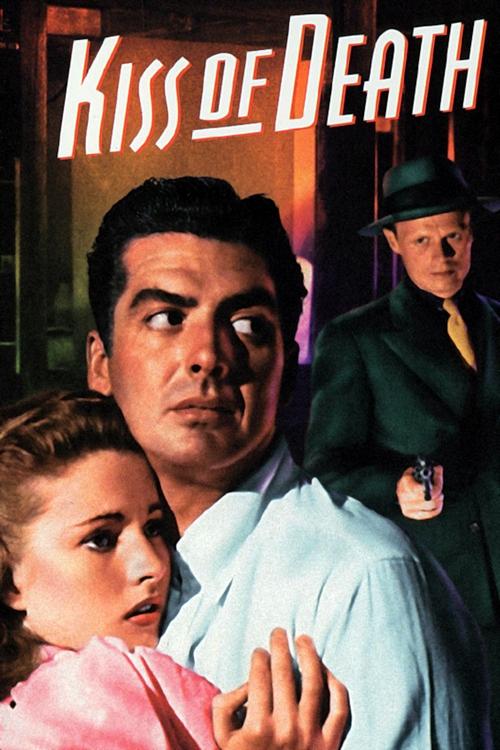
Kiss of Death1947
A rare film noir where an innocent man must work with authorities and criminals simultaneously to survive. Richard Widmark is unforgettable as a psychotic killer, and the moral compromises pile up.
But The middle section drags as it shifts focus from the protagonist to police procedure; the pacing becomes uneven.
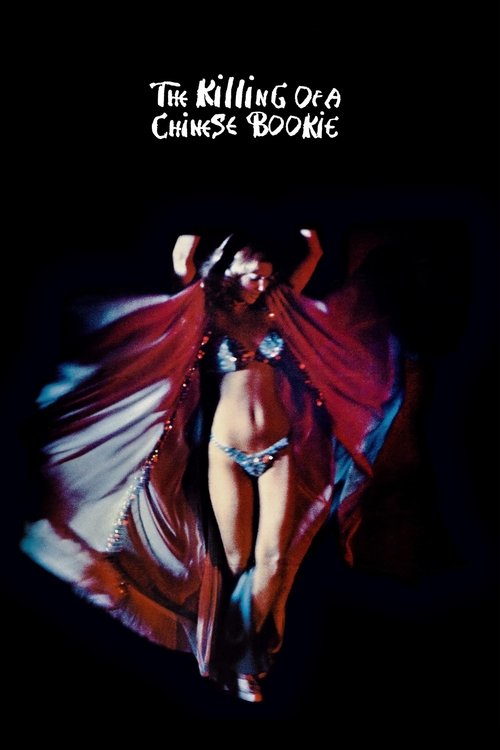
The Killing of a Chinese Bookie1976
Cassavetes' fevered, intimate take on a man in debt to the mob. It's an outlier that shares Kansas City Confidential's portrait of an ordinary guy crushed by circumstance.
But It's deliberately unglamorous and repetitive; Cassavetes' improvisational style means long, rambling scenes that test patience.
Rififi1955
Both are lean crime procedurals about the mechanics of theft and deception, told with style but without sentimentality.
A French heist film with a legendary 30-minute silent robbery sequence. It's technically dazzling and morally cold in ways that influenced every crime film after it, including the American noirs.
But It's European pacing in a very deliberate style; the emotional stakes feel distant, and some scenes feel like watching a technical demonstration.

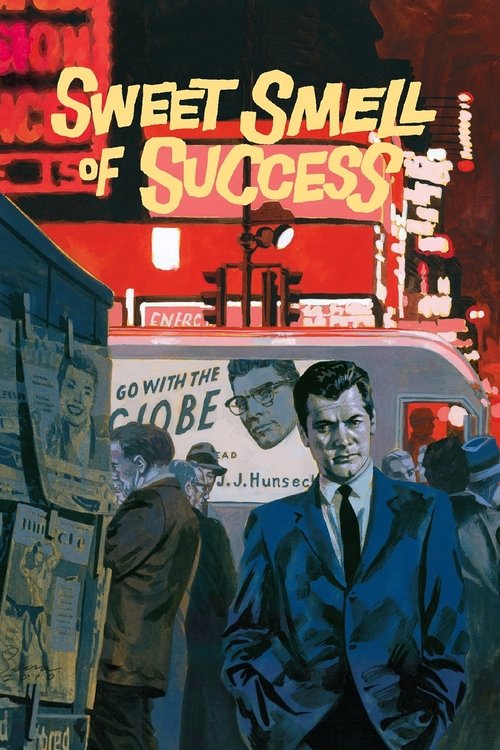
Sweet Smell of Success1957
Both films are about desperate men trying to navigate systems rigged against them by people with more power; both are about the cost of pursuing the truth in a corrupted world.
A corrosive Broadway noir about a failed press agent trying to destroy a gossip columnist. The dialogue is vicious and poetic; it's noir that knows exactly how corrupt its world is and luxuriates in it.
But The cynicism is almost totalizing—every character is contemptible—and the misogyny, while period-accurate, is deeply uncomfortable.
People
Cast
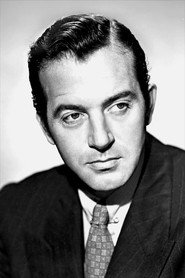 John PayneJoe Rolfe
 Coleen GrayHelen Foster
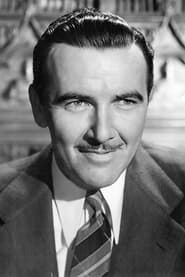 Preston FosterTim Foster
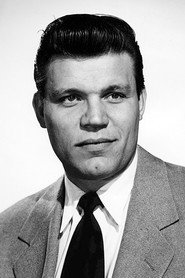 Neville BrandBoyd Kane
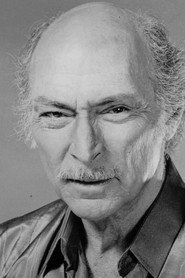 Lee Van CleefTony Romano
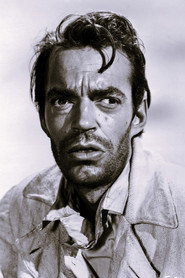 Jack ElamPete Harris
 Dona DrakeTeresa
- Mario SilettiTomaso
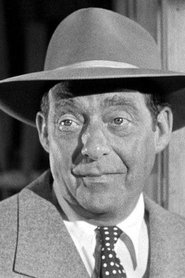 Howard NegleyAndrews
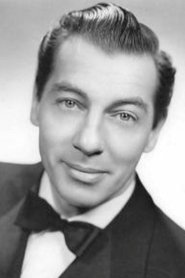 Carleton YoungMartin
- Don OrlandoDiaz
- Ted RyanMorelli
Directing
- Ralph E. BlackAssistant Director
- Phil KarlsonDirector
Writing
- George BruceScreenplay
- Harry EssexScreenplay
- Harold GreeneStory
- Rowland BrownStory
Production
- Les NettenstromAssistant Production Manager
- Edward SmallProducer
- Ben HershProduction Supervisor