
Film
The Racket
A 1951 noir where an honest cop fights organized crime in a city run by corruption. Robert Mitchum brings weary determination to the role, while the film crackles with the procedural detail and moral clarity that defined early-fifties crime thrillers. Taut, cynical, and designed for viewers who like their heroes compromised but unbreakable.
Should you watch it?
Watch it if you love lean, cynical postwar crime pictures where corruption is a daily routine and the honest cop is more stubborn than heroic, shot in moody black-and-white with a sharp edge.
Skip it if you need a fast-moving plot or modern pacing, since this 1951 film is talky, stagey in places, and leans on dialogue and political wrangling more than on action set pieces.
What it asks of you: It runs a brisk 88 minutes but asks you to stay with long conversations in smoky rooms, and to accept that its tone is grim and unsentimental from start to finish.
Not sure? Find tonight's pick in a minute.
If you liked this
In a Lonely Place1950
Humphrey Bogart as a volatile screenwriter suspected of murder; a masterpiece about isolation and how suspicion corrodes even the innocent. Bracingly dark and psychologically precise.
But The romance subplot feels dated, and Bogart's volatility can overshadow the mystery. Demands patience with mid-century pacing.

The Killing1956
Kubrick's heist film dissects a racetrack robbery across fractured timelines. Mitchum reunites with the procedural-crime mood here, but told with fractured brilliance and desperate urgency.
But The non-linear structure can feel confusing on first watch. Ends in bleakness that some find punishing rather than cathartic.

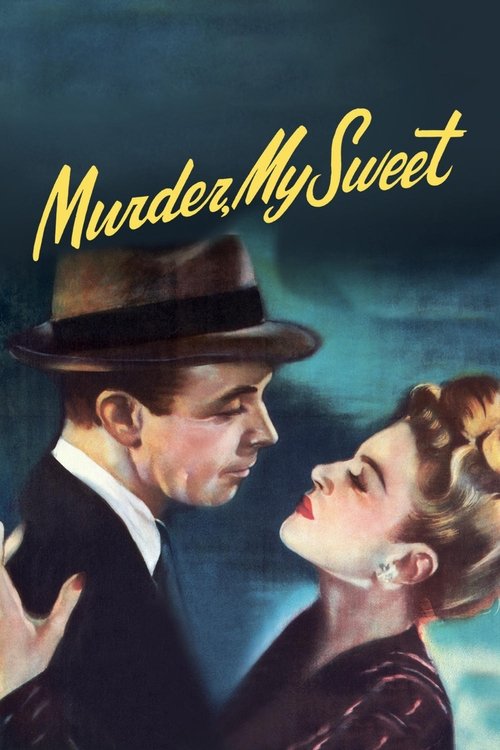
Murder, My Sweet1944
Dick Powell as a tough private eye navigating a labyrinth of lies and violence. Classic noir architecture with genuine mystery and moral ambiguity at its core.
But The ending pivots into melodrama that undercuts the hard-boiled tone. Some find the femme fatale tropes heavy-handed by modern standards.
Not sure tonight? Get a pick in a minute, starting from The Racket
The wildcard
Something you would not have found on your own.
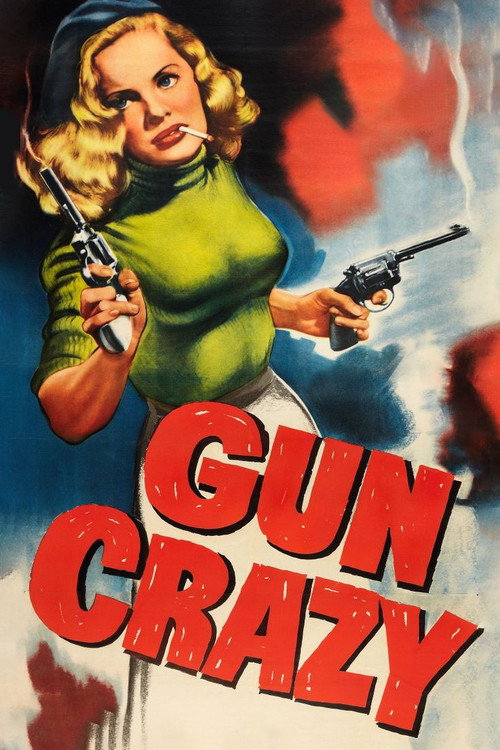
Gun Crazy1950
Both films pit charisma and conviction against institutional authority, but Gun Crazy does it through lovers rather than cops—a structural inversion that illuminates what makes The Racket's lone-hero stance unusual.
A lovers-on-the-run crime spree filmed with documentary realism and sexual electricity. Shot before *Bonnie and Clyde*, it's the template's forgotten ancestor—naturalistic, violent, and genuinely transgressive for its era.
But The second act feels repetitive. The portrait of the female lead as mentally unstable reads reductive now, even if the film is trying to be modern.
More like this (8)
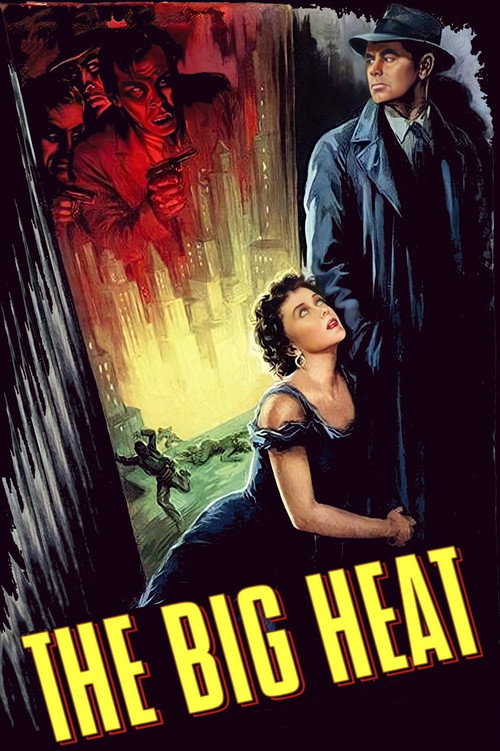
The Big Heat1953
Fritz Lang directed this revenge thriller with Glenn Ford as a cop pursuing the criminals who destroyed his family. Lean, furious, and visually stunning—procedural crime with raw emotional stakes.
But The violence against women is exploitative even by noir standards. Uncomfortable to watch, which is partly the point, but it costs some viewers.
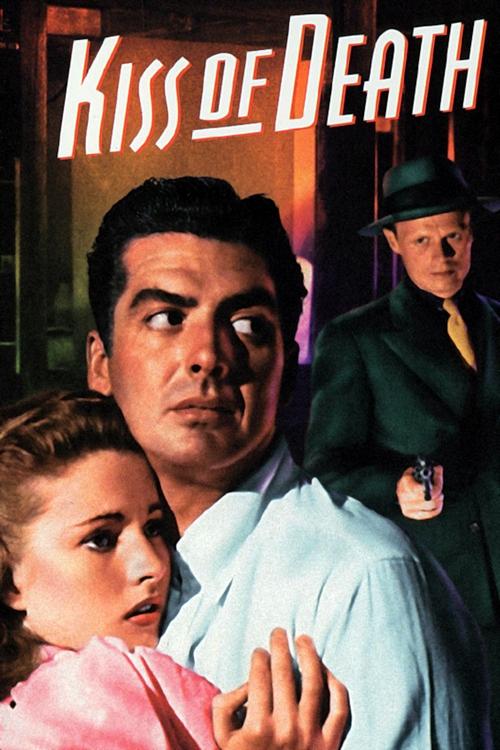
Kiss of Death1947
Richard Widmark's debut as a psychotic killer haunts this noir about a former convict trying to go straight. Gritty street-level crime with an unforgettable villain performance.
But The pacing stutters between sequences. Widmark's scene-stealing can make the protagonist feel secondary in his own film.
The Asphalt Jungle1950
Huston's heist masterpiece about a perfect crime that unravels through human weakness. Blueprint for every heist film after; watches like a documentary of noir criminal procedure.
But Episodic structure means no single character dominates. Some find it cold compared to character-driven noirs.

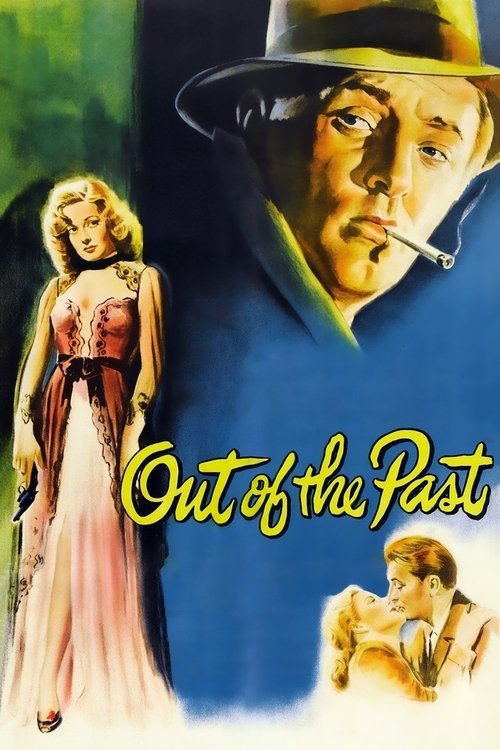
Out of the Past1947
Robert Mitchum again, fatalistic and sexy, caught in a web of femme fatales and betrayal. The quintessential noir—gorgeously shot, morally murky, perfectly constructed.
But You may have seen it already. The famous plot twist is no secret anymore, which softens its impact.
The Killers1946
Burt Lancaster's debut opposite Ava Gardner in Siodmak's explosive noir about a boxer targeted for murder. Fast, violent, and structured like a puzzle box.
But The second half devolves into exposition dump. The femme fatale role, while iconic, is ultimately passive.

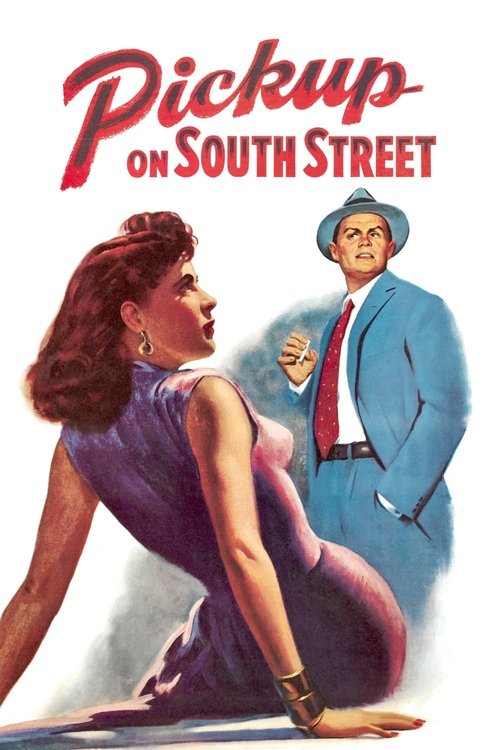
Pickup on South Street1953
Fuller's street-level crime film about pickpockets and atomic espionage. Visceral, cynical, and shot with documentary urgency among working-class New York locations.
But The politics feel dated and sometimes awkward. Fuller's rough style isn't for everyone—it prioritizes rawness over polish.
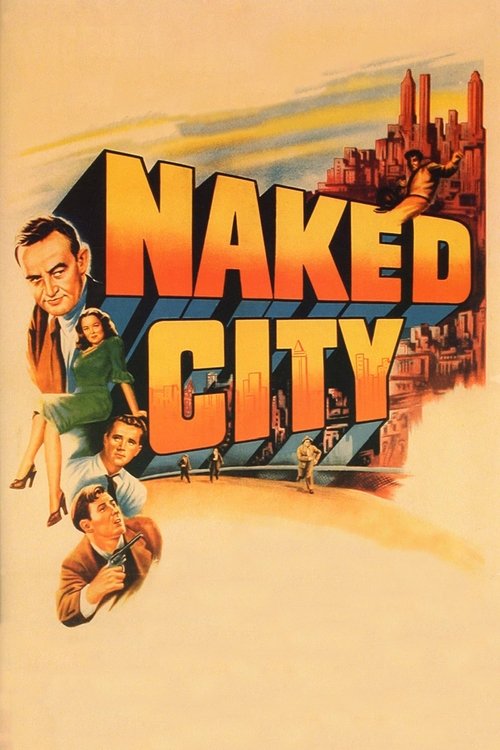
The Naked City1948
Where The Racket trusts one honest man against corruption, The Naked City distributes honesty across an institution—detectives collaborating, following procedure, grinding toward justice. Same moral faith in different structures.
Jules Dassin's documentary-style thriller about homicide detectives solving a murder across New York's actual streets and neighborhoods. Procedural noir before the term existed, shot with near-anthropological attention to routine police work.
But The plot is thin. Long stretches of realistic legwork replace conventional narrative momentum. Not a page-turner.
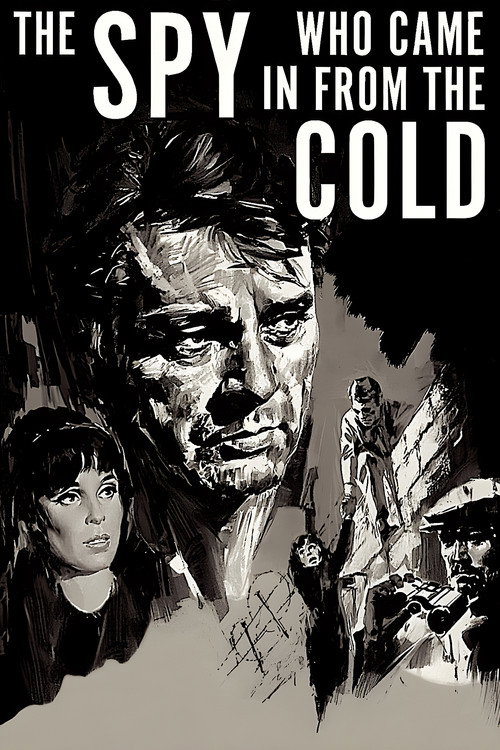
The Spy Who Came In from the Cold1965
The Racket asks whether one good man can survive a corrupt system; The Spy Who Came In asks whether any system—even the one you serve—deserves your survival. Same question, one man intact, the other destroyed for his answer.
le Carré's bitter Cold War thriller with Richard Burton as a burned-out operative. Procedural espionage as moral quicksand—no heroes, only exhausted men serving abstract causes, trapped by their own competence.
But It's bleak and talky with no action set pieces. The pacing is deliberate to the point of glacial. Some find it as depressing as it means to be.
People
Cast
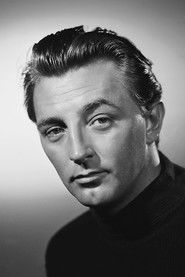 Robert MitchumThomas McQuigg
 Lizabeth ScottIrene Hayes
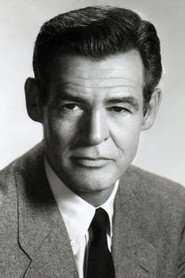 Robert RyanNick Scanlon
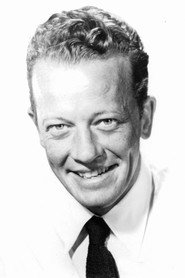 William TalmanJohnson
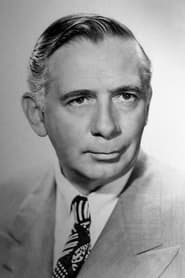 Ray CollinsMortimer Welsh
 Joyce MackenzieMary McQuigg
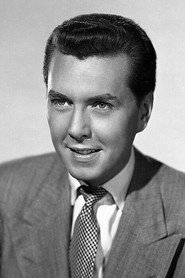 Robert HuttonDave Ames
 Virginia HustonLucy Johnson
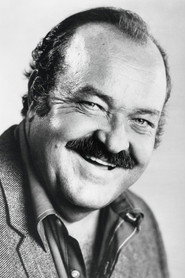 William ConradTurk
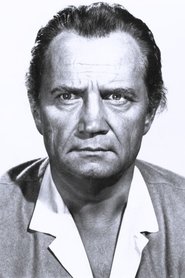 Walter SandeJim Delaney
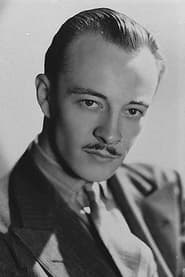 Les TremayneHarry Craig
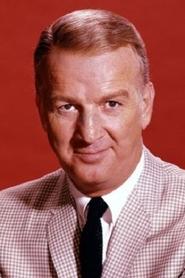 Don PorterR. G. Connolly
Directing
- John CromwellDirector
Writing
- Harold AdamsonLyricist
- W.R. BurnettScreenplay
- William Wister HainesScreenplay
- Bartlett CormackTheatre Play
Production
- Edmund GraingerProducer
- Cliff P. BroughtonProduction Supervisor