
Film
The Phenix City Story
A crime-busting lawyer and his father take on the gambling and vice operations strangling their small Alabama town. Shot with documentary urgency and genuine anger, this 1955 film feels less like a crime drama and more like a town meeting that turned into a war. It's for anyone who wants to see how American crime cinema learned to be serious.
If you liked this
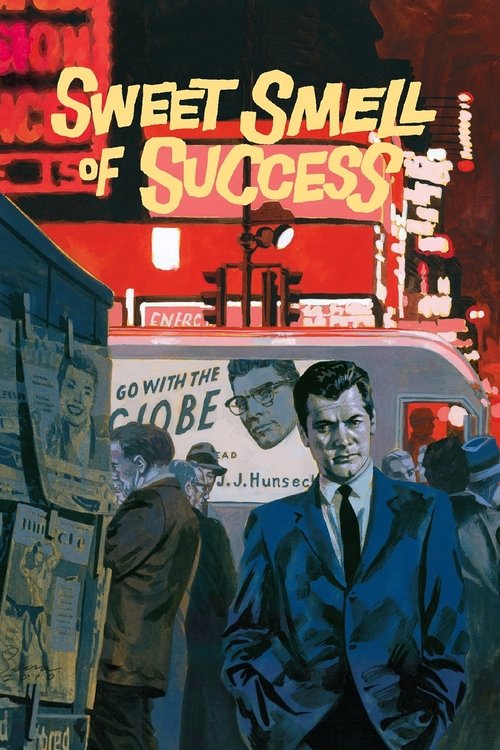
Sweet Smell of Success1957
A newspaper columnist wields his column as a weapon against a theater impresario. Like Phenix City, it's a revenge story about exposing corruption, but infinitely more stylish and morally complicated.
But The dialogue is baroque and mannered; it requires you to lean in. The pacing is deliberately slow and the ending refuses catharsis.
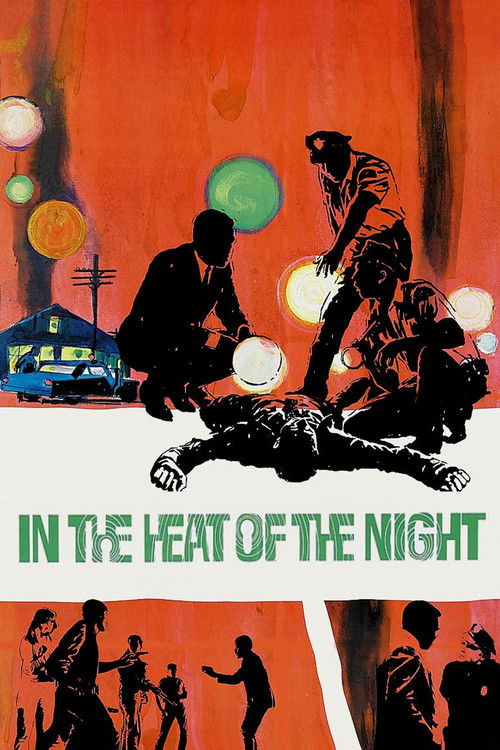
In the Heat of the Night1967
A Black detective from Philadelphia investigates a murder in a racist Mississippi town. Both films are about outsiders trying to clean up a corrupt system, grounded in real Southern geography and real moral stakes.
But At two hours and seventeen minutes it can feel like work. The racism is graphic and unflinching, which is the point, but that doesn't make it easier to sit with.
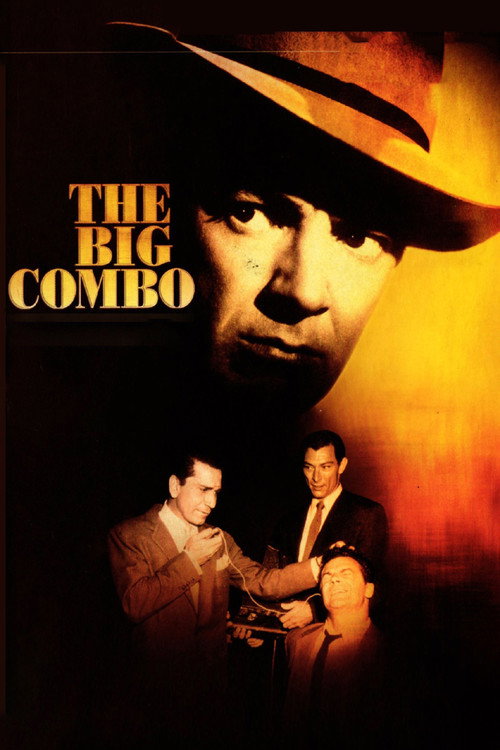
The Big Combo1955
A homicide lieutenant pursues a crime boss with methodical intensity. Made the same year as Phenix City, it shares the same lean urgency and belief that police work is repetitive, unglamorous, and absolutely necessary.
But It's shot in grainy black-and-white with a budget constraint that shows. The romance subplot feels obligatory and slows the investigation down.
Not sure tonight? Get a pick in a minute, starting from The Phenix City Story
The wildcard
Something you would not have found on your own.
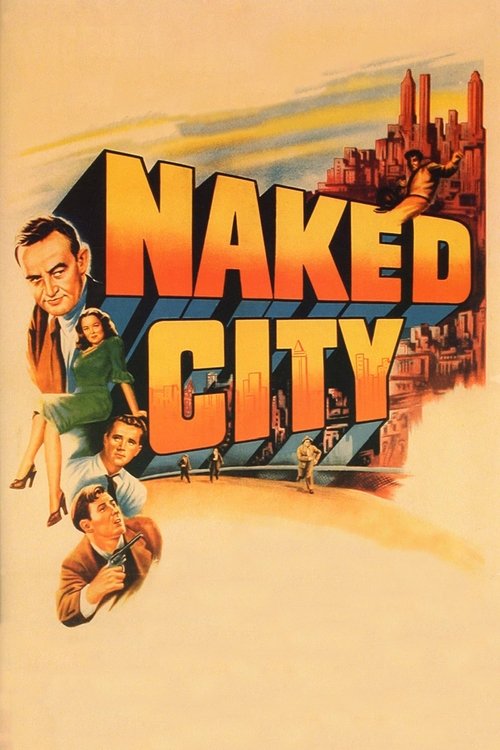
The Naked City1948
Both invented a new grammar for American crime cinema: the idea that corruption is systemic, not individual, and that the camera should observe it with journalistic honesty.
A homicide detective hunts a killer through New York. Shot entirely on location with real streets and real cops consulting, it pioneered the documentary-crime hybrid that Phenix City perfected. Feels alive in a way studio films didn't.
But The plot is secondary to the texture of the city itself. If you want a tight mystery, you'll find it loose and digressive.
More like this (8)
The Killers1946
A former heavyweight boxer investigates the death of an old flame across Depression-era America. Both are about men trying to uncover truth in towns where corruption runs deep, with that same hardboiled moral clarity.
But It's a bit talky and the mystery, once solved, feels somehow less important than the conversation around it.

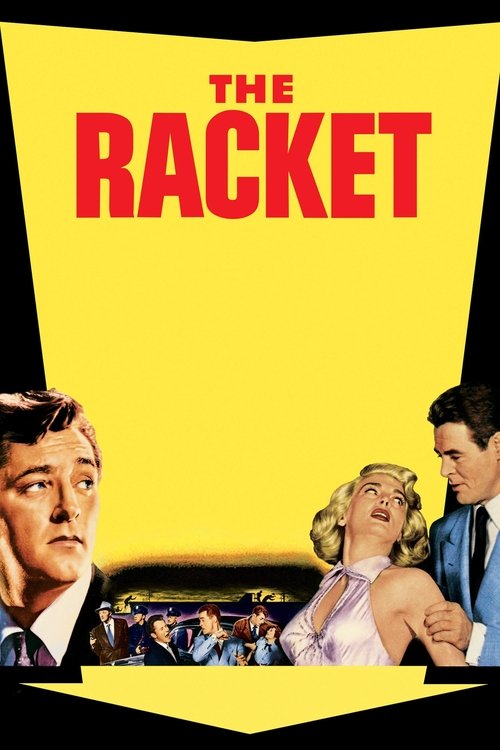
The Racket1951
A tough Chicago detective battles an entrenched mob organization and the police brass that protects it. Same enemy as Phenix City—not just criminals, but the system that shelters them.
But The pacing meanders. The detective's personal life intrudes just when you want to focus on the investigation.
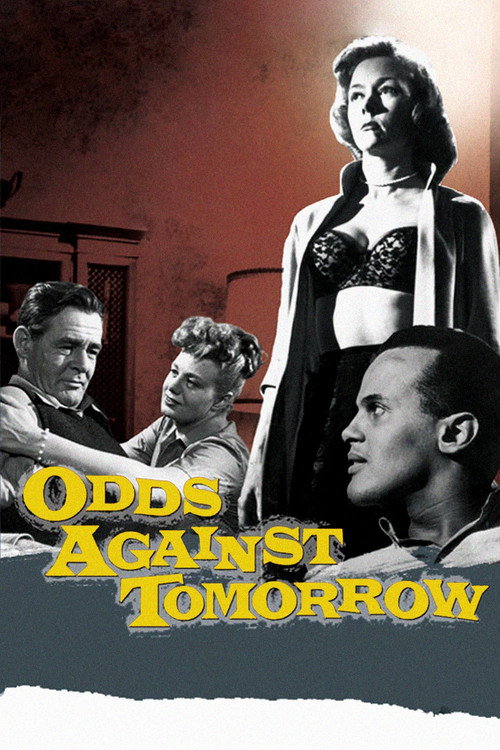
Odds Against Tomorrow1959
Three men plan a heist in a small upstate town, but what starts as a crime caper becomes a story about how corruption corrodes everything. The racial tension predates Sidney Poitier's bigger roles and feels urgent.
But It takes a while to get to the heist, and when it arrives, it's not what you expected. Some will find that a feature; others will find it a bug.
The Asphalt Jungle1950
A master thief plans the perfect crime in a mid-sized American city. Pioneering heist film with the same attention to how systems actually work and how they fail, shot with documentary-like precision.
But The heist isn't the climax; it's the first act. What follows is a slow unraveling that some find inevitable and others find repetitive.

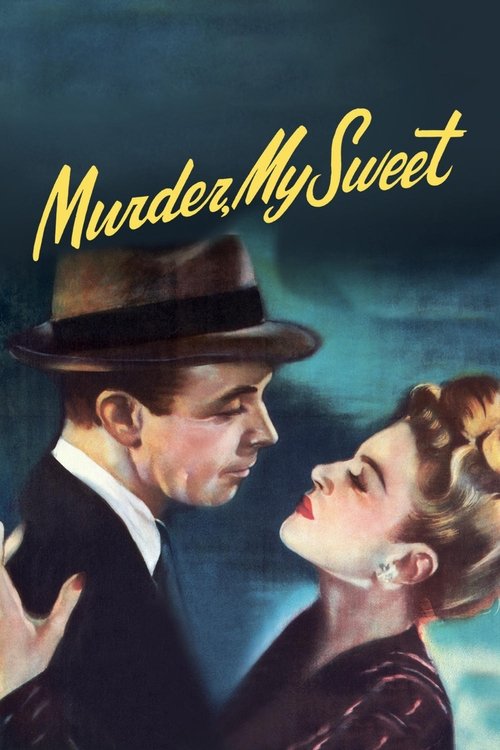
Murder, My Sweet1944
A down-and-out detective stumbles into a case that connects to powerful people. The same architecture as Phenix City—ordinary man versus rigged system—but told with expressionistic style instead of newsreel directness.
But The plot twists become convoluted in the final stretch. The femme fatale can feel like a relic of an earlier idea of what women are.
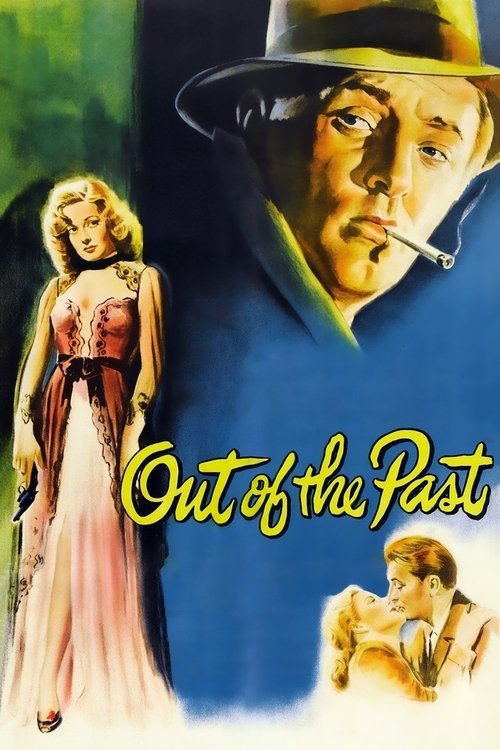
Out of the Past1947
A private detective's past catches up with him in a small California town run by criminals. Both explore what happens when you try to escape a corrupted place and discover you never really can.
But It's genuinely bleak. No one wins. If you need your hero to triumph, this will frustrate you.
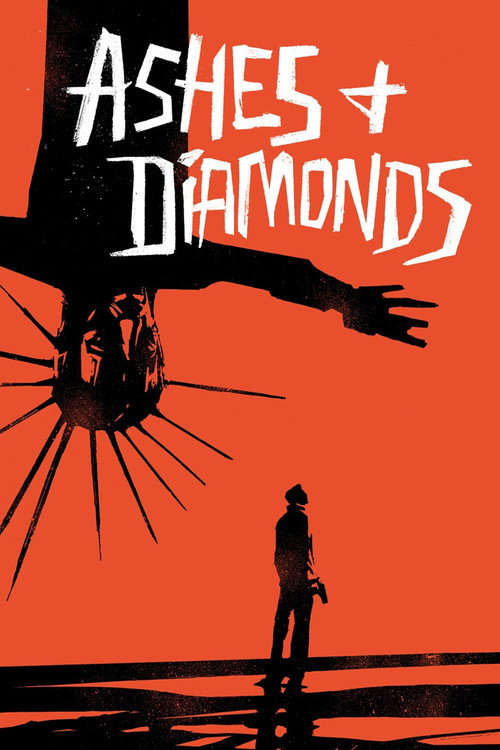
Ashes and Diamonds1958
Both are about communities torn apart by forces beyond individual control, and about men trying to restore order through violence—but both question whether that violence actually heals anything or just perpetuates the wound.
A Polish partisan assassin hunts his target in the final days of World War II while caught between old allegiances and new politics. Shot with poetry and moral complexity, it asks what violence does to the men who commit it, even when it's justified.
But It's in Polish with subtitles. The narrative logic is dreamlike and associative, not plot-driven. The ending may feel ambiguous in a way that frustrates.
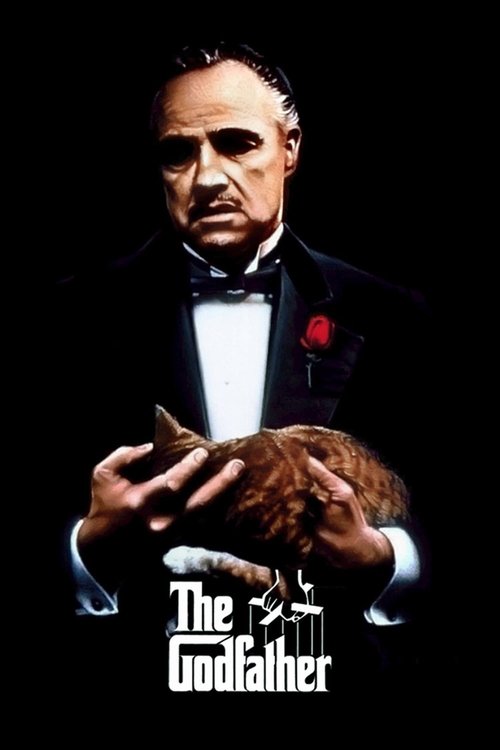
The Godfather1972
Both are origin stories of a kind—Phenix City shows how a town mobilizes against crime; The Godfather shows how crime becomes unsinkable. They're mirror images of the same American anxiety about who actually runs things.
A crime family faces challenges to its authority across three generations. It's the dark opposite of Phenix City—instead of outsiders fighting corruption, we watch corruption entrench itself deeper. Coppola made the definitive film about how power corrupts from within.
But It's long and operatic where Phenix City is lean and urgent. It asks you to sympathize with criminals; Phenix City asks you to oppose them. Some find the spectacle of it gorgeous; others find it complicit.
People
Cast
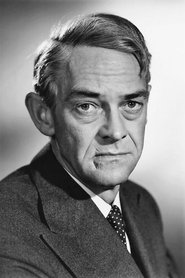 John McIntireAlbert L. "Pat" Patterson
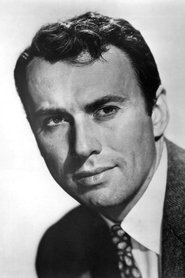 Richard KileyJohn Patterson
 Kathryn GrantEllie Rhodes
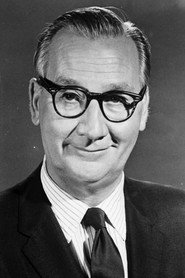 Edward AndrewsRhett Tanner
 Lenka PetersonMary Jo Patterson
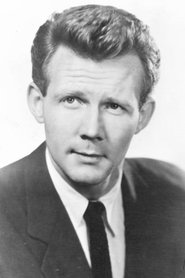 Biff McGuireFred Gage
- Truman SmithEd Gage
 Jean CarsonCassie
 Kathy MarloweMamie
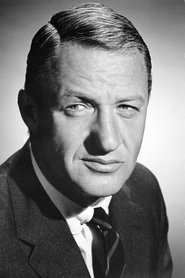 John LarchClem Wilson
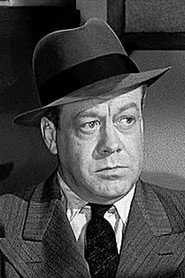 Allen NourseJeb Bassett
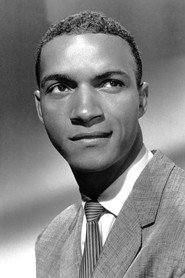 James EdwardsZeke Ward
Directing
- Maurice VaccarinoAssistant Director
- Phil KarlsonDirector
- Meta RebnerScript Supervisor
Writing
- Crane WilburScreenplay
- Daniel MainwaringScreenplay
Production
- Millie GusseCasting
- Walter MirischExecutive Producer
- David DiamondProducer
- Samuel BischoffProducer
- Herman E. WebberProduction Supervisor