
Film
The Big Combo
A 1955 noir where a cop's professional obsession with a gangster curdles into personal fixation on the man's girlfriend. Cornel Wilde delivers a performance of mounting psychological unraveling—it's tense, morally uncomfortable, and visually stunning. For anyone who loves crime drama that gets under the skin rather than staying on the surface.
Should you watch it?
Watch it if you love noir where the moral rot is the whole point, with hard-edged visual style, cramped shadowy rooms and an obsessive cop whose pursuit tips into something darker than the crime itself.
Skip it if you want a brisk, plot-forward crime story; this one lingers on mood, dialogue and atmosphere, and its 88 minutes can feel more like a slow descent than a chase.
What it asks of you: It asks you to settle into a tense, brooding rhythm and stay with its characters' silences and private compulsions rather than waiting for big set pieces to carry you forward.
Not sure? Find tonight's pick in a minute.
If you liked this
In a Lonely Place1950
Humphrey Bogart as a volatile screenwriter suspected of murder. Like The Big Combo, it's a noir that's really about a man's capacity for violence—psychological and otherwise—and how close attraction and destruction live to each other.
But The pacing is deliberate, and Bogart's character is actively unlikeable rather than sympathetically flawed. Some find it slow.

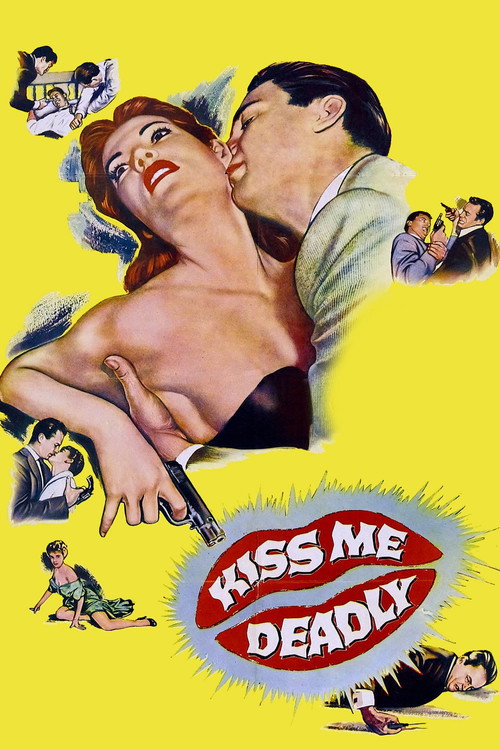
Kiss Me Deadly1955
Aldrich's masterpiece: Mike Hammer in a Los Angeles that feels radioactive with corruption and danger. The same year as The Big Combo, same moral murk, same sense that everyone is complicit and no one is clean.
But It's violent for 1955 and the politics are weird by modern standards. The ending divides people sharply.
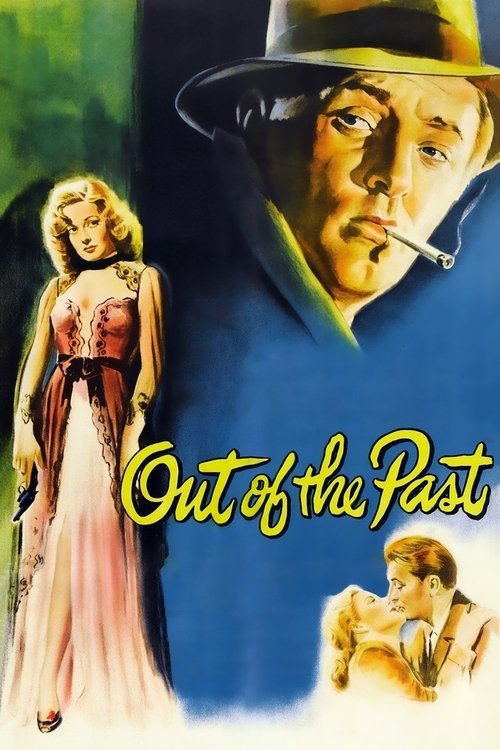
Out of the Past1947
Robert Mitchum tangled between a gangster and a femme fatale, unable to escape the gravity of his own past. The template for everything The Big Combo does with desire and entrapment—but this one got there first and it's immaculate.
But If you know noir tropes, you'll see the moves coming. It invented half of them.
Not sure tonight? Get a pick in a minute, starting from The Big Combo
The wildcard
Something you would not have found on your own.
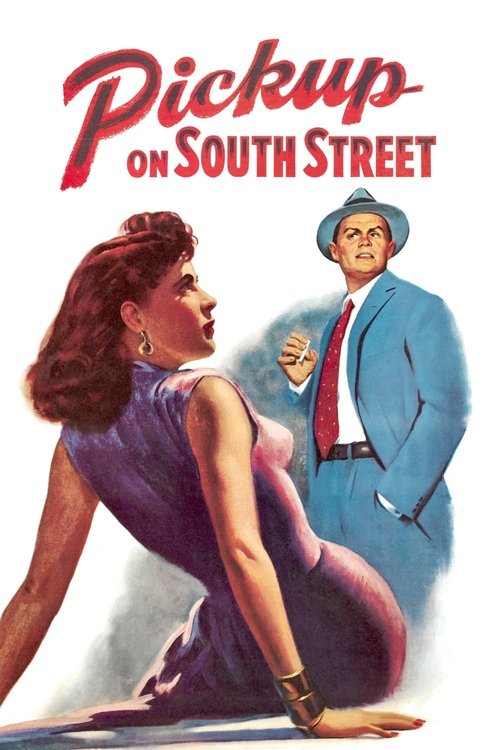
Pickup on South Street1953
Both films isolate a protagonist in a structure of competing loyalties and desires, using formal precision—tight framing, deliberate geography—to trap them. Both are about men caught between systems larger than themselves, and how attraction (to a woman, to an idea) can be indistinguishable from corruption.
A pickpocket stumbles into Cold War espionage. Samuel Fuller made a B-movie crime story with the formal rigor of high art—split screens, close-ups that terrify, mise-en-scène like a vice closing. Richard Widmark is magnetic as the thief. It's about class, survival, and the small mercy of being underestimated.
But The anti-communist politics are blunt and of-the-moment. The film treats working-class criminals with dignity but the geopolitics feel dated and simplistic.
More like this (8)
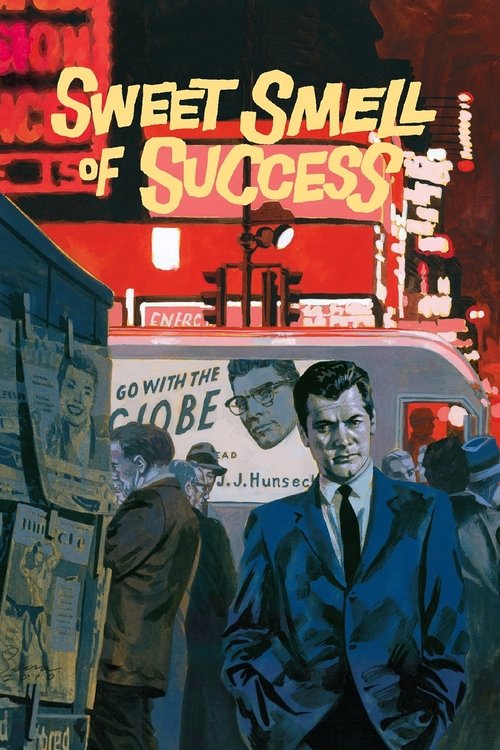
Sweet Smell of Success1957
A Shakespearean crime story about power, obsession, and a man who can't stop himself from destroying what he wants. Burt Lancaster as a Broadway columnist is magnetic and repellent at once. The dialogue is extraordinary.
But It's mean-spirited and bleakly funny in ways that can feel exhausting. No one deserves what they get and that's sort of the point.
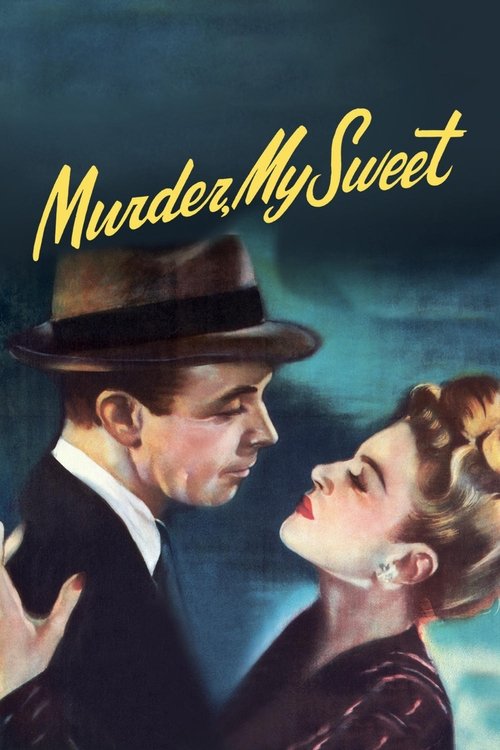
Murder, My Sweet1944
Dick Powell as a private detective in a noir that twists and folds back on itself. The femme fatale is genuinely dangerous, the protagonist genuinely compromised. It moves with real urgency.
But Some scenes feel dated in their playing, and the plot gets baroque in ways that can obscure the emotional core.
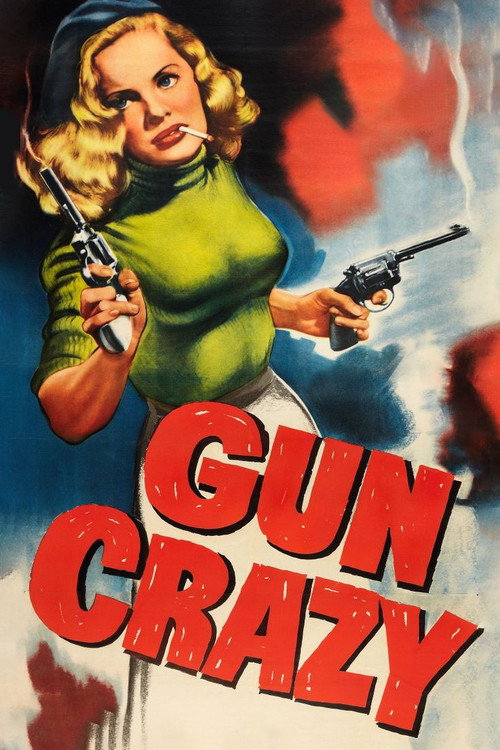
Gun Crazy1950
A couple bound together by violence and desire, shot with an immediacy that feels almost documentary. It influenced Bonnie and Clyde directly. The intimacy between the leads makes the danger feel tactile.
But It's shorter and leaner than you might expect, which some read as incomplete rather than efficient.
The Killing1956
Kubrick's debut: a racetrack heist film where the real action is psychological—men driven by greed, lust, and the need to prove something. Fractured time structure that puts you off-balance in the best way.
But The fractured chronology works beautifully but takes concentration. If you want a straightforward heist, look elsewhere.

The Asphalt Jungle1950
Huston's crime procedural is almost documentary in its detail: the planning, the relationships, the ways small betrayals compound. It's the heist film that taught everyone else how to do it.
But It's methodical and deliberate, which is its strength and its potential liability. Not much flash, a lot of grey.

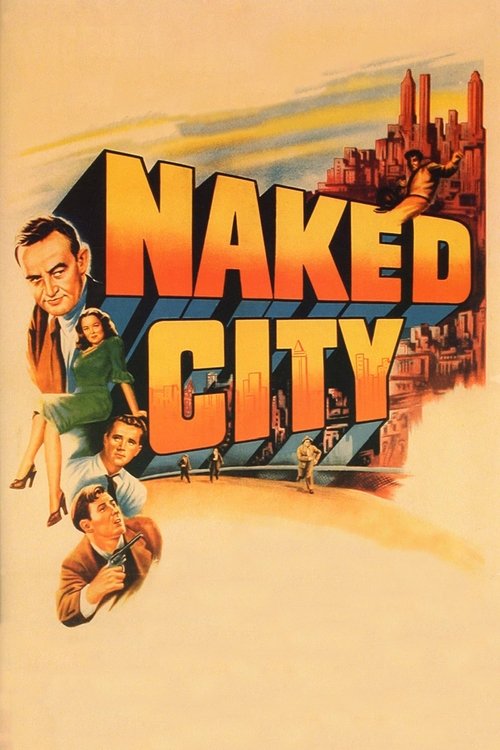
The Naked City1948
Jules Dassin's New York is a character itself—location shooting that makes the city feel like a maze of temptation and danger. A cop and a thief, different sides of the same coin. The energy is infectious.
But It bounces between procedural and philosophical, and not everyone buys the tonal mix.
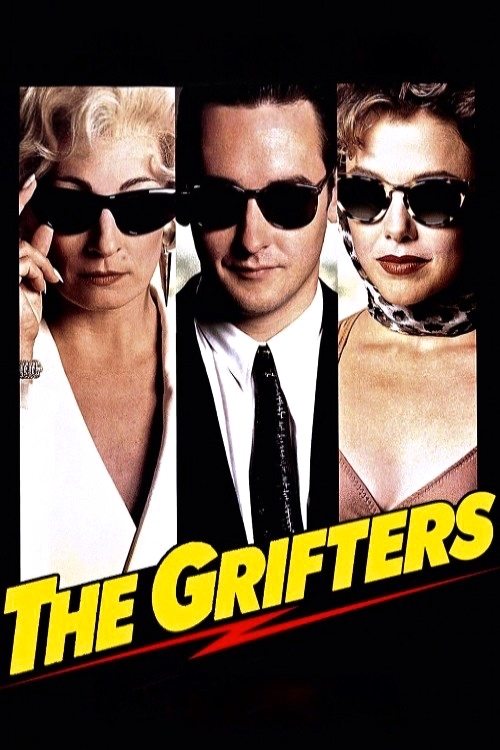
The Grifters1990
Both films understand that obsession and crime are often the same thing. Both use a beautiful woman as the lens through which a man's capacity for self-destruction becomes visible. The Big Combo is haunted by the question of whether the cop can be honest with himself; The Grifters knows the answer is no, and makes you laugh and hurt about it.
Scorsese's protégé Stephen Frears made a crime film about con artists where every relationship is a con and no one can stop playing even when it destroys them. John Cusack, Annette Bening, and a 15-minute sequence with Huston that rewrites what cinema can do with seduction and maternal cruelty. It's acid and brilliant.
But The 1990s texture dates it visually. The ending is bleak in a way that some find punitive rather than earned. It's cynical—truly cynical, not fake-cynical.
Cronos1993
The structural obsession: a man unable to separate desire from degradation, drawn toward the source of his own corruption as if magnetized. Both films make that obsession visible through cinematography—close, claustrophobic frames that trap you in the character's perspective. Both understand that addiction and love can be indistinguishable, and that understanding doesn't make it any easier to escape.
Guillermo del Toro's debut: a vampire film where the horror is intimate and the obsession is medical—a man in love with the thing that's killing him, compelled toward his own destruction. It's gorgeously shot, strange, and operates in a register between pulp and poetry. Federico Luppi gives a performance of enormous dignity and terrible vulnerability.
But It's a vampire film, so if that genre feels exhausted to you, the subject matter might repel you. It's also slow and dream-like in ways that demand patience. It's in Spanish and not a huge production.

People
Cast
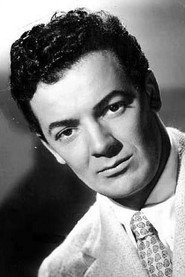 Cornel WildeLeonard Diamond
 Jean WallaceSusan Lowell
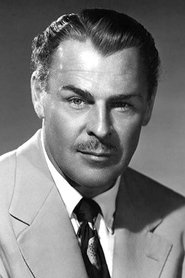 Brian DonlevyJoe McClure
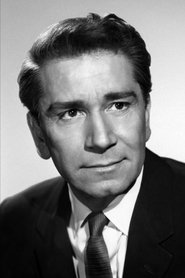 Richard ConteMr. Brown
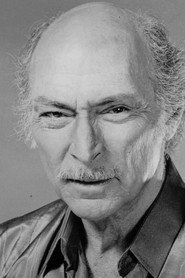 Lee Van CleefFante
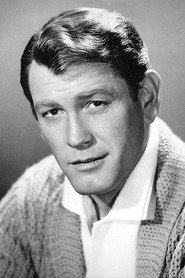 Earl HollimanMingo
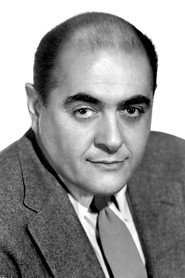 Robert MiddletonPolice Capt. Peterson
 Helen WalkerAlicia Brown
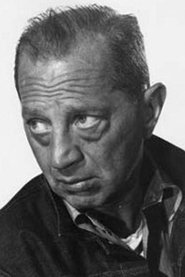 Jay AdlerDetective Sam Hill
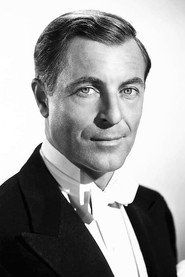 John HoytNils Dreyer
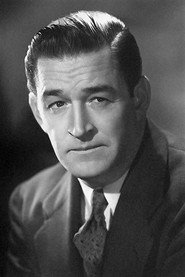 Ted de CorsiaRalph Bettini
 Helene StantonRita
Directing
- Joseph H. LewisDirector
Writing
- Philip YordanWriter
Production
- Walter MirischExecutive Producer
- Sidney HarmonProducer
Recommended by
Underworld U.S.A., The Big Knife, The Phenix City Story, Bengazi, The Bigamist