
Film
The Big Knife
A furious psychological showdown between a major Hollywood star and the studio mogul who owns him. Jack Palance burns with barely contained rage as an actor trying to escape the machine; the film is claustrophobic, theatrical, shot through with contempt for the industry itself. For anyone who loves '50s noir with teeth and actors at the edge of their control.
If you liked this
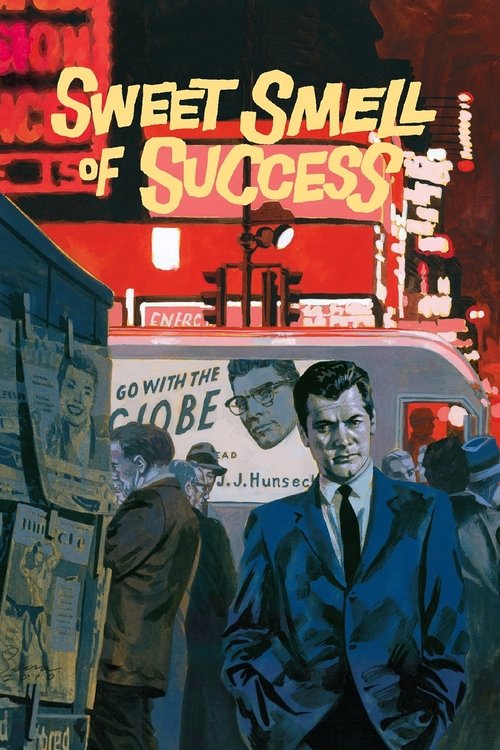
Sweet Smell of Success1957
A masterpiece of acid dialogue and studio corruption. Burt Lancaster's columnist and Tony Curtis's press agent circle each other with mutual hatred in the neon-soaked margins of Broadway. The moral rot runs through every frame.
But It's deliberately ugly and nobody redeems themselves. The dialogue is dense and theatrical—you have to stay sharp or lose the thread.
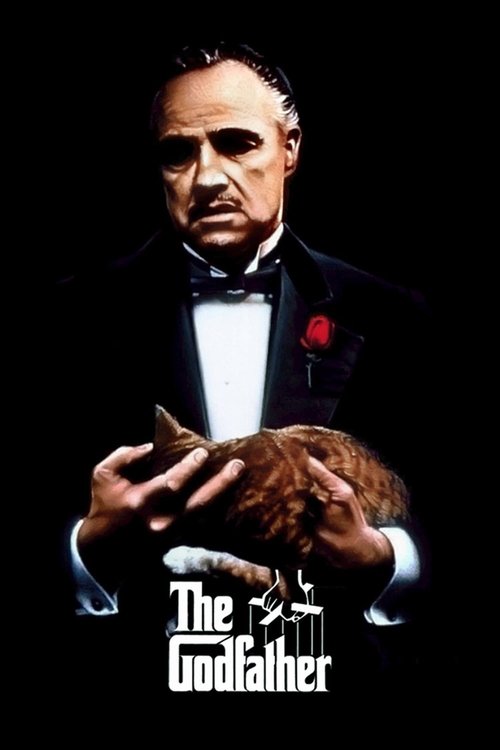
The Godfather1972
Coppola's epic uses the same engine: a powerful figure traps a reluctant man through blackmail and family obligation, then watches him corrode under pressure. The scale is larger but the moral architecture is identical.
But Three and a half hours. Requires investment. If you find operatic crime drama exhausting, this won't convert you.
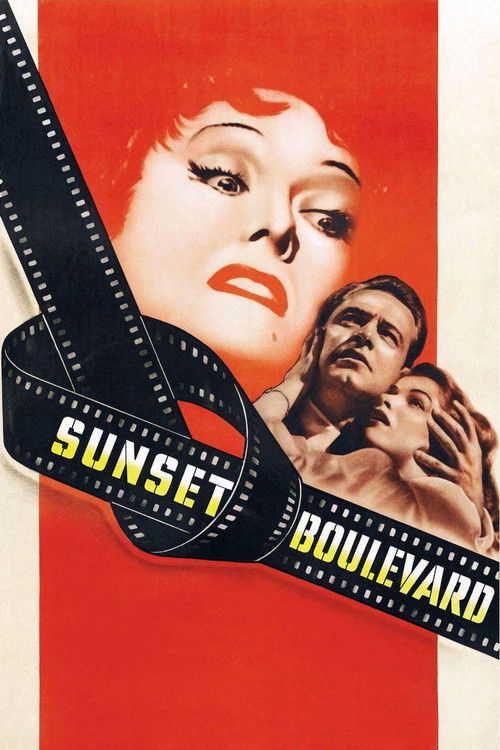
Sunset Boulevard1950
Billy Wilder's dissection of Hollywood hunger and delusion. Gloria Swanson is hypnotic as a faded star; William Holden plays a man sinking into moral compromise. The contempt for the industry is total and exhilarating.
But Bleak. Cynical. No one learns anything or escapes with dignity. It's a film about drowning.
Not sure tonight? Get a pick in a minute, starting from The Big Knife
The wildcard
Something you would not have found on your own.
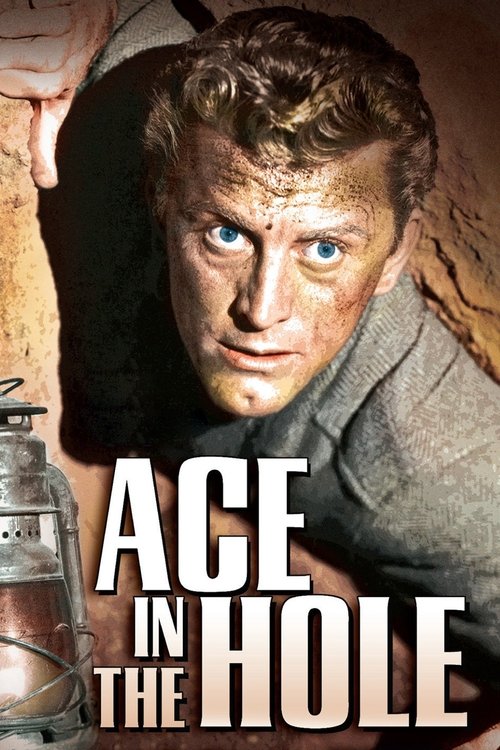
Ace in the Hole1951
Both are Hollywood's self-examination from the inside, showing talented men destroyed not by enemies but by their own willingness to participate in corruption. Both end without mercy.
Billy Wilder's most savage film: a newspaperman (Kirk Douglas) manufactures a disaster for headlines. Like The Big Knife, it watches a talented man corroded by moral compromise—but here Castle's desperation is flipped: the system isn't trapping him, he IS the system, and he eats himself alive.
But Relentlessly bleak and contemptuous of its protagonist. No grace note, no redemption, no escape. Wilder clearly hated this man.
More like this (5)
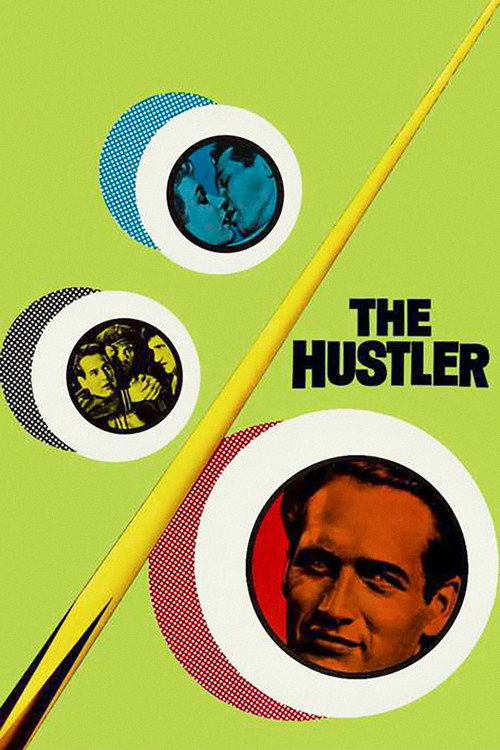
The Hustler1961
Paul Newman as a pool player destroyed by a man who owns him in ways that matter. Robert Rossen's film finds the same claustrophobia—watching someone's will bend against superior power, with sex and money as the weapons.
But Slow-burn character study without action sequences to carry it. The ending refuses catharsis deliberately.
In a Lonely Place1950
Ray's examination of Hollywood darkness and personal rage. Humphrey Bogart plays against type as a man whose talents and violence are inseparable. The marriage at the centre is as complicated as Castle's relationship with Marion.
But Bogart's charm never arrives to rescue the story. He's genuinely unlikeable in ways that make watching him uncomfortable.

The Killers1946
Siodmak's noir about corruption seeping through every institution. Burt Lancaster carries the film with physical intensity. The plot builds like The Big Knife: choices made, debts called in, escape routes closing one by one.
But The narrative fractures across time in ways that can feel disorienting. Not as sharp as its reputation suggests.

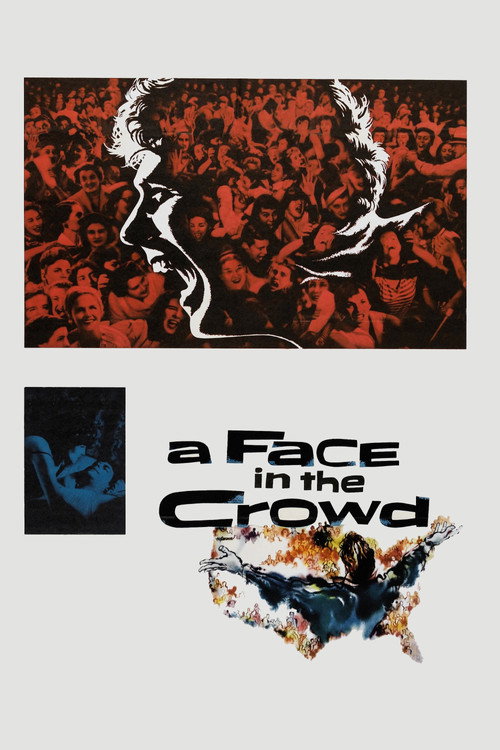
A Face in the Crowd1957
Kazan's vicious study of celebrity manufacture. Andy Griffith as a drifter transformed into a media phenomenon—like Castle but watching power corrupt rather than resist it. Patricia Neal is extraordinary as his producer.
But Griffith's character becomes genuinely repulsive and hard to sit with. Some viewers find the moralising heavy-handed.
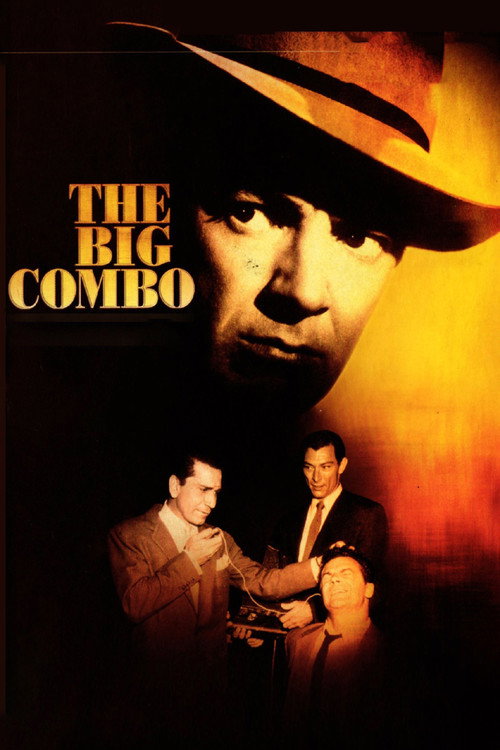
The Big Combo1955
Joseph H. Lewis on organized crime and the men who serve it. Released the same year as The Big Knife but from the opposite angle—it's about the boss, not the trapped man, yet the psychology of control is the same.
But More pulp than poetry. The plot is fairly standard noir mechanics. Doesn't dig as deep into character as The Big Knife does.
People
Cast
 Jack PalanceCharles Castle
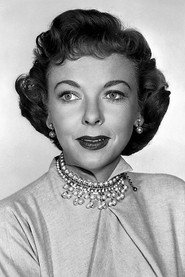 Ida LupinoMarion Castle
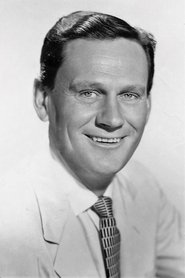 Wendell CoreySmiley Coy
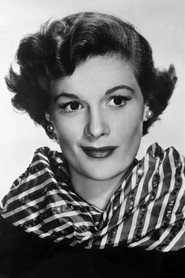 Jean HagenConnie Bliss
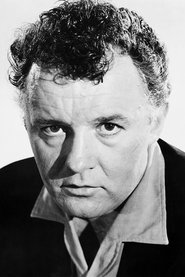 Rod SteigerStanley Shriner Hoff
 Shelley WintersDixie Evans
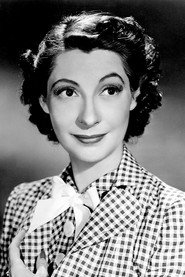 Ilka ChasePatty Benedict
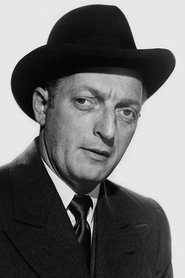 Everett SloaneNat Danziger
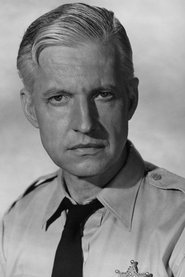 Wesley AddyHoratio "Hank" Teagle
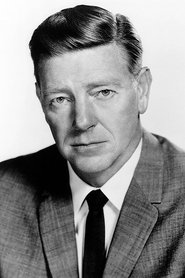 Paul LangtonBuddy Bliss
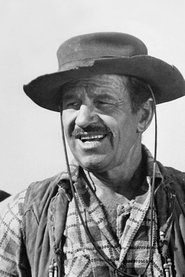 Nick DennisMickey Feeney
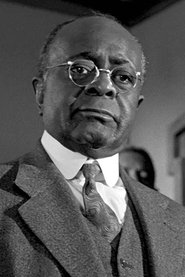 Bill WalkerRussell
Directing
- Nate D. SlottAssistant Director
- Robert AldrichDirector
- Joe FranklinScript Supervisor
- Robert H. JustmanSecond Assistant Director
Writing
- Clifford OdetsTheatre Play
- James PoeWriter
Production
- Jack MurtonCasting
- Robert AldrichProducer
- Robert ShermanProducer's Assistant
- Jack R. BerneProduction Supervisor
Recommended by
Golden Boy, Hollywood on Trial, The Country Girl, The Harder They Fall, Redcap