
Film
The Country Girl
A washed-up musical star gets one final shot at comeback, but his drinking and self-pity threaten to destroy everything. Grace Kelly is superb as his long-suffering wife, trapped between protecting her husband and protecting herself. It's a character study about ego, addiction, and what love costs when it's one-sided. Serious, unsparing, deeply human.
Should you watch it?
Watch it if you like talky, stage-born character studies where the tension lives in what people won't say to each other, and a sharp look at a man talking himself in circles.
Skip it if you need brisk plotting or a clear hero, since this is a slow, dialogue-heavy drama where the central figure is hard to warm to and the mood stays gloomy.
What it asks of you: Long, talky scenes and a bleak, bickering atmosphere mean patience is required; at 104 minutes the commitment is modest, but attention must stay steady.
Not sure? Find tonight's pick in a minute.
If you liked this
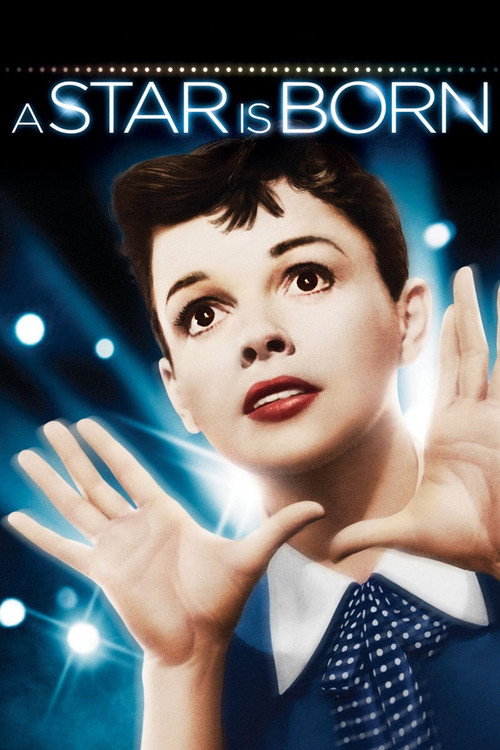
A Star Is Born1954
Simultaneous release as The Country Girl, this Technicolor melodrama tracks a woman's rise and her husband's fall in Hollywood with operatic sweep. If you want the same addiction story told with more glamour and Judy Garland's voice, this is it.
But The spectacle sometimes overwhelms character work, and the second half leans heavy on self-sacrifice as noble. It's gorgeous but can feel dated in its gender dynamics.
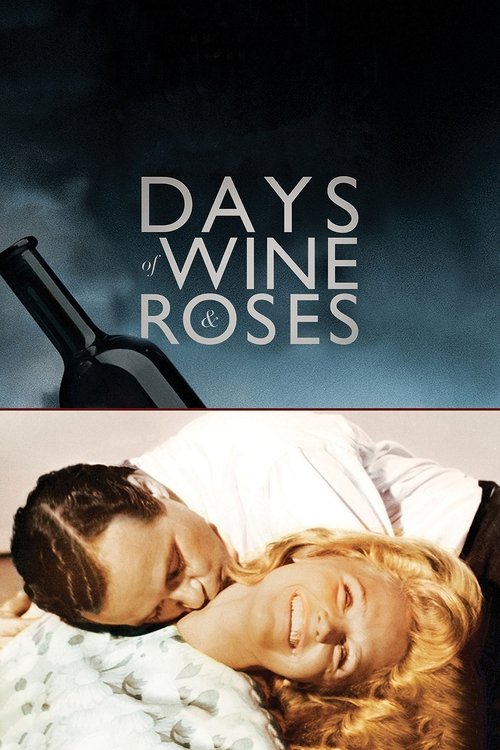
Days of Wine and Roses1963
Jack Lemmon and Lee Remick descend into alcoholism together in this unflinching portrait of how addiction destroys a marriage from the inside. Harder and darker than you'd expect, with no easy redemptions.
But It's relentlessly bleak and doesn't offer much comfort. The ending is ambiguous in a way that may feel unresolved rather than complex.
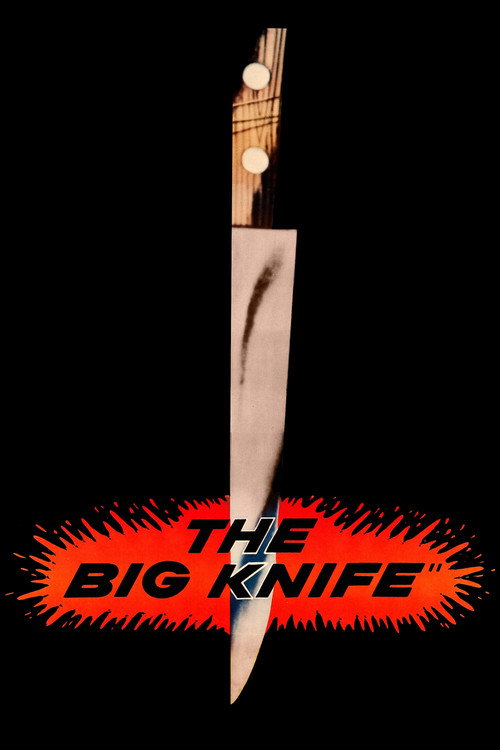
The Big Knife1955
Another Holden film about a star being ground down by Hollywood's machinery, with corruption and compromise at every level. Neurotic, sharp-edged, and absolutely fascinating about how the system devours talent.
But The script is talky and stagey; it feels like a play, which it was. The pacing can feel slow if you're not locked into the dialogue.
Not sure tonight? Get a pick in a minute, starting from The Country Girl
The wildcard
Something you would not have found on your own.
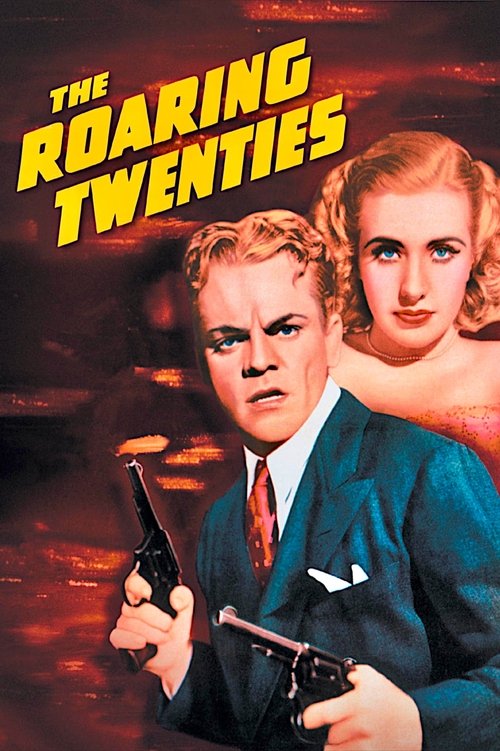
The Roaring Twenties1939
Both films use performance—stage presence, charisma—as the very thing that enables self-destruction. The talent that gets you there is inseparable from the flaw that undoes you.
James Cagney plays an entertainer destroyed not by personal weakness but by circumstance—the stock market crash, crime, historical forces. It's addiction to past glory and the world's refusal to let go of who you were.
But It's a 1939 gangster melodrama, so the pacing is quite different from modern drama. Some scenes feel overplayed by contemporary standards.
More like this (8)
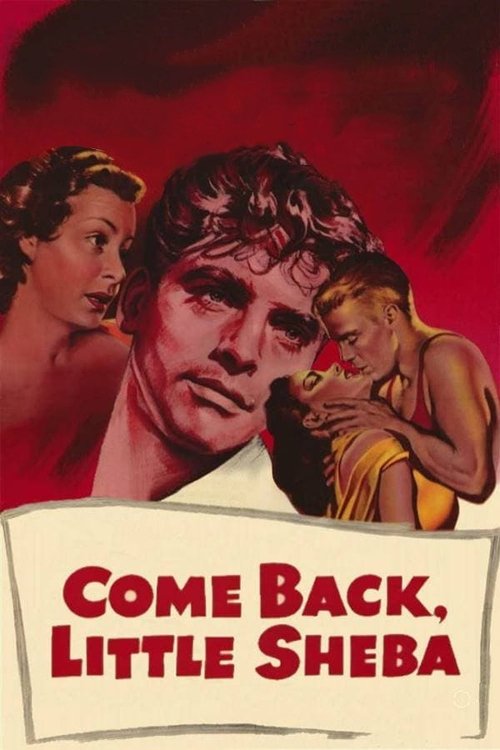
Come Back, Little Sheba1953
Burt Lancaster and Shirley Booth as a married couple whose dreams have curdled into resentment and routine. A quieter study of disappointment and addiction, with stunning naturalistic acting that was radical for its time.
But Nothing much happens plot-wise. It's all mood and small moments, which is the point but not everyone's idea of drama.
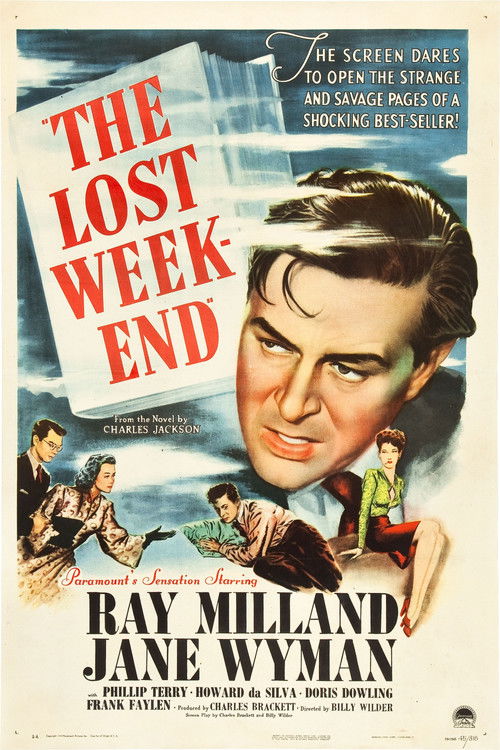
The Lost Weekend1945
The template for addiction narratives: Ray Milland's four-day drunk is visceral and terrifying, not glamorous. Genuinely disturbing in ways that still hold up because it prioritizes the addict's experience.
But It's relentlessly grim and sometimes preachy. Some of the psychology feels dated, and the solution offered is almost laughably simple.
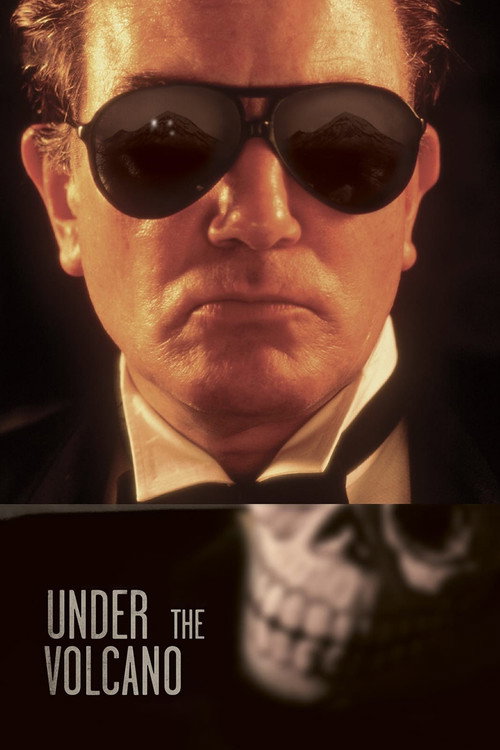
Under the Volcano1984
Malcolm Lowry's novel brought to screen with Albert Finney as a British consul in Mexico drinking himself to death. Poetic, surreal, and devastating about how brilliant people rationalize their own destruction.
But It's slow, very literary, and the narrative doesn't grip in conventional ways. You need patience and probably prior knowledge of the novel to fully appreciate it.
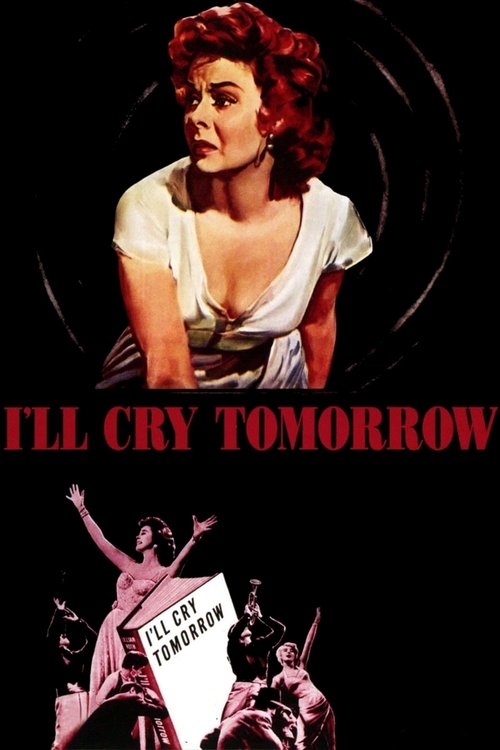
I'll Cry Tomorrow1955
Lillian Roth's autobiography played by Susan Hayward: a performer's rise, addiction, and attempt at recovery. Melodramatic but genuinely moving, with a more hopeful ending than most addiction dramas.
But The production values are glossy in a way that sometimes undercuts the seriousness. Some scenes veer toward soap opera rather than authentic struggle.
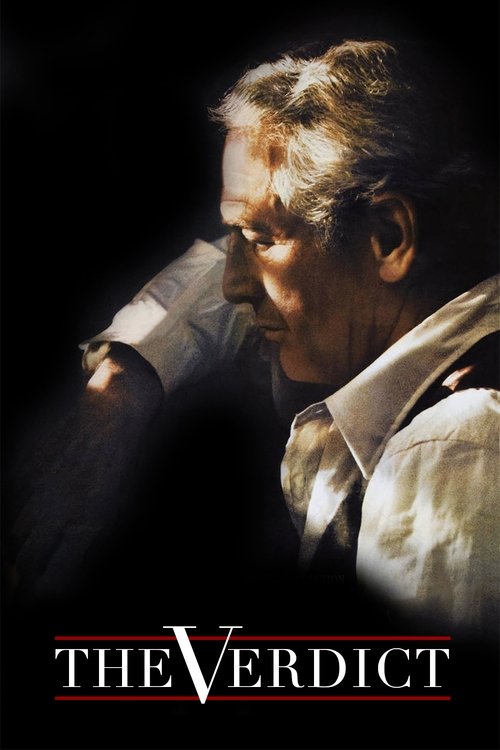
The Verdict1982
Paul Newman as a drunken lawyer given one last case to save himself. Character-driven courtroom drama about redemption and whether people deserve second chances, with Newman at his most vulnerable.
But The courtroom mechanics are sometimes formulaic, and the supporting characters can feel like types. It's well-made but familiar.
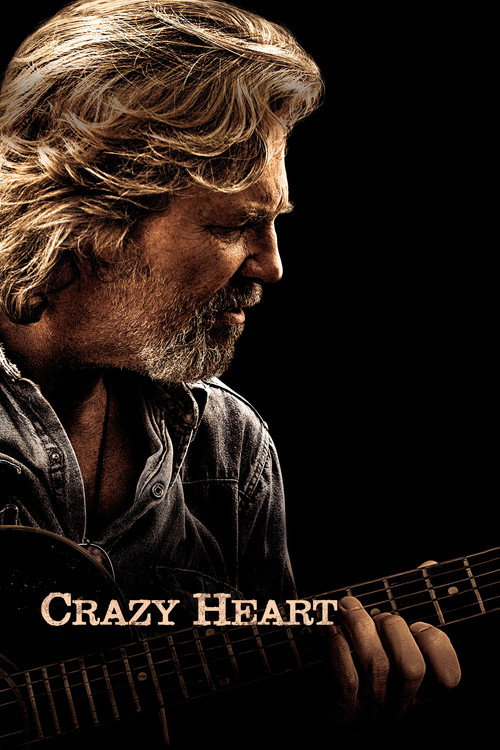
Crazy Heart2009
Jeff Bridges as a country singer in freefall, reconnecting with love and music. More sentimental than The Country Girl but genuinely warm about the possibility of turning around if you want it badly enough.
But It hits all the recovery-narrative beats in predictable order. The emotional arcs are clear from a distance, which dilutes the impact.
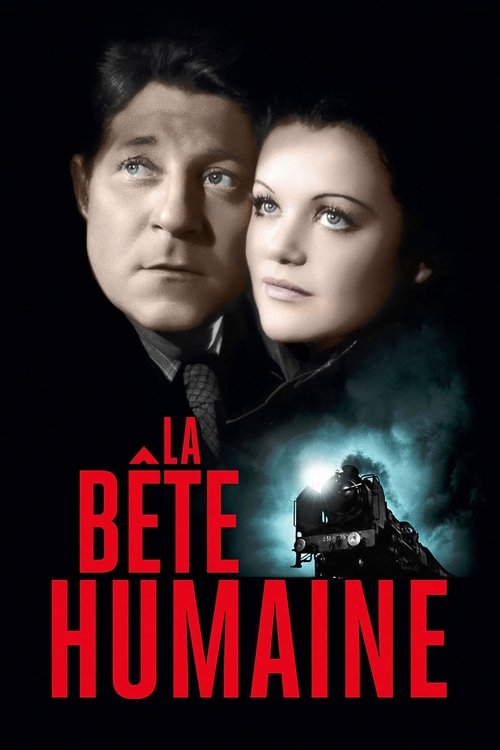
La Bête Humaine1938
Both films argue that some people are broken in ways that love and second chances cannot fix. The devastating difference is that The Country Girl offers hope while La Bête Humaine does not—same diagnosis, opposite prognosis.
Renoir's masterpiece about Jean Gabin as a railroad engineer whose inner darkness and inherited sickness pull him toward violence. It's about being unable to escape yourself, shot with Renoir's incomparable tenderness for flawed people.
But It's French, pre-war, and philosophical rather than plot-driven. The pacing is deliberate and you need to sit with mood rather than momentum.
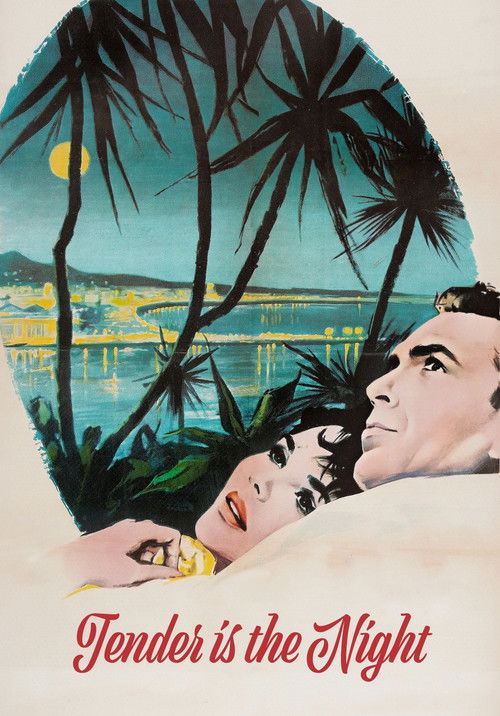
Tender Is the Night1962
A man at the center of everyone's admiration who slowly reveals himself to be fundamentally hollow—not just an addict but someone whose entire persona was constructed to hide emptiness. The Country Girl gives him a wife who sees through it; this film gives him a wife who enables it.
Jason Robards and Jennifer Jones in Fitzgerald's tragedy of talent, beauty, and addiction in the Jazz Age. Dick Diver's decline is slower and more poisonous than a drinking problem—it's spiritual exhaustion masquerading as sophistication.
But The film is sometimes overshadowed by nostalgia for the era. The pacing is unhurried to the point where some viewers find it draggy rather than absorbing.
People
Cast
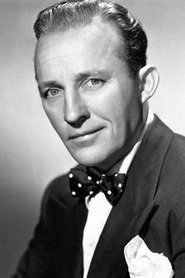 Bing CrosbyFrank Elgin
 Grace KellyGeorgie Elgin
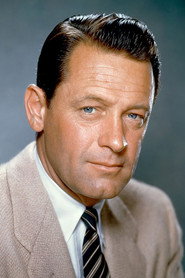 William HoldenBernie Dodd
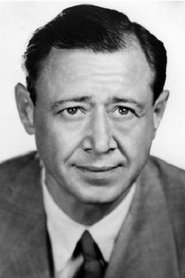 Anthony RossPhilip Cook
 Gene ReynoldsLarry
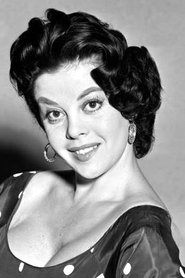 Jacqueline FontaineLounge Singer
 Robert KentPaul Unger
- John W. ReynoldsHenry Johnson
- Bob AldenBellboy (uncredited)
- Mary Ellen BattenSpectator (uncredited)
- Morgan BrownBar Patron (uncredited)
Directing
- Francisco DayAssistant Director
- George SeatonDirector
- Stanley K. ScheuerScript Supervisor
Writing
- George SeatonScreenplay
- Clifford OdetsTheatre Play
Production
- George SeatonProducer
- William PerlbergProducer
- Arthur JacobsonProducer's Assistant
- Harry CaplanProduction Manager