
Film
Days of Wine and Roses
Blake Edwards' clear-eyed portrait of a marriage dissolving into drink, built around two performances that refuse Hollywood's usual softening. Jack Lemmon and Lee Remick play the courtship and collapse with unflinching honesty — no villain, no easy exit, just two people loving each other into ruin. It's black-and-white, unglamorous, and genuinely upsetting; a film for people who want addiction shown as slow erosion rather than melodrama.
If you liked this
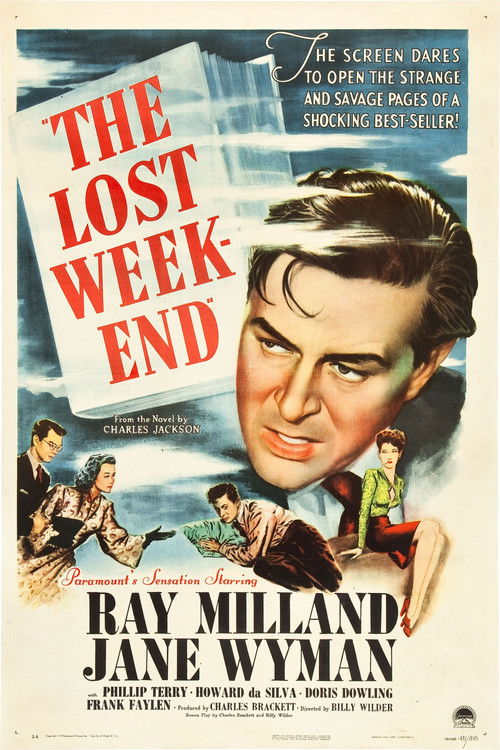
The Lost Weekend1945
Billy Wilder's original American alcoholism drama, the film that made Hollywood take drinking seriously — Ray Milland's spiraling weekend still lands like a gut-punch decades later.
But Its 1945 moralizing and studio-mandated ending feel tamer than the raw ambiguity you'll want after Lemmon and Remick.
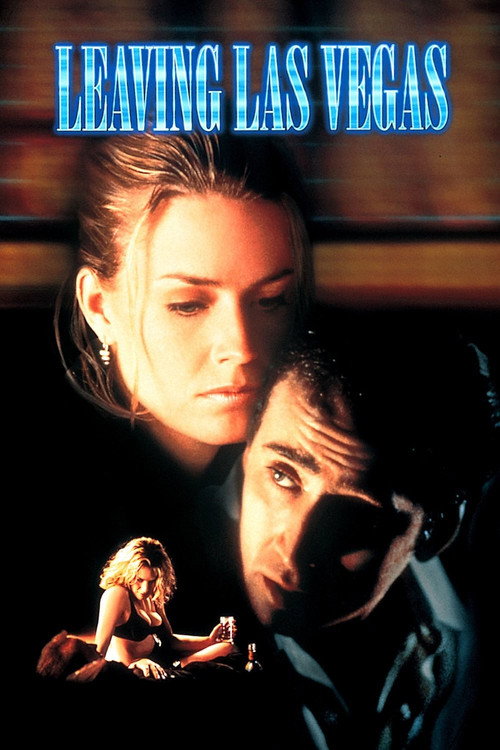
Leaving Las Vegas1995
Nicolas Cage drinks himself toward death with Elisabeth Shue as the woman who loves him anyway; it's the closest modern cousin to Joe and Kirsten's doomed devotion.
But It's bleaker and more nihilistic — there's no flicker of hope here, just a slow, deliberate goodbye.
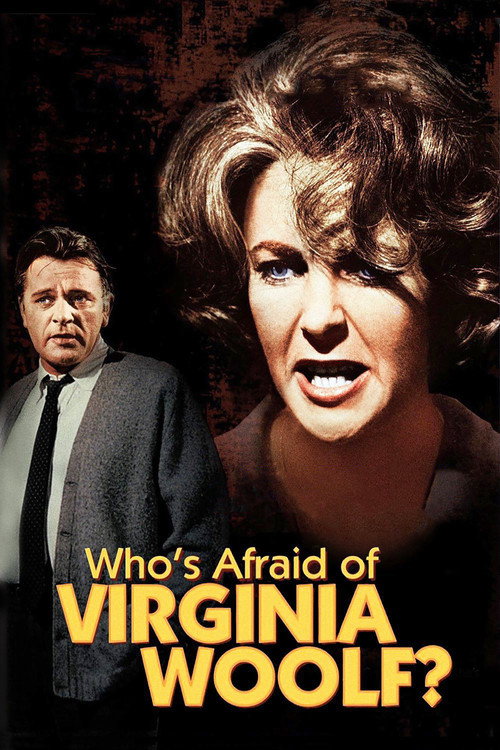
Who's Afraid of Virginia Woolf?1966
Burton and Taylor tear each other apart over gin and old wounds in a marriage that's just as consuming as Joe and Kirsten's, only louder and crueler.
But It's theatrical and verbally vicious rather than intimate — more a duel than a slow drowning.
The wildcard
Something you would not have found on your own.
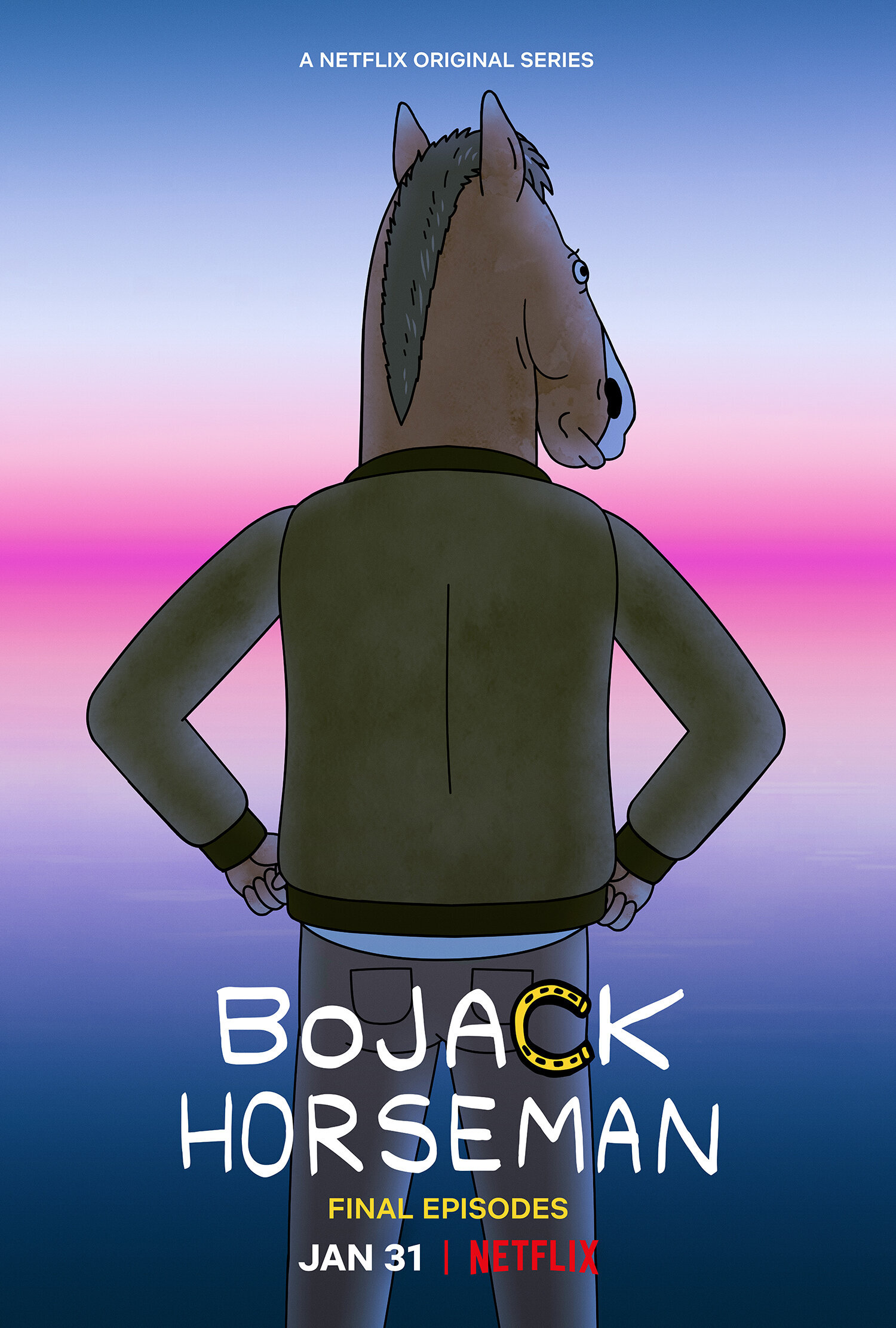
BoJack Horseman2014
Both study a charming addict who doesn't just destroy himself but systematically pulls the people who love him into his own decline — BoJack just does it across sixty episodes of cartoon comedy instead of two hours of 1960s realism.
An adult animated sitcom that becomes, over six seasons, one of the most devastating portraits of addiction and the wreckage it leaves in everyone nearby — a horse-man instead of a salesman, but the same slow poisoning of people who love him.
But The talking-animal sitcom trappings and jokes-per-minute pace make it a hard sell if you want something as spare and serious as Edwards' film.
More like this (8)
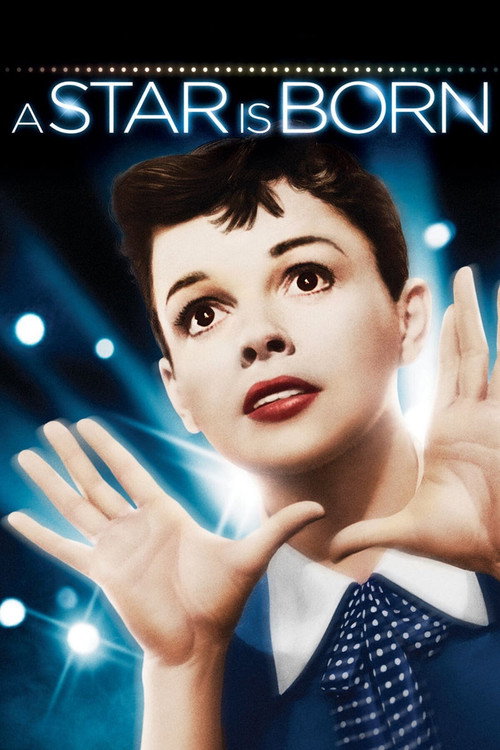
A Star Is Born1954
James Mason's fading star drinks himself into irrelevance while Judy Garland's career rises beside him — codependency and addiction quietly dressed up as a swooning showbiz romance.
But The musical numbers and old-Hollywood gloss soften the rawness you got from Edwards' stripped-down realism.
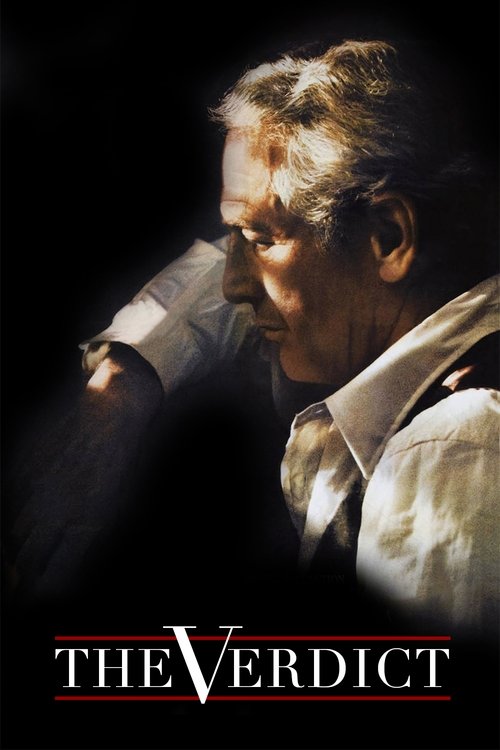
The Verdict1982
Paul Newman plays a washed-up alcoholic lawyer clawing toward one last shot at dignity — same rot, but here it's framed as redemption rather than romance.
But It's a courtroom drama at heart, so the addiction is background texture rather than the whole story.
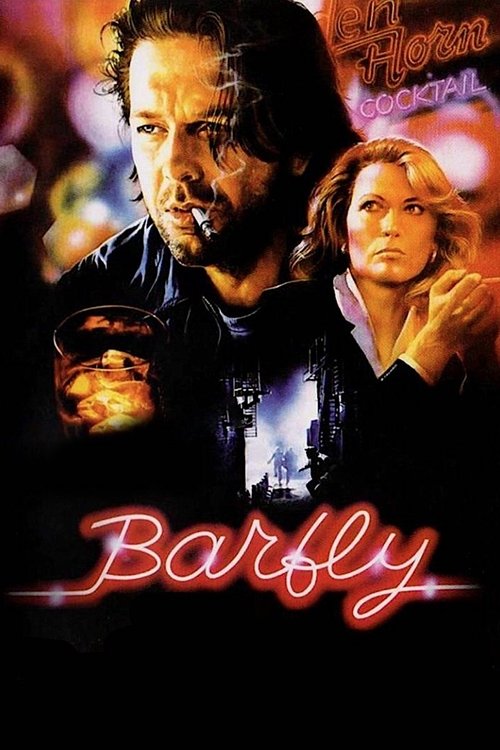
Barfly1987
Mickey Rourke and Faye Dunaway play drunks who actually enjoy their squalor together, a nastier, funnier answer to what sharing the passion really looks like.
But Its scuzzy romanticism can feel like it's celebrating the drinking lifestyle rather than mourning it.
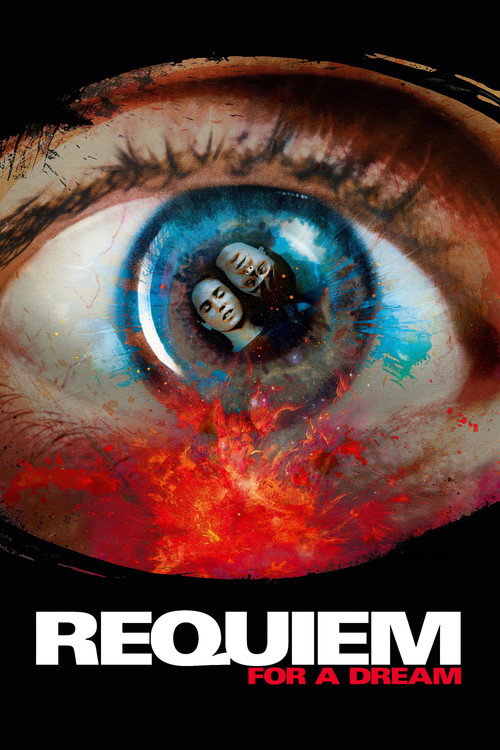
Requiem for a Dream2000
Swap booze for harder drugs and slow decline for freefall — Aronofsky's quartet of addicts pushes the same love-that-destroys idea to its most extreme, stylish limit.
But It's far more visually aggressive and traumatic; this is addiction as horror movie, not tragedy.
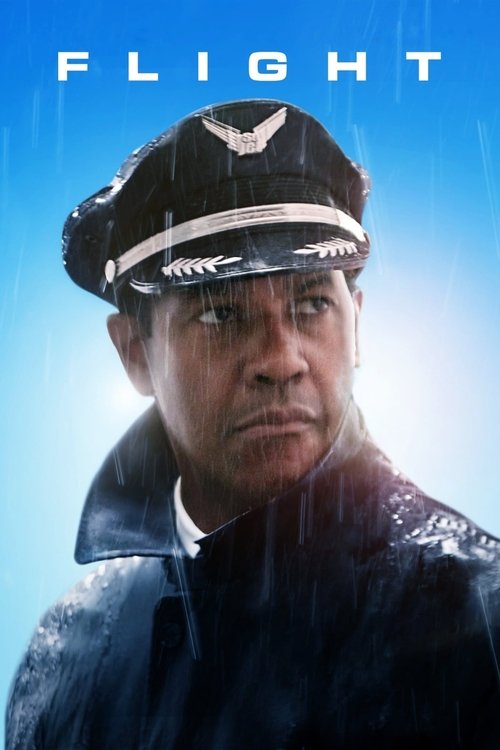
Flight2012
Denzel Washington's pilot hides a functioning alcoholism that threatens everyone around him, asking the same question this film does: how long can charm cover for collapse?
But The plane-crash framing device gives it a thriller shape that this quieter film never needed.
28 Days2000no page yet
A gentler, more mainstream look at getting sober, useful as a palate cleanser after the despair — Sandra Bullock's rehab comedy-drama shows the other side of the story: recovery.
But It's much softer and far more crowd-pleasing; the stakes feel low next to Lemmon's unraveling.
Arthur1981no page yet
Both films sell drinking as intimacy and shared joy before anyone reckons with the cost — Arthur just never sends the bill, which makes it a useful, uncomfortable contrast to Edwards' honesty.
Dudley Moore plays a drunk millionaire so charming you forget to worry about him — the same isn't-drinking-together-romantic seduction Joe uses on Kirsten, but played entirely as farce.
But It treats alcoholism as endearing eccentricity rather than danger, which may feel almost offensive after watching what it actually does to Kirsten.
Come Back, Little Sheba1953no page yet
Where Days of Wine and Roses shows a marriage sliding into addiction, this earlier film shows one straining to climb back out — same institution, same stakes, opposite direction of travel.
Burt Lancaster plays a recovering alcoholic whose sobriety strains his marriage in ways that echo Joe and Kirsten's story in reverse — hope instead of relapse, and just as fragile.
But It's stagier and slower, adapted straight from a William Inge play, and its 1950s restraint will feel quaint next to Lemmon's rawer breakdown.
People
Cast
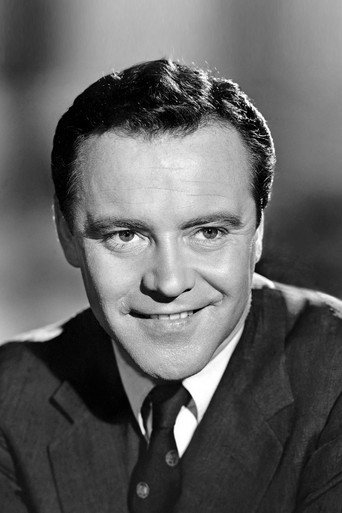 Jack LemmonJoe Clay
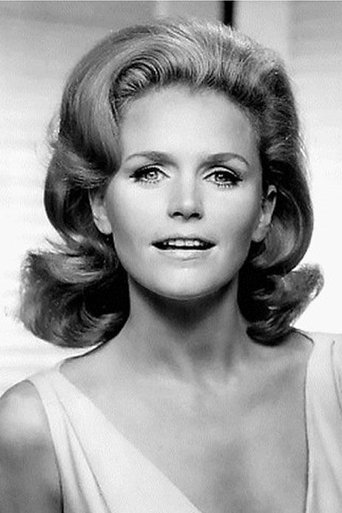 Lee RemickKirsten Arnesen Clay
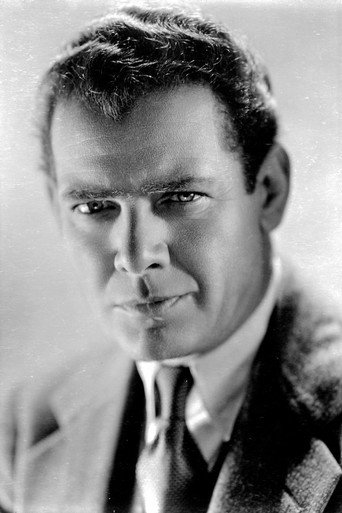 Charles BickfordEllis Arnesen
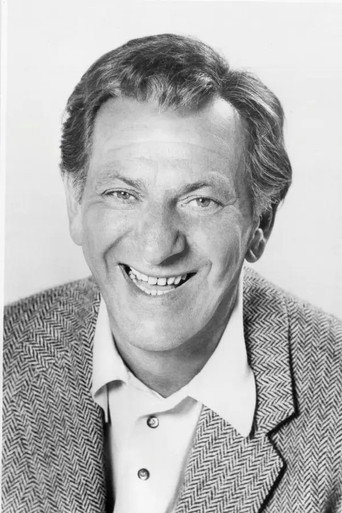 Jack KlugmanJim Hungerford
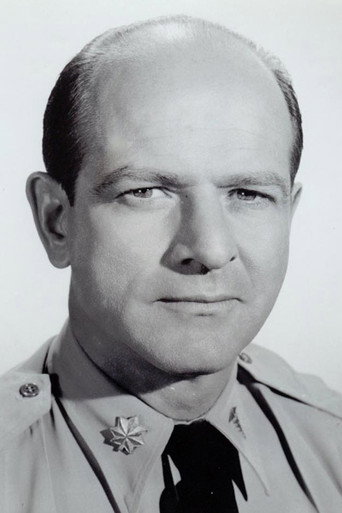 Alan HewittRad Leland
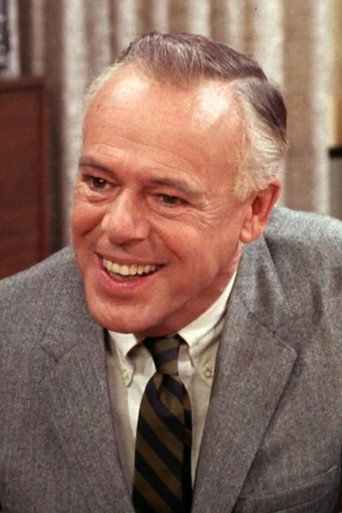 Tom PalmerBallefoy
- Debbie MegowanDebbie Clay
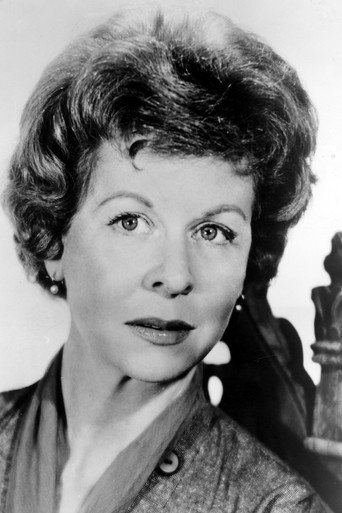 Maxine StuartDottie
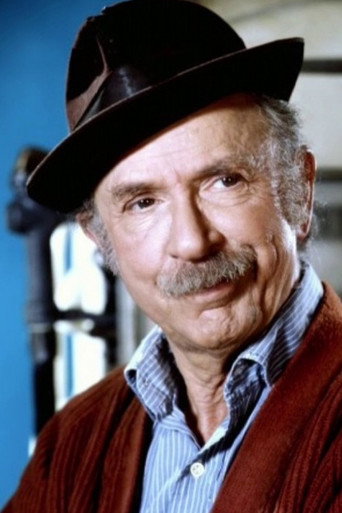 Jack AlbertsonTrayner
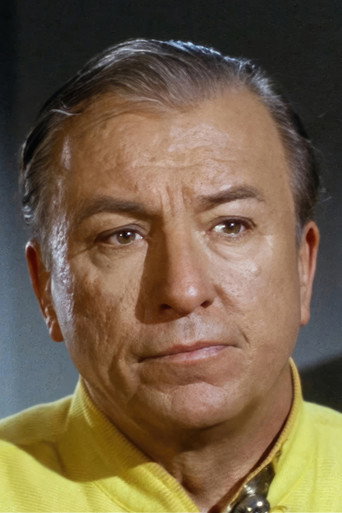 Ken LynchProprietor
- Leon AltonParty Guest (uncredited)
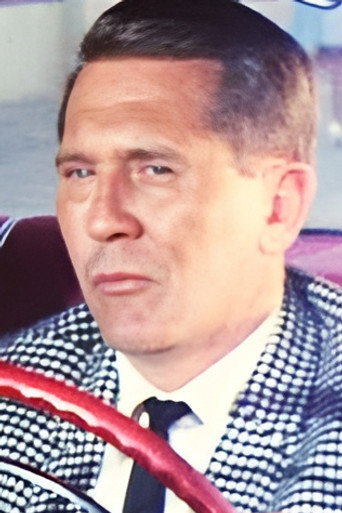 Don AndersonParty Guest (uncredited)
Directing
- Carter DeHaven Jr.Assistant Director
- Blake EdwardsDirector
- Betty A. GriffinScript Supervisor
Writing
- J.P. MillerWriter
Production
- Martin ManulisProducer
- Jack McEdwardUnit Production Manager
Recommended by
Nurse Jackie, The Man with the Golden Arm, The Hustler, Love, Blue Valentine, Leaving Las Vegas, A Star Is Born, The Panic in Needle Park, The Lost Weekend, Mom, Grace Under Fire, Long Day's Journey Into Night, Barfly, Physical