
Film
A Hatful of Rain
- Drama
- Very dark
A 1957 drama about a Korean War vet battling morphine addiction while his family fractures around him. Raw and unflinching, it pulls no punches about how addiction destroys not just the addict but everyone close enough to care. A portrait of shame, secrecy, and the slow erosion of trust within four walls. Essential viewing for anyone wanting to understand how postwar trauma and addiction were actually depicted in cinema.
Should you watch it?
Watch it if you are drawn to tightly wound family dramas where the tension comes from people talking around a problem they all see, with the acting carrying most of the weight.
Skip it if you want a clear-eyed case study of addiction, since this one cares more about a household's quarrels and loyalties than the drug, which can feel diffuse.
What it asks of you: Expect a slow build over a little under two hours, with long stretches of talk in cramped rooms and little relief. Patience counts for more here than quick reactions.
Not sure? Find tonight's pick in a minute.
If you liked this
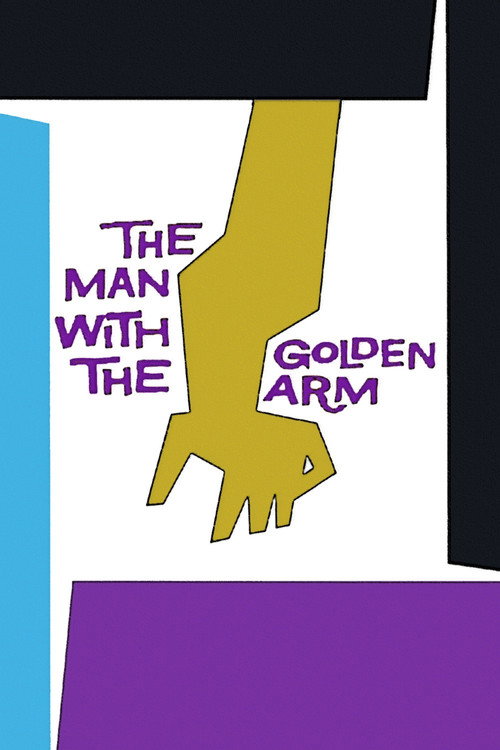
The Man with the Golden Arm1955
Preminger's landmark film about heroin addiction in Chicago. Darkly shot, morally complicated, and frank about withdrawal and desperation. Frank Sinatra gives one of his finest dramatic performances as a drummer trying to stay clean.
But The pacing is deliberate and can feel slow; some of the social attitudes embedded in the script haven't aged well.
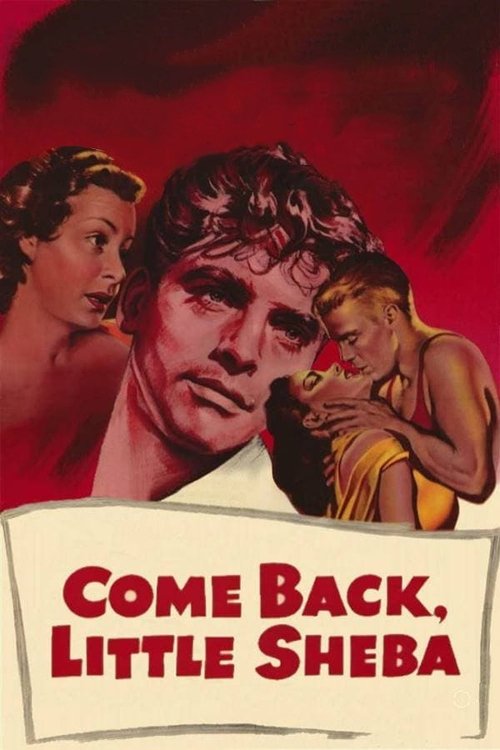
Come Back, Little Sheba1953
Shirley Booth and Burt Lancaster as a married couple in emotional freefall, with alcohol addiction at the core. Intimate, claustrophobic, devastating. Booth's performance is a masterclass in playing quiet desperation and faded hope.
But It's mostly set in one apartment and relies entirely on character work; there's no plot to lean on if the acting doesn't move you.
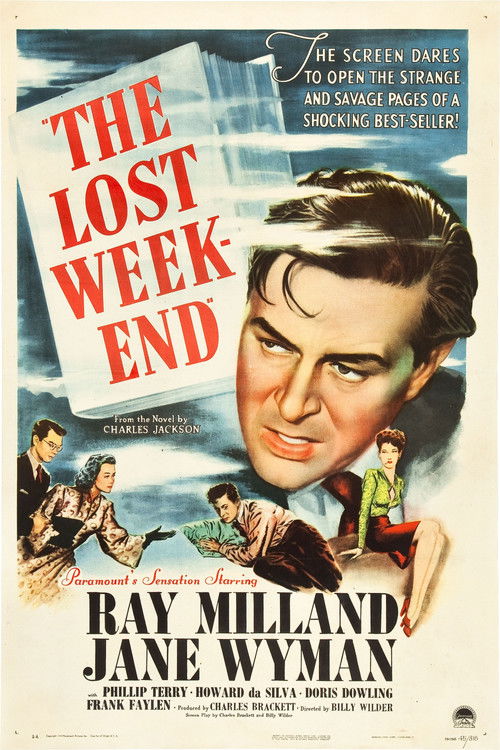
The Lost Weekend1945
Wilder's unflinching portrait of a writer's alcoholic spiral over four days. Genuinely harrowing—New York becomes a nightmare landscape. This film helped crack open Hollywood's code of silence around addiction and mental illness.
But Relentlessly bleak and punishing to watch; some viewers find the protagonist too unsympathetic to root for.
Not sure tonight? Get a pick in a minute, starting from A Hatful of Rain
The wildcard
Something you would not have found on your own.
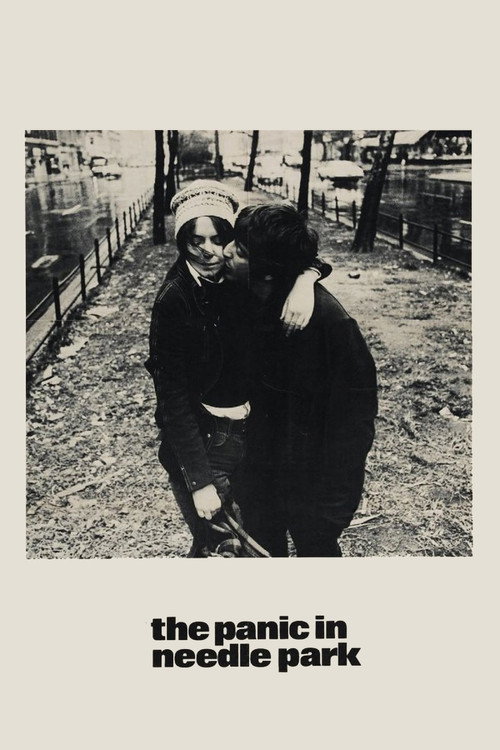
The Panic in Needle Park1971
Both films refuse sentimentality about addiction's impact on family and trust; both center on the addict's own perspective while showing collateral damage. Same unflinching moral stance, decades apart.
Inspired by actual events in NYC, this is heroin addiction at ground level—not aftermath, but the daily machinery of it. Al Pacino's film debut; Kitty Winn's performance is shattering. Shot in documentary style with nonprofessional actors, it has a gritty immediacy no studio film achieved. Required viewing for anyone serious about this subject.
But It's deliberately unglamorous and doesn't look away from desperation; some find it too bleak and punishing. Contains real degradation.
More like this (8)
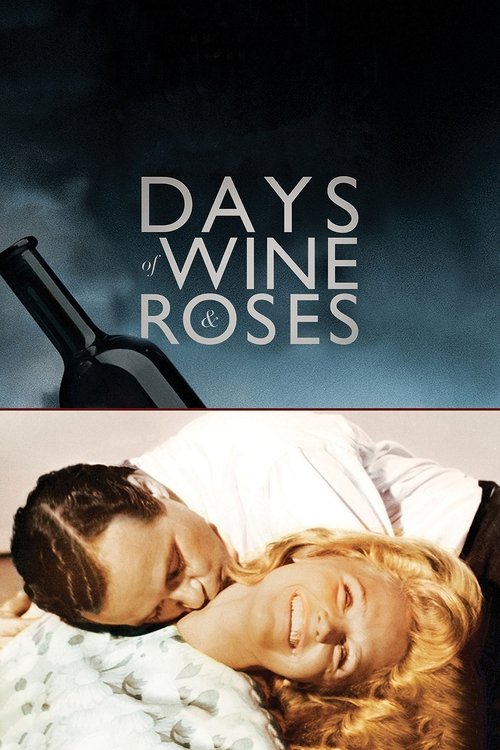
Days of Wine and Roses1963
Blake Edwards' brutal study of how alcoholism can metastasize from one person to destroy an entire marriage. Jack Lemmon is heartbreaking; the film never lets either character off the hook for their choices. Achingly human.
But The second half becomes almost unbearably sad; the film offers no comfort or redemption, which some find punishing.
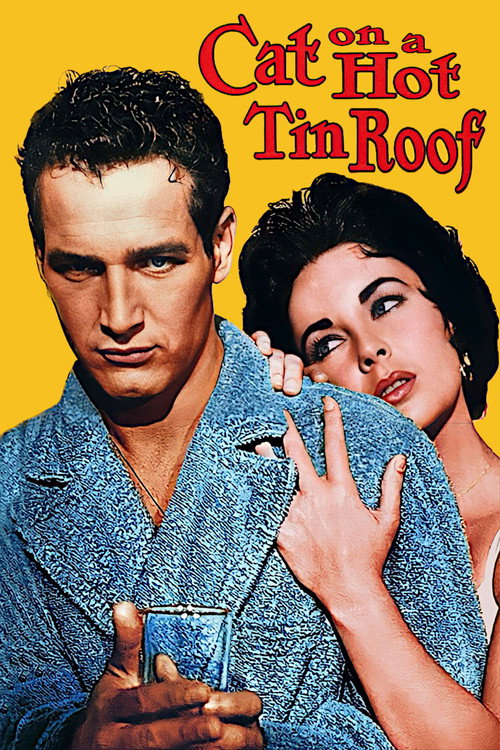
Cat on a Hot Tin Roof1958
Tennessee Williams' pressure-cooker family drama set in a single night. Tension, sexual frustration, alcoholism, and secrets all colliding. Elizabeth Taylor and Paul Newman crackle; Burl Ives is terrifying as the patriarch.
But Some of Williams' more provocative themes were censored for 1958; the film feels incomplete compared to the play.
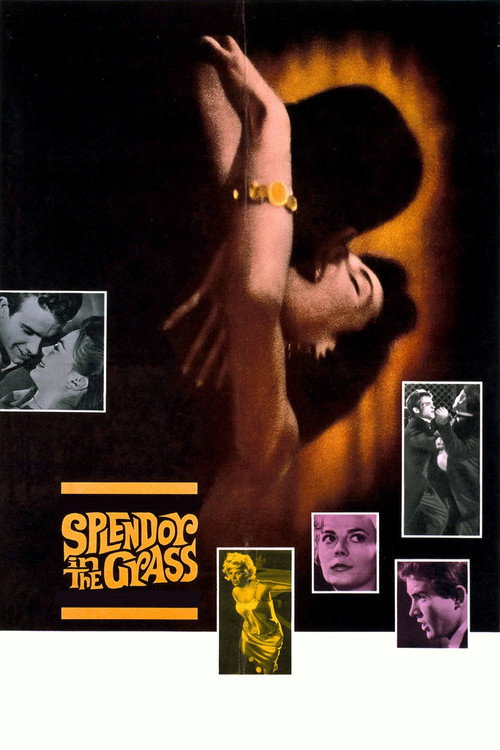
Splendor in the Grass1961
Elia Kazan's lush tragedy about teenage lovers destroyed by family pressure and unmet desire. Warren Beatty and Natalie Wood are luminous and tragic. It captures the suffocation of desire and expectation with real poetry.
But The emotional intensity is so sustained it can feel exhausting; the film is relentlessly bleak about American repression.
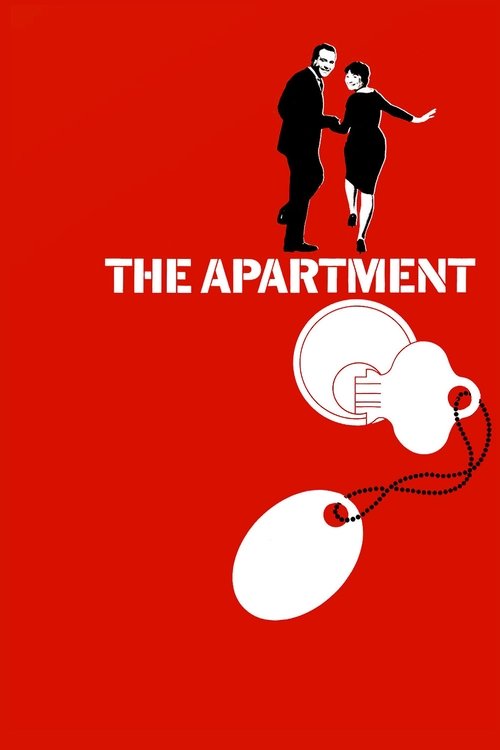
The Apartment1960
Billy Wilder's sardonic comedy-drama about a young man being ground down by corporate corruption and moral compromise. Jack Lemmon and Shirley MacLaine are brilliant. Funnier than you'd expect, sadder too—a perfect balance.
But The office politics plot can feel dated; some viewers wish it committed more fully to either comedy or melodrama.
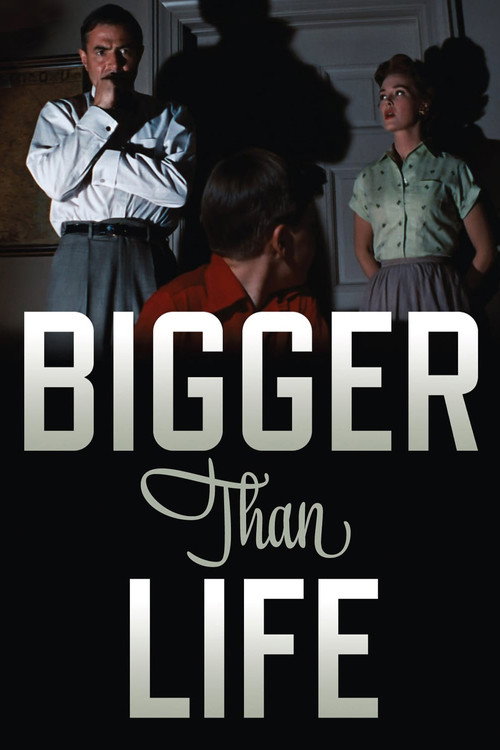
Bigger Than Life1956
Nicholas Ray's queasy, Technicolor nightmare about a man prescribed cortisone whose personality warps into something monstrous. Hypnotic and deeply unsettling. James Mason is chilling. It's about addiction, yes, but also about respectability fracturing.
But The visual style is so heightened it can read as campy rather than frightening; the ending divides viewers sharply.
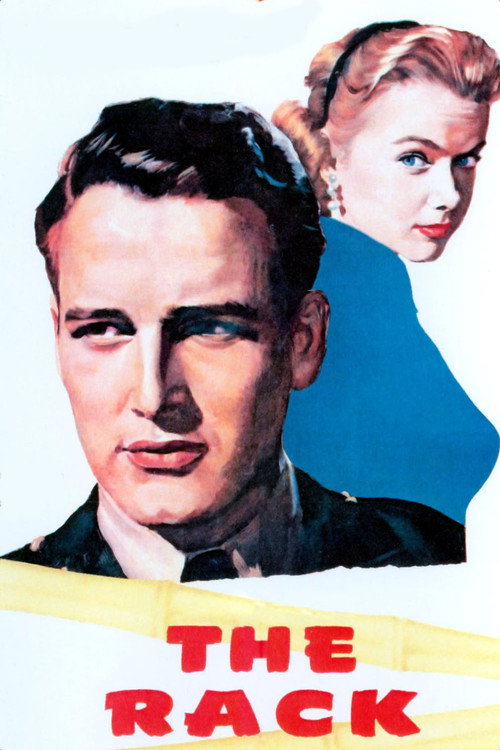
The Rack1956
Arnold Laven's lean courtroom drama about a Korean War POW court-martialed for collaboration. Paul Newman is taut with conflict. It's about the damage war does to the psyche, the compromises soldiers make to survive, and how America judged them for it.
But It's a courtroom film, so expect talk over action; some of the Cold War-era moralizing feels dated.
Requiem for a Dream2000
Where *Hatful of Rain* is about one man's addiction fracturing a family, *Requiem* expands the frame—addiction is shown as systemic, reaching across generations and forms. Same core insight delivered through opposite formal approaches.
Darren Aronofsky's multi-perspective portrait of addiction—heroin, pills, food, television. Four people, four addictions, one choreographed descent into hell. Visually devastating, soundtracked by Clint Mansell. It's maximalist where *Hatful of Rain* is restrained, but the emotional truth is identical.
But The style is relentless and exhausting by design; the final act is deliberately punishing. Some viewers find it manipulative rather than moving.

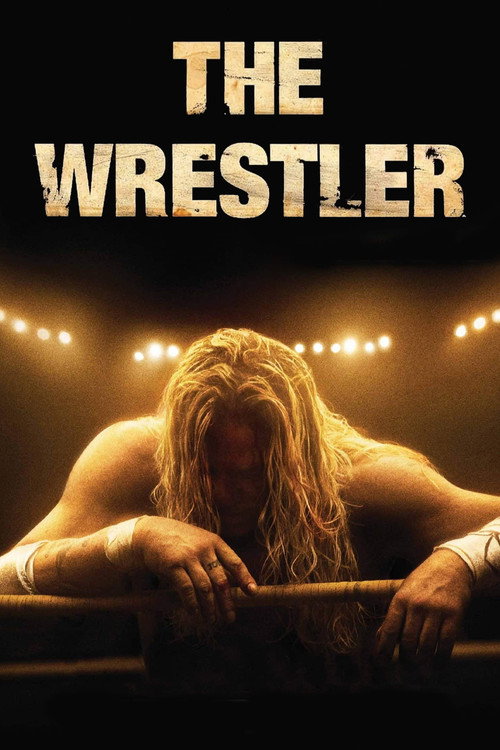
The Wrestler2008
Both films recognize that addiction can be about more than substances—it's about how we numb, escape, and avoid. *Hatful of Rain* shows addiction's shame and secrecy; *The Wrestler* shows how addiction can wear the mask of passion and ambition, which might be harder to confront.
Darren Aronofsky again, but quieter. Mickey Rourke as an aging wrestler addicted to performance, pills, and the pain that makes him feel alive. Shot in handheld naturalism; barely any score. It's about a man destroying himself for the thing he loves, and the people around him unable to stop him. Devastatingly tender.
But The climax splits audiences sharply; some see nobility, others see self-destruction. The depiction of relationships is deliberately unresolved and unsatisfying.
People
Cast
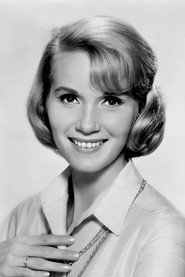 Eva Marie SaintCelia Pope
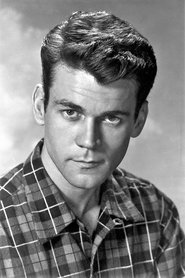 Don MurrayJohnny Pope
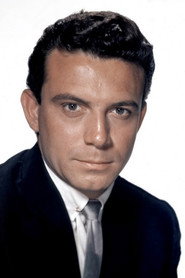 Anthony FranciosaPolo Pope
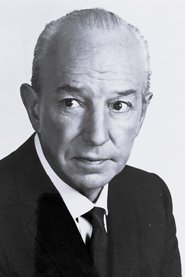 Lloyd NolanJohn Pope, Sr
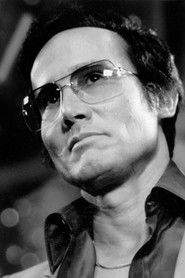 Henry SilvaMother
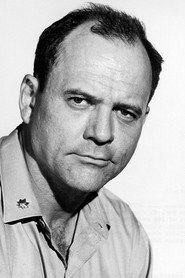 Gerald S. O'LoughlinChuch
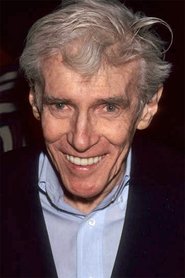 William HickeyApples
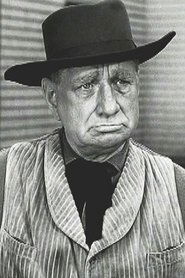 Paul KrugerBartender
- Ralph MontgomerySpectator at Football Game
- Michael ValeCab Driver
- Art FlemingJack - Mounted Cop
- Tom AhearneBartender (uncredited)
Directing
- Fred ZinnemannDirector
Writing
- Alfred HayesScreenplay
- Carl ForemanScreenplay
- Michael V. GazzoScreenplay
- Michael V. GazzoTheatre Play
Production
- Buddy AdlerProducer