
Film
Splendor in the Grass
This is a hothouse melodrama about desire crushed by convention — Elia Kazan's 1961 study of two Kansas teenagers whose passion collides with 1920s sexual morality and their parents' ambitions. Natalie Wood gives one of the great breakdowns in American film; Warren Beatty announces himself. It's overheated, aching, and unfashionable in its sincerity — for anyone who wants melodrama played dead straight, no irony, full volume.
If you liked this
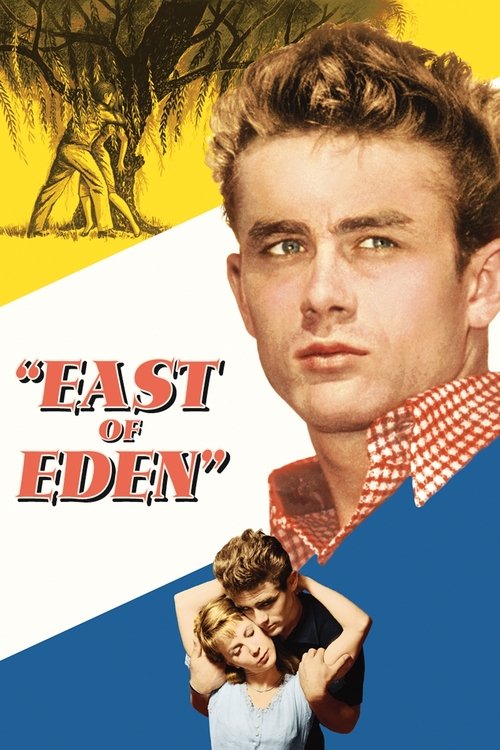
East of Eden1955
Kazan again, mining the same seam — repression, patriarchal control, a son straining against his father's expectations — with James Dean's raw, wounded performance anchoring it.
But More Freudian family drama than romance; if you came for star-crossed lovers rather than father wounds, it's a different ache.
Picnic1955no page yet
William Inge's other Kansas story, all sweat and small-town suffocation, with Kim Novak simmering against a rigid social order that has no room for wanting things.
But Broader and warmer than Splendor's tragedy — this one lets its characters off the hook more than Kazan ever would.
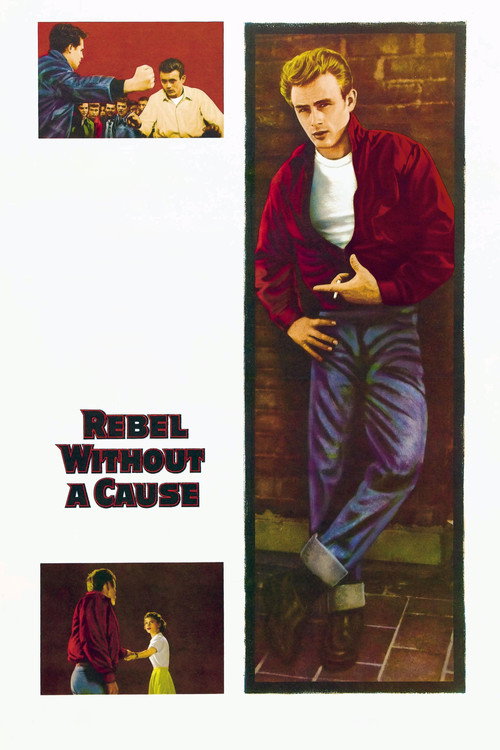
Rebel Without a Cause1955
The era's other great study of teenagers wrecked by parents who don't understand them, with James Dean and Natalie Wood herself circling the same doomed-youth material from a different angle.
But More outright melodrama of delinquency than sexual repression — the engine is similar, the specifics aren't.
The wildcard
Something you would not have found on your own.
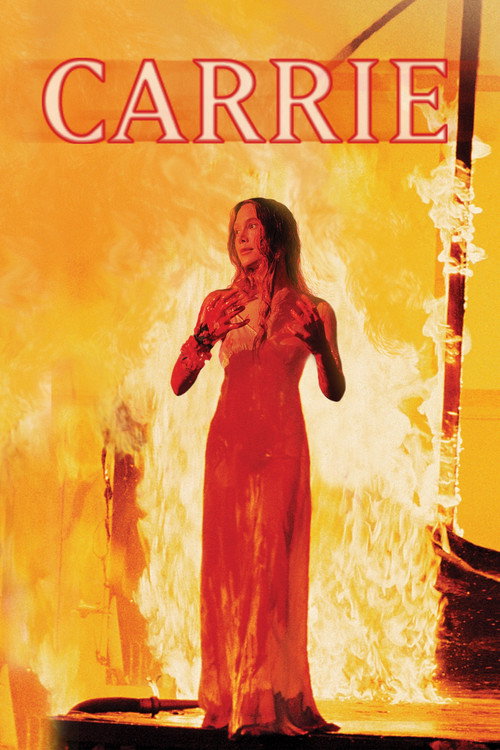
Carrie1976
Both are stories of a girl crushed between a controlling mother and her own emerging desire, ending in a public catastrophe — Carrie just lets the psychological violence become actual violence.
Brian De Palma takes the same ingredients — a repressive mother, a girl's awakening sexuality, a town that punishes difference — and detonates them as full-blown horror, with Sissy Spacek devastating in the lead.
But Blood, telekinesis and prom-night carnage are a long way from Kazan's realism — this is the same nightmare turned literal and lurid.
More like this (8)
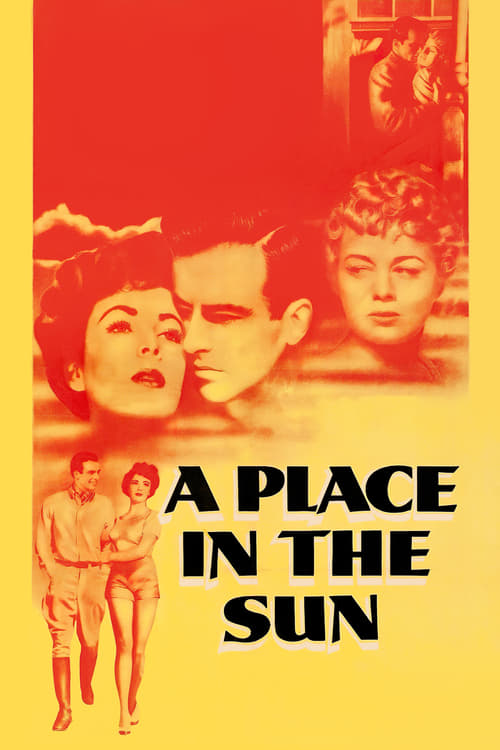
A Place in the Sun1951
Another doomed romance strangled by class and ambition, with Montgomery Clift and Elizabeth Taylor at their most luminous and miserable.
But Leans harder into noir fatalism and courtroom drama in its back half than Splendor's interior collapse.
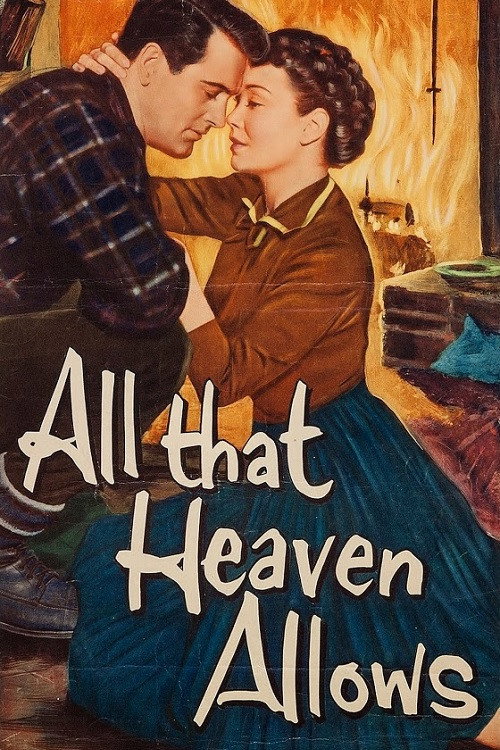
All That Heaven Allows1955
Douglas Sirk's Technicolor melodrama about a widow whose desire scandalizes her small-minded community — the same collision of want and respectability, dressed in gorgeous, knowing artifice.
But Sirk's irony and visual excess are a world away from Kazan's earnest, unguarded intensity.
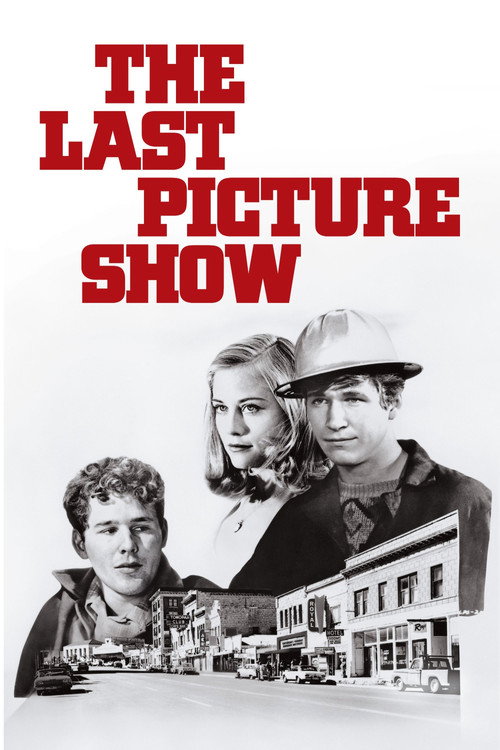
The Last Picture Show1971
A dusty, aching portrait of small-town teenagers whose sexual awakenings curdle into disappointment, shot with the same unsparing honesty about how little towns like these forgive.
But Cooler and more elegiac than hysterical — there's no breakdown here, just slow attrition.
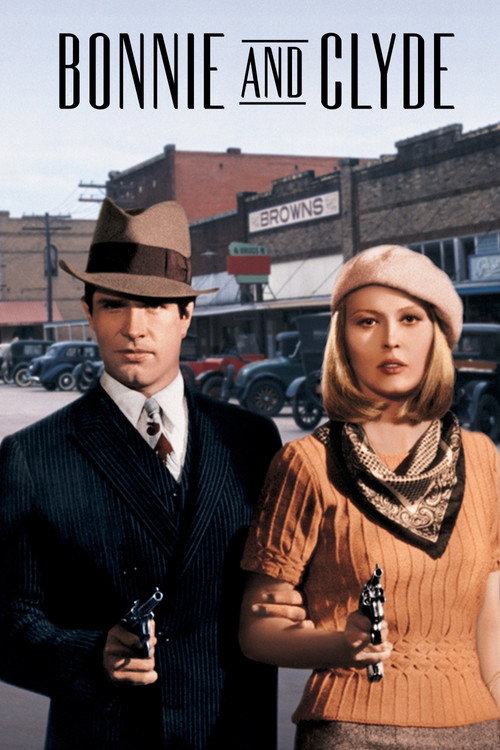
Bonnie and Clyde1967
Warren Beatty six years on, trading Kansas repression for open-road violence, but still playing a young man whose desire outruns what his world will allow.
But This is pure genre thrill and bloodshed — nothing like Splendor's slow, interior devastation.
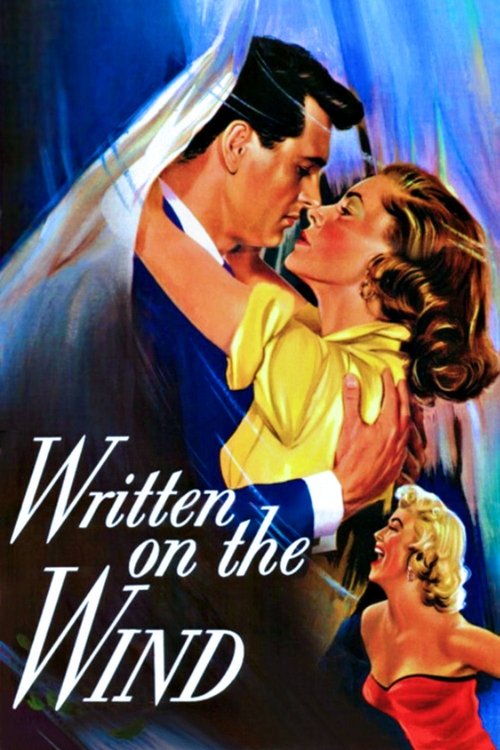
Written on the Wind1956
Sirk's other feverish melodrama, oil money and family rot standing in for Splendor's Kansas wealth, with desire twisting everyone who can't have what they want.
But Campier and more knowingly overheated — it plays its excess for a different, more theatrical effect.
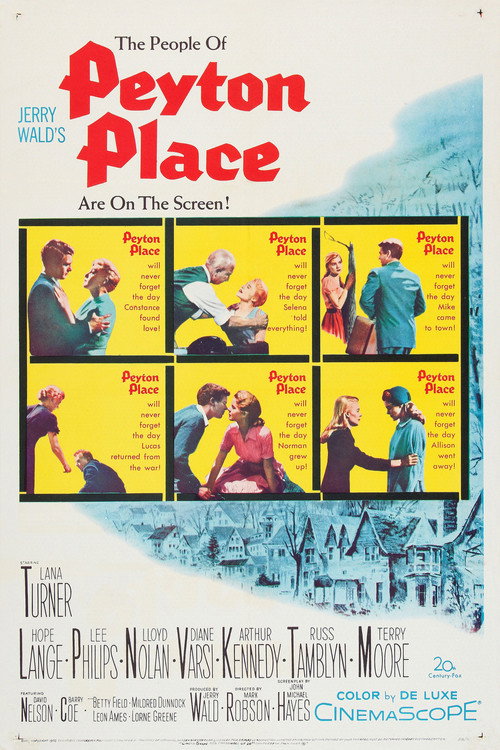
Peyton Place1957
Small-town New England hiding the same rot — sexual shame, parental control, a scandal everyone already half-suspects — told with a soapier, slightly more forgiving hand.
But Ensemble and plottier where Splendor is tightly, painfully focused on two people.
Way Down East1920no page yet
It's the blueprint Splendor is still quietly running four decades on — the 'fallen woman' punished for wanting, proof this story didn't start in 1961.
D.W. Griffith's silent melodrama, forty years earlier, already running the exact plot — a young woman ruined by desire and a double standard the town enforces without mercy — with Lillian Gish's face doing the work sound would later do with dialogue.
But Silent-era pacing and moral melodrama can feel stagey and slow to modern eyes; it asks patience Splendor doesn't.
Titicut Follies1967
Splendor sends its heroine off to a sanitarium and cuts away; this film refuses to cut away, and shows you the reality the melodrama only gestures at.
Frederick Wiseman's unflinching documentary inside a Massachusetts state hospital shows, with no fiction to soften it, what institutions like the one Deanie disappears into actually looked and sounded like.
But It's genuinely upsetting, unscored, unnarrated documentary footage of real patients — nothing about it is entertainment in the way Splendor still is.

People
Cast
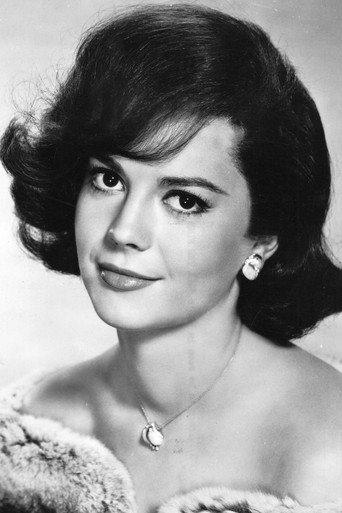 Natalie WoodWilma "Deanie" Loomis
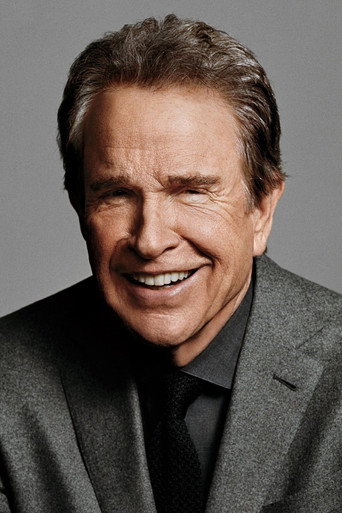 Warren BeattyBud Stamper
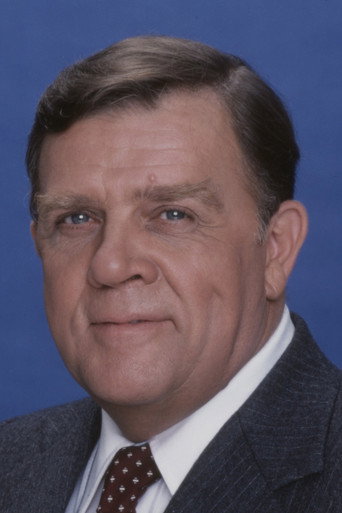 Pat HingleAce Stamper
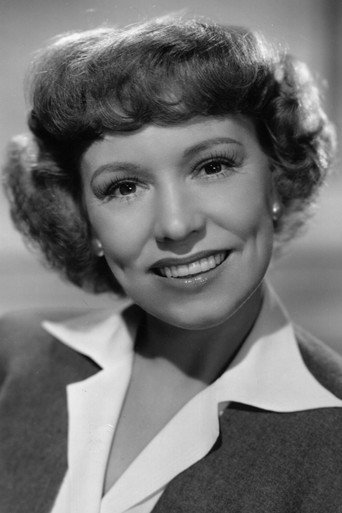 Audrey ChristieMrs. Loomis
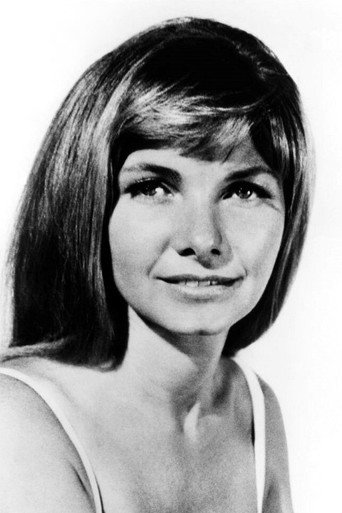 Barbara LodenGinny Stamper
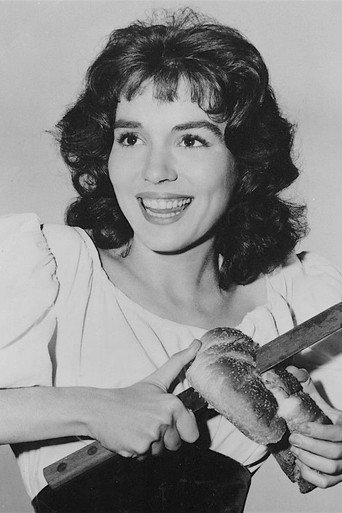 Zohra LampertAngelina
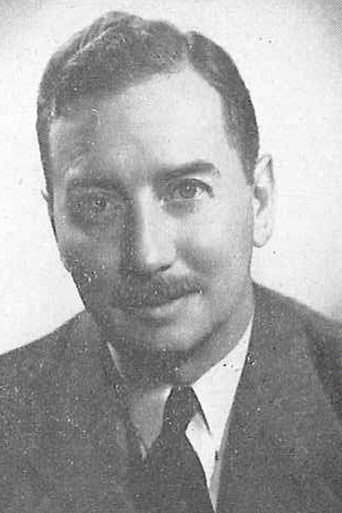 Fred StewartDel Loomis
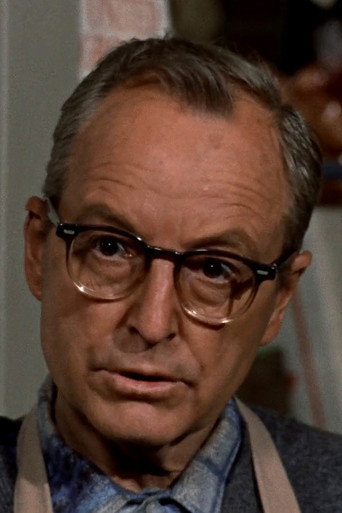 John McGovernDoc Smiley
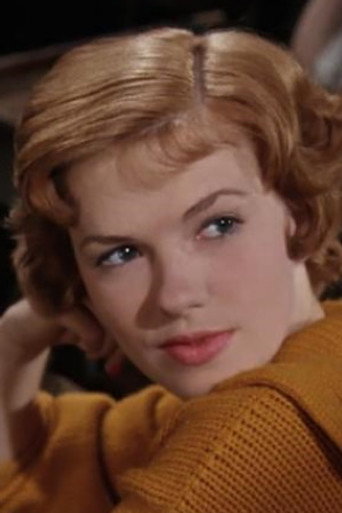 Jan NorrisJuanita Howard
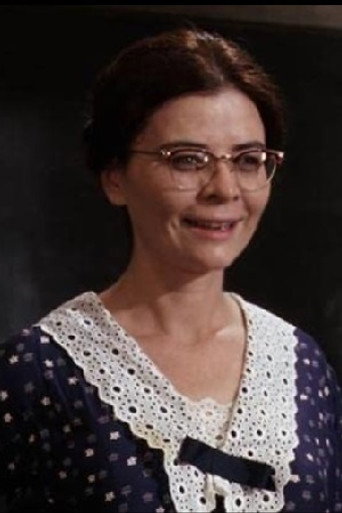 Martine BartlettMiss Metcalf
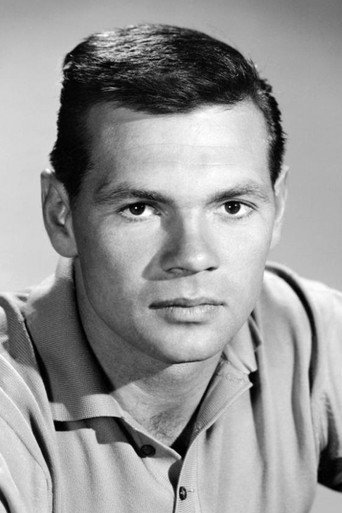 Gary LockwoodAllen 'Toots' Tuttle
 Sandy DennisKay
Directing
- Don KranzeAssistant Director
- Ulu GrosbardAssistant Director
- Marguerite JamesContinuity
- Elia KazanDirector
Writing
- William IngeWriter
Production
- Charles H. MaguireAssociate Producer
- William IngeAssociate Producer
- Elia KazanProducer
- Mart CrowleyProduction Assistant
Recommended by
My So-Called Life, The Last Picture Show, Saved!, All That Heaven Allows, The Perks of Being a Wallflower, My Mad Fat Diary, You+Me - Against the World, A Streetcar Named Desire, Peyton Place, East of Eden, A Summer Place, Rebel Without a Cause, A Place in the Sun, Romeo and Juliet