
Film
Desire Under the Elms
- Family drama
- Very dark
A raw adaptation of Eugene O'Neill's play about lust, greed, and generational rage on a hardscrabble New England farm. Sophia Loren smoulders as a young bride scheming to secure her inheritance while tangling dangerously with her stepson. It's operatic and elemental—desire clashing against stone-cold avarice. For those who want their melodrama literary and their passions genuinely dark.
If you liked this
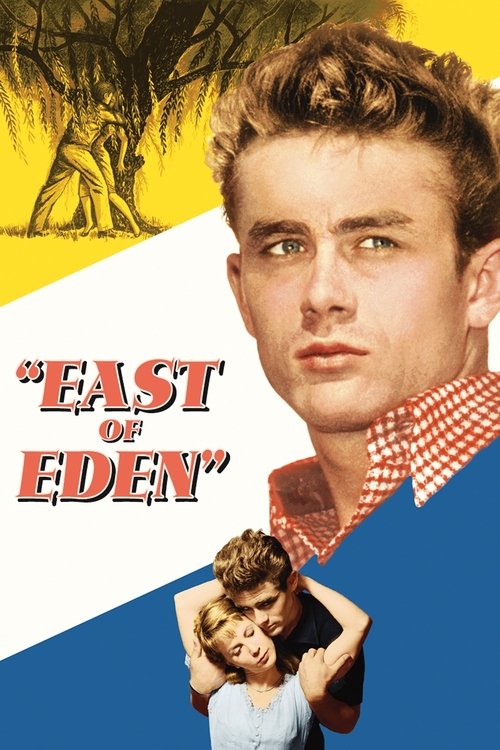
East of Eden1955
Another multigenerational saga of inheritance, bitterness, and sons struggling against a tyrannical father. James Dean burns with the same rage Perkins channels here, and the moral questions cut just as deep.
But Nearly three hours long and steeped in 1950s family-drama earnestness that can feel heavy-handed if you're not prepared for it.
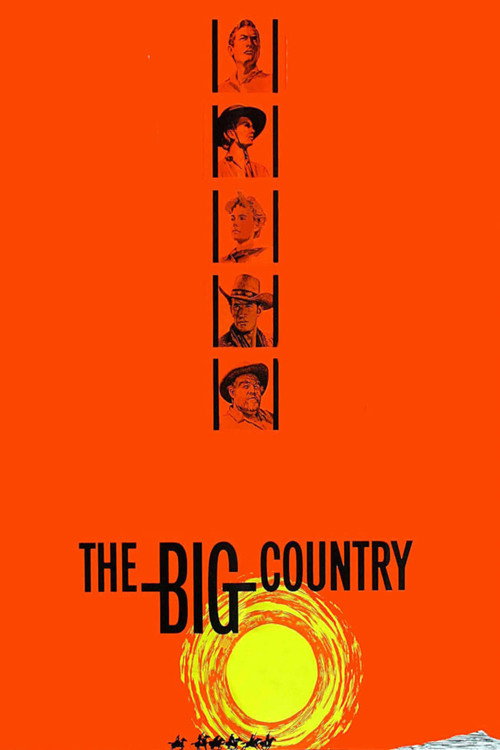
The Big Country1958
Burl Ives (playing the same role he did here on stage) dominates a Western about land, pride, and fathers grinding down their sons. Epic in scale, intimate in its character conflicts.
But A sprawling cowboy picture that takes its time—pacing feels glacial if you want plot momentum over texture.
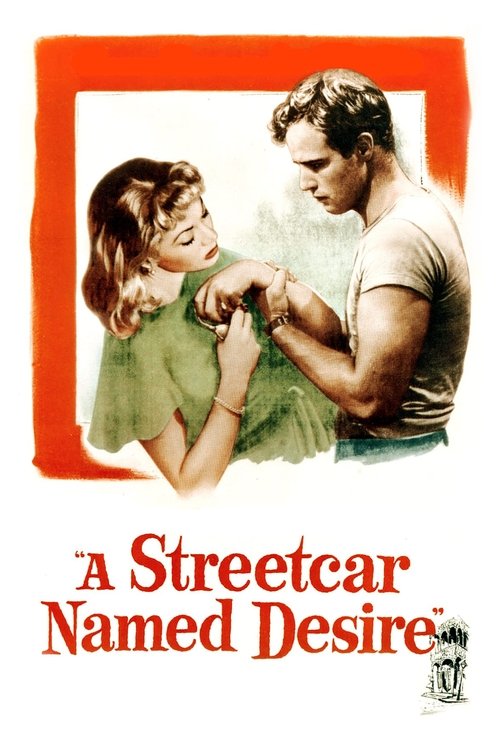
A Streetcar Named Desire1951
Brando and Leigh generate similar electric friction in a confined space. Same postwar unease, same feverish carnal tension masking deeper psychological wounds.
But Brutally dark and disturbing. The final act moves into territory that feels genuinely cruel, not theatrical.
Not sure tonight? Get a pick in a minute, starting from Desire Under the Elms
The wildcard
Something you would not have found on your own.
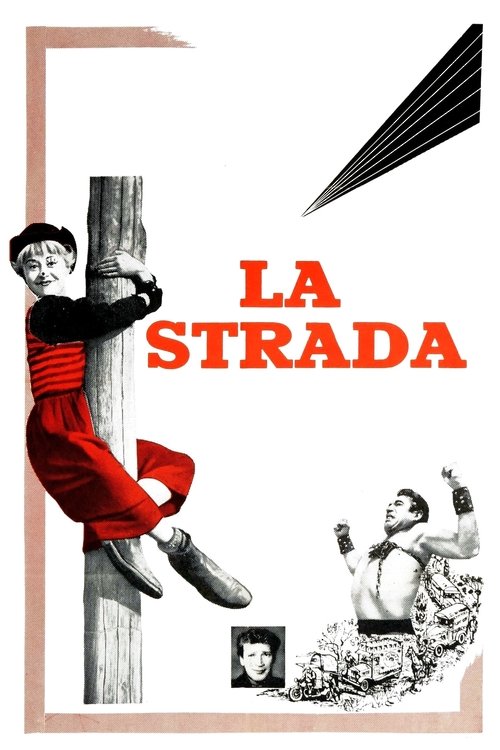
La Strada1954
Both examine the interior lives of the powerless within systems of property and male dominion. Both are unsparing about what survival costs.
Fellini's masterpiece about a young woman trapped in spiritual and physical servitude to a brutal strongman. Like Desire, it's about survival within exploitation, but shot through with poetry and grotesque circus magic. The anguish is raw and real.
But Italian neorealism inflected with surrealism makes for slow, hallucinatory pacing. The cruelty is never softened or explained away—it simply accumulates.
More like this (8)
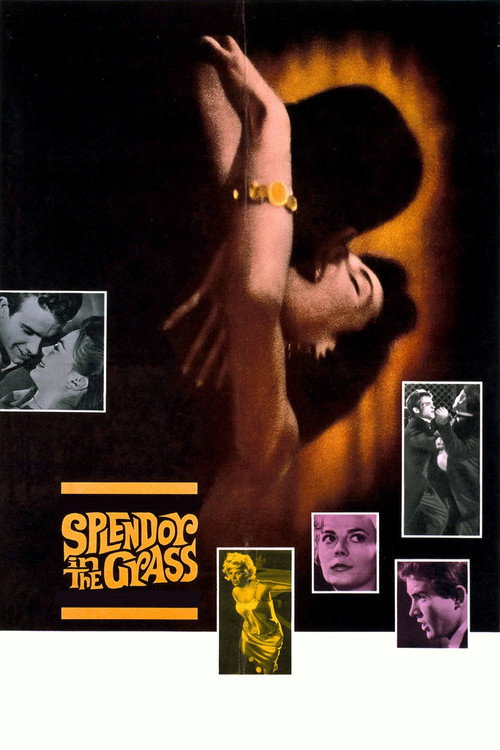
Splendor in the Grass1961
William Inge captures youth and desire constrained by family wealth and social expectation. Warren Beatty and Natalie Wood's affair unfolds against generational disapproval with real erotic charge.
But The middle section sprawls into melodrama, and the resolution feels tidy given everything that precedes it.
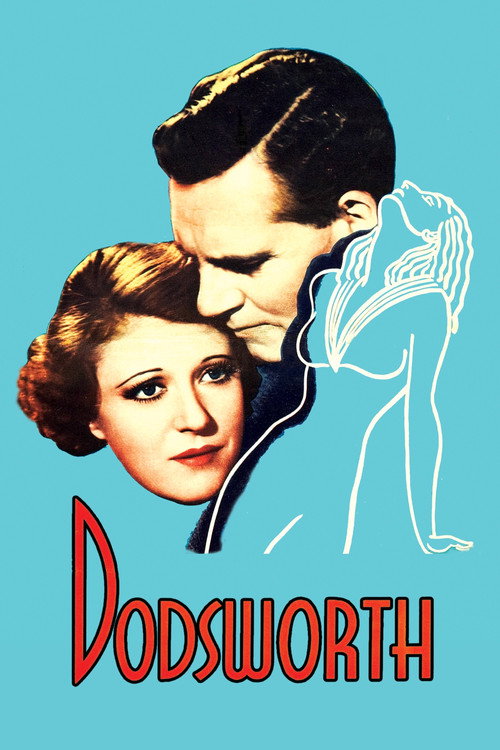
Dodsworth1936
Walter Huston as a self-made man watching his marriage crumble when a European woman enters the picture. Similar architecture—marriage, ambition, the threat an outsider poses to family stability.
But Pre-war Hollywood restraint means the passion simmers rather than boils. Feels antiquated even by 1936 standards.
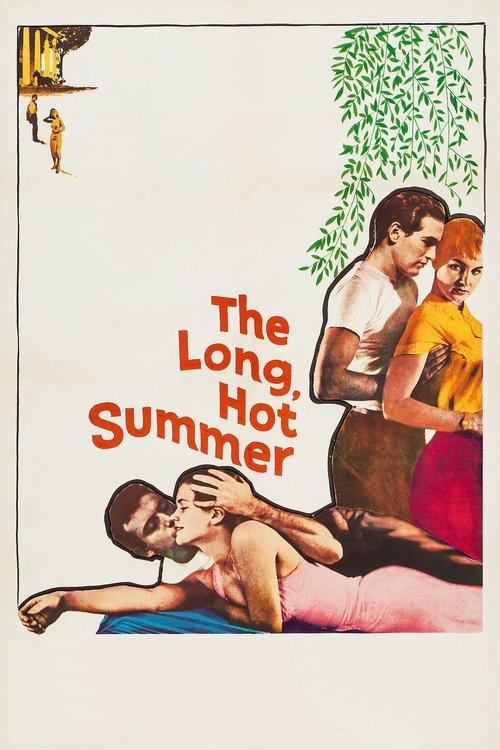
The Long, Hot Summer1958
Paul Newman and Joanne Woodward spar in another Southern Gothic tale of desire colliding with family secrets and property disputes. Orson Welles commands every frame he occupies.
But CinemaScope and Technicolor give it a glossiness that undercuts the grimness. Beautifully shot but sometimes too pretty for its own good.
All That Jazz1979
Fosse's semi-autobiographical fever dream about ambition consuming a marriage. If you respond to Desire's intensity, you'll recognize this as a spiritual descendant—passion as self-destruction.
But Aggressively theatrical and formally experimental. The musical numbers and fragmented narrative alienate as readily as they transport.
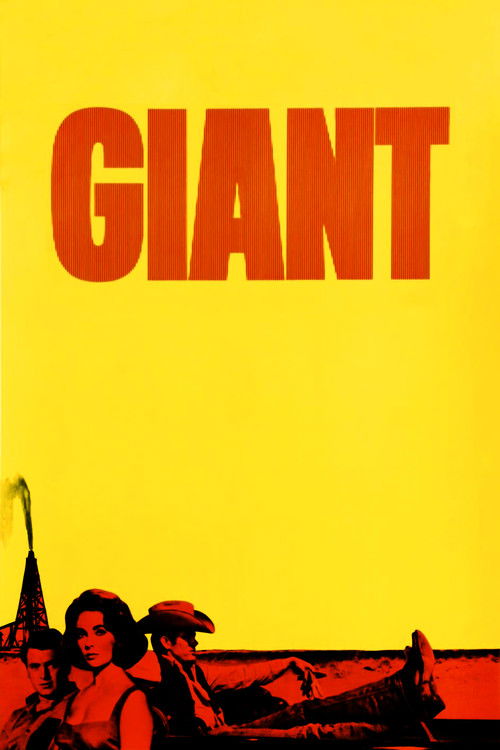
Giant1956
Three-and-a-half hours tracking wealth, desire, and social upheaval across generations on a Texas ranch. Elizabeth Taylor arrives like a bomb. Rock Hudson and James Dean embody the clash of old and new.
But Episodic and baggy. The second half loses focus, and the racial politics feel clumsy even accounting for the era.
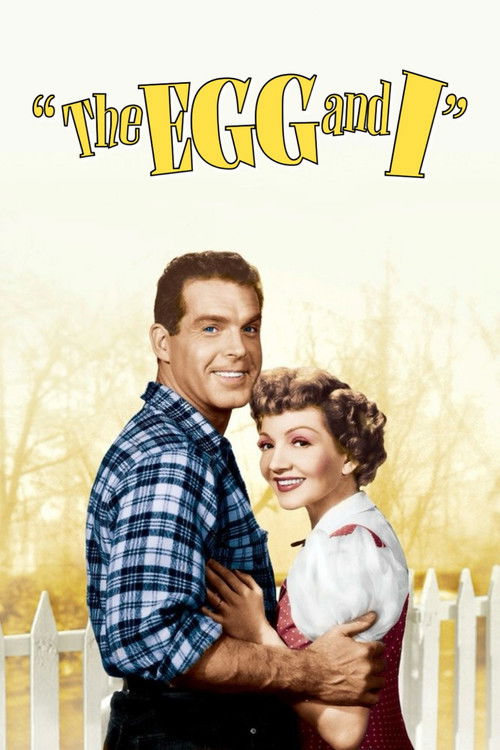
The Egg and I1947
Claudette Colbert as a society woman adjusting to frontier hardship; Fred MacMurray as a taciturn farmer. Lighter in register than Desire, but built on the same friction between incompatible worlds.
But Aggressively sunny—a romantic comedy pretending the real hostilities don't exist. Safe and sanitized.
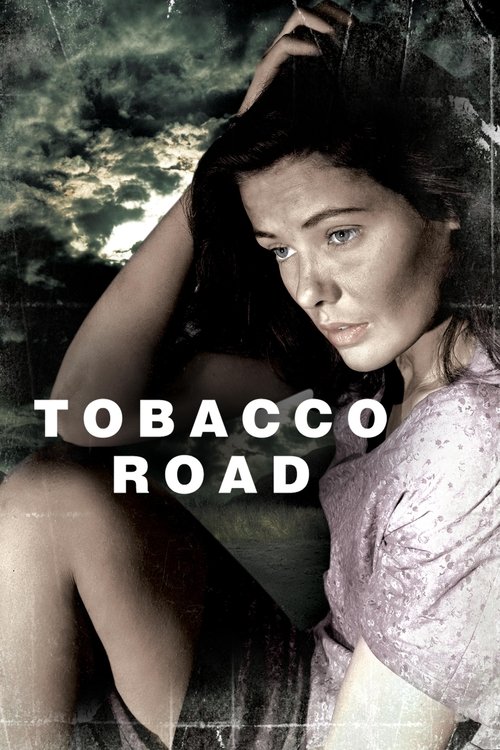
Tobacco Road1941
Both texts expose the myth of land ownership as salvation. The farm is not a prize—it's a trap baited with hope.
John Ford's adaptation of Erskine Caldwell's play about poverty and rural decay in the American South. Like O'Neill, Caldwell writes about people crushed by circumstance and appetite. The squalor feels documentarian; the desperation authentic.
But Presented as a rural comedy, which makes the degradation deeply uncomfortable. Hard to know if you're meant to laugh or flinch.
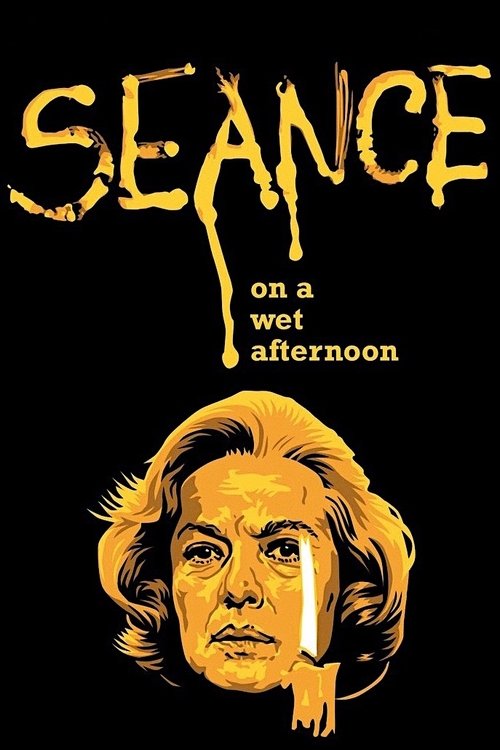
Seance on a Wet Afternoon1964
Both dramatize how marriage can become a locked room where appetite and possession cannibalize each other. The outside world barely exists.
Kim Stanley and Richard Attenborough as a married couple whose shared delusions and hidden resentments curdle into conspiracy. It's a two-hander about two people who have become each other's prisons—psychological rather than economic, but the architecture is identical.
But Claustrophobic and deeply unsettling. Stanley's performance is magnificent and nearly unwatchable. There are no likeable people and no relief.
People
Cast
 Sophia LorenAnna Cabot
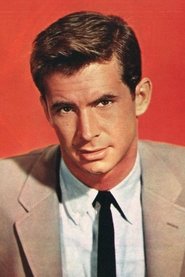 Anthony PerkinsAbel Cabot
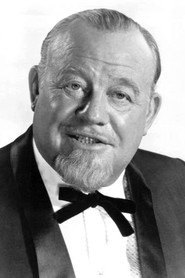 Burl IvesÉphraïm Cabot
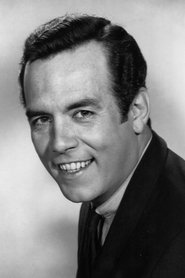 Pernell RobertsPierre Cabot
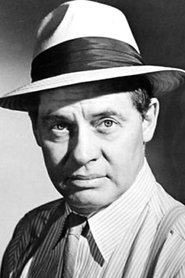 Frank OvertonSimeon Cabot
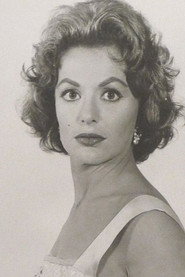 Rebecca WellesLucinda Cabot
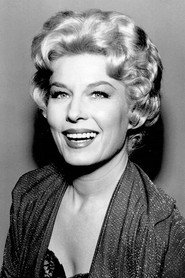 Jean WillesFlorence Cabot
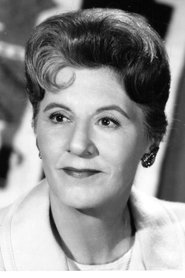 Anne Seymourla mère d’Eben
- Roy FantFiddler
- Jamie ForsterFarmer
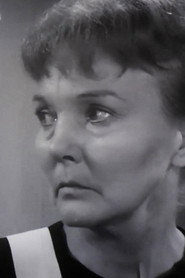 Ezelle PouleFarm Woman
Directing
- Delbert MannDirector
Writing
- Irwin ShawScreenplay
- Eugene O'NeillTheatre Play
Production
- Bert McKayCasting
- Don HartmanProducer