
Film
East of Eden
Elia Kazan's Technicolor take on Steinbeck's sprawling family saga is really just the Cain and Abel story wearing California overalls. James Dean, in his first starring role, plays the unloved son twitching against his father's cold righteousness — wounded eyes, slouched shoulders, a whole new grammar of screen anguish. Lush, theatrical, occasionally overripe, and unforgettable.
If you liked this
Rebel Without a Cause1955
Dean's other landmark performance, playing another son desperate for a father who can't see him — the alienation here is louder and more overtly tragic, red jacket and all.
But More overtly melodramatic than Eden, and its teenage-angst iconography can feel dated next to Kazan's steadier hand.
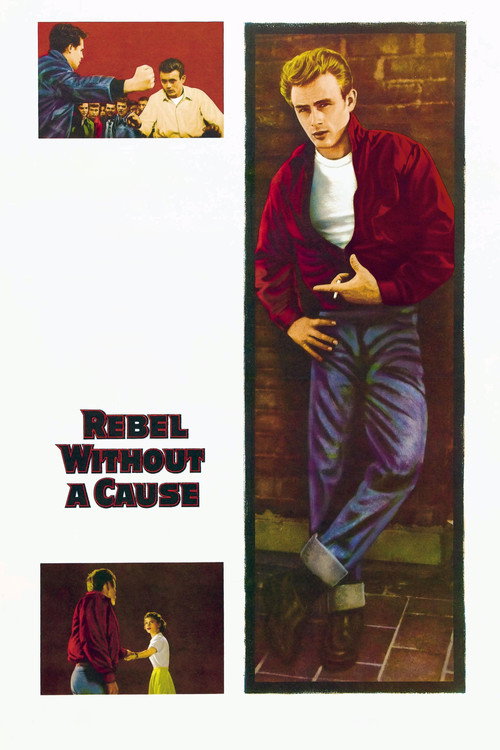
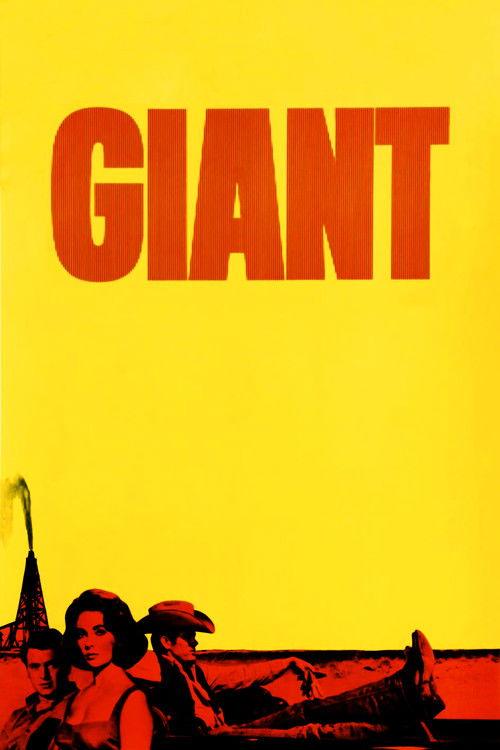
Giant1956
Dean's final film, a sprawling Texas epic about land, oil and generational pride that plays like Eden's themes stretched across decades on a much bigger canvas.
But Three hours plus, and Dean's role is smaller and stranger than his first two star turns.
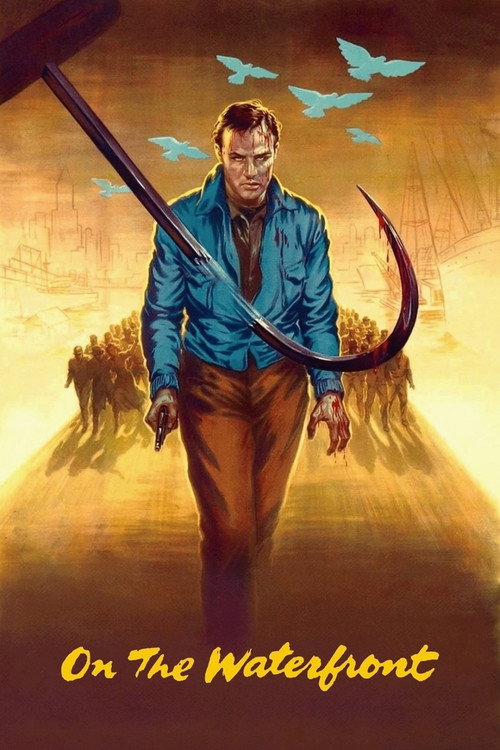
On the Waterfront1954
Kazan and Brando the year before Eden, with the same interest in conscience versus loyalty, filmed with that gritty tenderness toward men who can't say what they feel.
But Its moral clarity is more straightforward — less tangled than Cal's messy need for approval.
The wildcard
Something you would not have found on your own.
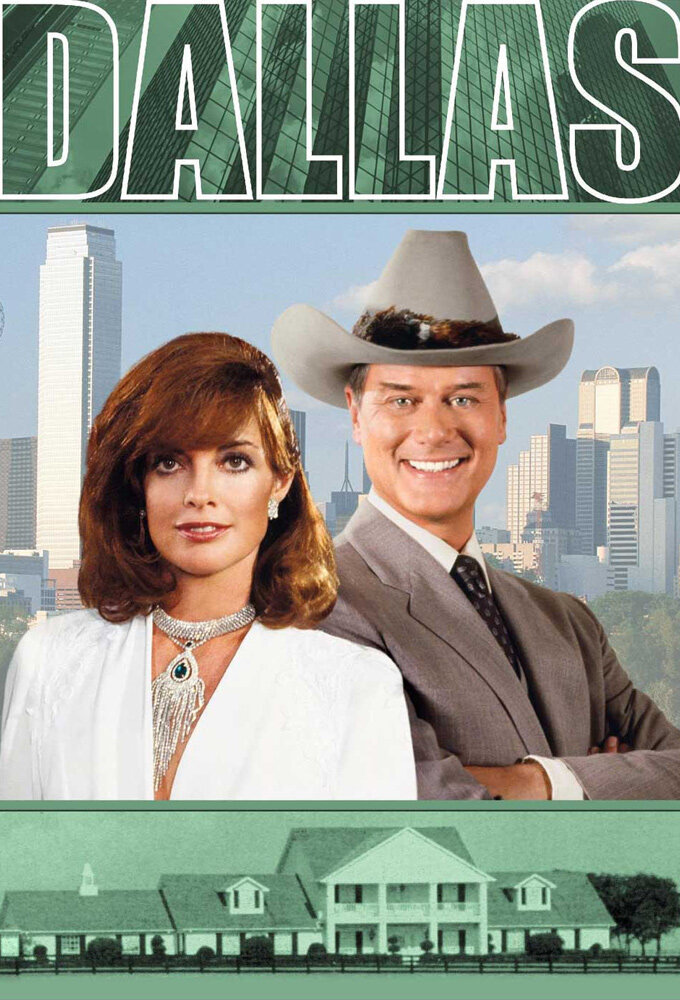
Dallas1978
Same structural engine as Eden — the withholding father, the sons who scheme and suffer for his approval — just transplanted from lettuce farms to Texas oil, played for pulp instead of tragedy.
This prime-time soap took the same bones — a patriarch, competing sons, one favored, land and inheritance standing in for love — and ran with them for thirteen trashy, addictive seasons.
But Pure network soap opera, allergic to subtlety, and it asks for a serious time investment across hundreds of episodes.
More like this (8)
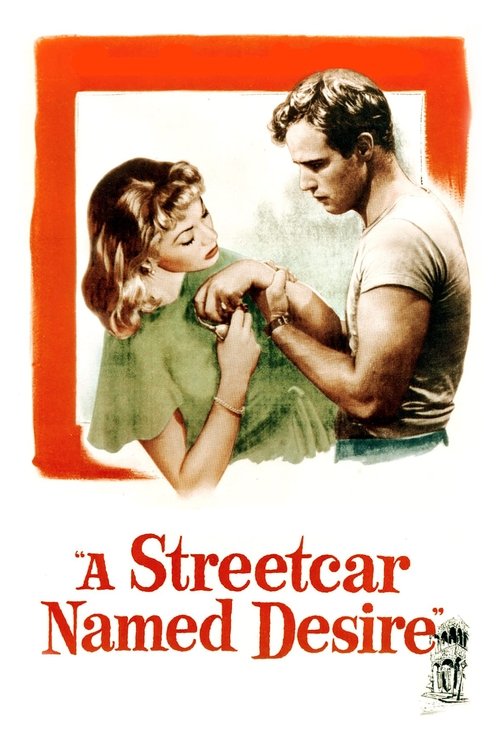
A Streetcar Named Desire1951
Kazan's other great family pressure-cooker, all heat and repression, showing where his theatrical instincts came from before he loosened up for Eden's wide-open valley.
But Stagier and more claustrophobic — if you wanted Eden's landscape and open air, this won't give it to you.
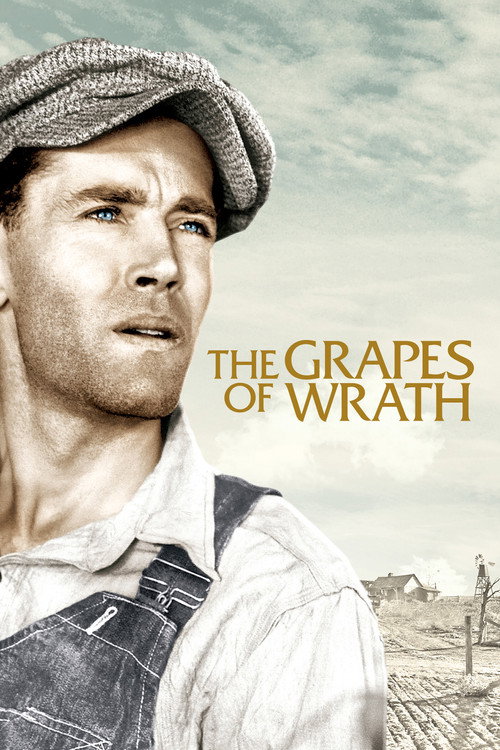
The Grapes of Wrath1940
Another Steinbeck story about the American land and the families it breaks, filmed fifteen years earlier by John Ford with the same ache around fathers, sons and duty.
But Black-and-white social realism instead of lush color melodrama — a much cooler emotional register.
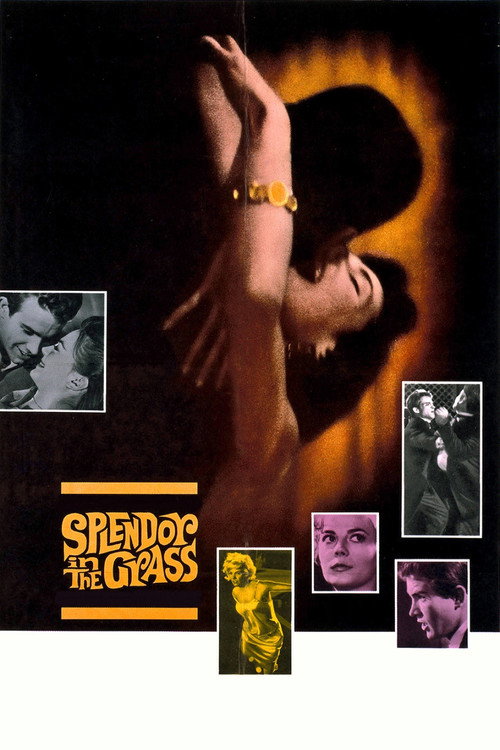
Splendor in the Grass1961
Kazan again, six years later, with the same interest in repressed desire and a punishing parental figure, this time centered on a young woman instead of a son.
But The ending lands softer and sadder rather than angrier — less operatic than Eden's climax.
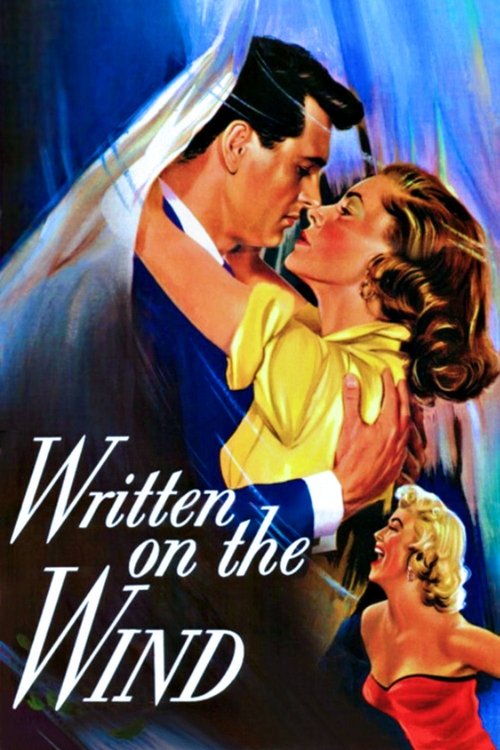
Written on the Wind1956
Douglas Sirk's Technicolor family curdling, oil money standing in for lettuce and beans, sibling rivalry and paternal disappointment pushed even further into gorgeous, feverish melodrama.
But Sirk's irony runs cooler under the surface — if you want sincerity without a wink, this can feel slippery.
Cat on a Hot Tin Roof1958no page yet
Another patriarch, another set of sons jockeying for his love and his money, this time from Tennessee Williams — sweatier, meaner, and just as theatrical as Eden's second half.
But Talkier and more confined, mostly stuck in one house over one long, sweltering night.
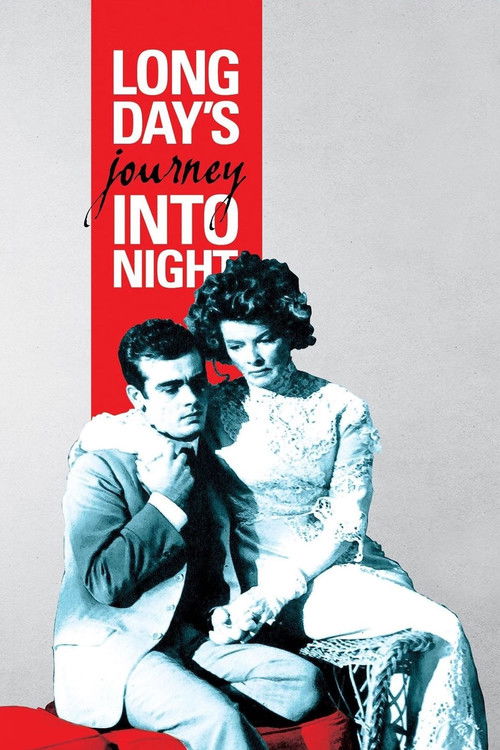
Long Day's Journey Into Night1962
If you want the family wound pushed even further — addiction, blame, a mother's absence curdling everyone in the house — this O'Neill adaptation goes deeper into the dark than Eden dares.
But Nearly three hours of escalating grief with almost no relief; a much heavier sit than Eden.
The Bible: In the Beginning...1966no page yet
East of Eden's title and plot are a direct wink at Genesis; this film puts you back at the actual source, watching the first brothers fight for their father's favor.
John Huston's stately, star-studded epic dramatizes Genesis directly, including the Cain and Abel story that Steinbeck and Kazan quietly rebuilt into a 20th-century California family.
But Slow, reverent and episodic by design — closer to a church service than a thriller, and it demands patience.
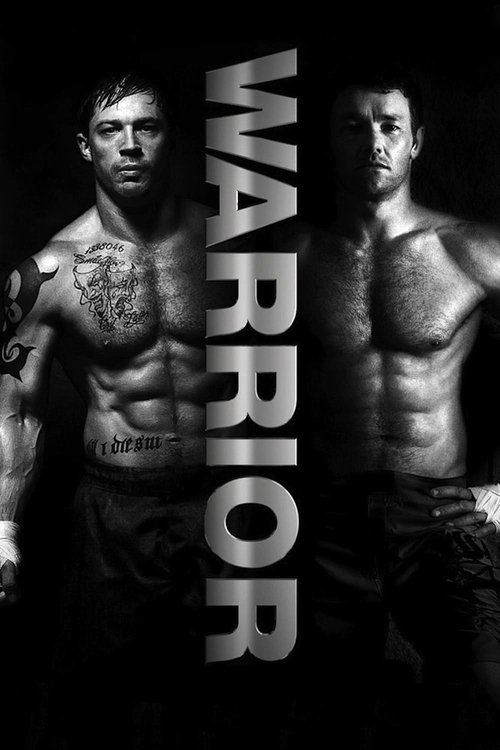
Warrior2011
It's Cain and Abel again, just relocated to a cage match — the competing-for-approval structure Steinbeck used, minus the poetry, plus knockouts.
Two estranged brothers, an alcoholic father chasing redemption he probably doesn't deserve, and a fight for love that gets literalized into an MMA cage — the same old ache, dressed in gym shorts.
But Contemporary sports-drama beats and fight choreography replace Eden's slow-burn dread; it earns its tears more bluntly.
People
Cast
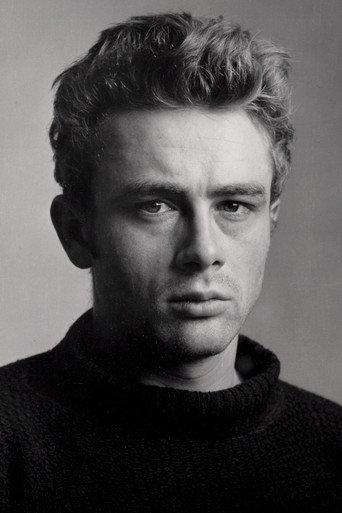 James DeanCal Trask
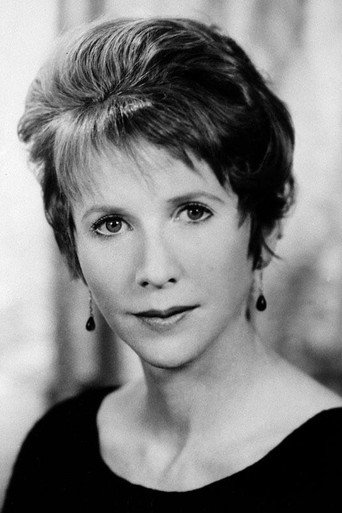 Julie HarrisAbra Bacon
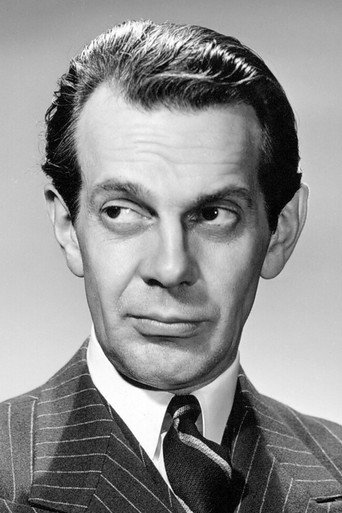 Raymond MasseyAdam Trask
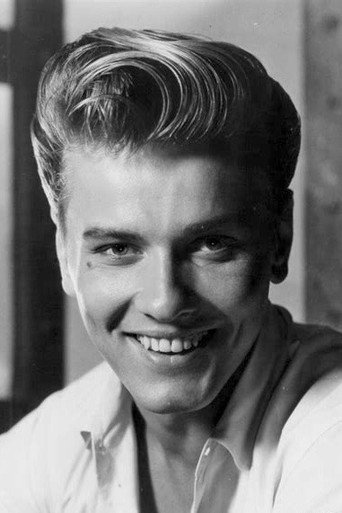 Richard DavalosAron Trask
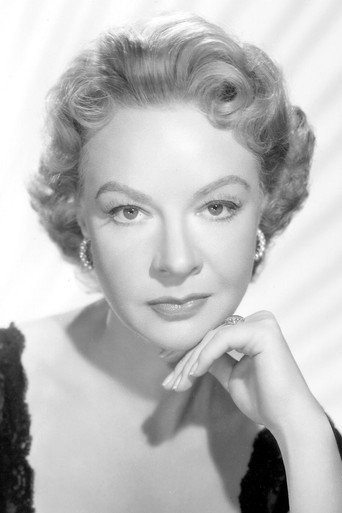 Jo Van FleetKate Trask
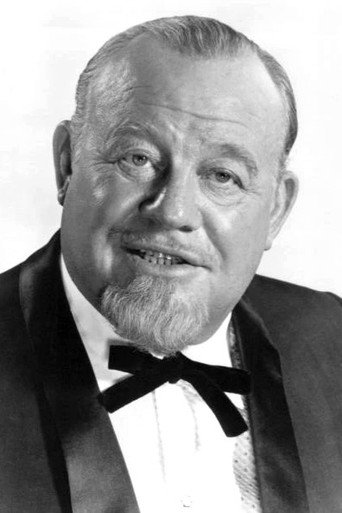 Burl IvesSam the Sheriff
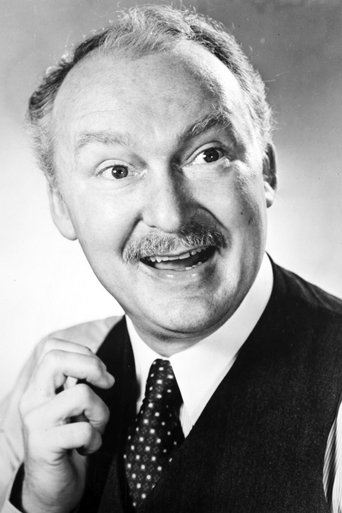 Albert DekkerWill Hamilton
 Lois SmithAnne
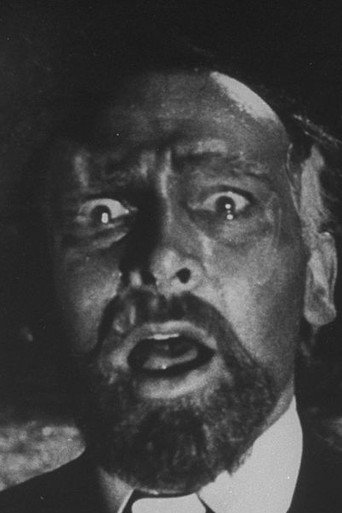 Harold GordonGustav Albrecht
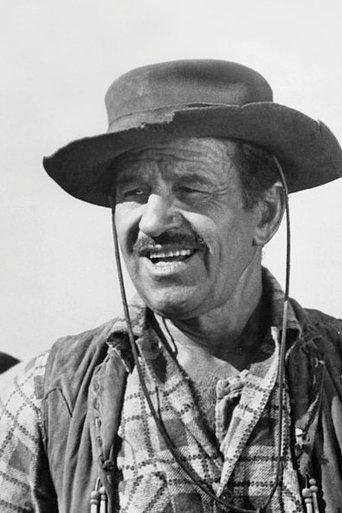 Nick DennisRantani
- Abdullah AbbasTownsman at Carnival (uncredited)
- John AlbanTownsman (uncredited)
Directing
- Don AlvaradoAssistant Director
- Horace HoughAssistant Director
- Elia KazanDirector
- Irva Mae RossScript Supervisor
Writing
- John SteinbeckNovel
- Paul OsbornScreenplay
Production
- Harvey ClermontCasting
- Elia KazanProducer
- Don AlvaradoUnit Manager
Recommended by
Giant, Hud, Invincible, A Streetcar Named Desire, Peyton Place, Rebel Without a Cause, Splendor in the Grass, Of Mice and Men