
Film
Peyton Place
Peyton Place is the granddaddy of small-town scandal drama — a lush, overripe 1957 melodrama about the gap between a Main Street's manicured lawns and what actually happens behind closed doors. Watch it for Lana Turner's icy composure cracking scene by scene, and for a genuinely dark abuse subplot the studio smuggled past 1950s censors inside all that Technicolor prestige. Soapy, slow, and surprisingly frank.
If you liked this
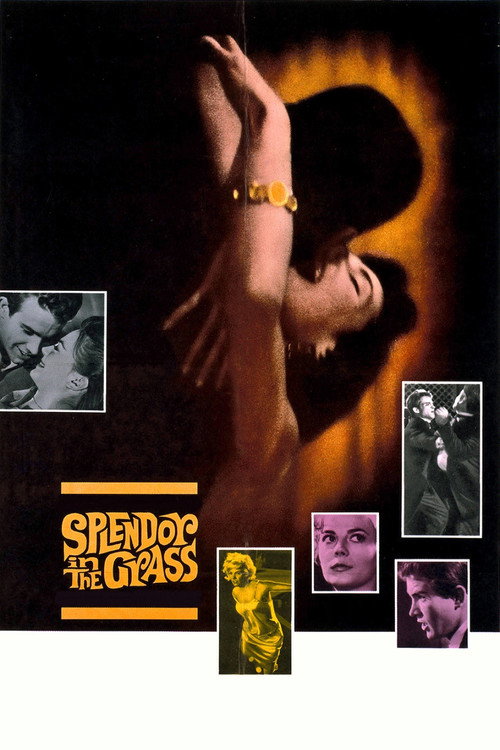
Splendor in the Grass1961
Elia Kazan's film takes the same small-town repression and turns it entirely onto its teenagers, with Natalie Wood and Warren Beatty burning through respectability's rules until something breaks. It's rawer and sadder than Peyton Place, with none of the soapy comfort.
But It's genuinely upsetting rather than juicy — this is tragedy, not gossip, and the ending offers little relief.
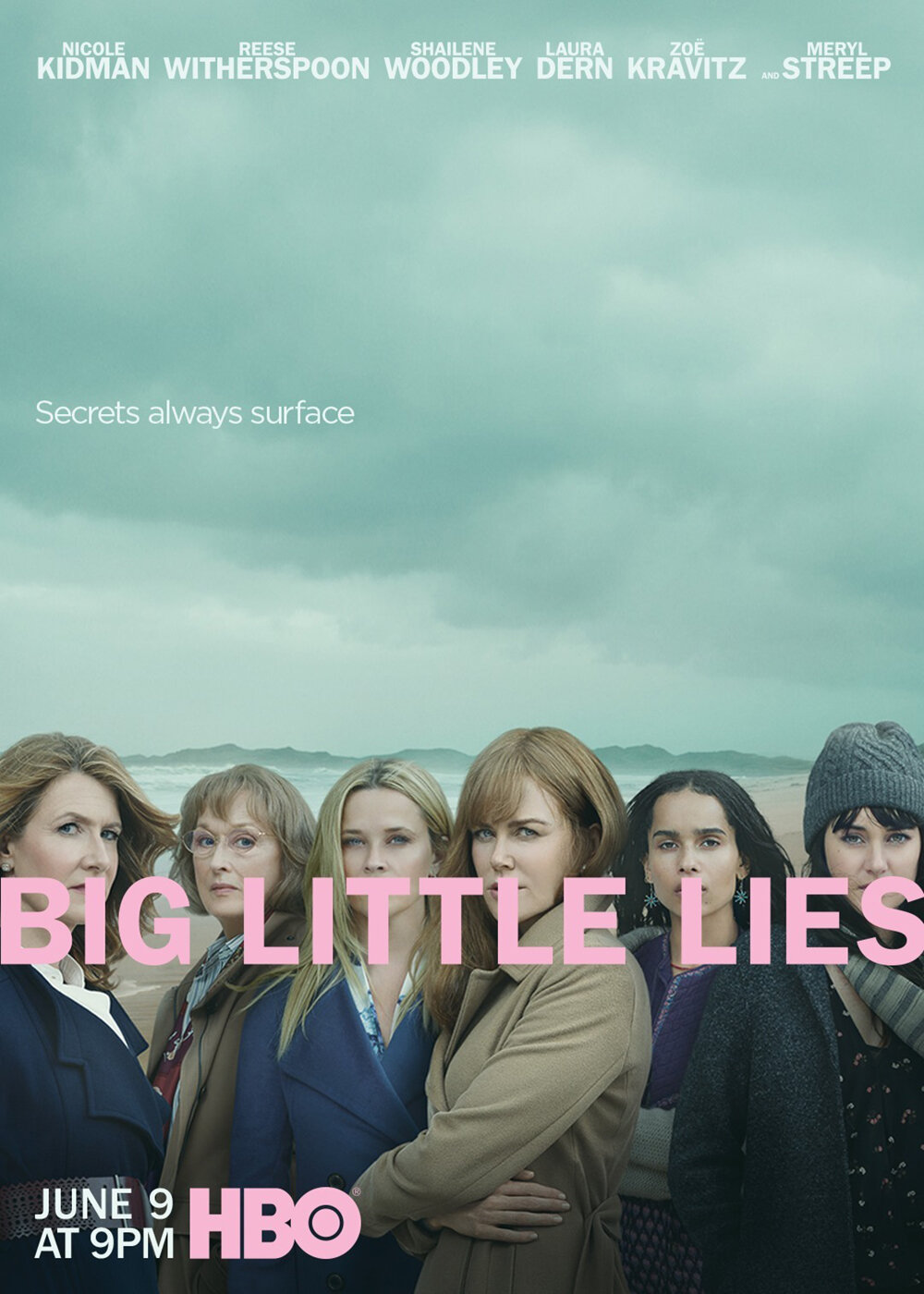
Big Little Lies2017
A glossy modern descendant — wealthy Californian mothers with immaculate lawns hiding violence, grief and rage behind them. It's Peyton Place's DNA rebuilt for prestige TV, with a starrier cast and a murder to solve.
But The twist-driven pacing and starry sheen can feel calculated where Peyton Place feels merely repressed.
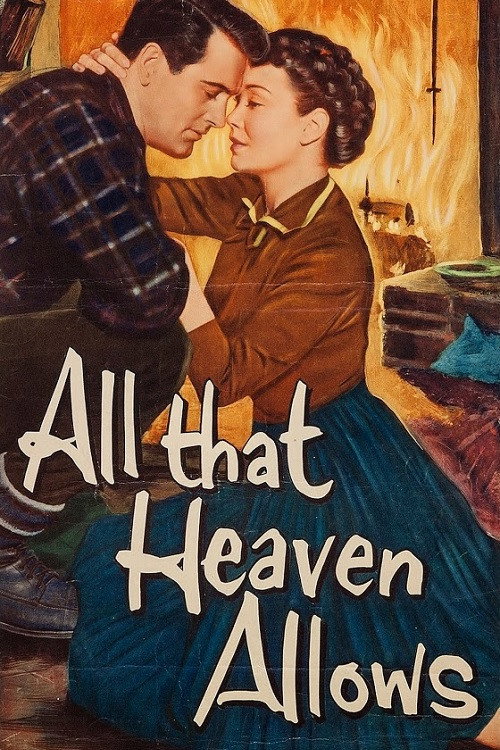
All That Heaven Allows1955
Douglas Sirk's Technicolor melodrama about a widow scandalizing her country-club neighbours by falling for a younger, working-class man. Same theme — respectability policing desire — but told with a visual lushness and irony Peyton Place doesn't quite reach.
But It's more stylised and knowingly artificial; if you want grit rather than gloss, this may feel too pretty.
The wildcard
Something you would not have found on your own.
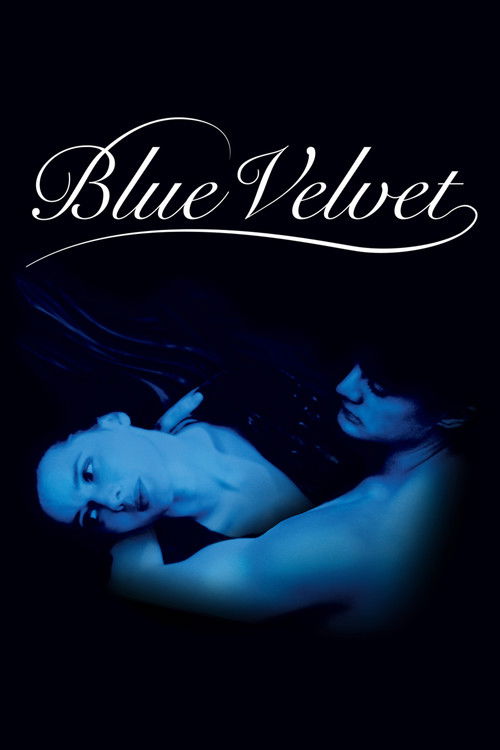
Blue Velvet1986
Both films share the exact same engine: an idyllic small town whose manicured surface hides violence and sexual menace underneath. Lynch just refuses to keep it decorous.
Lynch takes Peyton Place's central idea — a picket-fence town concealing rot — and pushes it into surreal, nightmarish noir. Same white-picket hypocrisy, but filmed like a fever dream, with Dennis Hopper's villain making Peyton Place's scandals look positively wholesome.
But It's disturbing and genuinely strange in a way Peyton Place, for all its scandal, never risks being.
More like this (8)
Picnic1955no page yet
A drifter arrives in a small Kansas town on Labor Day and unsettles every woman's carefully arranged life. Same heat, same sense of a town watching itself, with William Holden at his most charismatically dangerous.
But It's a single day rather than a sprawling saga, so the scandal here is smaller and more contained.
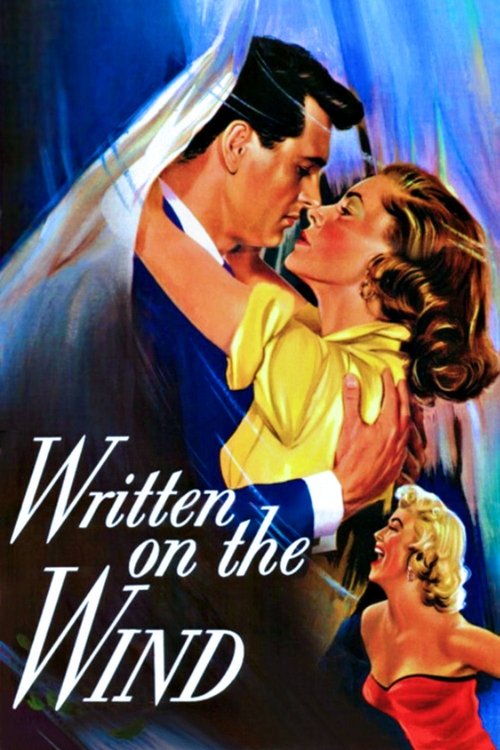
Written on the Wind1956
Another 1957 melodrama about money, alcoholism and desire tearing apart a family that looks perfect from the outside. Rock Hudson and Dorothy Malone deliver the same kind of simmering, class-conscious wreckage as Peyton Place, just with oil money instead of shoe-factory money.
But It leans further into camp and excess — less small-town realism, more operatic Texan ruin.
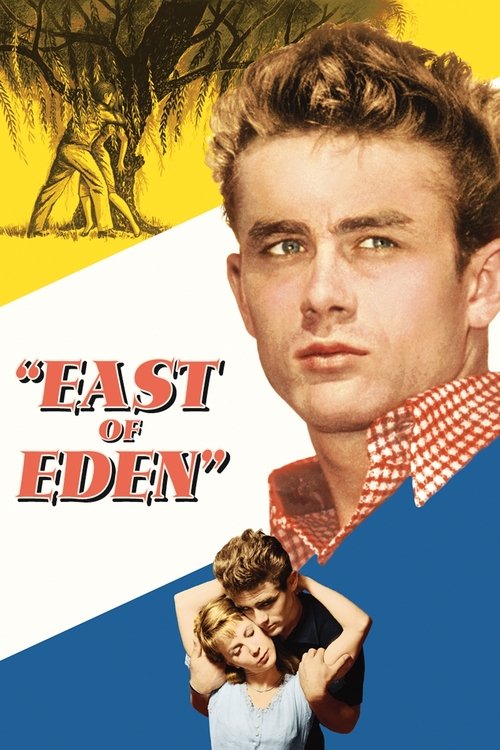
East of Eden1955
John Steinbeck's family saga of a repressive father, a mother with a hidden past, and sons paying for sins they didn't commit. It shares Peyton Place's interest in how secrets calcify into judgment, with James Dean's breakout performance underneath.
But It's a father-son story more than a town-wide scandal, so the social panic here is smaller.
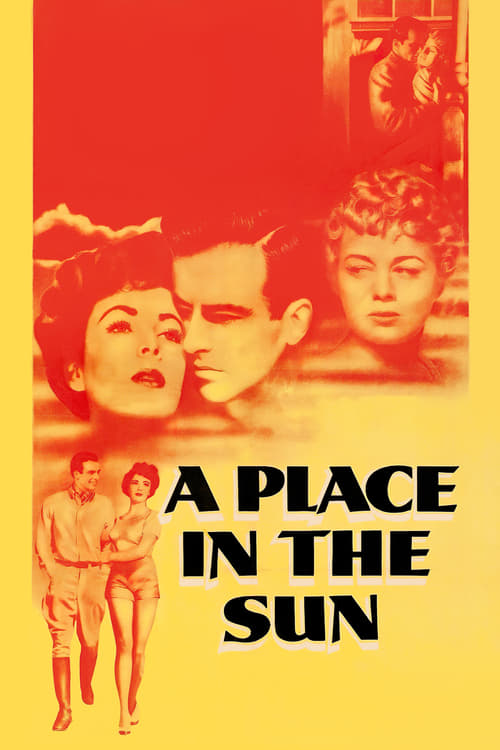
A Place in the Sun1951
Class ambition, an inconvenient pregnancy and a fatal secret — Montgomery Clift's desperate climb up the social ladder rhymes with everything Peyton Place's characters are trying to escape. Elizabeth Taylor has never been more luminous or more dangerous.
But It ends in tragedy rather than exposure — if you want the town to face its hypocrisy, it won't.
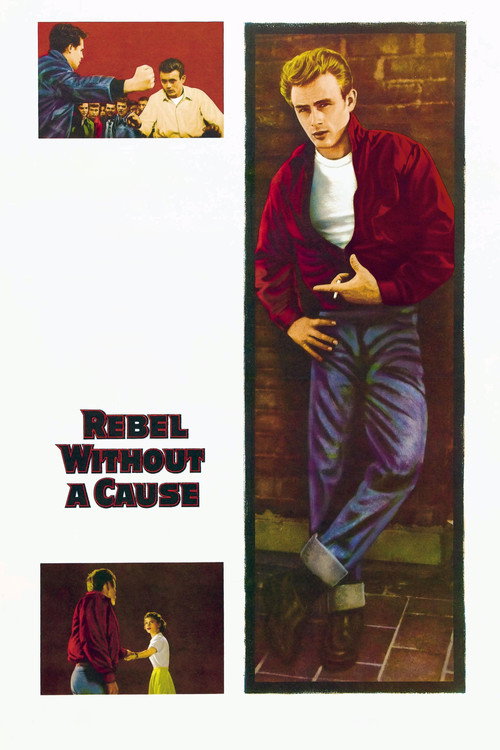
Rebel Without a Cause1955
The teenage restlessness and parental failure fuelling Allison and Norman's subplot get blown up into full Technicolor anguish here. James Dean gives the definitive portrait of a kid drowning in a town that won't really look at him.
But It's about delinquency and masculinity more than sexual scandal, so the overlap is more mood than plot.
Dallas1978
If Peyton Place invented the prime-time soap, Dallas is its brashest grandchild — oil money, adultery, and family scandal stretched across hundreds of gloriously trashy episodes. Watch a few to see exactly where this DNA ended up.
But It's a huge, campy commitment with none of the literary pretensions — pure, unashamed soap.
The Story of Temple Drake1933no page yet
Peyton Place treats sexual violence and shame under a veneer of studio prestige; Temple Drake got there first, pre-Code, with none of that Technicolor cushioning.
A pre-Code film so frank about rape and small-town shame it helped trigger the Hays Code crackdown. It's the ancestor of Peyton Place's darkest subplot, made twenty-four years earlier with far less cover and far more nerve.
But It's a rough, dated print dealing with sexual violence with startling bluntness — not an easy watch.
Paradise Lost: The Child Murders at Robin Hood Hills1996
Peyton Place dramatizes how a town's need for respectability distorts truth and protects the wrong people; this documentary shows that exact mechanism operating in reality, with far higher stakes.
A documentary about a real Arkansas town that turned on three teenage boys after a horrific crime — small-town suspicion, gossip and moral panic caught on camera instead of dramatized. It's the same social machinery Peyton Place fictionalises, running for real.
But There's no melodrama's comfort here — this is a genuine, harrowing miscarriage of justice, not a scandal resolved by the final reel.
People
Cast
 Lana TurnerConstance MacKenzie
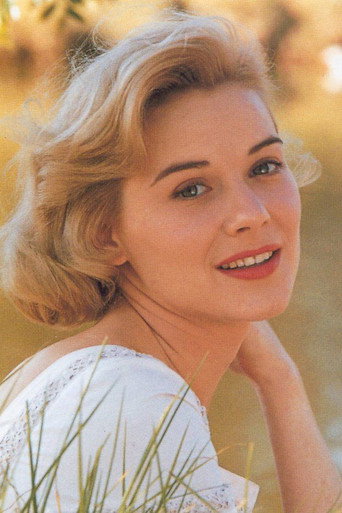 Hope LangeSelena Cross
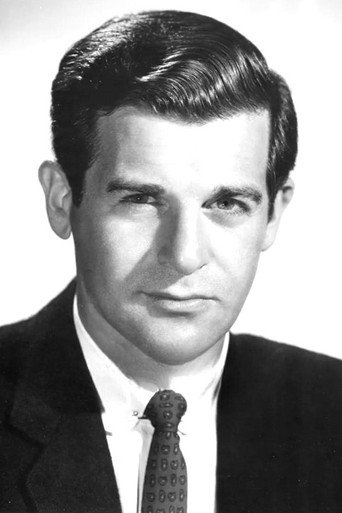 Lee PhilipsMichael Rossi
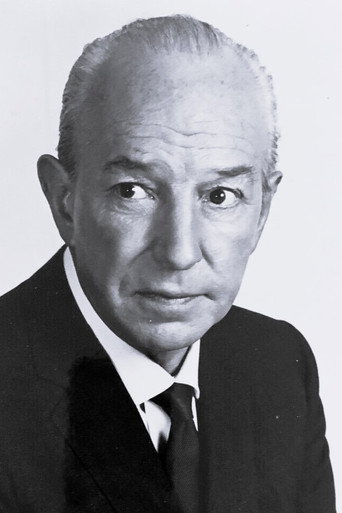 Lloyd NolanDr. Matthew Swain
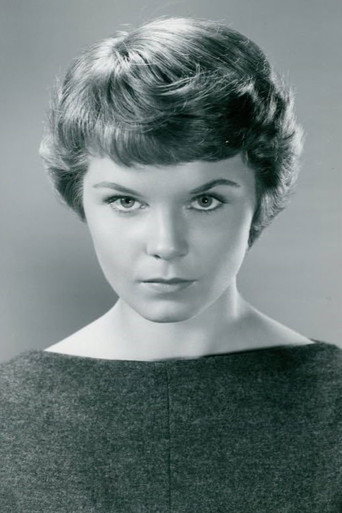 Diane VarsiAllison MacKenzie
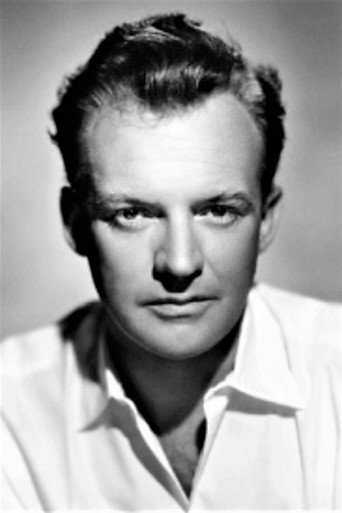 Arthur KennedyLucas Cross
 Russ TamblynNorman Page
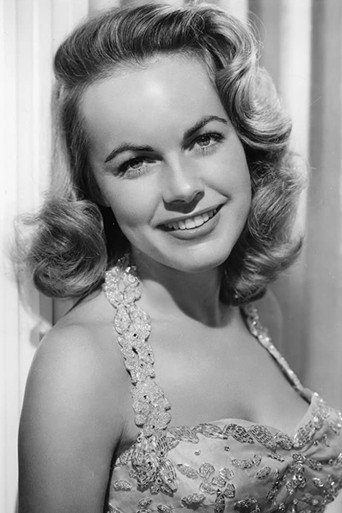 Terry MooreBetty Anderson
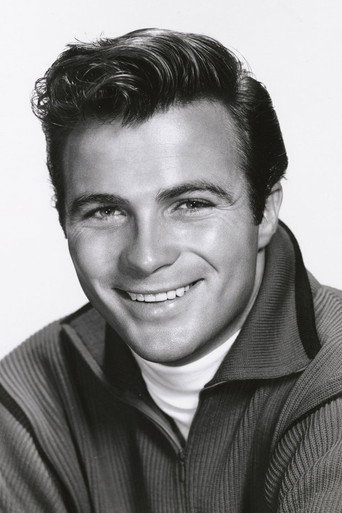 Barry CoeRodney Harrington
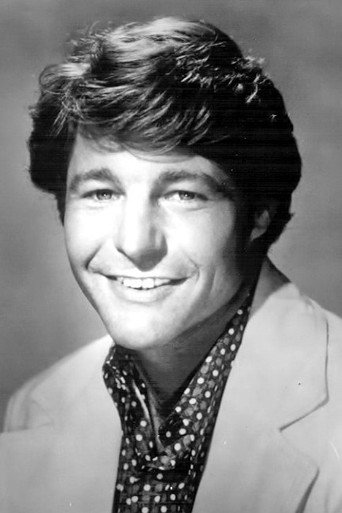 David NelsonTed Carter
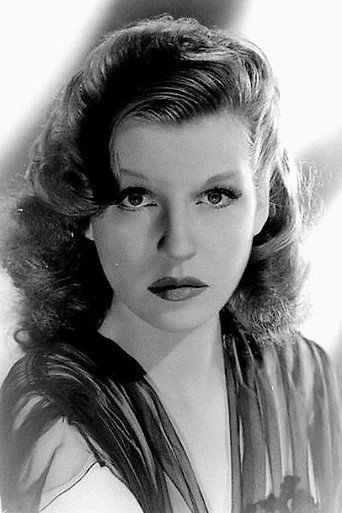 Betty FieldNellie Cross
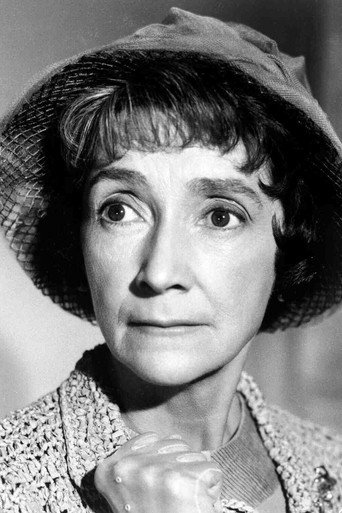 Mildred DunnockMiss Elsie Thornton
Directing
- Mark RobsonDirector
- Jack GertsmanSecond Assistant Director
Writing
- Grace MetaliousNovel
- John Michael HayesScreenplay
Production
- Jerry WaldProducer
Recommended by
Twin Peaks, Big Little Lies, Le Corbeau, One Tree Hill, Weeds, Riverdale, All That Heaven Allows, Dallas, Written on the Wind, Desperate Housewives, A Summer Place, Splendor in the Grass