
Film
Parrish
A young man comes of age on a Connecticut tobacco plantation, caught between his mother's new husband's ruthless ambition and his loyalty to the man who raised him. Parrish is a sweeping 1960s melodrama that luxuriates in landscape, class conflict, and the messy economics of desire. It's for anyone who loves old Hollywood's refusal to apologize for indulgence.
Should you watch it?
Watch it if you like slow-burning family melodramas about land, money and inherited grudges, where the rivalry matters as much as the romance and the big emotions are played straight.
Skip it if you want a lean, fast picture; at nearly two and a quarter hours, with plenty of talk about crops and contracts, its pace will test your patience.
What it asks of you: A long, unhurried stretch of more than two hours, with emotional heat that builds through quarrels and silences rather than action.
Not sure? Find tonight's pick in a minute.
If you liked this
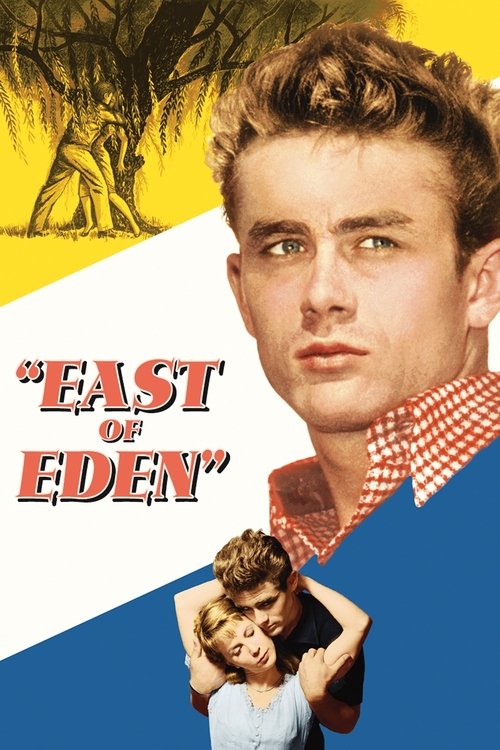
East of Eden1955
A young man navigates family loyalty and moral ambiguity in an agricultural setting, with the same lush cinematography and emotional intensity. James Dean's desperate hunger for approval mirrors Parrish's central conflict.
But The pacing is glacial by modern standards, and some performances veer toward operatic excess that may feel dated.
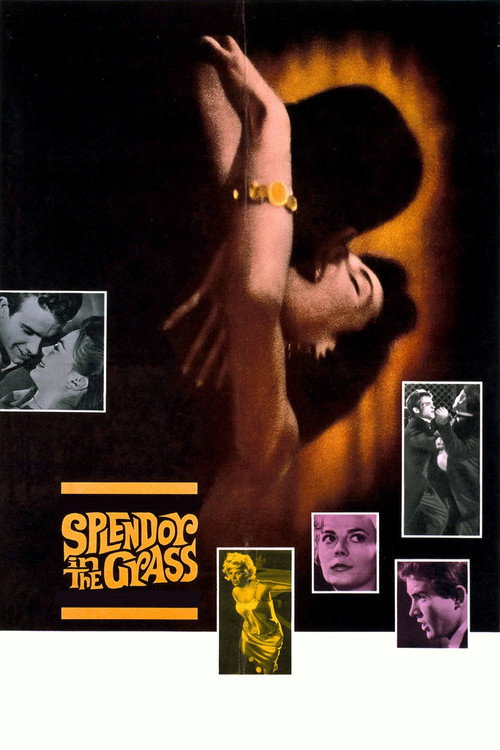
Splendor in the Grass1961
Released the same year, this is Parrish's spiritual sibling: a rich, romantic melodrama about class and desire in rural America. Elia Kazan directs with the same sweeping visual ambition and emotional complexity.
But The sexual repression at its heart makes it feel very much of its era. Some plot turns strain credibility.
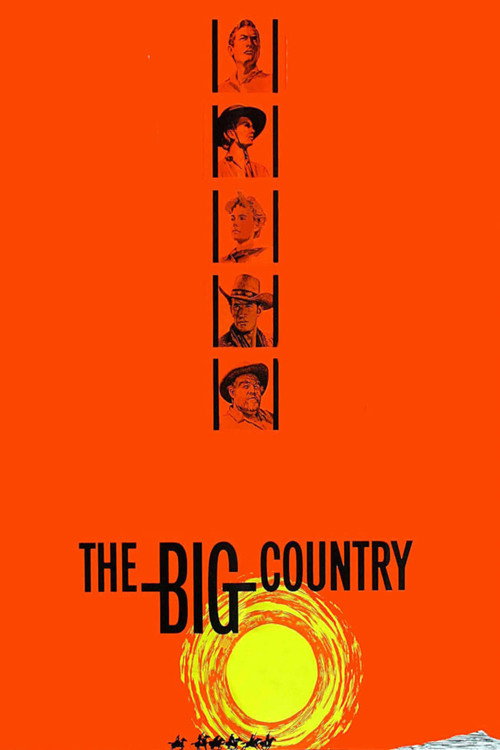
The Big Country1958
A newcomer enters a world of competing patriarchs and must choose between rival codes of honor. The landscape is a character itself, and the film earned four Oscar nominations for a reason.
But At nearly three and a half hours, it demands patience. The romantic subplot is secondary to the male-centered drama.
Not sure tonight? Get a pick in a minute, starting from Parrish
The wildcard
Something you would not have found on your own.
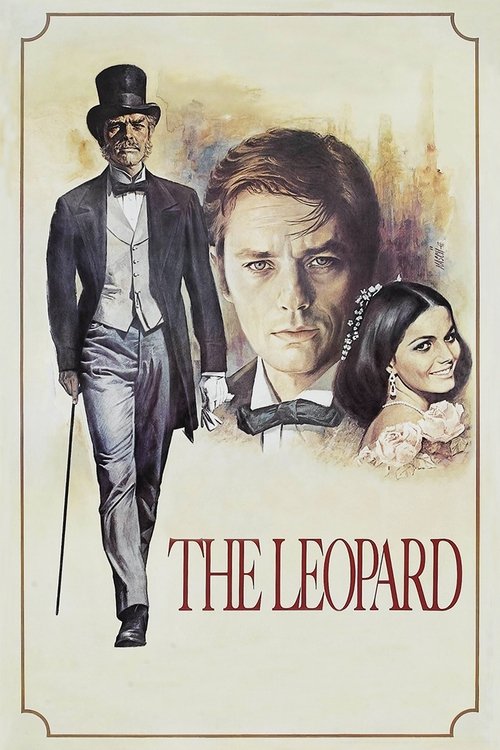
The Leopard1963
Both are elegies for a dying economic order told through the eyes of men who don't understand they're already obsolete.
An aging Sicilian prince watches his world crumble as social upheaval makes his power irrelevant. Like Parrish, it's an operatic study of men clinging to agrarian hierarchies that history has already discarded, filmed with heartbreaking beauty.
But It's Italian, subtitled, and nearly three hours. Visconti moves with deliberate slowness, and there's no romantic resolution to soften the tragedy.
More like this (7)
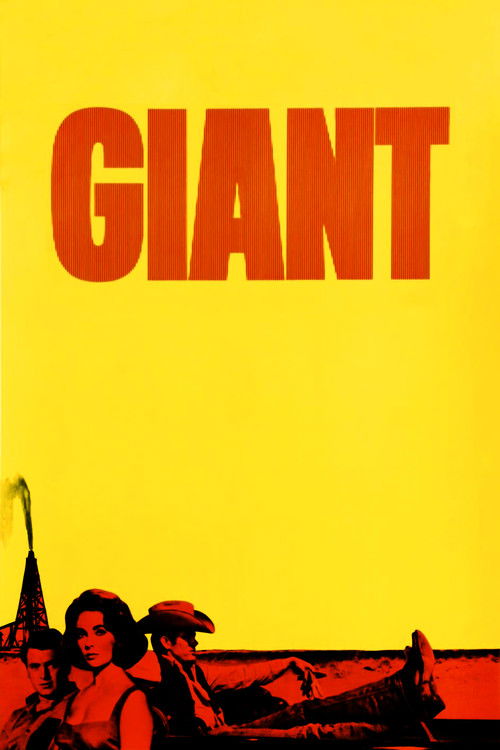
Giant1956
An epic multigenerational saga set in Texas oil country, tracing class conflict and family ambition across decades. It has the same scope and romantic entanglement that make Parrish so addictive.
But The sprawl is intentional but exhausting. Rock Hudson's performance is mannered, and it feels longest in its final hour.
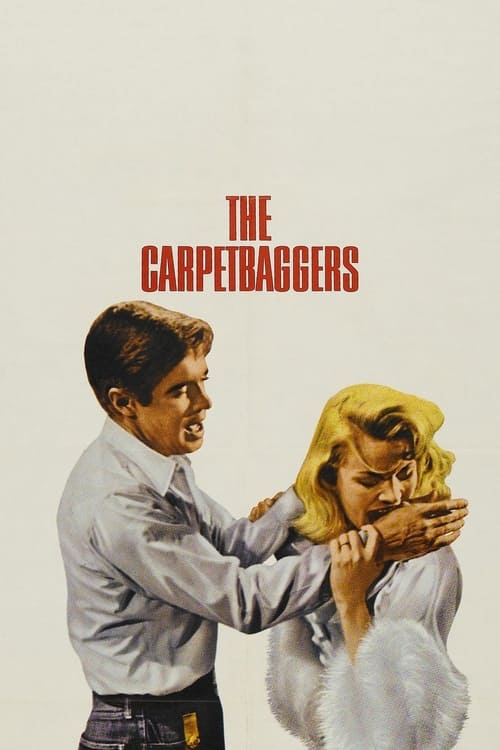
The Carpetbaggers1964
A ruthless businessman builds an empire while seducing everyone in his path. It's lurid, cynical, and darkly entertaining—pulp with conviction about how power and desire corrupt.
But It's considerably trashier than Parrish and treats its female characters as conquests. The dialogue can be risible.
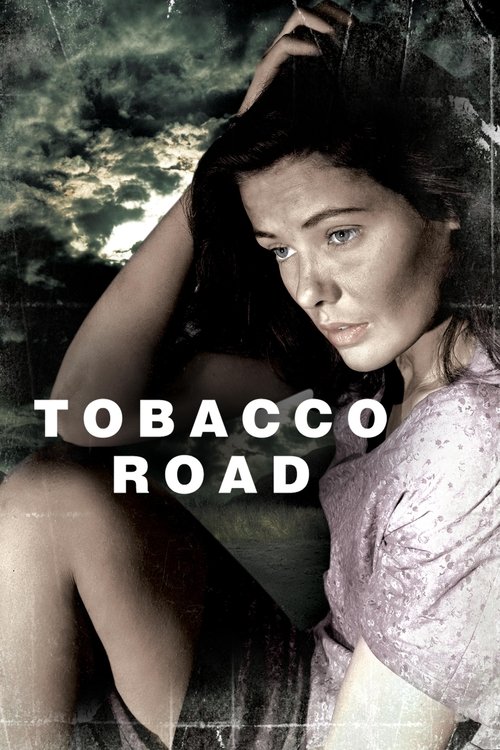
Tobacco Road1941
A rural Southern family struggles with poverty and shame on eroded farmland. It shares Parrish's fascination with agricultural life as moral battleground, though seen from the bottom rather than the top.
But It's a much earlier film, grainier and slower. The performances are stylized in ways that feel very theatrical now.
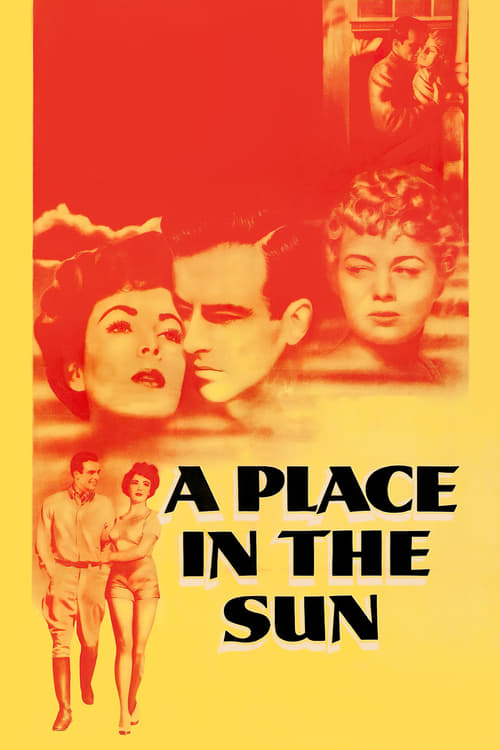
A Place in the Sun1951
A poor young man climbs toward wealth and seduction by a rich woman, only to discover the cost of ambition. It's a tragedy about yearning that makes you understand why he falls for every promise of transcendence.
But The ending is bleak and heavy. The class commentary, while sharp, can feel schematic to modern eyes.
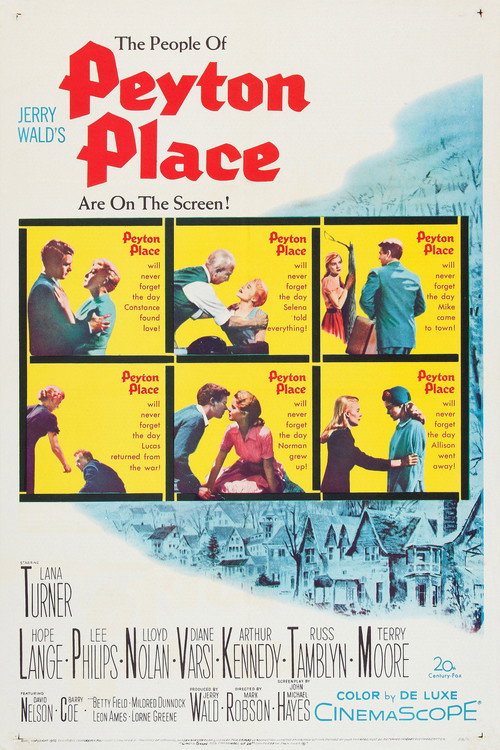
Peyton Place1957
A small town in Maine seethes with secrets: infidelity, rape, abortion, class resentment. Scandalous in 1957, it's the spiritual ancestor of every melodrama about provincial hypocrisy since.
But The plot is melodramatic even by melodrama standards. Some elements feel quaint rather than shocking now.
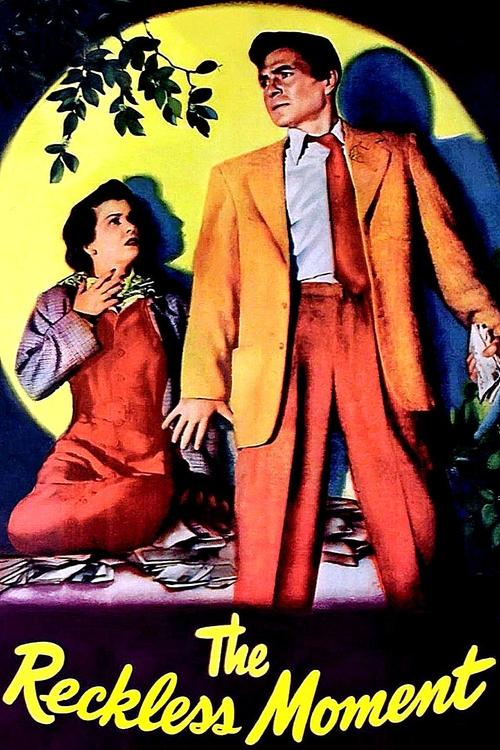
The Reckless Moment1949
A woman protects her family by making a devil's bargain with a man holding her daughter's secret. It's Parrish from the mother's perspective—a study in how love makes us vulnerable and complicit.
But It's shot in a stark noir style that contrasts sharply with Parrish's romanticism. The moral ambiguity may feel unsatisfying if you want clear sides.
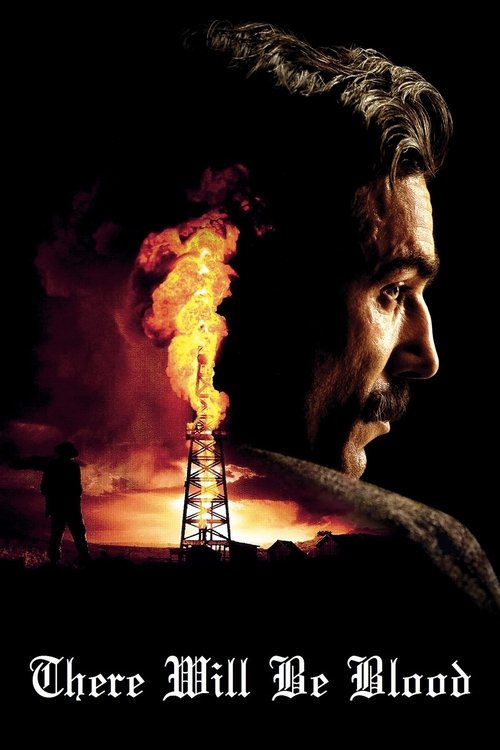
There Will Be Blood2007
Both follow a young man's education in ruthlessness under a charismatic predator, but one is seduction and the other is damnation.
A ruthless man builds an oil empire while corrupting everyone close to him, including the younger man he grooms as successor. It has Parrish's structure—ambition, mentorship gone toxic, the destruction of innocence—but rendered in oil instead of tobacco, with modern savagery.
But Paul Thomas Anderson's vision is bleak and violent in ways Parrish never attempts. The ending is nihilistic. It's also nearly three hours of unrelenting tension.
People
Cast
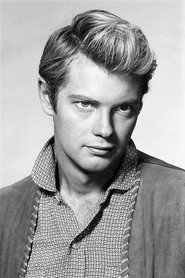 Troy DonahueParrish McLean
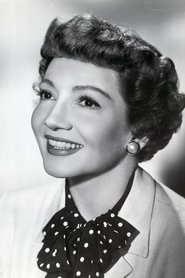 Claudette ColbertEllen McLean
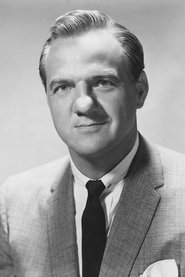 Karl MaldenJudd Raike
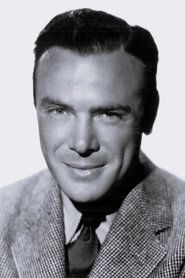 Dean JaggerSala Post
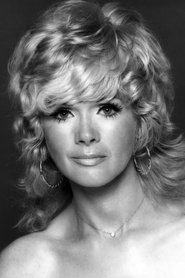 Connie StevensLucy
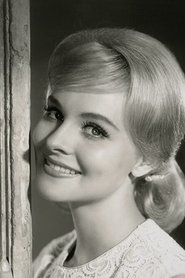 Diane McBainAlison Post
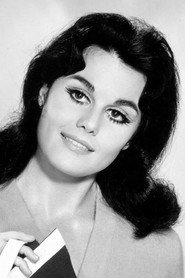 Sharon HuguenyPaige Raike
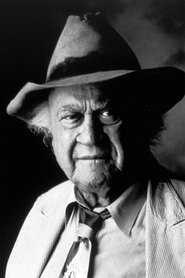 Dub TaylorTeet Howie
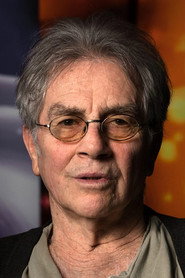 Hampton FancherEdgar Raike
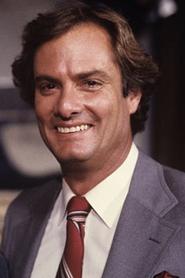 David KnappWiley Raike
- Saundra EdwardsEvaline Raike
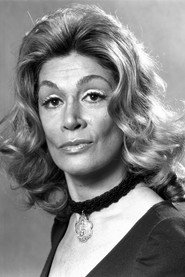 Sylvia MilesEileen
Directing
- Chuck HansenAssistant Director
- Russell LlewellynAssistant Director
- Delmer DavesDirector
Writing
- Mildred SavageNovel
- Delmer DavesWriter
Production
- Delmer DavesProducer