
Film
Doctors' Wives
A 1971 melodrama about the wives of prominent physicians who stage a glamorous, hedonistic rebellion against their husbands' inattention. It's a time capsule of early seventies sexual frankness and marital discontent, mixing soap-opera intrigue with genuine anger at invisibility. For anyone curious about how Hollywood once dramatized women's rage.
If you liked this
The Poseidon Adventure1972
Ensemble disaster film with a similar cast of recognizable stars in crisis, the same era's blend of melodrama and spectacle. Gene Hackman anchors both, and the camaraderie-under-pressure dynamic echoes this film's interest in group dynamics.
But It's a disaster movie, not a character study—if you want the intimate marital conflict, this pivots toward action and set pieces instead.

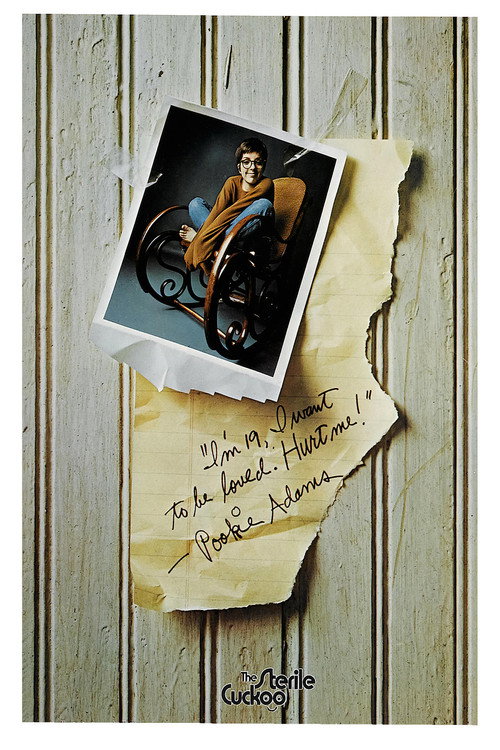
The Sterile Cuckoo1969
Another portrait of women's desires and disappointment in the same era, with Liza Minnelli delivering raw vulnerability. It captures that early-seventies honesty about sex, ambition, and being unseen by men who claim to love you.
But It's quieter and sadder than you might expect—less glamorous party atmosphere, more internal ache. The tone is deeply melancholic.
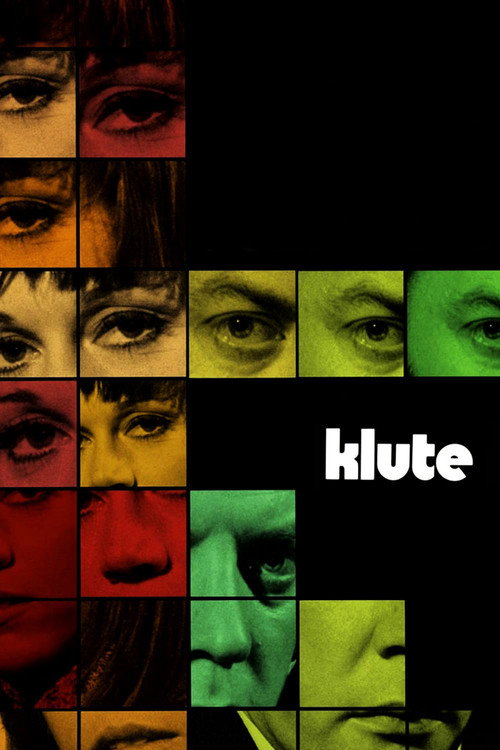
Klute1971
Jane Fonda's prostitute character navigates desire, agency, and men who don't truly see her. Released the same year, it's far more sophisticated in its examination of female sexuality and self-invention as survival.
But Darker and more noir-tinged than Doctors' Wives—it won't give you the same ensemble-cast energy or soap-opera pleasure.
Not sure tonight? Get a pick in a minute, starting from Doctors' Wives
The wildcard
Something you would not have found on your own.
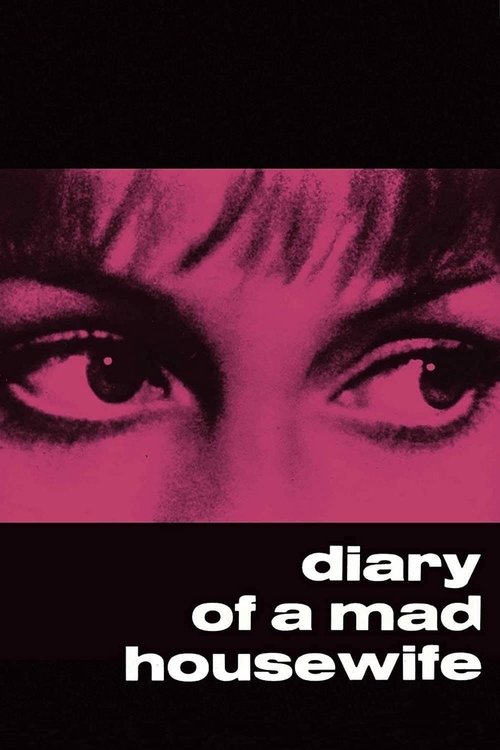
Diary of a Mad Housewife1970
Both dramatize the same historical moment of wives discovering their husbands' success has made them peripheral; Diary just takes the interior psychology seriously rather than channeling it into plot.
Carrie Snodgress as a woman suffocating in her marriage to a successful lawyer—the psychological and sexual frustration mirror Doctors' Wives exactly, but filtered through one woman's descent into breakdown rather than collective rebellion. More intimate, more devastating, a genuine masterpiece about invisibility and rage.
But It's bleak and doesn't offer the ensemble-cast pleasure or cathartic hedonism—it ends in a place darker than Doctors' Wives dares to go.
More like this (7)
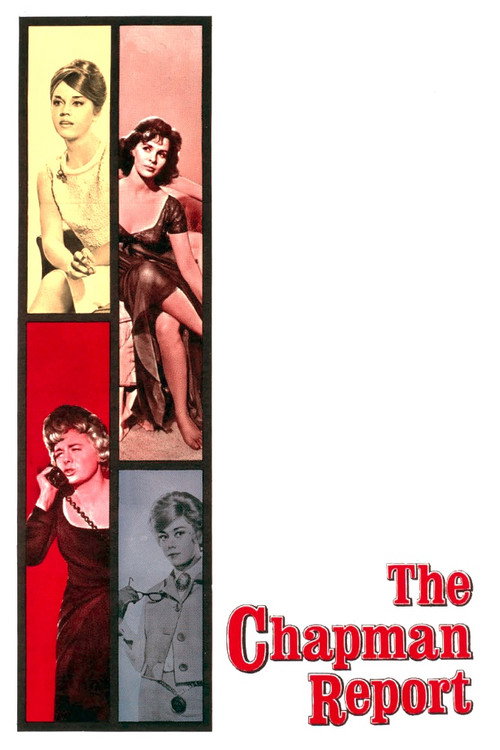
The Chapman Report1962
An earlier ensemble drama about married women's inner lives and forbidden desires, adapted from Irving Wallace. Similar structure: respectable wives, hidden longings, scandalous truths. A direct ancestor to this film's premise.
But It's slightly more buttoned-up than Doctors' Wives, with less explicit content—if you want the seventies frankness, this feels a touch more cautious.
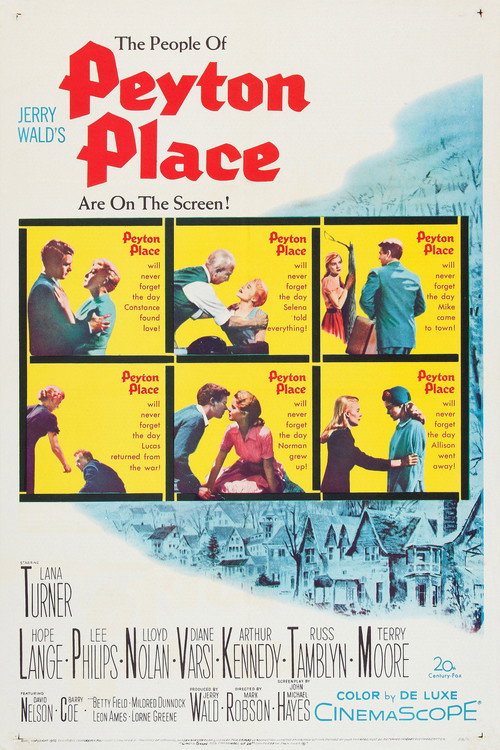
Peyton Place1957
The granddaddy of small-town melodrama about respectability hiding darker truths. Same DNA as Doctors' Wives—beautiful surfaces, seething resentment underneath. Genre-defining in its willingness to let women's anger breathe.
But It's from an earlier era and moves more slowly. The fifties restraint, even in scandal, is noticeable compared to seventies explicitness.
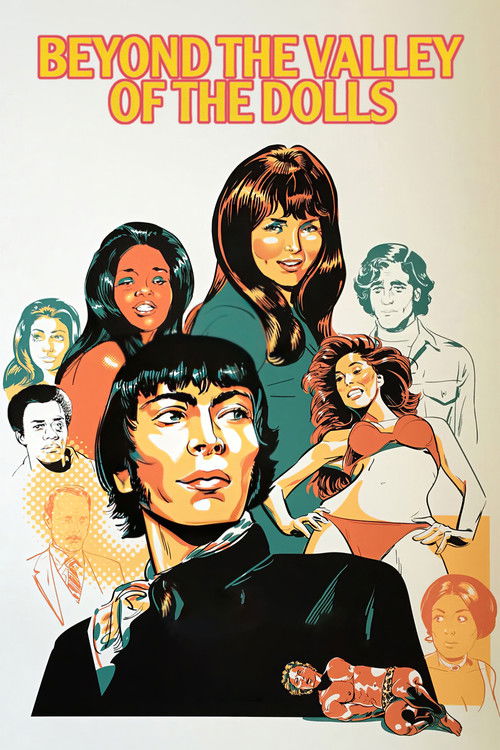
Beyond the Valley of the Dolls1970
Russ Meyer's baroque take on women, ambition, and the entertainment industry. Same era, same interest in female desire as something powerful and dangerous rather than tragic. Uninhibited in the way Doctors' Wives aspires to be.
But It's much weirder and more visually extreme—if you want recognizable drama, this veers into camp and avant-garde territory deliberately.
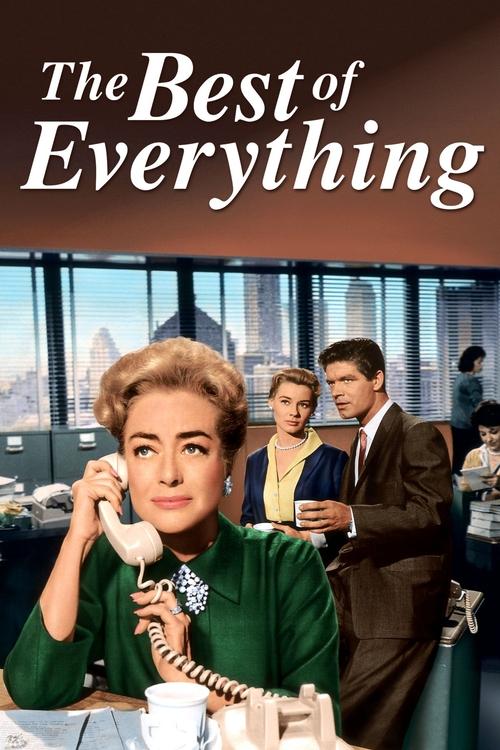
The Best of Everything1959
Ensemble drama about professional women navigating love, marriage, and identity. Joan Crawford, Hope Lange, and Stephen Boyd in a film about having it all and discovering that might not be enough. Similar thematic DNA.
But It's older and feels more restrained—the sexual frankness and drug elements that define Doctors' Wives are absent here.
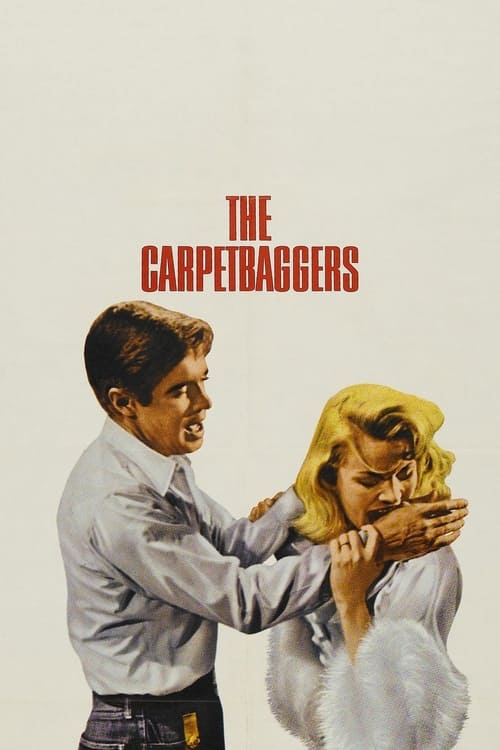
The Carpetbaggers1964
A sprawling ensemble melodrama about power, money, and the people in the orbit of a charismatic man. George Peppard and Carroll O'Connor (who's in Doctors' Wives too) in a film equally interested in surface glamour and hidden resentment.
But It's longer and more about the men's world—the wives' rebellion angle is less central, which might feel like a step back.
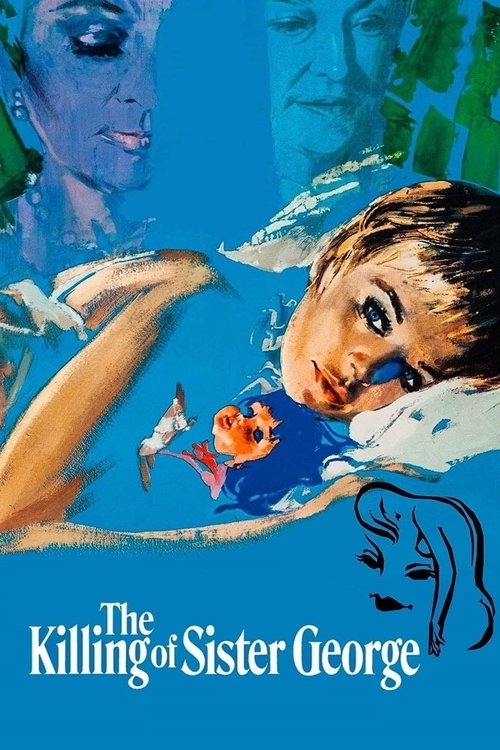
The Killing of Sister George1968
Both explore what happens when women who've been taught to disappear decide to stop disappearing; both use sexuality as the language of resistance.
Beryl Reid and Susannah York in a film about women's desire, power imbalance, and visibility—but here the focus is on lesbian love in a homophobic world. The same fury about erasure and the fight to be seen, but transformed into an entirely different kind of transgression.
But It's not a mainstream film, and the queer relationship at its center isn't a subplot—it's the entire point. That might feel like a tonal shift from Doctors' Wives.
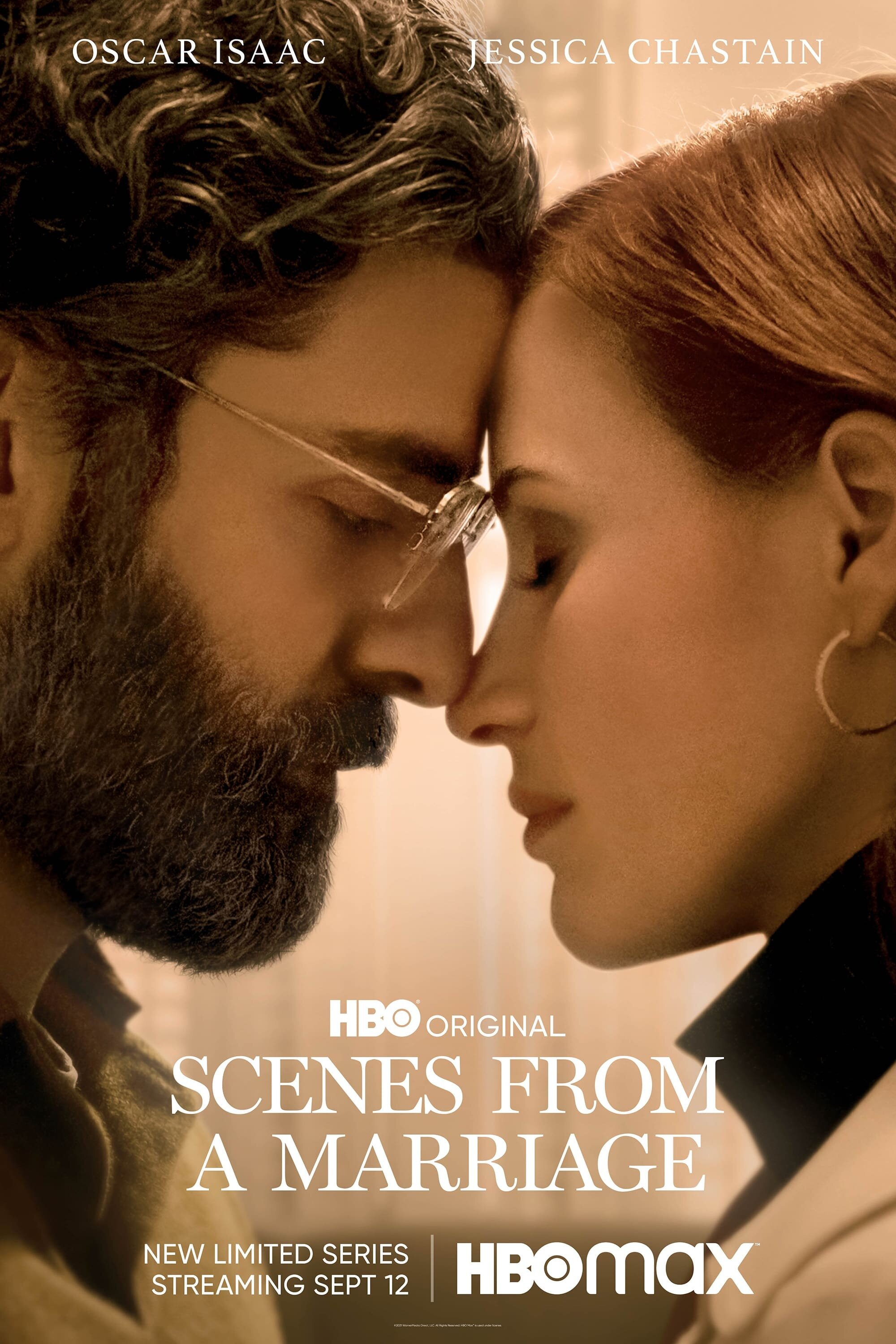
Scenes from a Marriage2021
Where Doctors' Wives channels marital frustration into spectacle and transgression, Scenes from a Marriage asks what happens when you stop performing and actually look at what's broken. Same pain, opposite register.
Bergman's television miniseries about the slow devastation of a marriage between equals who thought they understood each other. Takes the marital discord at Doctors' Wives' core and spends six hours dismantling it with surgical precision. Quiet, painful, hypnotic.
But It's Swedish, subtitled, and moves at a glacial pace—no sex-and-drugs energy, just two people talking in rooms. Some will find it unbearably slow.
People
Cast
 Dyan CannonLorrie
 Richard CrennaPete Brennan
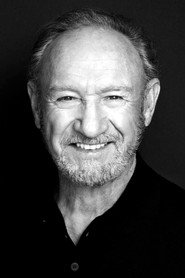 Gene HackmanDave Randolph
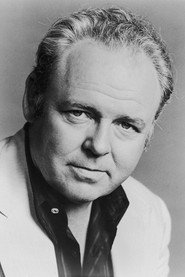 Carroll O'ConnorJoe Gray
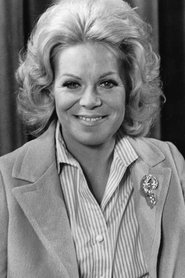 Rachel RobertsDella Randolph
 Janice RuleAmy Brennan
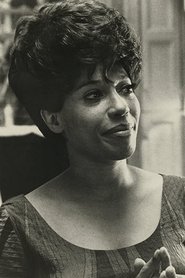 Diana SandsHelen Straughn
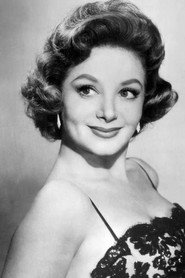 Cara WilliamsMaggie Gray
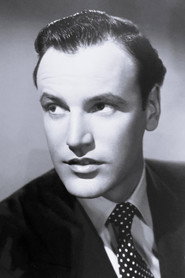 Richard AndersonD.A. Douglas
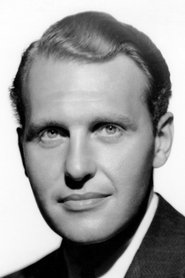 Ralph BellamyJake Porter
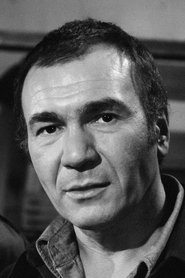 John ColicosMort Dellman
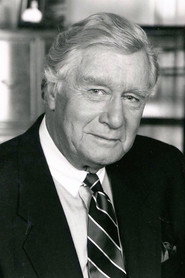 George GaynesPaul McGill
Directing
- Mike Frankovich Jr.Assistant Director
- Philip L. ParslowAssistant Director
- George SchaeferDirector
- Dorothy AldrinScript Supervisor
- John M. PoerSecond Assistant Director
Writing
- Frank SlaughterNovel
- Daniel TaradashScreenplay
Production
- M.J. FrankovichProducer
- Ralph E. BlackUnit Production Manager