
Film
Diary of a Mad Housewife
A 1970 portrait of domestic suffocation disguised as black comedy. Carrie Snodgress is Tina, a New York housewife trapped between a contemptuous husband and a sadistic lover, neither offering escape—only different flavors of humiliation. It's sharp, uncomfortable, and genuinely funny in ways that sting.
Should you watch it?
Watch it if you want a sharp, bitter satire of a marriage where the cruelty is delivered over dinner in polite tones, and you enjoy a heroine whose anger is funny before it turns grim.
Skip it if you need likable characters or a brisk plot, since the film lingers on humiliation and its tone can feel more bruising than entertaining for long stretches.
What it asks of you: A lean 95 minutes, mostly in cramped domestic rooms, where resentment builds slowly and you have to stay patient until the mood finally breaks open.
Not sure? Find tonight's pick in a minute.
If you liked this
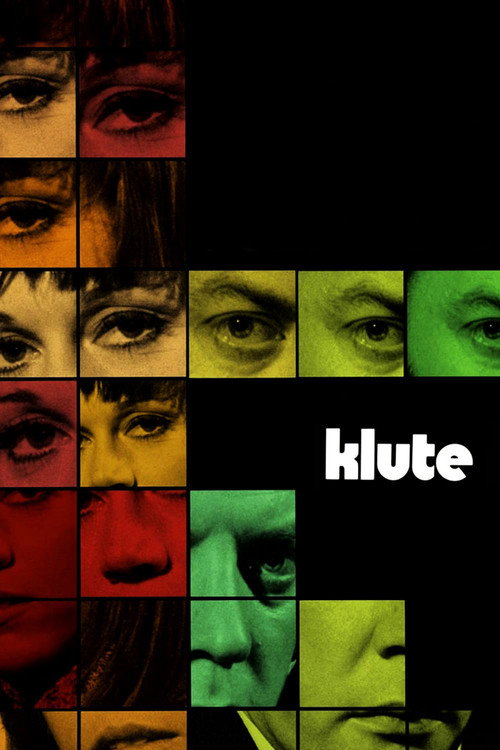
Klute1971
Jane Fonda as a woman negotiating power and survival in a morally compromised world. Like Diary, it's about a woman's agency within systems designed to diminish her, with photography of urban alienation that cuts deep.
But It's a detective thriller first, character study second. Some find the genre machinery distracting from what makes it matter.
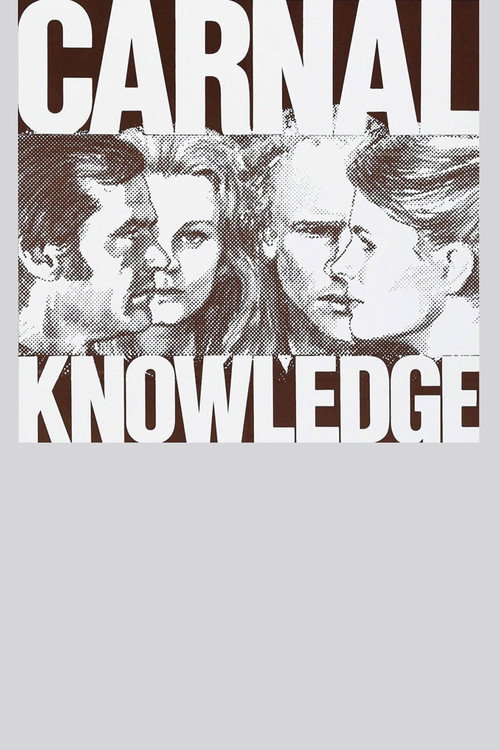
Carnal Knowledge1971
Mike Nichols anatomizes male entitlement and female accommodation across decades. The misogyny is the point, not accidental. It shares Diary's refusal to soften or reconcile its ugliness.
But It's bleaker and more acidic. There's no warmth anywhere, and the nihilism can feel exhausting rather than clarifying.
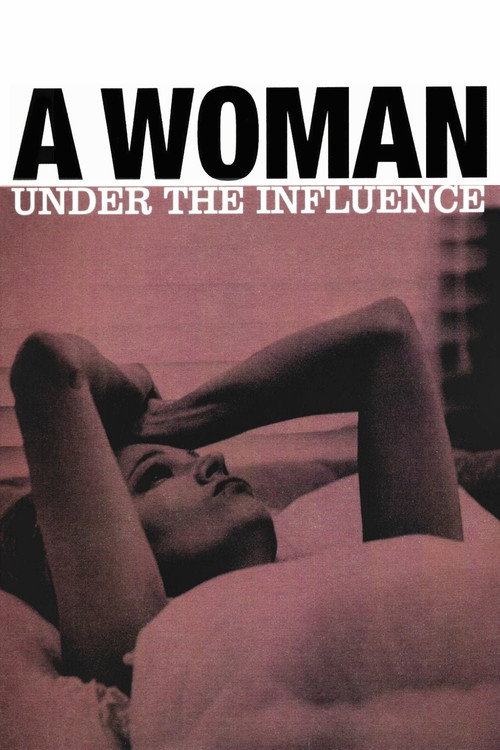
A Woman Under the Influence1974
Gena Rowlands in Cassavetes' masterwork: a woman's inner life collapsing under the weight of a husband's needs and a society's indifference. Raw, improvised, devastating. The emotional honesty is brutal.
But It's nearly three hours of watching someone come apart. The handheld camera work and overlapping dialogue can feel deliberately difficult to sit through.
Not sure tonight? Get a pick in a minute, starting from Diary of a Mad Housewife
The wildcard
Something you would not have found on your own.
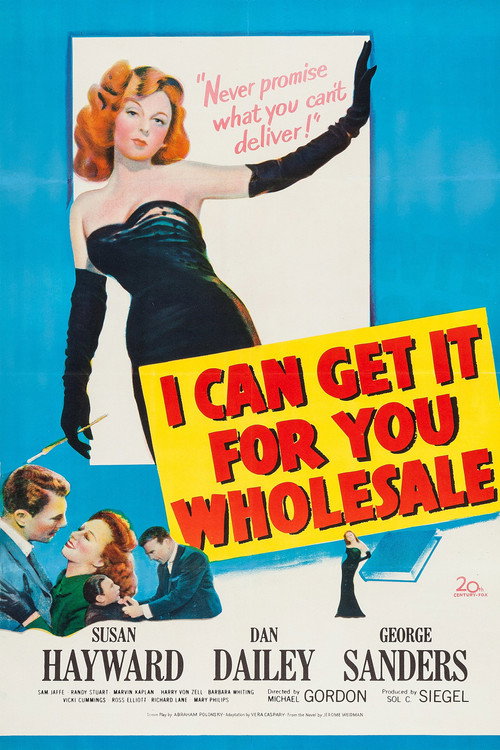
I Can Get It for You Wholesale1951
Both use romantic entanglement as the architecture for depicting how men extract labor and ego-feeding from women who've been taught to accommodate.
A 1951 film where Burt Lancaster plays a manipulative charmer seducing a woman through flattery, while Susan Hayward watches her own ambitions dissolve. It's Diary's template twenty years earlier—the same power dynamics, different decade, no one has learned anything.
But It's styled as a romance. The film itself doesn't fully see what it's showing—you have to read against the grain.
More like this (7)
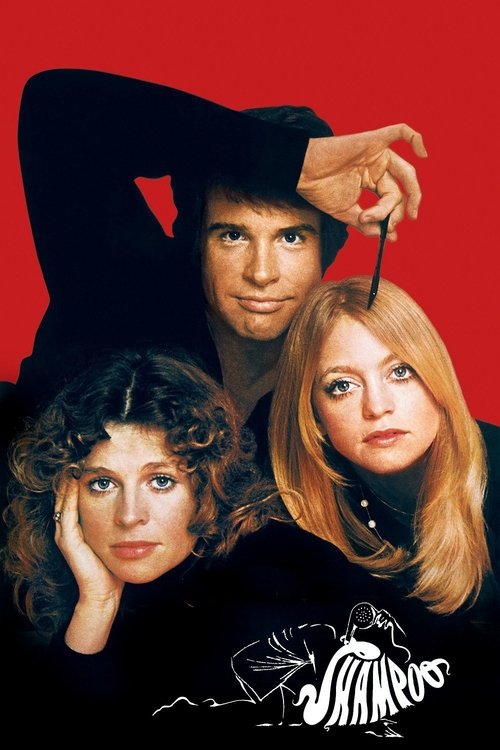
Shampoo1975
Warren Beatty and Robert Towne's satire of LA vanity and male privilege. Like Diary, it uses comedy to expose how casually men destroy the women around them while remaining entirely self-absorbed.
But It's more plot-driven. Some of the sexual politics feel dated in how they're framed, even if the critique is sound.
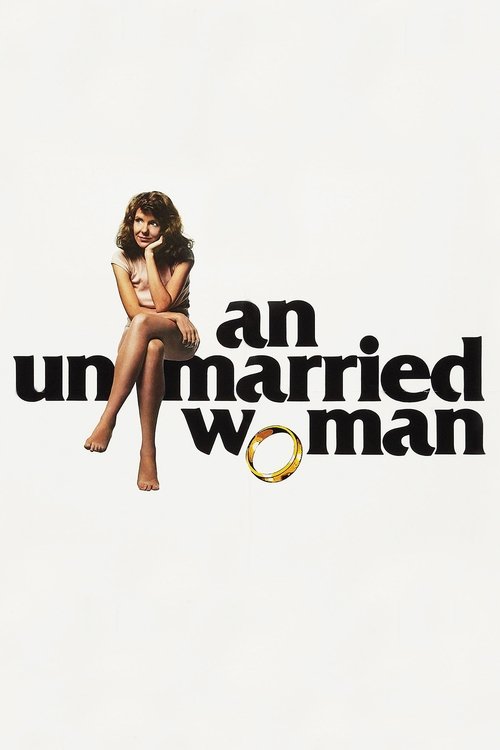
An Unmarried Woman1978
Jill Clayburgh after divorce, learning to exist for herself rather than as an accessory. It's the flipside of Diary—what happens when a woman stops accommodating. Tender and genuinely hopeful.
But It's sweeter and more conventional in structure. After Diary's acidity, it might feel like a sitcom resolution.
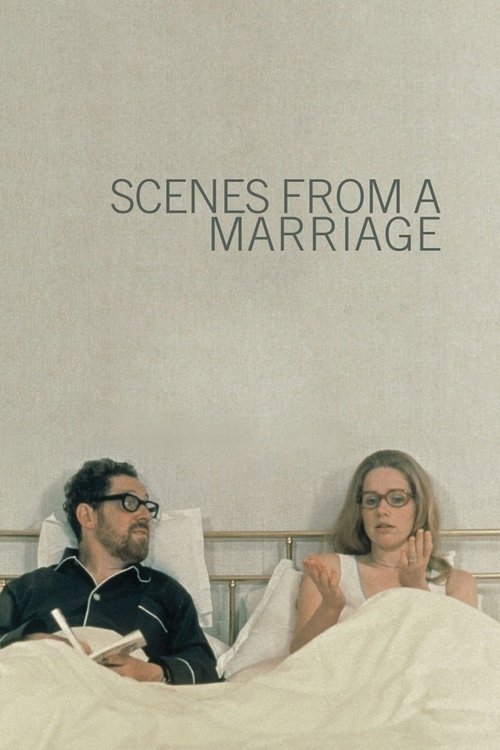
Scenes from a Marriage1974
Bergman's TV miniseries (later edited into a film) dissects marriage with the precision of a scalpel. Like Diary, it refuses sentimentality about intimacy, showing how couples bruise each other.
But It's slow, methodical, and utterly bleak about partnership. If you want reassurance about relationships, this isn't it.
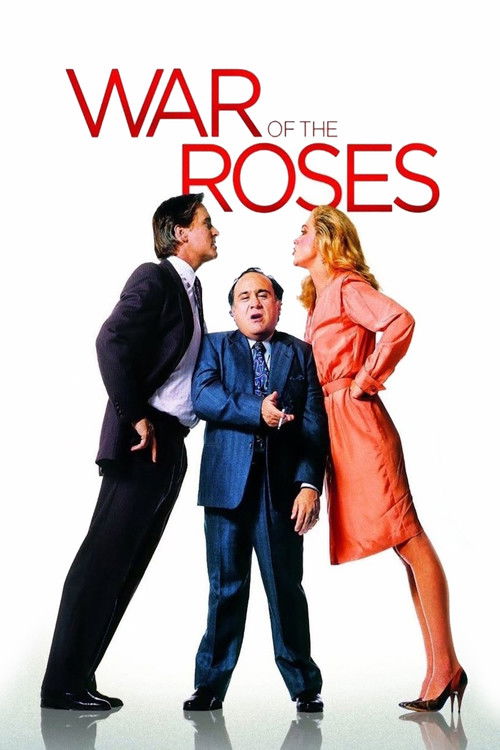
The War of the Roses1989
Danny DeVito and Kathleen Turner in a marriage that becomes open warfare. It's comic until it isn't, showing how love curdles into mutual destruction—thematically close to Diary's sadism.
But It's more mainstream and less interested in the woman's inner experience. The dark comedy can feel manipulative compared to Diary's honesty.
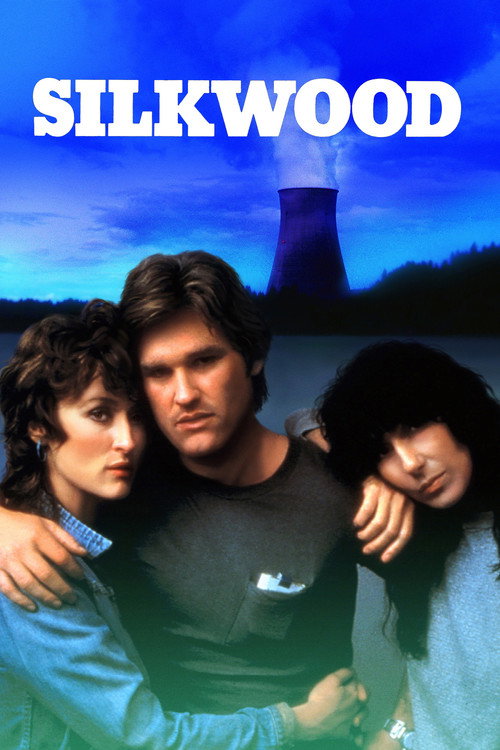
Silkwood1983
Meryl Streep as a woman caught between institutional pressure and personal integrity. Like Diary, it's about a woman navigating systems indifferent to her wellbeing, with a performance of extraordinary nuance.
But It's a political thriller more than a character study. The plot mechanics can overshadow the emotional precision.
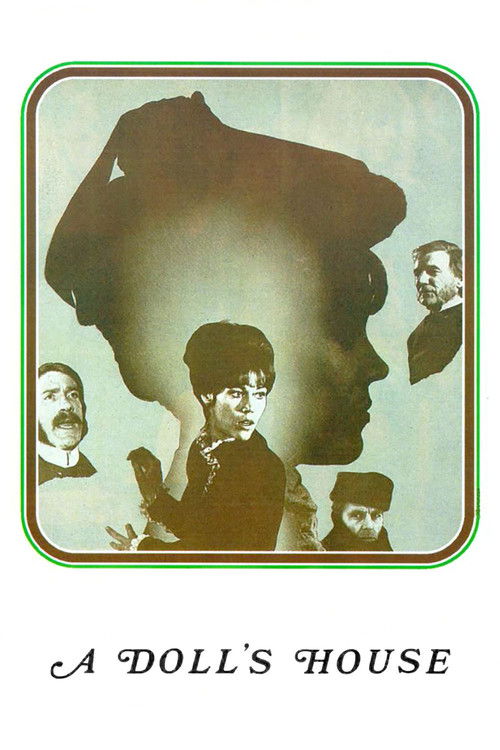
A Doll's House1973
Both are about the moment a woman realizes her marriage is a trap built by someone she loves, and both refuse to make that realization comforting.
Anthony Hopkins and Claire Bloom in Losey's adaptation of Ibsen's play about a marriage built on performance and dependency. It's Diary's ur-text, the foundational argument about women and domesticity, staged without compromise or softening.
But It's based on a 1879 play. The theatrical language can feel removed from the naturalism of 70s cinema, and the solution it proposes feels impossibly clean.
Jeanne Dielman, 23, quai du Commerce, 1080 Bruxelles1976
Where Diary rages against domestic life through comedy and affairs, Akerman photographs it in real time, frame by frame, asking you to feel the weight of repetition the film's heroine feels every day.
Chantal Akerman's three-hour portrait of a housewife's daily rituals: cooking, cleaning, sex work. Diary's complaint becomes an aesthetic. It's the anti-housewife film—glacial, meticulous, radically bored by what the world values in women.
But Almost nothing happens. It's an endurance test dressed as cinema. You will be bored, intentionally, and whether that's profound or tedious depends on your tolerance for difficulty.

People
Cast
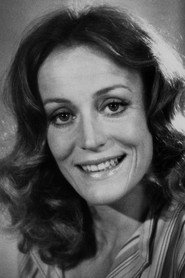 Carrie SnodgressTina Balser
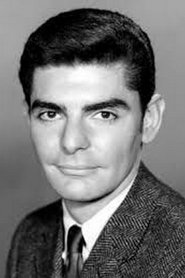 Richard BenjaminJonathan Balser
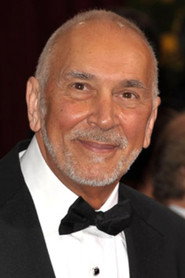 Frank LangellaGeorge Prager
- Lorraine CullenSylvie Balser
- Frannie MichelLiz Balser
- Lee AddomsMrs. Prinz
- Peter DohanosSamuel Keefer
- Katherine MeskillCharlotte Rady
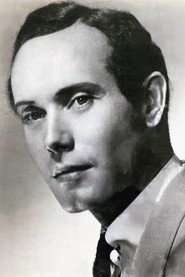 Leonard ElliottM. Henri
- ValmaMargo
- Hilda HaynesLottie
 Donald SymingtonPediatrician
Directing
- Frank PerryDirector
Writing
- Sue KaufmanNovel
- Eleanor PerryScreenplay
Production
- Shirley RichCasting
- Frank PerryProducer
- Ronald H. GilbertProducer