
Film
The Chapman Report
A research psychologist studying female sexuality in 1950s suburbia finds his clinical detachment crumbling as he becomes entangled in the messy, contradictory lives of four women. George Cukor's glossy, gossipy adaptation of Irving Wallace's bestseller is for anyone fascinated by how Hollywood nervously danced around sex before the sixties loosened everything up.
If you liked this
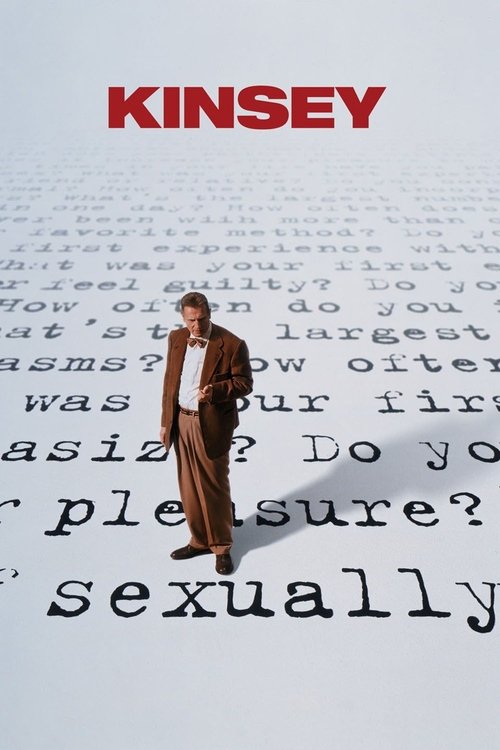
Kinsey2004
A biographical drama about the real sex researcher whose work inspired Wallace's novel. Liam Neeson brings intellectual intensity to the man whose curiosity changed everything, and the film itself handles its subject with intelligence and wit.
But It's deliberately measured and academic rather than salacious, which means some will find it slower than the more sensationalized source material.
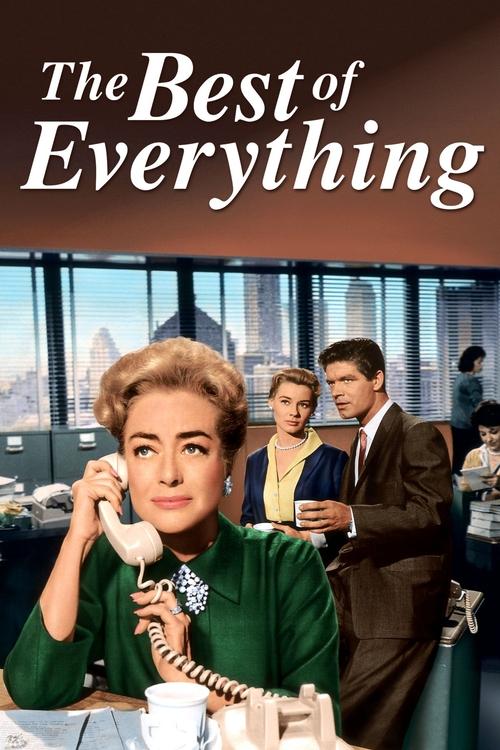
The Best of Everything1959
Joan Crawford and a stellar ensemble playing ambitious women in New York navigating love, work, and compromise. It has that same lush, catty energy about female desire and the limited choices available to 1950s women.
But The melodrama is thick and the moralizing occasionally creaks—this is Eisenhower-era filmmaking wrestling with whether career women are tragic or triumphs.
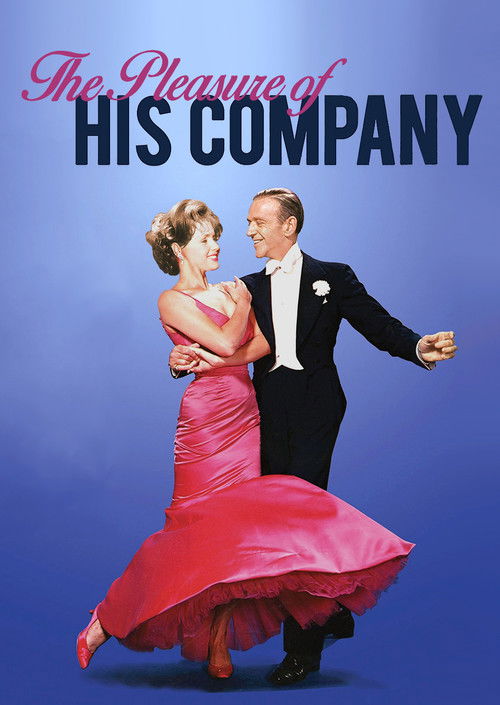
The Pleasure of His Company1961
Fred Astaire and Debbie Reynolds in a sophisticated comedy about a rakish divorce lawyer and the complications of grown-up romance. It's lighter and breezier than Chapman Report but shares that urbane preoccupation with adult relationships and deception.
But The sophistication sometimes reads as cold, and modern audiences often find the gender politics dated in ways that don't charm so much as irritate.
Not sure tonight? Get a pick in a minute, starting from The Chapman Report
The wildcard
Something you would not have found on your own.
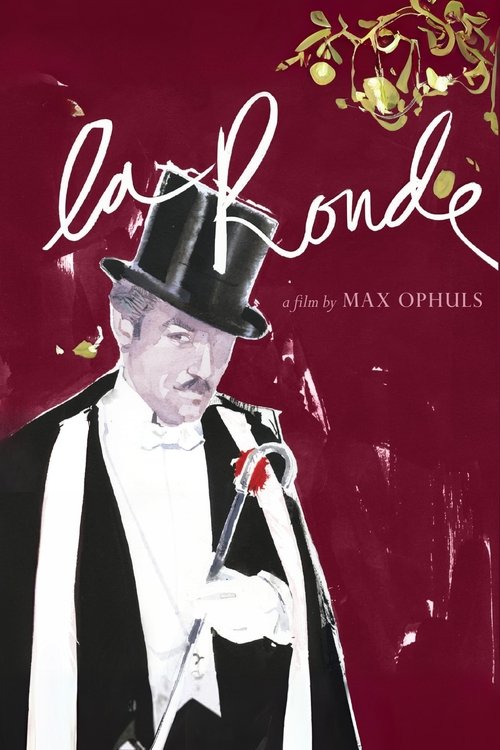
La Ronde1950
Both are episodic examinations of how desire and deception structure the social lives of adults. Ophüls shows Chapman Report what it might have been in the hands of a visual poet.
Max Ophüls's virtuoso carousel of seduction in fin-de-siècle Vienna. Ten interlocking stories of desire and deception, a formal precedent for Chapman Report's structure but infinitely more elegant and fatalistic. Erwin's waltz, the cinematography, the philosophical despair—this is what the American film was reaching toward.
But It's in French with subtitles, and its European cynicism about human nature can feel bleak compared to Hollywood's more optimistic moralizing. The pacing is leisurely.
More like this (8)
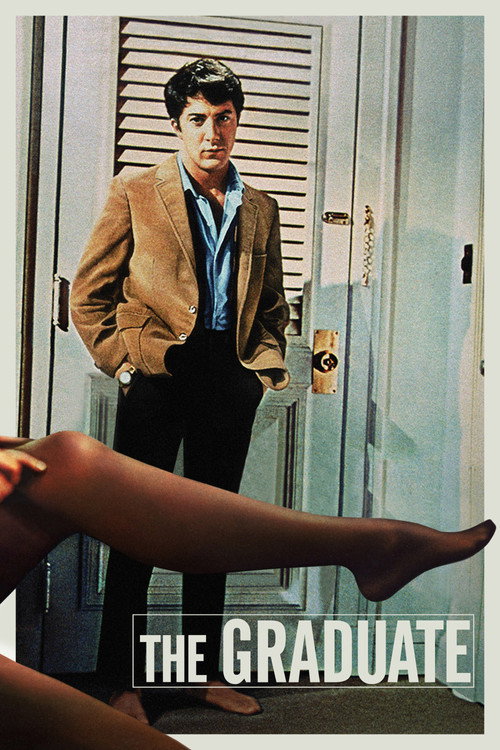
The Graduate1967
Dustin Hoffman stumbling through a sexual education orchestrated by an older woman. It's the successor to Chapman Report—more explicit, more anarchic—but still obsessed with the gap between sexual appearance and emotional reality.
But Everyone's seen it, and its cult status can make it feel untouchable rather than intimate, especially if you first encounter it decades after release.
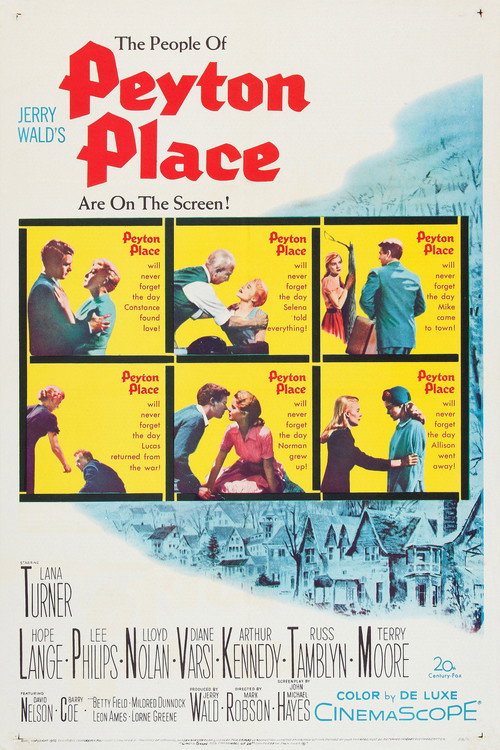
Peyton Place1957
Scandal and suppressed desires simmering beneath a small-town façade. Like Chapman Report, it's constructed as a series of interconnected vignettes about women's hidden lives, with Lana Turner bringing glamour and damage to the centre of it.
But It's episodic and sometimes overwrought, and the pacing can feel choppy if you're expecting a tighter narrative throughline.
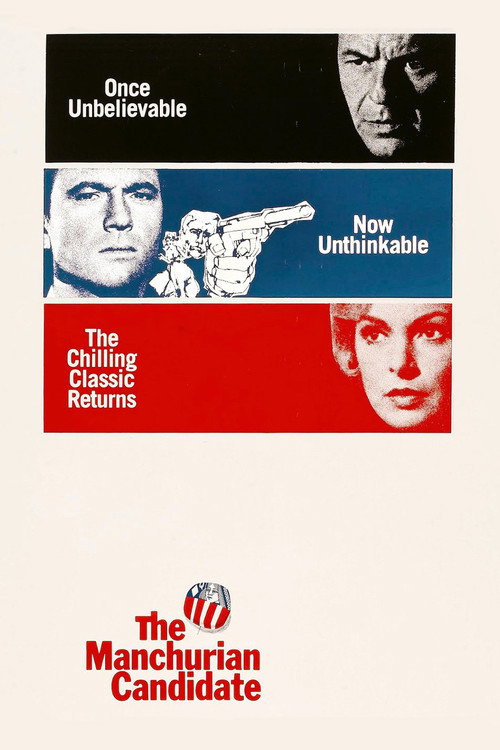
The Manchurian Candidate1962
Released the same year, it's proof that 1962 Hollywood could be genuinely unsettling. Frank Sinatra, Angela Lansbury, and a conspiracy thriller that still feels cold and strange—a palate cleanser if Chapman Report's softness starts to cloy.
But The politics are specific to the Cold War moment, so some of the urgency will be lost on viewers unfamiliar with that paranoia.
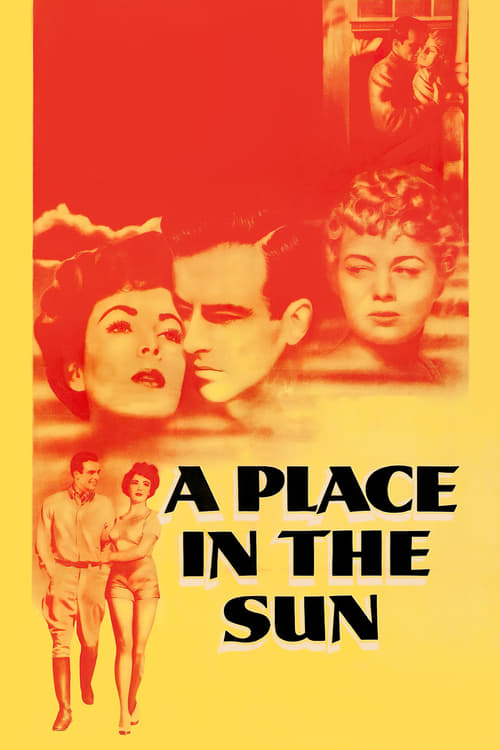
A Place in the Sun1951
Montgomery Clift and Elizabeth Taylor in a tragedy about desire, class, and the impossible choices beautiful, desperate people make. George Stevens directs with genuine emotional weight, even when the plot turns melodramatic.
But It's a heavy, tragic story about an unwed pregnancy and abortion, handled with 1950s circumspection that modern viewers might find either restrained or insufficiently honest.
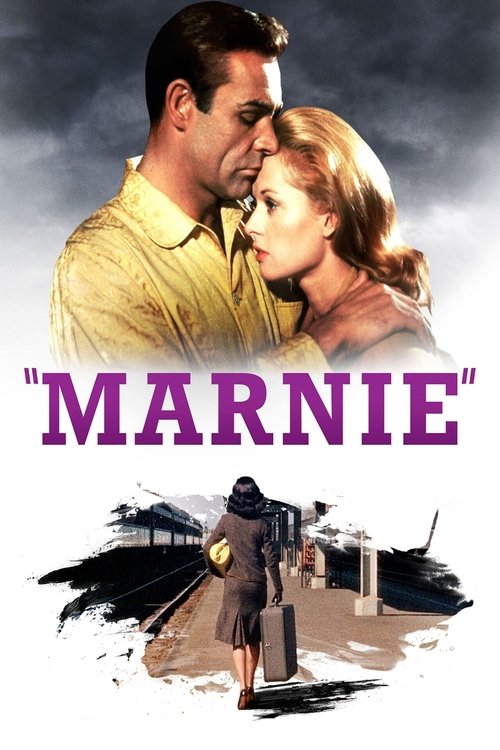
Marnie1964
Tippi Hedren as a compulsive liar and petty thief; Sean Connery trying to psychologically untangle her. Hitchcock's fever dream about female damage and the men drawn to fixing it, with an unsettling charge that Chapman Report mostly sidesteps.
But The sexual politics are deeply uncomfortable—the film seems to endorse its hero's predatory behaviour in ways that haven't aged well, and some find it actively disturbing rather than thrilling.
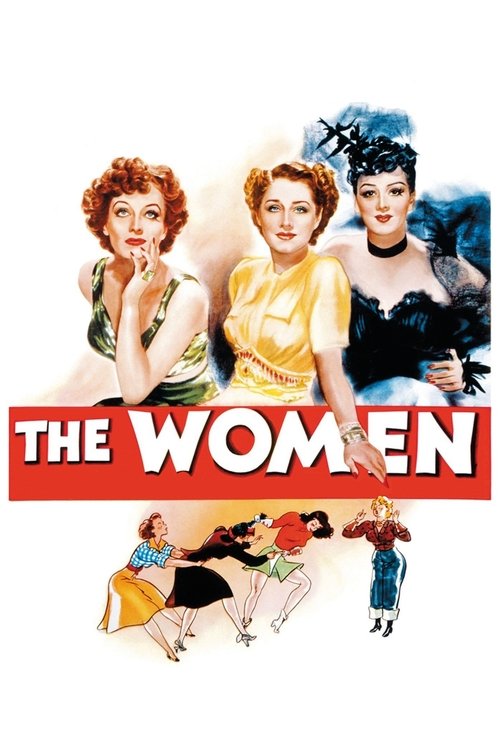
The Women1939
An all-female cast examining marriage, infidelity, and friendship in Manhattan. George Cukor's earlier film about female interiority and cattiness; it's the spiritual grandfather of Chapman Report, sharper and more savage about women's competitive cruelty.
But The homophobic undercurrent is unpleasant, and the film's ultimate endorsement of traditional marriage feels preachy by today's standards.
The Twilight Zone1959
Both are obsessed with what women are supposed to look like, want, and be. Chapman Report filmed that obsession as drama; this episode weaponizes it as dystopia.
A science-fiction satire about a society where everyone becomes beautiful through mandatory cosmetic surgery. It's a savage critique of the same 1950s feminine conformity that Chapman Report treats as romantic comedy. Brilliant, strange, deeply uncomfortable.
But It's an episode of an anthology series, not a feature, and science fiction—a genre many dismiss. Its satire is blunt enough that some find it preachy rather than clever.

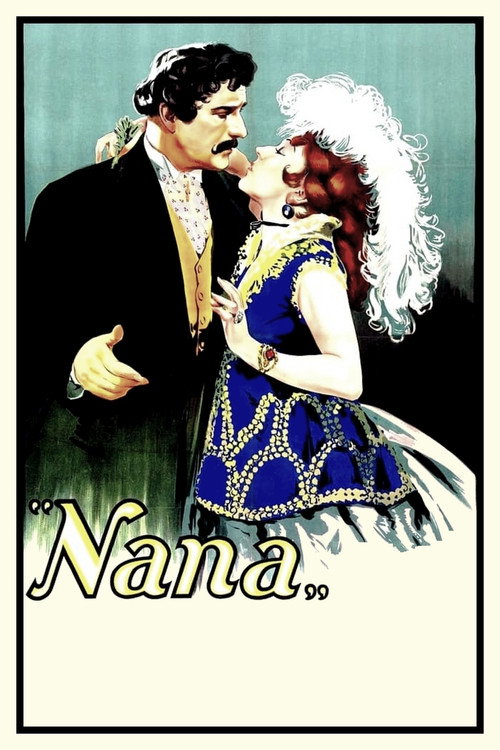
Nana1926
Both feature multiple women studied through a male gaze, but Nana is made of ice where Chapman Report is made of champagne. It asks what happens when the men stop calling.
Emil Jannings and Renée Jeanne Macadé in a German silent film about a courtesan's rise and fall. Anna Boleyn's predecessor: a pitiless examination of women's economic precarity and the men who exploit it. Filmed with Weimar sophistication and without Chapman Report's nervous softening.
But It's silent with cards, nearly a hundred years old, and German—three major barriers for modern viewers. The pacing is glacial and the mood unrelentingly bleak.
People
Cast
 Efrem Zimbalist Jr.Paul Radford
 Shelley WintersSarah Garnell
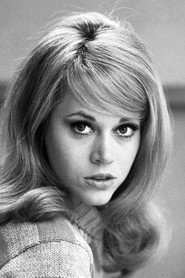 Jane FondaKathleen Barclay
 Claire BloomNaomi Shields
 Glynis JohnsTeresa Harnish
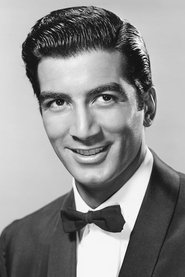 Ray DantonFred Linden
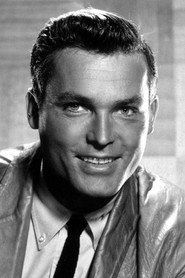 Ty HardinEd Kraski
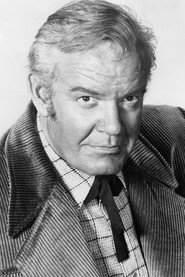 Andrew DugganDr. George C. Chapman
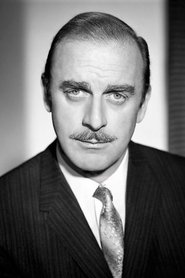 John DehnerGeoffrey Harnish
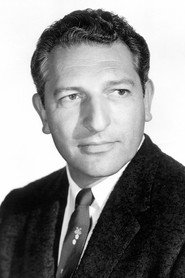 Harold J. StoneFrank Garnell
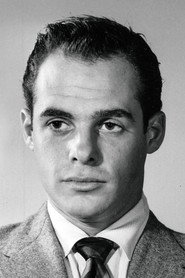 Corey AllenWalsh Dillon
- Jennifer HowardGrace Waterton
Directing
- James T. VaughnAssistant Director
- Sergei PetschnikoffAssistant Director
- George CukorDirector
Writing
- Gene AllenAdaptation
- Grant StuartAdaptation
- Irving WallaceNovel
- Don MankiewiczScreenplay
- Wyatt CooperScreenplay
Production
- Michael A. HoeyAssociate Producer
- Darryl F. ZanuckProducer
- Richard D. ZanuckProducer