
Film
The Pleasure of His Company
- Comedy
- Light-hearted
A 1961 romantic comedy in which Fred Astaire plays a charming rogue who abandons his daughter for years, then waltzes back into her life just before her wedding. It's a breezy, elegant affair about whether you can forgive someone for being fundamentally selfish, wrapped in sparkling dialogue and set design. For anyone who likes their comedy urbane rather than silly, and who appreciates mid-century sophistication.
If you liked this
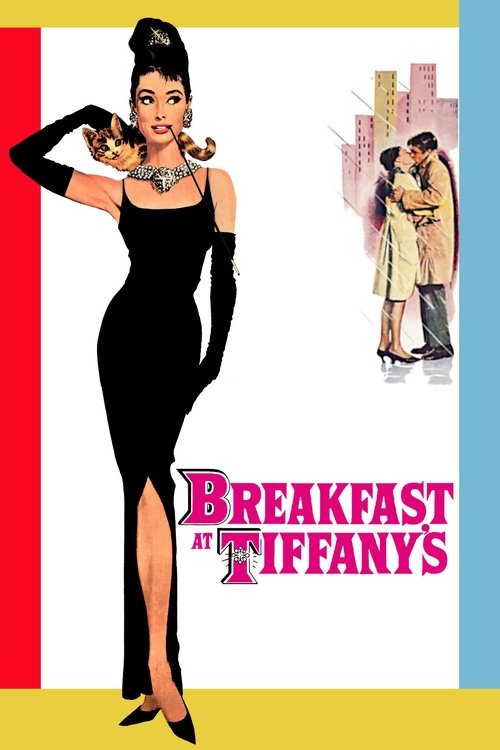
Breakfast at Tiffany's1961
Released the same year, equally elegant and built on similar chemistry between leads. Audrey Hepburn and George Peppard navigate charm, evasion, and emotional growth with the same light touch Astaire brings here.
But The whimsy can feel dated now, and some of the supporting characters haven't aged as well as the central romance.
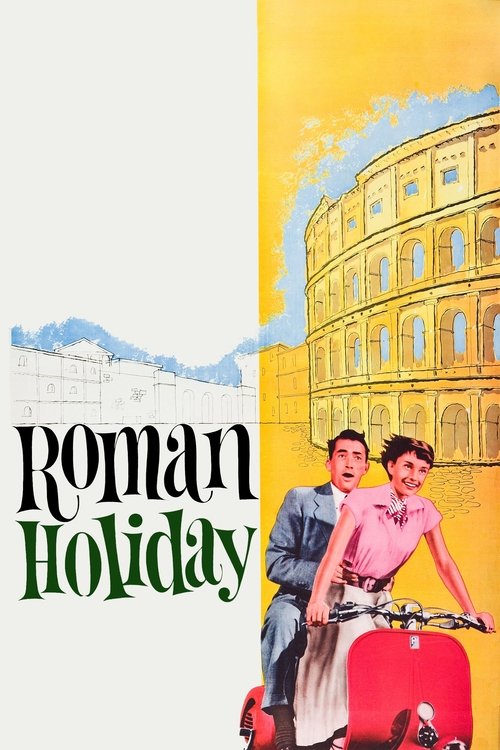
Roman Holiday1953
Another film about a woman choosing between duty and a man who makes her feel alive. Audrey Hepburn and Gregory Peck have the same effortless chemistry; the script is pitch-perfect about wanting incompatible things.
But It's genuinely sad underneath the romance, and the ending might frustrate anyone wanting pure escapism.
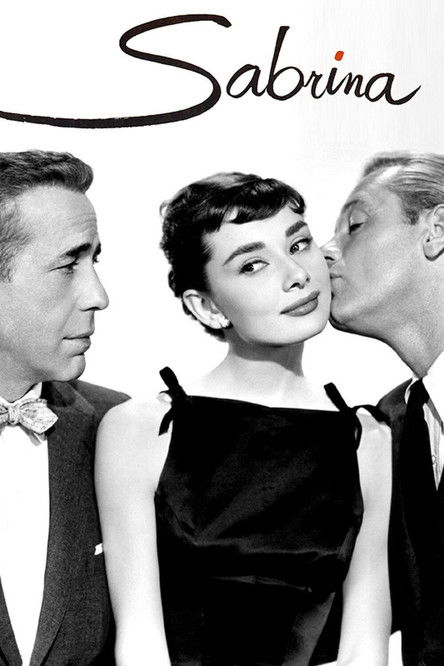
Sabrina1954
Audrey Hepburn caught between two men, both versions of wealth and possibility. Like *Pleasure*, it's genuinely funny about the gap between how charmers see themselves and how everyone else sees them.
But Billy Wilder's cynicism about class and money can read as cold if you're in the mood for something warmer.
Not sure tonight? Get a pick in a minute, starting from The Pleasure of His Company
The wildcard
Something you would not have found on your own.
The Marvelous Mrs. Maisel2017
Both explore whether charisma and sophistication can substitute for actual responsibility; both ultimately say no, but only after you've fallen for the lie.
Astaire's absent-father charm reimagined as a woman discovering her own voice and independence in 1950s New York. It has the same elegant dialogue, the same question about choosing yourself, the same sophisticated energy, but told from the perspective Astaire's character never considers.
But The first season is excellent; it becomes progressively more plot-heavy and less interested in emotional nuance as it continues.

More like this (7)
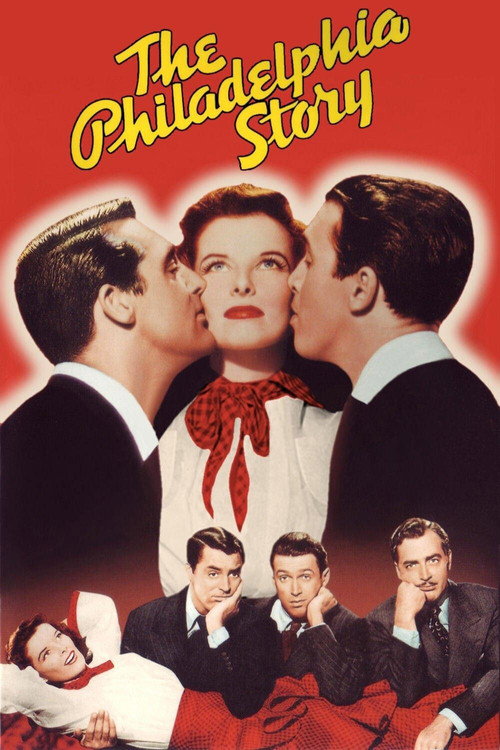
The Philadelphia Story1940
Cary Grant as an ex-husband crashing a wedding, all urbane deflection and hidden feeling. The template for this entire genre, and executed so perfectly it still feels fresh.
But At 112 minutes it's leisurely paced; if you need plot to move briskly, this will feel like a long lunch.
Singin' in the Rain1952
Fred Astaire in his element: grace, joy, extraordinary dancing woven into a story about people choosing their real selves over false versions. The energy is infectious.
But It's a musical; if dance numbers feel like plot interruptions to you, this won't change your mind.

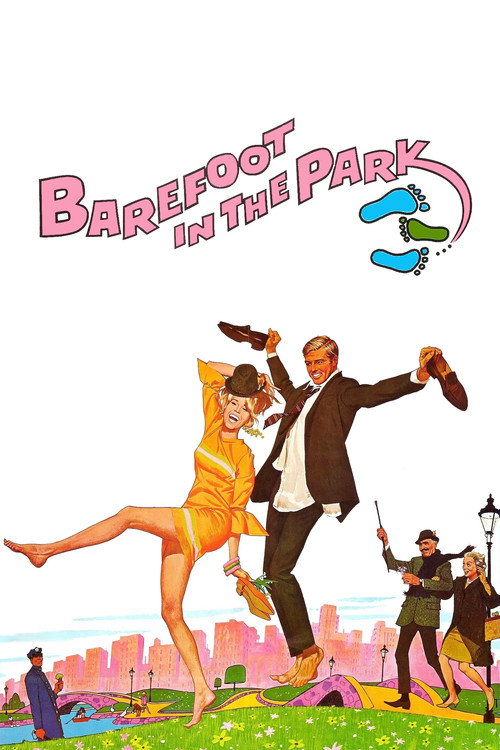
Barefoot in the Park1967
Robert Redford as a romantic idealist and Jane Fonda as a woman deciding who she actually is. Neil Simon's script finds genuine feeling inside the comedy about marriage and reinvention.
But The mid-60s mod sensibility hasn't aged kindly for everyone, and some jokes land flatter than intended now.
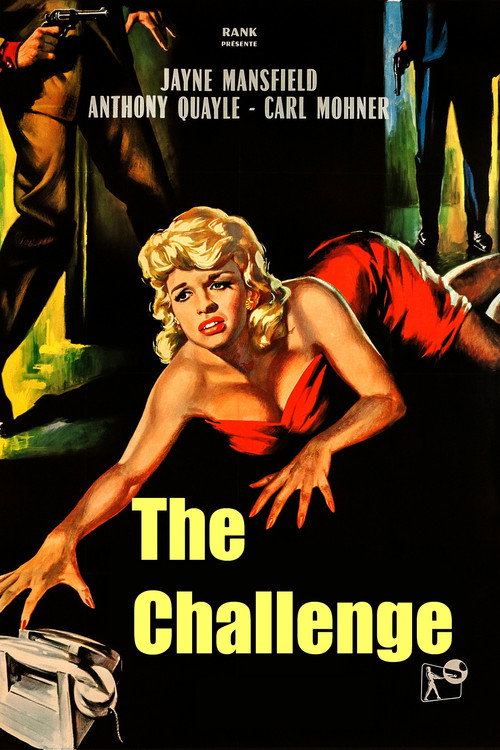
The Challenge1960
Cary Grant and Audrey Hepburn, charm against more charm. A caper about con artists being conned, light on its feet, heavy on the wit, and surprisingly touching about wanting to be known.
But The plot is thin and mostly an excuse for two beautiful people to banter; if you need substance, look elsewhere.
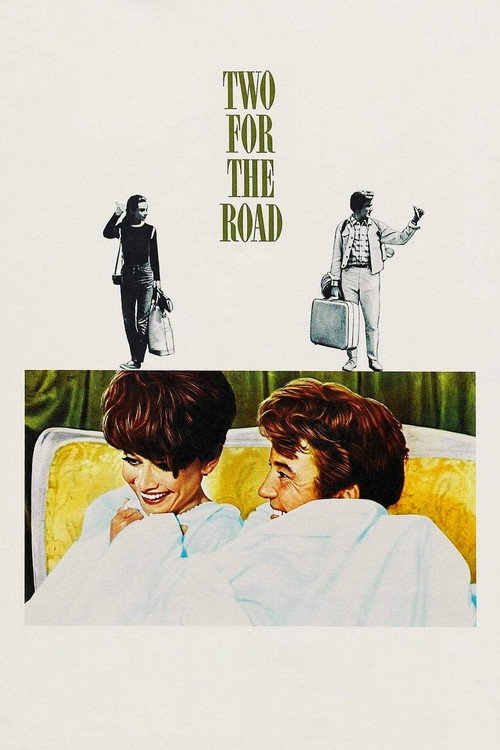
Two for the Road1967
Albert Finney and Audrey Hepburn as a couple over years of marriage, edited in a dazzling non-linear way. It finds comedy and pain in the question of whether love survives time.
But The non-linear structure can feel gimmicky, and the ending is deliberately unsentimental in a way that bothers some viewers.
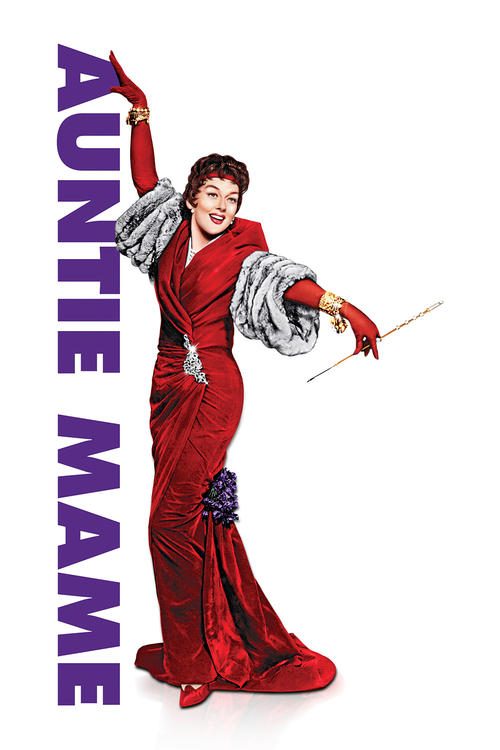
Auntie Mame1958
A woman of style and principle raising a nephew, finding joy in the world's possibilities. The energy is slightly broader, but the DNA is identical: a charismatic person teaching someone else how to actually live.
But It's much louder and campier than *Pleasure*, which some find energizing and others find exhausting.
The Servant1963
Both examine how charm works as a tool, and both refuse to let the charmer off the hook, but *The Servant* goes to places *Pleasure* never would.
Harold Pinter's screenplay about a young man and his charismatic servant, a story of seduction and power that never becomes sexual. It has the same unsettling elegance as *Pleasure*, but inverted: the urbane charmer is the servant, and the dynamic is much darker.
But It's genuinely uncomfortable and deliberately ambiguous; there's no satisfaction, only dread and fascination.

People
Cast
 Fred AstaireBiddeford 'Pogo' Poole
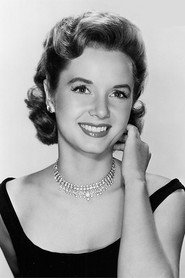 Debbie ReynoldsJessica Poole
 Lilli PalmerKatharine Dougherty
 Tab HunterRoger Henderson
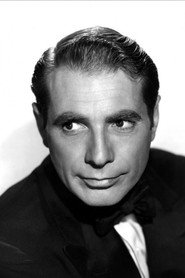 Gary MerrillJames Dougherty
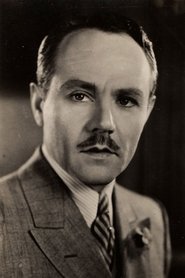 Charles RugglesMackenzie Savage
- Harold FongToy
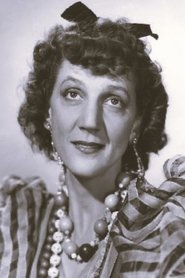 Elvia AllmanMrs. Mooney
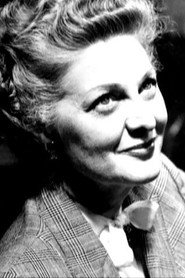 Eleanor AudleyMrs. Thompson (uncredited)
 Edith HeadDress Designer (uncredited)
 Lomax StudyPatron (uncredited)
Directing
- George SeatonDirector
Writing
- Samuel A. TaylorScreenplay
- Cornelia Otis SkinnerTheatre Play
- Samuel A. TaylorTheatre Play
Production
- Gordon Cornell LayneAssociate Producer
- William PerlbergProducer