
Film
Nana
Other titles called Nana: the 1985 film, the 2005 film, the 2006 series (NTV).
Renée Jeanne Machand's 1926 silent film adaptation of Zola's scandalous novel tracks the rise and catastrophic fall of Nana, an actress whose sexual magnetism and shameless ambition destroy everyone orbiting her. It's languid, sensual, morally unflinching—a portrait of hunger and corruption that feels less like cinema and more like watching someone's life burn in real time. For patient viewers who want 168 minutes of pure decadence and European sophistication.
If you liked this
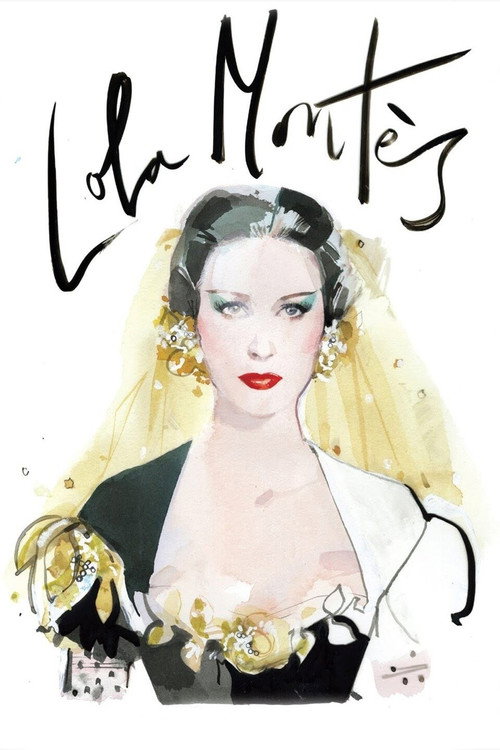
Lola Montès1955
Max Ophüls choreographs the rise and ruin of a courtesan with dizzying visual poetry. Like Nana, it's a woman's sexuality as the engine of her own destruction, but filmed with such baroque elegance you're hypnotised by the machinery grinding her.
But The non-linear structure and extreme stylisation can feel cold or alienating on first viewing. Nearly three hours of deliberate pacing.
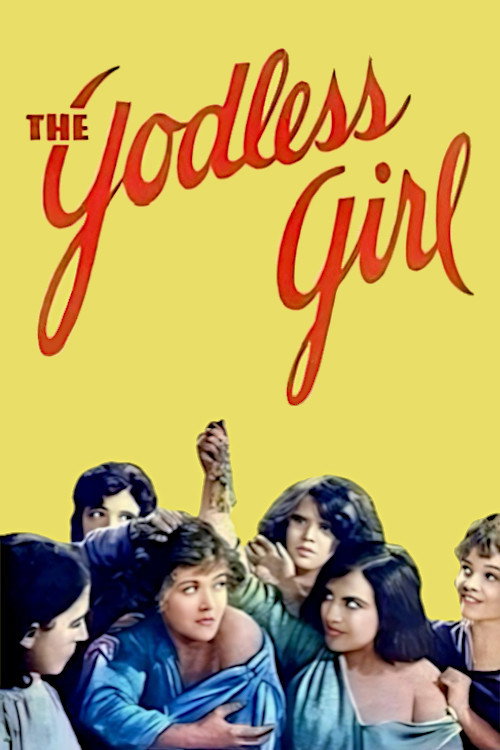
The Godless Girl1928
Another silent exploration of a woman using her body and wit to survive in a hostile world, with the same moral clarity about the cost. DeMille's direction has genuine bite beneath the melodrama.
But Surviving print quality issues. The ending veers into sentimentality that undercuts the moral ambiguity.
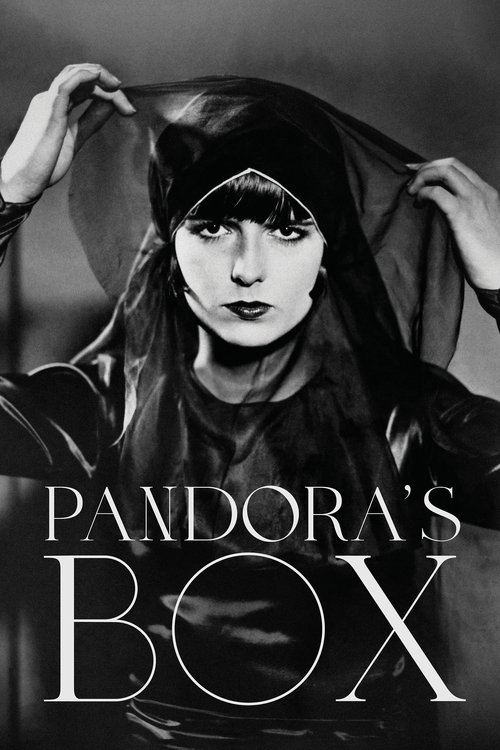
Pandora's Box1929
G.W. Pabst and Louise Brooks create the definitive portrait of female sexuality as both weapon and death sentence. The performances are shatteringly modern; the despair is authentic.
But Shot on a reconstructed print; the pacing is very deliberate. Some viewers find Brooks's face-forward acting style mannered rather than revolutionary.
Not sure tonight? Get a pick in a minute, starting from Nana
The wildcard
Something you would not have found on your own.
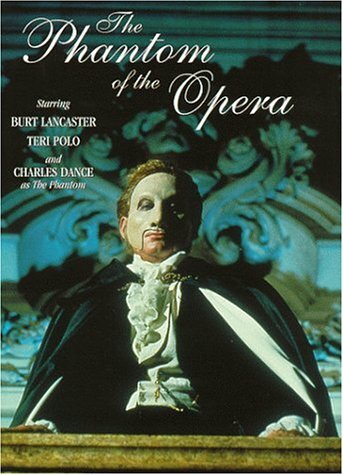
The Phantom of the Opera1990
Both centre an outsider woman (or man) whose sexual magnetism and transgression against class boundaries become instruments of mutual destruction. Both are about being consumed by desire rather than controlling it.
A lavish TV serial adaptation with intimacy and design that silent film couldn't quite achieve. Maria Schell and Michael York explore the same sexual obsession and class transgression as Nana, but from inside the Phantom's delirium. Surprisingly moving.
But As a TV adaptation of an operetta, it's twee in places. Running time sprawls; pacing is uneven. Schell's performance borders on mannered.
More like this (7)
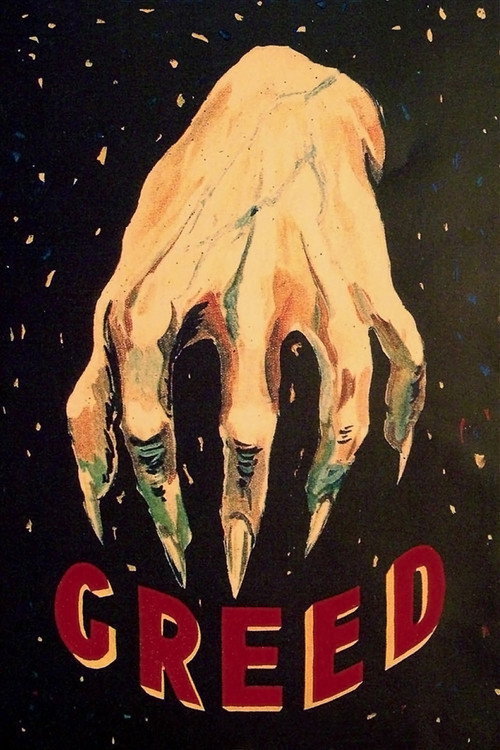
Greed1924
Erich von Stroheim's uncompromising study of how desire corrodes character. Nine hours originally; even the truncated version radiates moral sickness and visual brilliance. Same DNA as Nana—appetite as tragedy.
But Severely truncated from Stroheim's vision. Pacing and editing are not smooth. Extremely bleak without redemption of any kind.
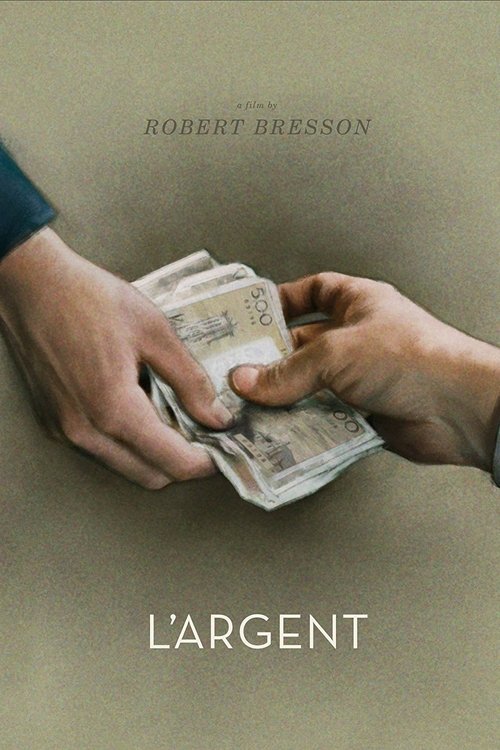
L'Argent1983
Bresson's final masterpiece uses a banknote's journey through society to trace moral collapse. Like Nana, it shows how greed and sexuality destabilise entire social hierarchies through one corrupting object.
But Bresson's austere, anti-naturalistic style takes adjustment. Emotionally brutal and remote; beauty emerges slowly or not at all.
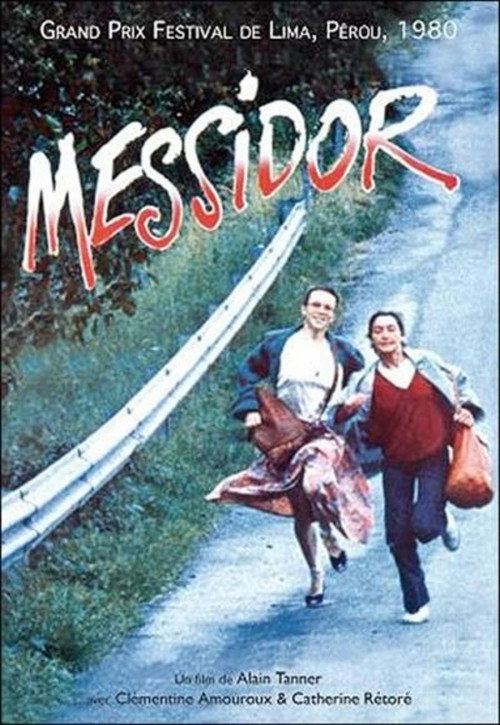
Messidor1979
Godard examines how two young women's freedom and sexuality threaten the social order. Lighter than Nana but philosophically aligned—sex and transgression as political acts.
But Godard's essay-film techniques are digressive and theoretical. Deliberately choppy editing; conventional plot is secondary to ideas.
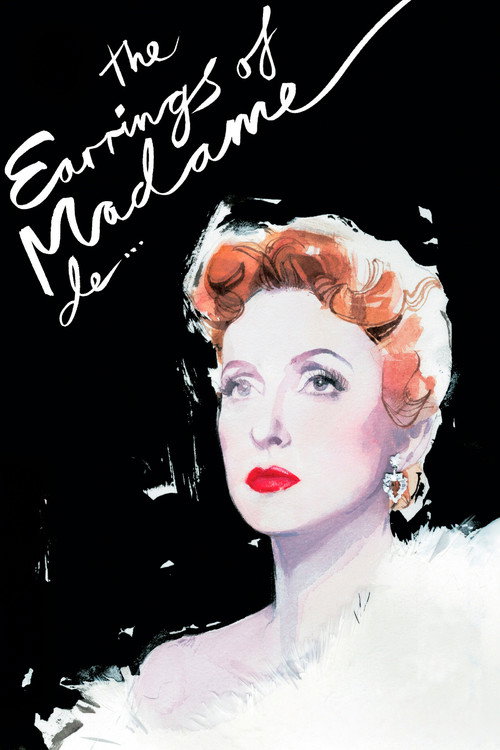
The Earrings of Madame de...1953
Max Ophüls again, distilling the same moral universe into 105 minutes. A woman's vanity and desire circle back to destroy her with tragic inevitability. Exquisite and pitiless.
But Extremely stylised; some find it more interested in surface than substance. The social world is hermetic and narrow.
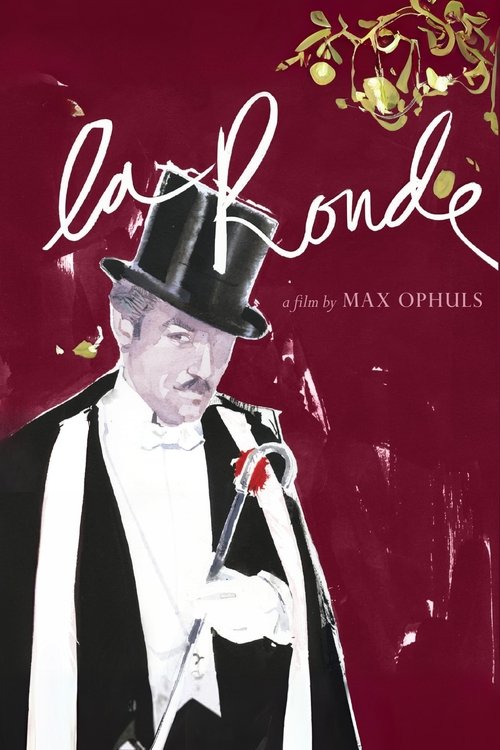
La Ronde1950
Ophüls's circular structure of seduction and betrayal—sex as social transaction and moral bankruptcy. More playful than Nana but working the same material: how bodies and desires crash through society.
But The carousel structure can feel schematic. The winking cynicism about sex may seem dated or thin to modern viewers.
Jeanne Dielman, 23, quai du Commerce, 1080 Bruxelles1976
Both unflinchingly document how women's bodies and sexuality determine their fate in society. But where Nana's visibility destroys her, Jeanne's invisibility is the same prison. Opposite surfaces, identical trap.
Chantal Akerman's three-hour portrait of a widow's daily ritual is the anti-Nana: a woman whose body and sexuality are invisible, yet the film argues she is more trapped than any courtesan. Hypnotic, radical, utterly committed to its vision. Changes how you see power and desire.
But Long, repetitive shots of domestic labour. Nothing dramatic happens. No plot. Tests patience rather than rewards it immediately.

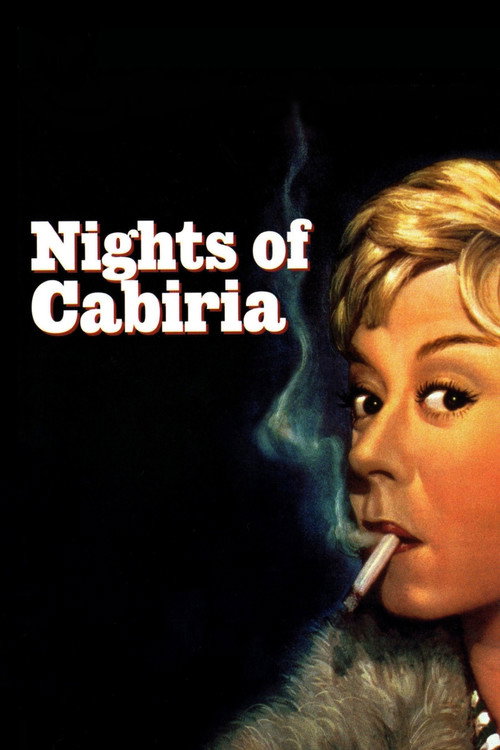
Nights of Cabiria1957
Both follow a woman whose sexuality defines her social position and survival. But Cabiria inverts Nana's trajectory—instead of destruction, we glimpse the person beneath the role. Same scaffolding, opposite moral universe.
Fellini's Cabiria is Nana for the postwar era—a prostitute's resilience and longing filmed with tenderness rather than moral judgment. Where Zola saw corruption and ruin, Fellini sees humanity and the possibility of grace. Giulietta Masina is miraculous.
But Sentimentality undercuts the realism for some. Romanticises sex work in ways that feel dated. The ending is deliberately ambiguous in a way that bothers viewers looking for catharsis.
People
Cast
 Pierre LestringuezBordenave
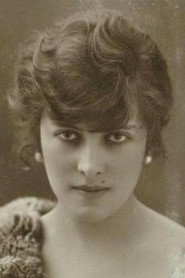 Jacqueline ForzaneCountess Sabine Muffat
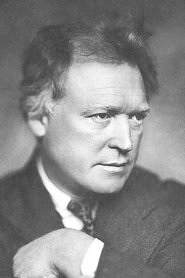 Werner KraussCount Muffat
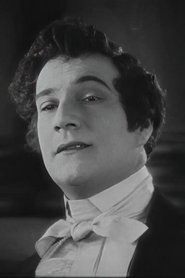 Jean AngeloCount de Vandeuvres
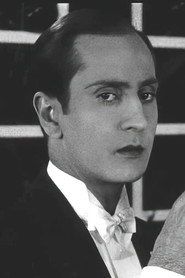 Raymond Guérin-CatelainGeorges Hugon
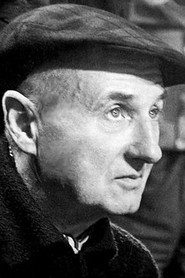 Claude Autant-LaraFauchery
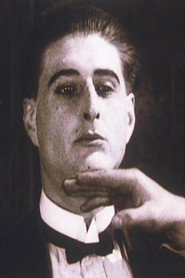 Pierre ChampagneHector de la Faloise
- Karl HarbacherFrancis
- Valeska GertZoe
- Jacqueline FordRose Mignon
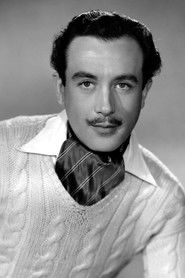 Dennis PriceNana's Jockey
Directing
- Jean RenoirDirector
Writing
- Émile ZolaNovel
- Pierre LestringuezScreenplay
Production
- Jean RenoirProducer