
Film
Naná
Other titles called Naná: the 1926 film, the 2005 film, the 2006 series (NTV).
A Mexican musical melodrama adaptation of Zola's scandalous novel about a courtesan's rise and fall in 19th-century Paris. Irma Serrano dominates with cabaret performances woven through the narrative. It's a lush, theatrical affair—operatic rather than naturalistic—where the music matters as much as the story. For viewers who want their moral decay delivered with orchestration and sequins.
Should you watch it?
Watch it if you enjoy a melodramatic, sensual retelling of a Zola novel where the singing numbers and bold stage presence carry as much weight as the plot, and you like your romance with a theatrical edge.
Skip it if you want a faithful, restrained literary adaptation, since this 1985 version leans into flamboyant performance and music over the novel's social observation and naturalistic detail.
What it asks of you: It runs about an hour and forty minutes and settles into a steady, indulgent rhythm, with musical interludes breaking up the drama, so it rewards a viewer willing to go along with its exaggerated tone.
Not sure? Find tonight's pick in a minute.
If you liked this
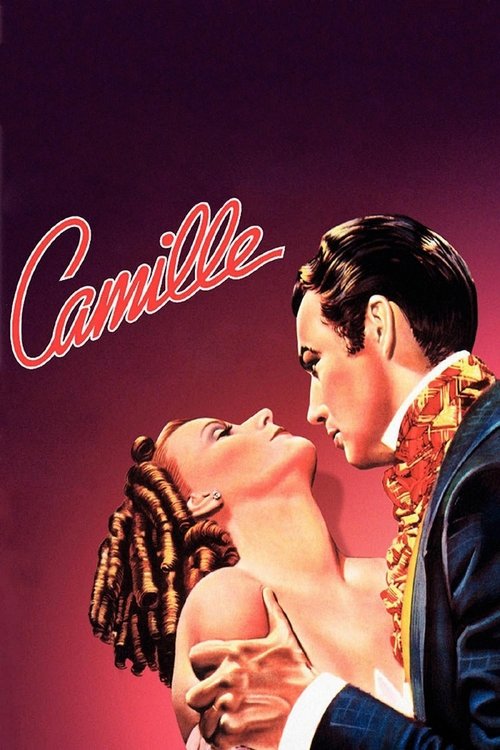
Camille1936
Greta Garbo as a courtesan destroyed by love and circumstance. The template for all tragic fallen-woman stories. Elegant, heartbreaking, and Garbo's performance is absolute cinema.
But It moves slowly by modern standards, and the emotional register is deliberately restrained—the opposite of showy.
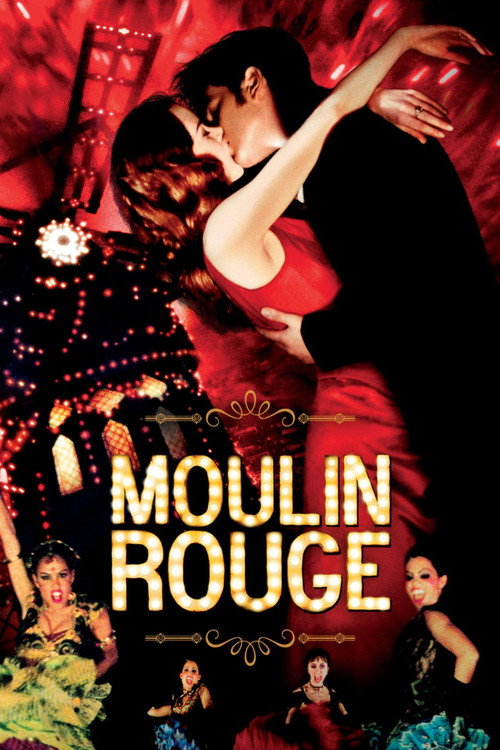
Moulin Rouge!2001
Music, spectacle, and bohemian Paris collapse into the tragic love story of a courtesan. Baz Luhrmann does excess; you get production design as a character. Dizzying and alive.
But The tonal whiplash between comedy, tragedy, and musical number can feel manipulative. Some find it exhausting rather than exhilarating.
The Killing of a Sacred Deer2017
Slow-burn moral reckoning disguised as a contemporary thriller. Formally precise, deeply unsettling, Yorgos Lanthimos at his most controlled. Stays with you for days.
But Virtually no plot momentum in the traditional sense. It's glacial and deliberately artificial—not for viewers who need to feel carried along.

Not sure tonight? Get a pick in a minute, starting from Naná
The wildcard
Something you would not have found on your own.
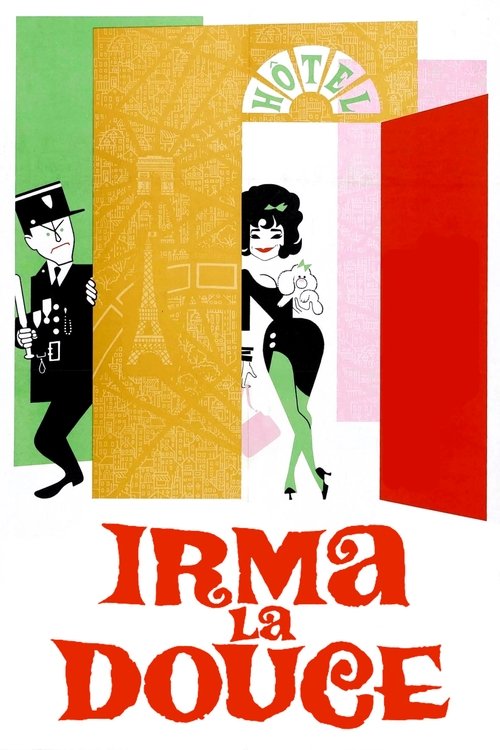
Irma la Douce1963
Same source mythology—the dangerous allure of the woman outside respectable society, and the inevitable cost of that allure to everyone involved. Just told for laughs instead of tears.
Billy Wilder's comedic take on a Parisian courtesan and her relationship with a cop who falls for her. Lighter than Zola, but structurally and thematically the same story of a woman selling herself and the men who consume her. Audrey Hepburn and Jack Lemmon's chemistry is irresistible.
But It's a comedy about prostitution, which dates awkwardly. The French setting is actually Paris Texas via Hollywood backlot. Some find Wilder's tone trivializing.
More like this (7)
Adagio2024
Recorded opera (Franco Zeffirelli's production) of Verdi's most famous adaptation of Dumas's courtesan tale. Straight classical tragedy with the world's best singers. Gorgeous and genuinely moving.
But You're watching opera. If sung recitative instead of dialogue bothers you, no version of this exists for you.
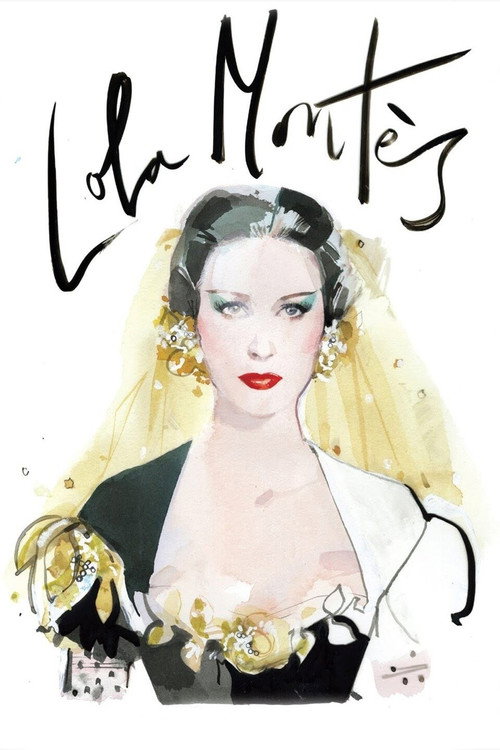
Lola Montès1955
Max Ophüls on the life of a famous courtesan-dancer told in fragmented, gorgeous Technicolor. Formally inventive and utterly romantic about its own subject. A masterpiece of cinema.
But The circular structure and refusal of linear narrative confuse viewers expecting a proper biopic. Requires patience and surrender.
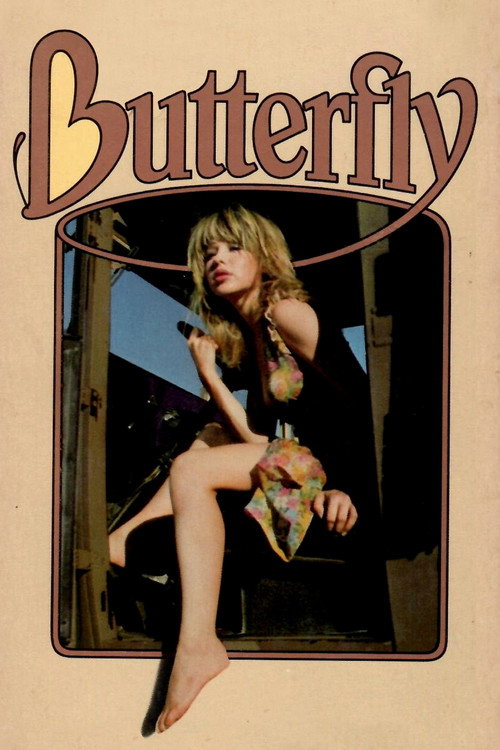
Butterfly1982
Pio and Amleto Balzani's lesser-known melodrama about forbidden desire. More intimate than grand, with real intimacy beneath the theatrical surface. Moving in unexpected ways.
But Genuinely obscure and difficult to find. Low production values compared to major studios. The story is deliberately downbeat.
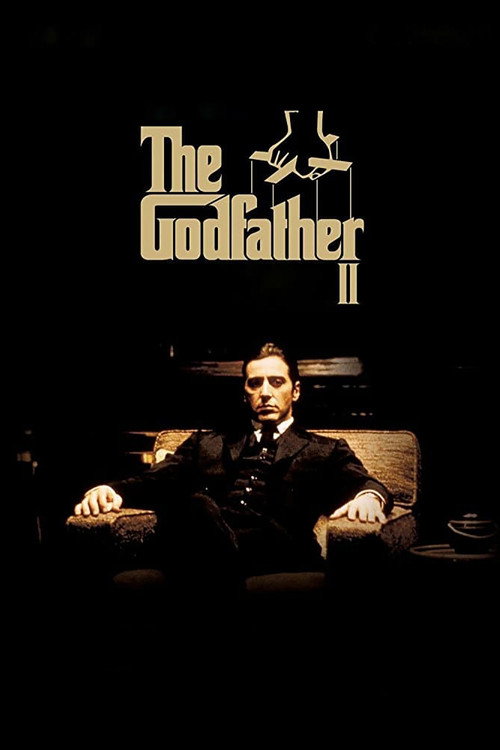
The Godfather Part II1974
Parallel narratives of corruption across generations. If you're interested in how power and morality corrupt the soul, this is the definitive exploration. Coppola's masterpiece.
But It's long, and the pace is deliberate. The violence, when it comes, is shocking. It's not actually about women, which seems off-topic here.
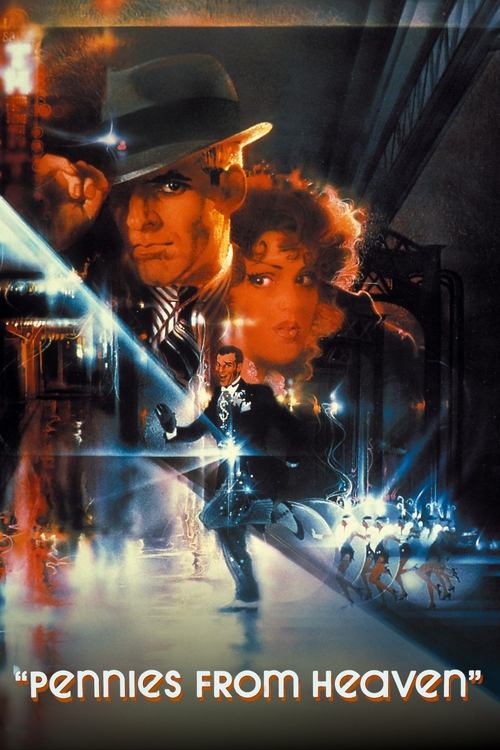
Pennies from Heaven1981
Depression-era melodrama where fantasy musical numbers erupt from ordinary suffering. Steve Martin against type. Heartbreaking and genuinely strange. A hidden gem.
But Tonally confused on purpose, which some find grating. The ending is genuinely dark and offers no comfort whatsoever.
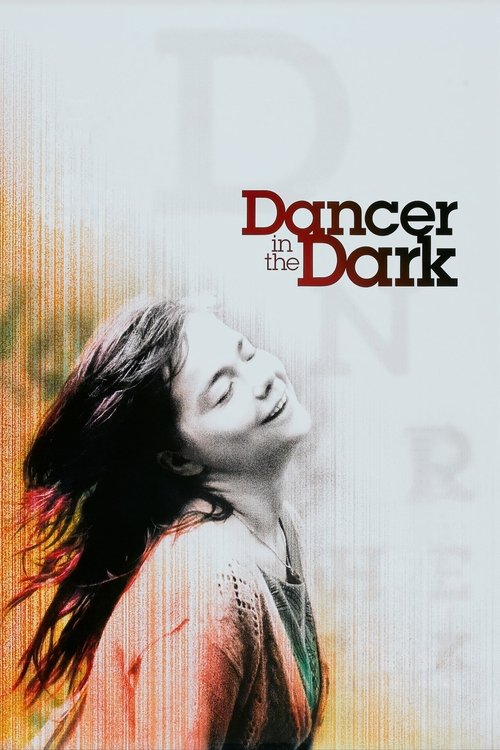
Dancer in the Dark2000
Both feature a woman whose sexuality and labor are commodified, whose descent is partly structural (the world fails her) and partly self-inflicted. Both use music as emotional amplification rather than relief.
Lars von Trier's Selma is a factory worker driven to desperate acts by circumstance and love. Björk's performance shatters you. The musical numbers are the character's escape into fantasy. Unbearably intense and formally brilliant.
But It's devastatingly sad. The ending is genuinely traumatic. Von Trier's provocation can feel cruel rather than purposeful. Extremely difficult to watch.
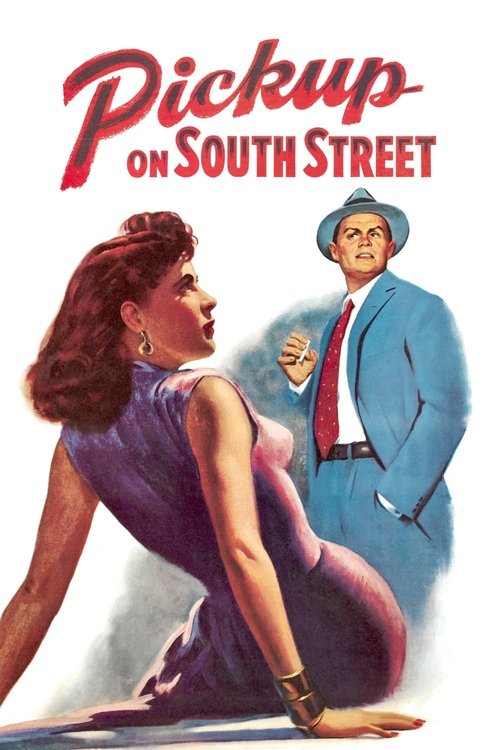
Pickup on South Street1953
Subsistence as a way of life. The woman (Jean Peters) survives by her wits and her body. Like Naná, she's the center of the story but not in control of it. Both are unflinching about the costs of that position.
Samuel Fuller's lean noir about a pickpocket and a woman trying to survive the margins of society. Shot in black-and-white on actual New York streets. Tougher and stranger than it first appears. Fuller's moral ambiguity is radical.
But It's 1950s exploitation done seriously—the woman's sexuality is currency, which reads as uncomfortable by design. The Cold War politics feel distant. Low budget means rough edges.
People
Cast
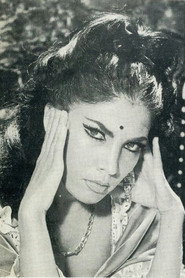 Irma SerranoNaná
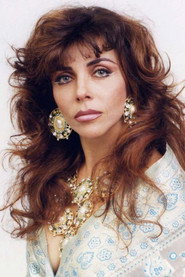 Verónica CastroSatán
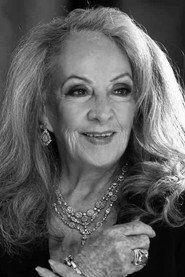 Isela VegaRosa Mignon
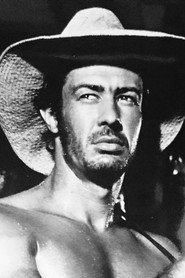 Gregorio CasalMuffat
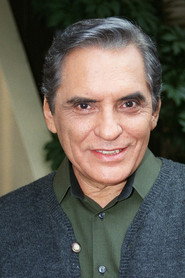 Manuel OjedaConde Muffat
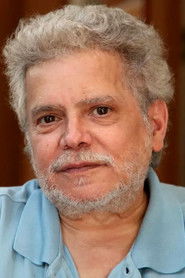 Jaime GarzaCoquito
 Roberto CoboFrancisco
 Bruno ReyCapitán Ugon
Directing
- Irma SerranoDirector
- José BolañosDirector
- Rafael BaledónDirector
Writing
- Émile ZolaNovel
- Irma SerranoWriter