
Film
Adagio
- Romantic drama
- Drama
- Slow-burning
A quiet South Korean drama about two middle-aged strangers who find unexpected connection through classical music in a seaside village. Meditative and tender, it moves at the pace of genuine emotion rather than plot mechanics. For anyone who believes the best romances are about recognition, not conquest.
Should you watch it?
Watch it if you are drawn to quiet romances where two wounded adults find each other slowly, and where a shared love of classical music does more of the talking than dialogue does.
Skip it if you want romance with momentum and a clear sense of where it is heading, since this one drifts through long stretches of stillness and lets its feelings surface at their own unhurried pace.
What it asks of you: Settle in for just under two hours with patience, since scenes linger on faces, sea and silence, and the emotional payoff arrives gradually rather than in bursts.
Not sure? Find tonight's pick in a minute.
If you liked this
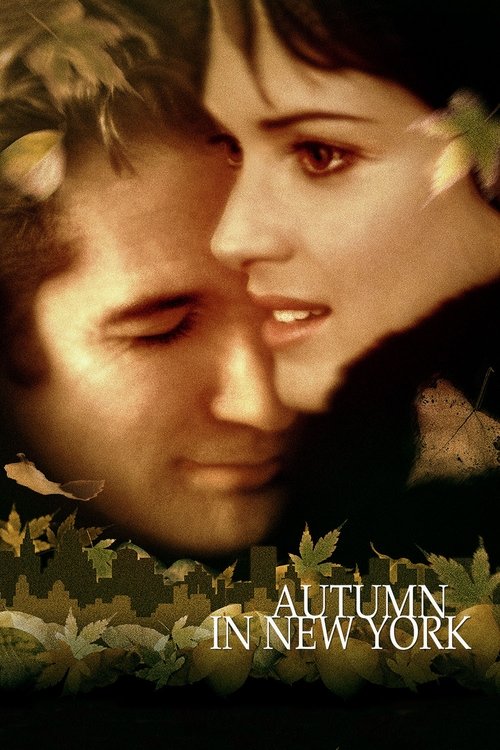
Autumn in New York2000
Romance between two people in different life stages, built on conversation and mutual damage rather than destiny. Beautifully acted and genuinely melancholy about what age brings.
But The film's romanticism about a significant age gap hasn't aged well, and it can feel resigned rather than hopeful about love.
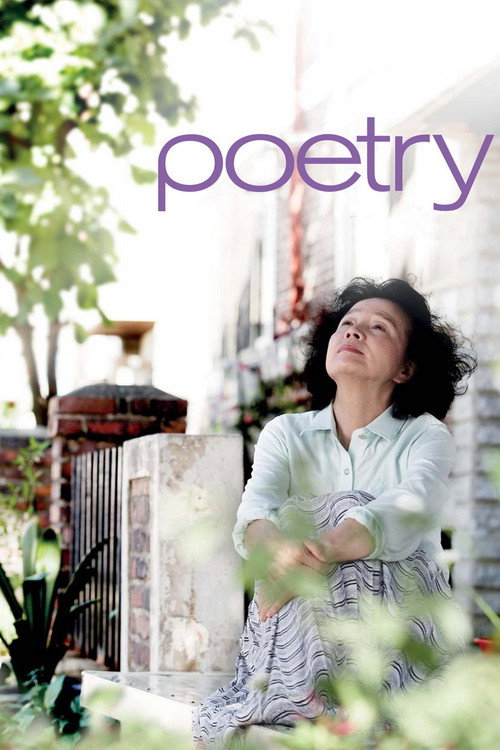
Poetry2010
Another Korean film about an older person discovering beauty and connection through art after years of numbness. Slow, wise, and deeply moving without ever raising its voice.
But It's genuinely bleak in places, and the pacing demands patience. Not a film that gives you what you want; it gives you what you need.
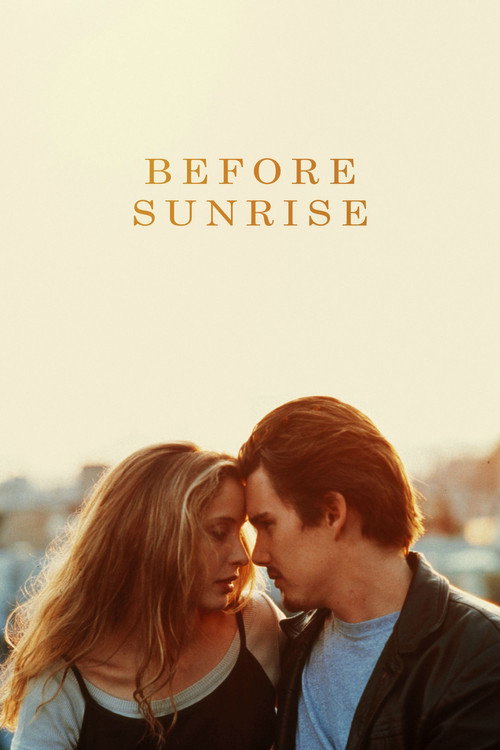
Before Sunrise1995
Two people connecting through conversation alone, in a single night. Proof that romance works when you're interested in who someone actually is, not just the story of meeting them.
But Nothing happens. If you need a plot or can't sit still through dialogue, this will feel impossibly slow.
Not sure tonight? Get a pick in a minute, starting from Adagio
The wildcard
Something you would not have found on your own.
Mulholland Drive2001
Both films position classical music as a gateway to hidden truths about who we are and who we might become with another person.
Lynch's film uses classical music (the Puccini aria) as a spiritual key to unlock identity and connection. Like Adagio, it believes music can express what words cannot, though the register is fever-dream rather than meditative.
But It's deliberately fractured and refuses to cohere into a single meaning. Many find it infuriating rather than mystical.

More like this (8)
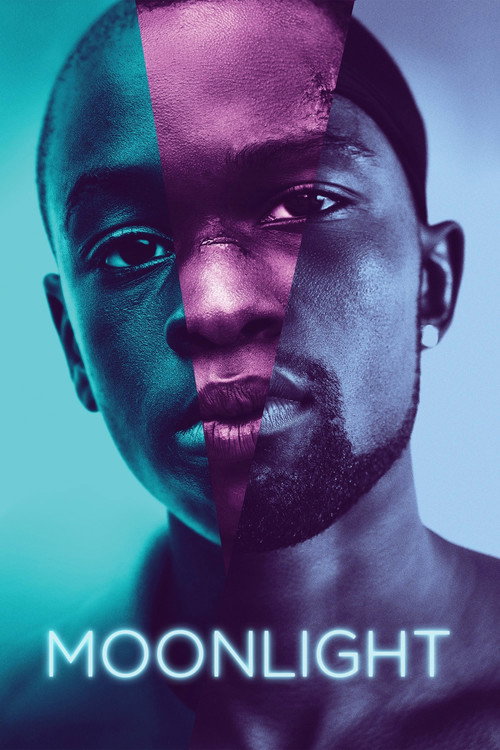
Moonlight2016
Intimate, sensory storytelling about recognition and desire across different seasons of life. Shot through with classical music and the language of touch rather than words.
But It's oblique and asks a lot of the viewer. Some find it transcendent; others find it frustratingly withholding.
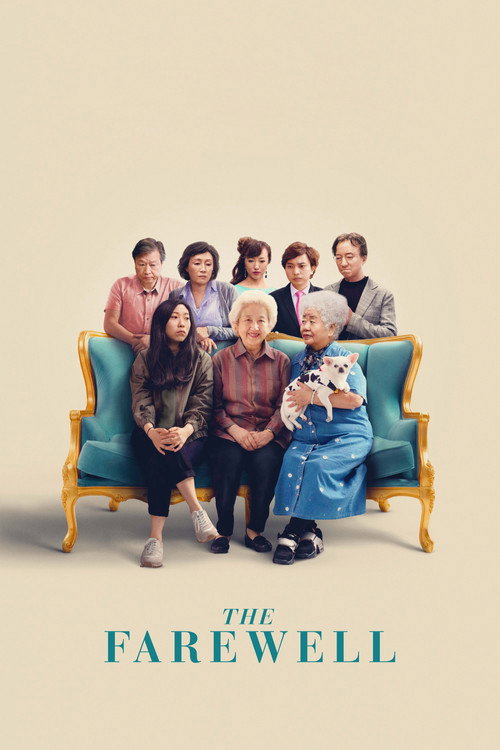
The Farewell2019
A family drama that understands how people from different worlds and eras communicate through small gestures and misunderstanding. Funny and heartbreaking without choosing between them.
But The emotional register is quiet. If you came for a big cathartic cry, this subtlety might not deliver it.
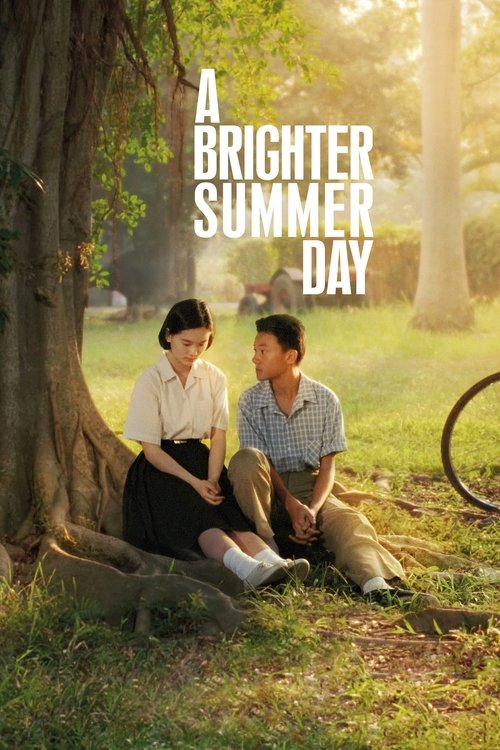
A Brighter Summer Day1991
Hou Hsiao-hsien's portrait of adolescence in Taiwan is meditative, lyrical, and attentive to how music, class, and circumstance shape the people we become.
But At over four hours, it's a commitment. The pacing is glacial, and the narrative logic isn't Western. Patience required.
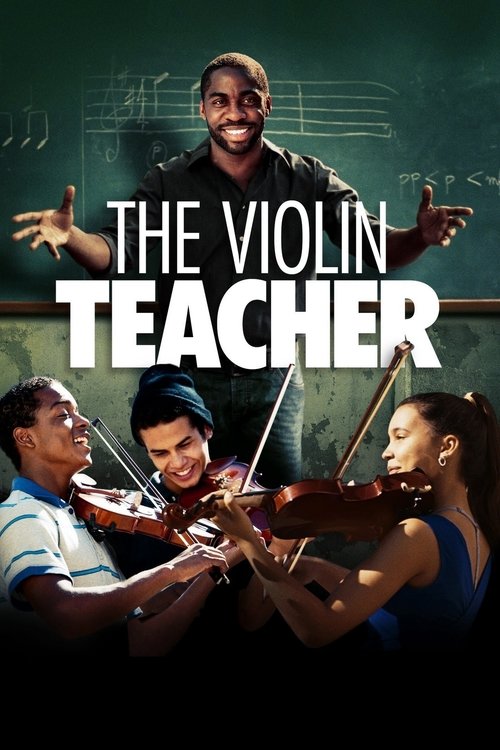
The Violin Teacher2015
An older musician in Brussels takes on a young refugee student. The relationship unfolds through music lessons as a metaphor for healing and connection across impossible divides.
But It's a small film that many won't have heard of. It has the texture of indie European cinema: subtle to the point of understatement.
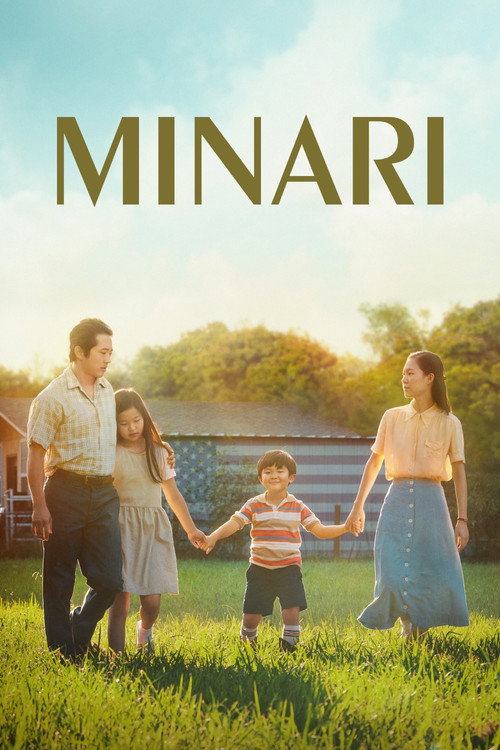
Minari2021
A family drama about immigrant life that finds profound tenderness in ordinary moments. Attentive to how people show love through presence rather than grand gestures.
But It builds to quiet resolution rather than climax. Some viewers feel it's too understated for the weight it's carrying.
Tokyo Story1953
An elderly couple visits Tokyo and reconnects with family. It's a masterclass in how cinema can convey feeling through space, silence, and the unspoken weight of time.
But Ozu's style is austere and demands active attention. It's easy to find it boring if you're looking for narrative drive.

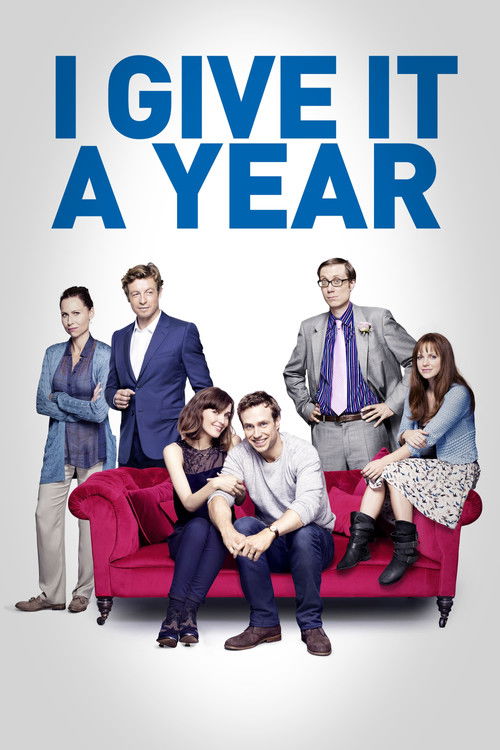
I Give It a Year2013
Both examine the gap between what two people hoped would happen and what actually does. Adagio finds grace in that gap; this finds black comedy.
A brittle romantic comedy about a marriage's collapse told through the year before it happens. Same emotional DNA as Adagio—recognition of damage, failure of connection—but told as comedy rather than elegy.
But The tone is cynical and barbed. If you watch Adagio for tenderness, this sharp British tone might feel cruel by comparison.
The Act of Killing2012
Both films believe that creative expression—music, performance, film itself—can open people to recognition and change in ways rational argument cannot.
A documentary that uses music, choreography, and film itself as a means of processing atrocity and allowing people to confront themselves. Like Adagio, it trusts art—not dialogue—to reach the truth.
But It's disturbing, morally complex, and three hours long. Not a gentle watch. It asks you to sit with evil attempting self-justification.

People
Cast
 Kim Ji-youngYoung-hee
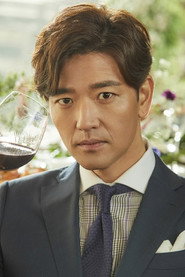 Bae Soo-binJun-woo
 Yoon Ji-minRi-na
 Yoon Sang-jeongDa-mi
 Bae Min-junDong-gyu
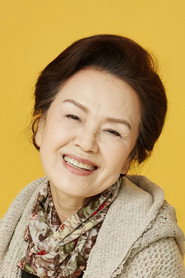 Jung Young-sookSoon-ja

Directing
- Shin Min-jaeAssistant Director
- Yoon Seok-hoDirector
- Lee Jin-youngScript Supervisor
Writing
- Yoon Seok-hoAdaptation
- Yuki IbukiNovel
- Shin Min-jaeWriter
- Yoon Seok-hoWriter
Production
- Yoon Seok-hoExecutive Producer
- Ahn Byung-raeProducer
- Yoon Seok-hoProducer