
Film
Minari
Lee Isaac Chung's semi-autobiographical film follows a Korean American family chasing self-sufficiency on a struggling Arkansas farm in the 1980s. It's quiet, patient, and tender rather than dramatic — small moments of tension and grace between a stubborn father, a homesick mother, a mischievous grandmother, and two kids caught in between. For anyone who wants a family story that trusts silence as much as dialogue.
If you liked this
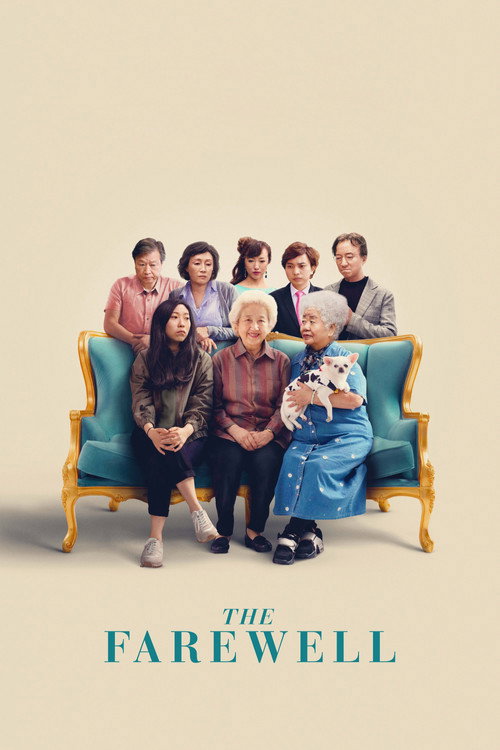
The Farewell2019
Lulu Wang's film about a Chinese American family keeping a terminal diagnosis secret from its matriarch shares Minari's exact tenderness — generational distance, a grandmother who anchors everything, comedy folded into grief.
But It's more openly comedic and dialogue-driven than Minari's stillness; if you wanted quiet, this talks more.
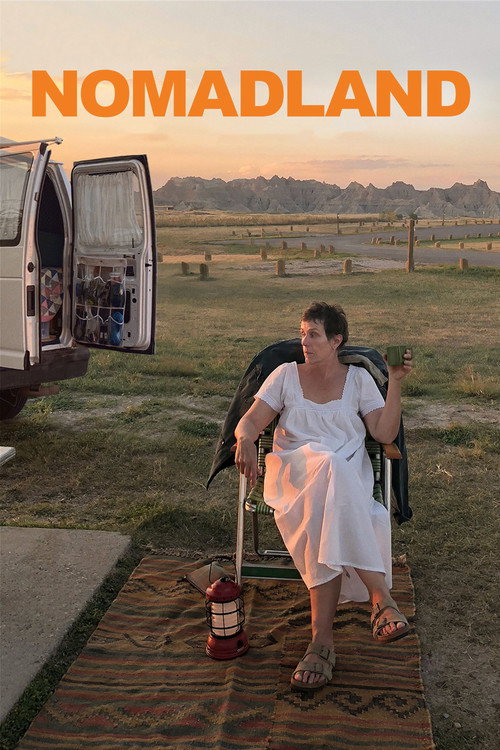
Nomadland2021
Chloé Zhao's Oscar winner watches a woman rebuild a life on the American margins with the same patient, unhurried camera and real landscapes doing emotional work instead of dialogue.
But No family unit here — it's about solitude, not the push-pull of a household, so the comparison is tonal, not narrative.
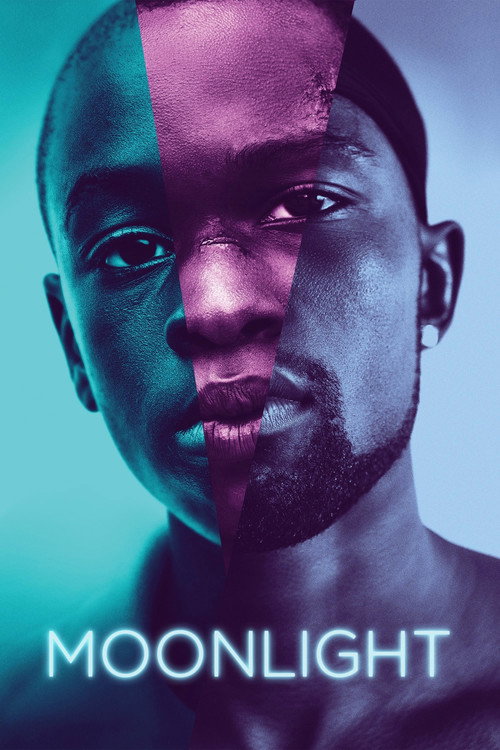
Moonlight2016
Another A24 portrait of a childhood shaped by a specific, unglamorous American place, told in hushed, intimate scenes that trust silence and gesture over exposition.
But Its subject matter — identity, sexuality, addiction in Miami's projects — is a different world from Minari's, tonally darker throughout.
The wildcard
Something you would not have found on your own.
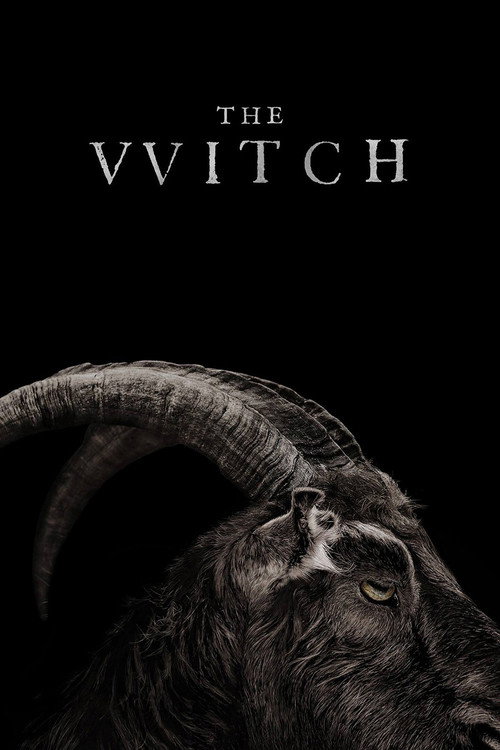
The Witch2016
Same structural bones — isolated family, ambitious father, land that won't cooperate, children absorbing the strain — reimagined as folk horror instead of tender drama.
Robert Eggers' horror film puts an isolated farming family — a stubborn patriarch chasing self-sufficiency, a fraying household, children caught in the crossfire — through the same pressures Minari explores, pushed to their most extreme, dreadful conclusion.
But It's genuinely frightening and bleak; there's no warmth or hope here, only dread building toward collapse.
More like this (8)
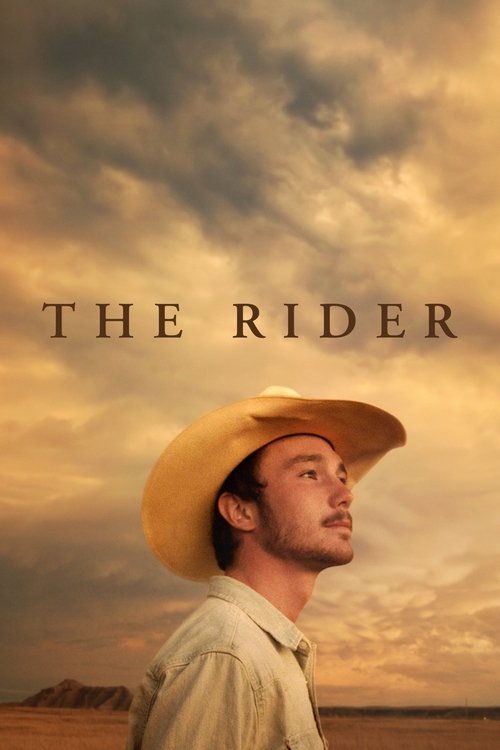
The Rider2018
Chloé Zhao again, using real ranch hands instead of actors to tell a quiet story about pride, injury, and a man's relationship to land and work.
But It's slower and more elliptical than Minari, with almost no plot momentum — a mood piece more than a story.
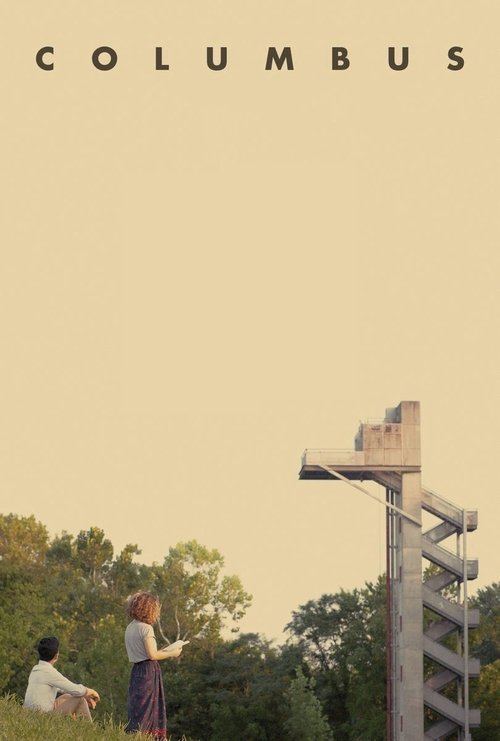
Columbus2017
A hushed, architecture-obsessed indie about two strangers talking through family obligation and belonging, with the same unforced patience and trust in small gestures.
But Almost nothing happens by conventional standards; it's built entirely from conversation and stillness, which won't suit everyone.
American Honey2016
A sprawling, textured look at young people scraping by across the American heartland, with the same interest in dignity found in unglamorous, overlooked places.
But Nearly three hours, loose and meandering by design — a very different rhythm from Minari's compact focus.

Lady Bird2017
Greta Gerwig's coming-of-age film shares Minari's specific, loving attention to a family under financial strain and the friction between generations who want different things.
But It's faster, funnier, and more urban — a different key entirely, even if the heart underneath is similar.

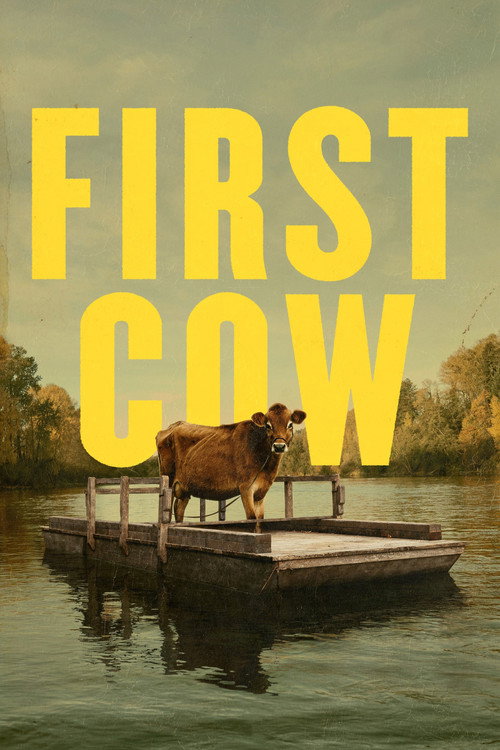
First Cow2020
Kelly Reichardt's frontier story finds the same tenderness in hard, hopeful people trying to build something out of nothing on unfamiliar land.
But Deliberately slow and minimal — even patient viewers may find its plotlessness a bigger ask than Minari's.
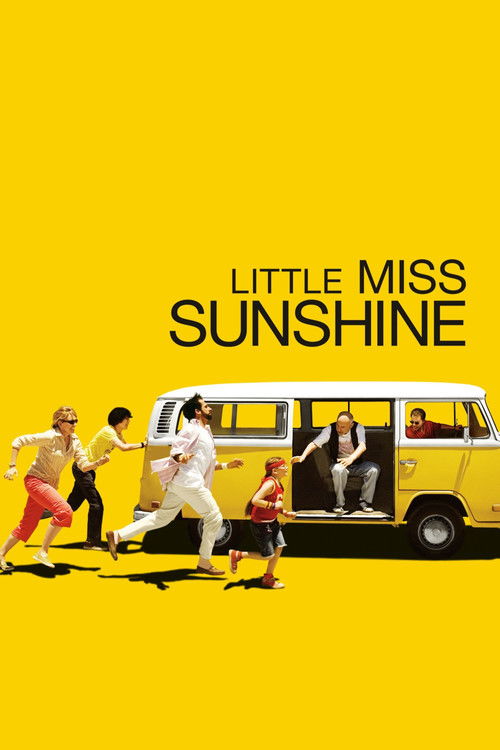
Little Miss Sunshine2006
A messier, funnier family falling apart and holding together on a road trip — worth it if you want the same warmth with more overt comedy.
But Broader and more farcical than Minari; the tone shift from quiet drama to quirky comedy is significant.
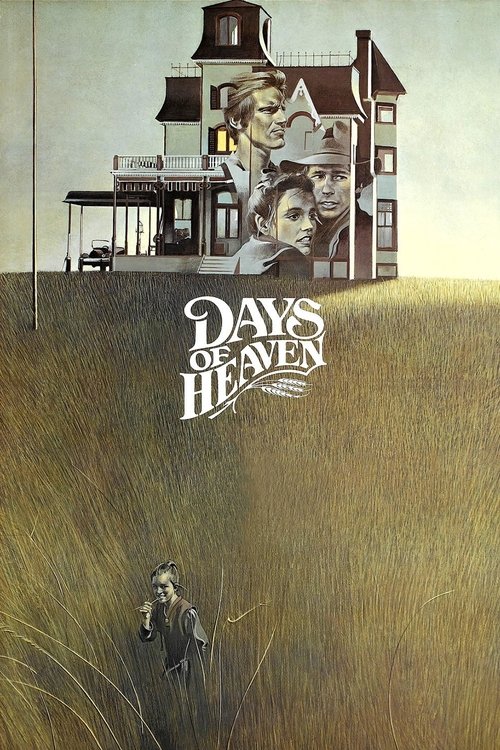
Days of Heaven1978
An earlier film that treats farmland and family fracture as poetry rather than plot, the visual and emotional ancestor of Minari's pastoral patience.
Terrence Malick's 1978 film shot golden farmland and family desperation into something almost unbearably beautiful, decades before Minari found its own quiet grace in similar fields.
But Malick's style is elliptical and voiceover-driven, closer to a tone poem than a conventional story — patience required.
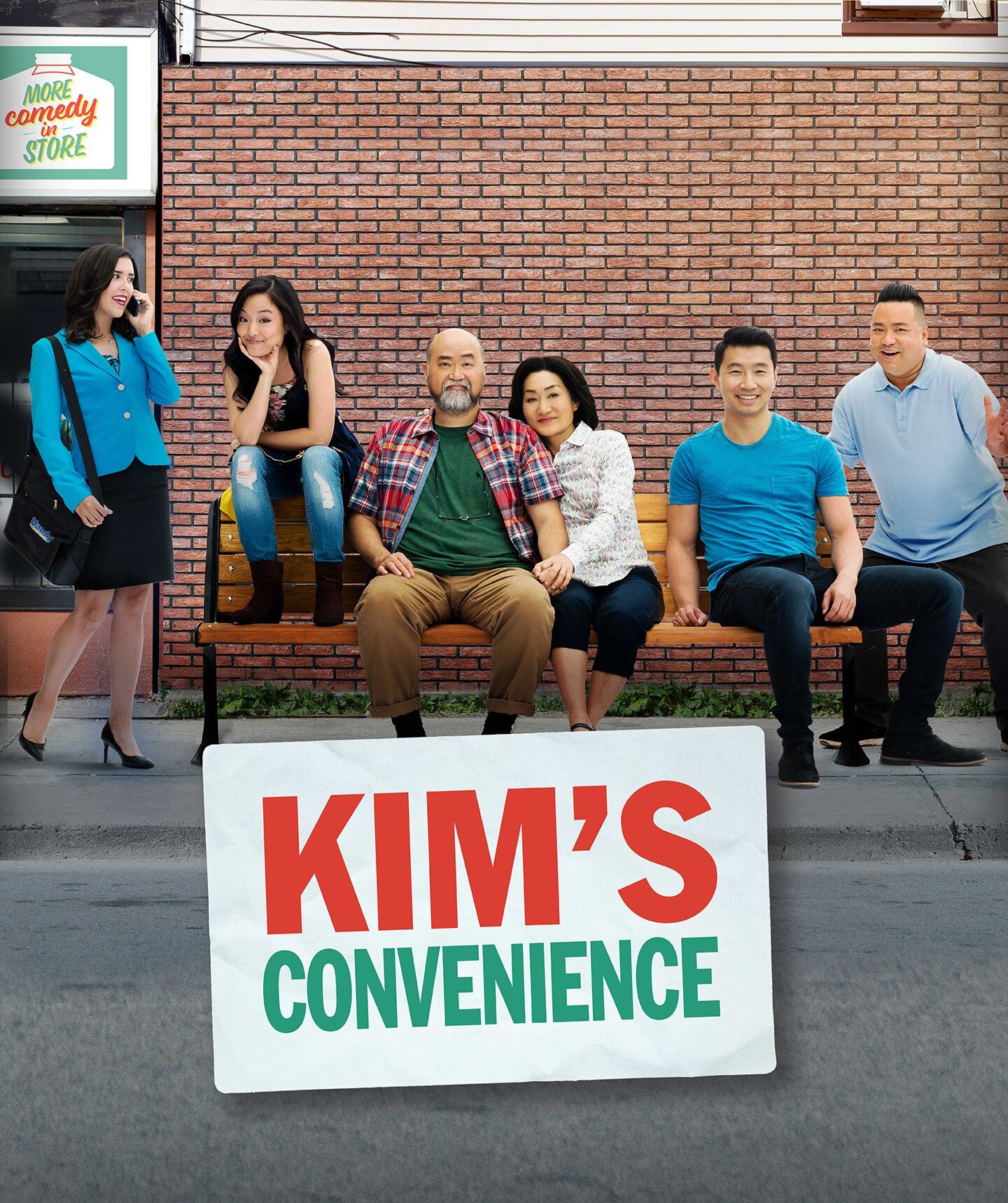
Kim's Convenience2016
Takes the identical premise — Korean family building a life in a new country, generational tension, a headstrong father — and plays it entirely for comfort and comedy instead of restraint.
This Canadian sitcom follows a Korean immigrant family running a corner store, mining the same generational gap and cultural friction Minari explores — but for warm, gentle laughs instead of quiet ache.
But It's a broad, studio-audience-style sitcom with tidy episodic resolutions — the opposite of Minari's slow-burn ambiguity.
People
Cast
 Steven YeunJacob
 Han Ye-riMonica
 Youn Yuh-jungSoonja
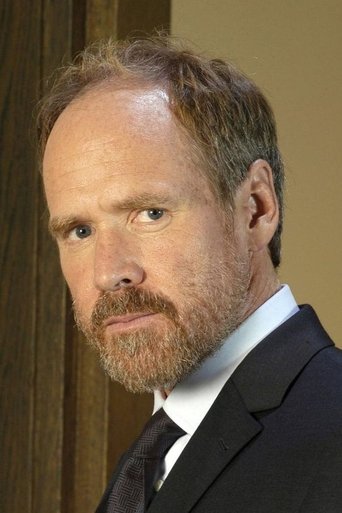 Will PattonPaul
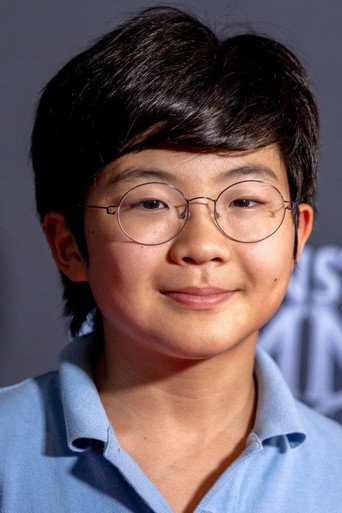 Alan KimDavid
 Noel Kate ChoAnne
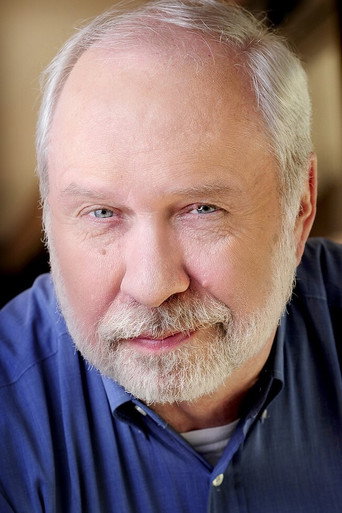 Darryl CoxMr. Harlan
 Esther MoonMrs. Oh
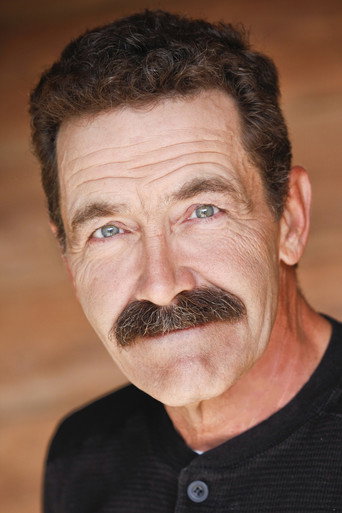 Ben HallDowsing Dan
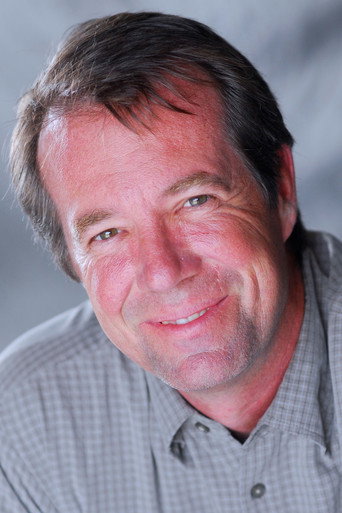 Eric StarkeyRandy Boomer
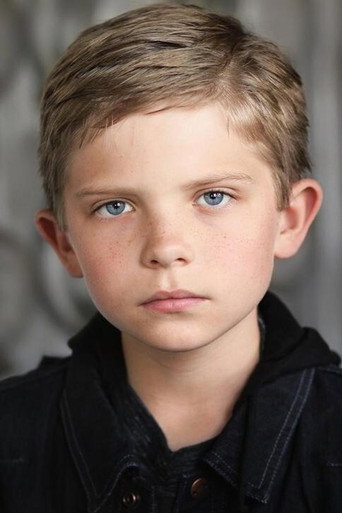 Jacob WadeJohnnie
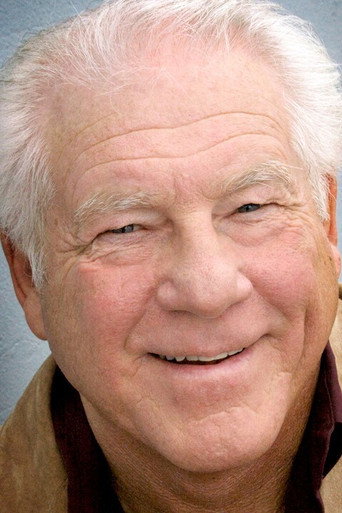 James CarrollBrother Roy
Directing
- Lee Isaac ChungDirector
- Jeff DubrayFirst Assistant Director
- Cari PakScript Supervisor
- Ann LaudickSecond Assistant Director
- Stephen J. HananSecond Second Assistant Director
Writing
- Stefanie Y. HongScript Consultant
- Lee Isaac ChungWriter
Production
- Amairani Perez ChamuArt Department Production Assistant
- Ty TushArt Department Production Assistant
- Julia KimCasting
- Seth StuartCasting Assistant
- Tori HartleyCasting Assistant
- Jenn RaderCasting Associate
- Brad PittExecutive Producer
- Joshua BachoveExecutive Producer
- Steven YeunExecutive Producer
- Chris FreihoferExtras Casting
- Daniel CochranKey Set Production Assistant
- Chris FreihoferLocal Casting
- Danny HulseyLocation Manager
- Joe FragassiPost Production Accountant
- Christina OhProducer
- Dede GardnerProducer
- Jeremy KleinerProducer
- Cole EmhoffProducer's Assistant
- Tory AyersProduction Accountant
- Amanda K. RobertsProduction Coordinator
- Dylan BrodieUnit Production Manager
Recommended by
The Farewell, The Joy Luck Club, Still Walking, Flee, The Namesake