
Film
C/o Kancharapalem
A gentle, episodic portrait of four love stories unfolding in a small Hyderabad neighbourhood—from a schoolboy's infatuation to a widower's second chance. Shot with naturalistic warmth and a genuine affection for its ordinary characters, it's a film about how tenderness persists across age, class, and circumstance. Patient, funny without trying, and deeply human.
If you liked this
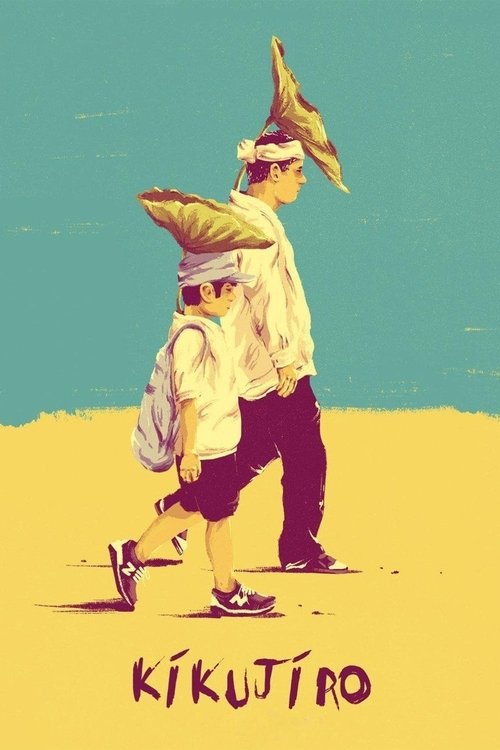
Kikujiro1999
Takeshi Kitano's episodic meditation on unlikely companionship and how people fail and forgive each other. Tender without sentimentality, funny in a way that catches you off-guard. Structurally similar: vignettes that build into something larger.
But Tonally uneven in ways some find jarring—it swerves between comedy and genuine sadness without warning. The pacing is deliberately slow.
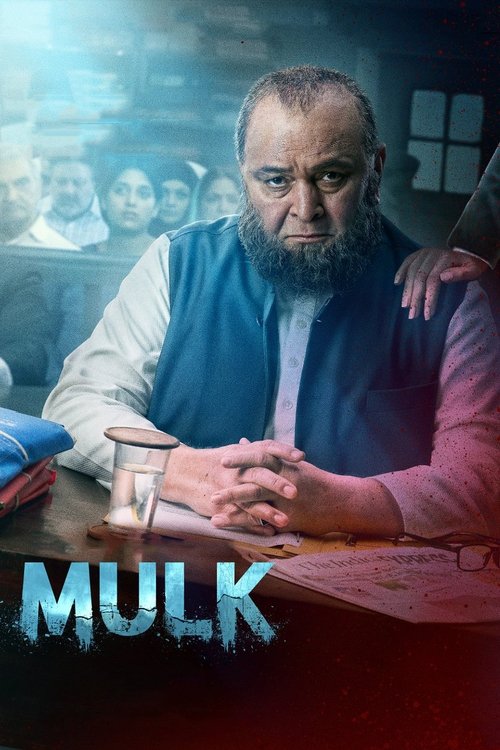
Mulk2018
Another Indian film that holds space for complexity across religious divides with genuine warmth. It's about dignity, family bonds that survive suspicion, and ordinary people navigating extraordinary circumstances with grace.
But It's less lyrical than *Kancharapalem*—more overtly political and message-driven. Some scenes tip toward didacticism.
Nebraska2013
Bruce Dern and Will Forte driving across America in a film about aging, regret, and connection. It has the same understated wisdom, the same respect for its characters' inner lives, and finds unexpected humour in melancholy.
But Shot in black and white, deliberately flat in tone. If you want emotional crescendos or catharsis, you won't get them.

Not sure tonight? Get a pick in a minute, starting from C/o Kancharapalem
The wildcard
Something you would not have found on your own.
The Notebook2004
Both use nested love stories across time to argue that small acts of devotion are the real story worth telling.
Nick Cassavetes' film is frequently mocked, but it's actually structured identically to *Kancharapalem*: an elderly man narrating multiple love stories across time, all building toward a meditation on how we endure, forgive, and choose each other. Same emotional architecture, vastly different register.
But It's melodramatic, cinematically showy, and emotionally manipulative in ways the understated *Kancharapalem* never is. If you hate earnest tears, this will make you cringe.

More like this (7)
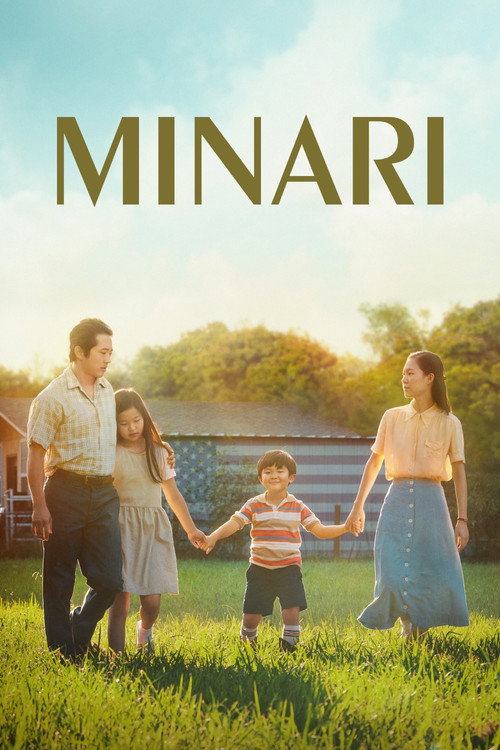
Minari2021
A multi-generational story about family ambition and love in rural Arkansas. Intimate, unsentimental, and structurally similar: moments that seem small accumulate into something true and moving.
But Quiet frustration is the dominant mood. There's no clear villain, just circumstance and the friction of living closely with people you love.
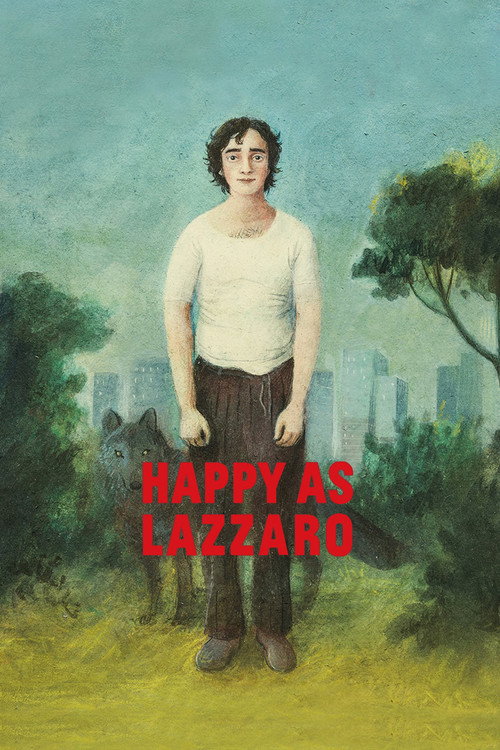
Happy as Lazzaro2018
An Italian film about goodness and exploitation with a magical realist tone. It observes its characters with the same affectionate clarity, finding dignity in overlooked lives and beauty in simple human connection.
But The narrative takes an unexpected turn into the surreal. The first half and second half feel like different films, which some find jarring.
Shoplifters2018
A Japanese family bound by circumstance rather than blood. Warm, funny, achingly aware of how people love each other despite precarity. The same eye for the texture of everyday life.
But It reveals its thematic weight gradually, and the final act forces you to reconsider everything you've enjoyed. Heavy in a delayed-action way.

The Farewell2019
A family gathering structured around a secret, shot with humour and tenderness. It captures generational differences and immigrant experience without condescension, and finds comedy in real emotional stakes.
But If you don't connect with the specific family dynamics, it can feel like watching someone else's home video. The humour is particular rather than universal.

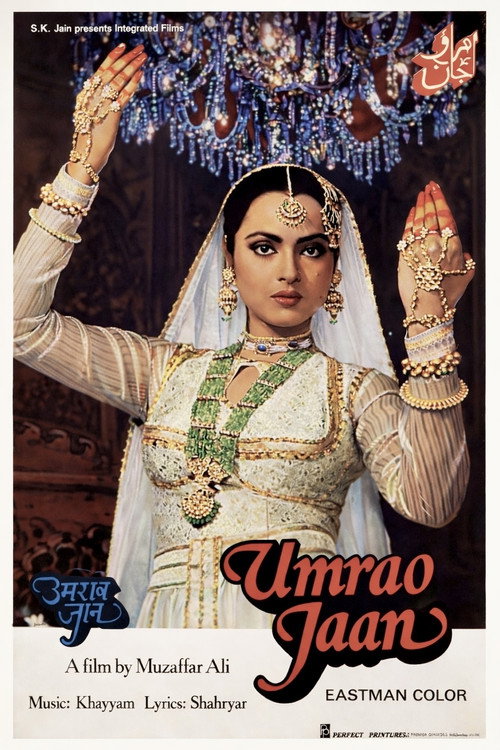
Umrao Jaan1981
Muzhal Joshi's period romance about a woman navigating love across class divides. Visually sumptuous and emotionally generous in a way that shares *Kancharapalem*'s faith in romance as a serious subject.
But It's a costume drama with a melancholic ending. Very much of its era aesthetically, which won't appeal to everyone.
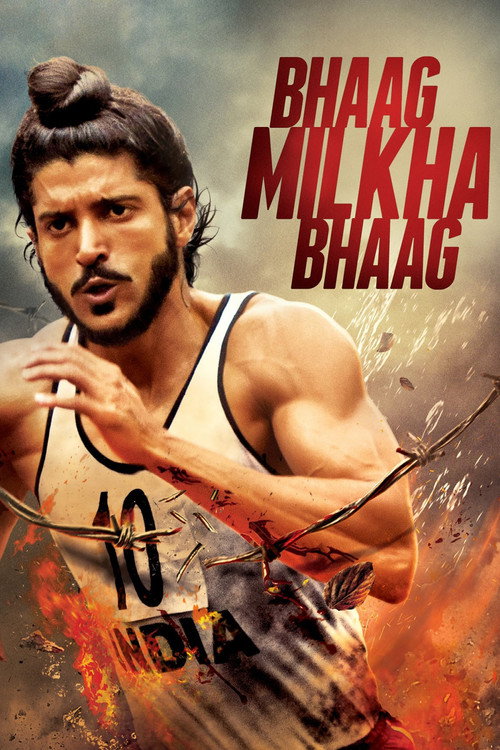
Bhaag Milkha Bhaag2013
Both films centre ordinary Indians navigating class and circumstance with grace, but this one celebrates striving while *Kancharapalem* celebrates acceptance.
An Indian sports biography that shares *Kancharapalem*'s belief in human dignity and small-town aspiration. But where *Kancharapalem* is contemplative, this is kinetic—a celebration of ambition, struggle, and the body in motion. A different temperature telling a similar story.
But It's glossy, energetic, and emotionally direct in ways that can feel manipulative. The Bollywood idiom is stronger here.
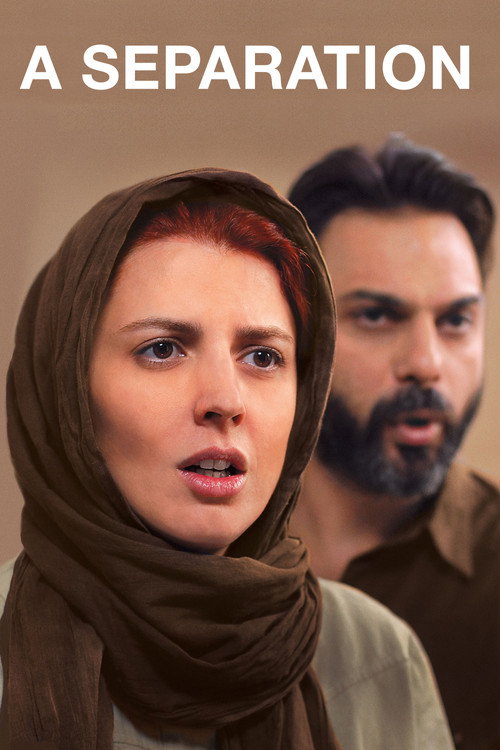
A Separation2011
Both trust audiences to sit with ambiguity and find human truth in small gestures—but this one locates that truth in what we can't fix, not what we can cherish.
Asghar Farhadi's Iranian masterpiece observes a family in crisis with the same unsentimental warmth and structural intelligence. It's about how people fail each other and themselves, held together by a moral complexity that never judges. Devastating and respectful simultaneously.
But It's darker, more claustrophobic, and built on family conflict rather than tenderness. The mood is anxiety rather than melancholy. Some find it exhausting rather than moving.
People
Cast
- Radha BessyRadha
- Kesava KarriSundaram
 Nitya SriSunitha
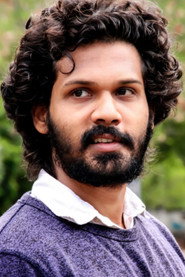 Karthik RathnamJoseph
 Praneeta PatnaikBhargavi
- Mohan BhagathGeddam
 Praveena ParuchuriSaleema
 Kishore Kumar PolimeraRam Murthy
- Sravani BessyLeela
- Jeswanth MuppalaKoti
- NikitaIndira
Directing
- Venkatesh MahaDirector
Writing
- Venkatesh MahaWriter
Production
- Praveena ParuchuriProducer
- Rana DaggubatiProducer