
Film
Bhaag Milkha Bhaag
Bhaag Milkha Bhaag chronicles the remarkable true story of India's legendary sprinter Milkha Singh, from witnessing his family's massacre during Partition to becoming an Olympic champion. It's a sweeping, emotionally charged sports biopic that balances intimate trauma with triumphant athleticism. Visceral, beautifully shot, and deeply felt—for anyone moved by stories of resilience against impossible odds.
Should you watch it?
Watch it if you want a sprawling, unhurried biography built around one man's body and memory, where the running scenes carry as much weight as the history around them.
Skip it if you tire easily of melodrama, since the film plays its emotions loud and its three-hour runtime stretches the middle.
What it asks of you: Plan for an evening: just over three hours, with long stretches of training and grief laid side by side, and patience for a story told in loose, backward-glancing chapters.
Not sure? Find tonight's pick in a minute.
If you liked this
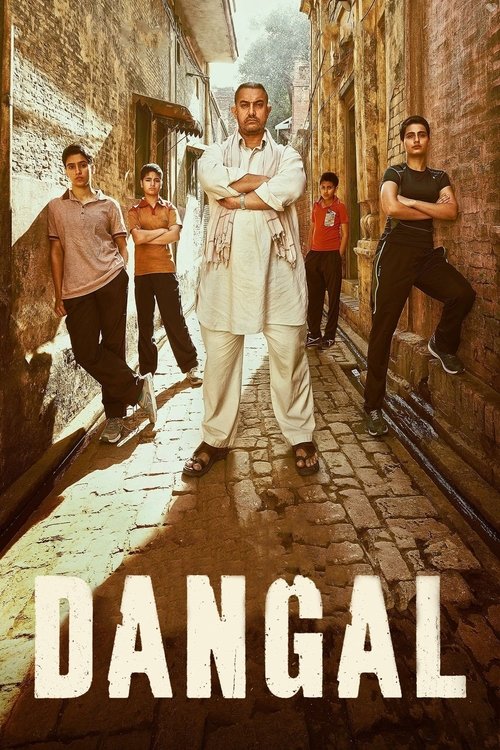
Dangal2016
Another Bollywood sports triumph based on true events: a father coaches his daughters to become world-class wrestlers. Features the same blend of family drama, physical transformation, and national pride, with equally rousing training sequences.
But At over three hours, it's a massive commitment. The gender politics, while progressive for Hindi cinema, may feel dated or complicated depending on your perspective.
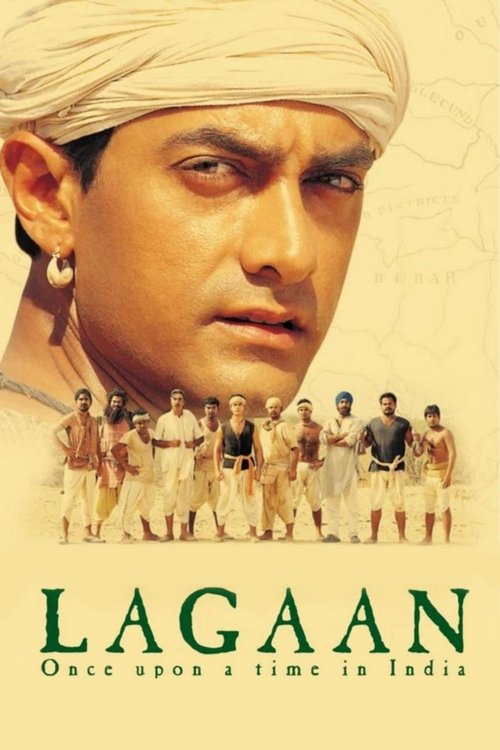
Lagaan: Once Upon a Time in India2001
The template for modern Indian sports cinema: a village team plays cricket against their colonial rulers. Epic in scope, emotionally intelligent, with thrilling match sequences that genuinely move you. An absolute masterpiece.
But The runtime is 224 minutes. You need to be genuinely ready to sit with it, and the pacing in the middle section tests patience.
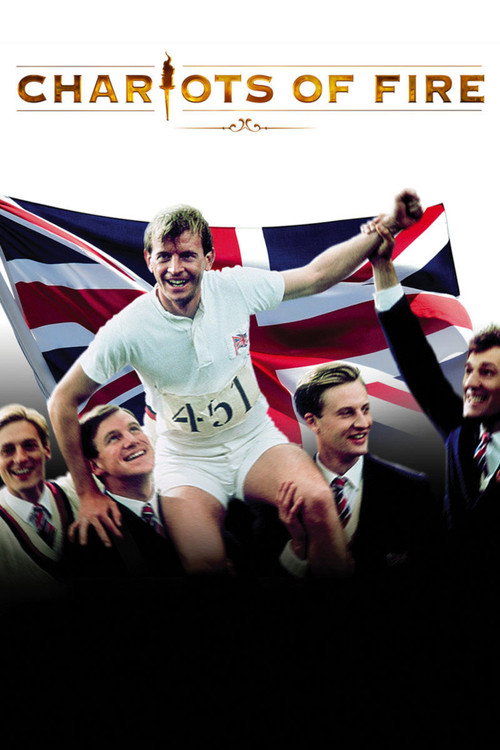
Chariots of Fire1981
The definitive Olympic biopic. Two British runners chase glory at the 1924 Paris Games, driven by faith and ambition. Elegant, meditative, and absolutely gripping—the spiritual cousin to Milkha's journey.
But It's deliberately slow and introspective. If you want constant motion and drama, the first hour may feel static.
Not sure tonight? Get a pick in a minute, starting from Bhaag Milkha Bhaag
The wildcard
Something you would not have found on your own.
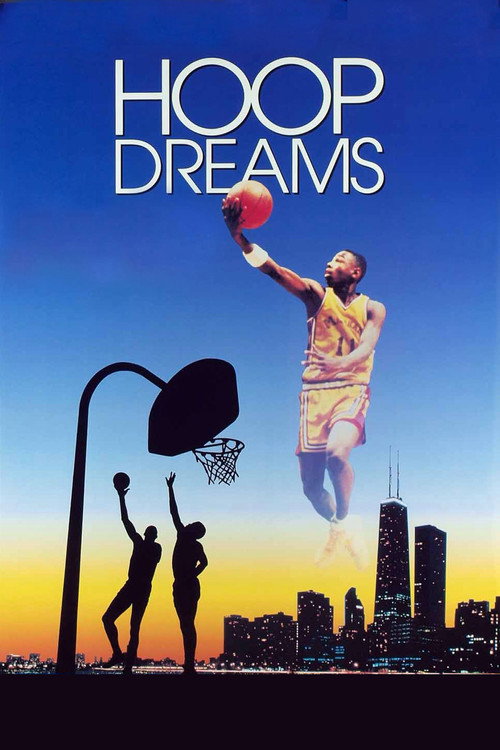
Hoop Dreams1994
Both track an athlete's journey through trauma and systemic poverty toward potential triumph, but Hoop Dreams is unflinching where Bhaag Milkha Bhaag is triumphalist—it shows how few make it and what the cost actually is.
A documentary following two Black basketball players from childhood through college, unsparing about ambition, race, exploitation, and what actually happens to young athletes. It's a sports film that refuses uplift—mesmerizing and heartbreaking.
But It's 183 minutes of intimate observation without conventional narrative shape. Some passages feel slow if you're expecting sports highlight reels instead of lived experience.
More like this (8)
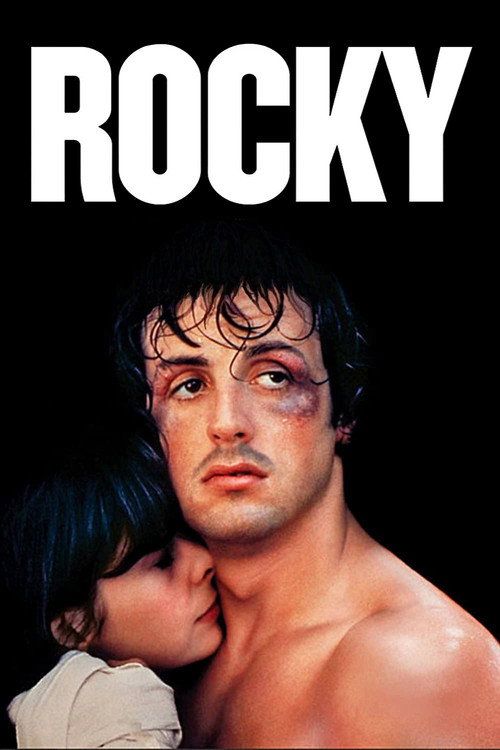
Rocky1976
The underdog sports story that defined the template. A street fighter gets one impossible shot at the heavyweight title. The training montages are iconic for a reason—raw, human, and genuinely inspiring.
But Stylistically it's very 1970s. Some of the melodrama around Adrian reads as overwrought by modern standards.
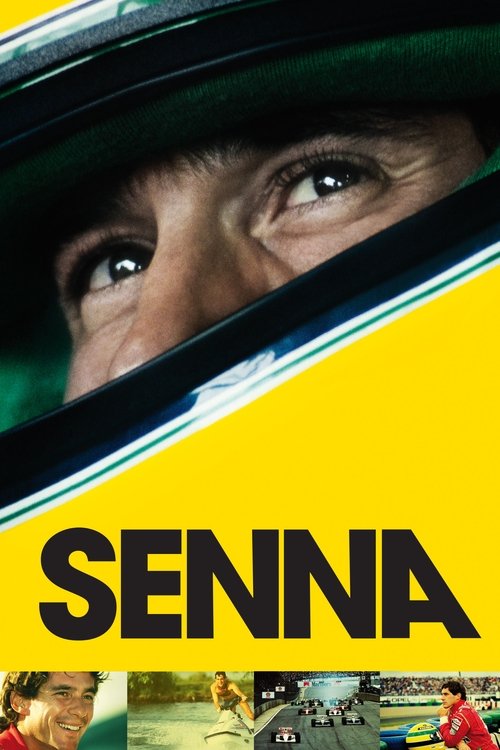
Senna2010
A documentary about Formula 1 champion Ayrton Senna that reads like a Greek tragedy. Gorgeously edited, thrillingly paced, and surprisingly moving about ambition, rivalry, and mortality. Shows what sports documentaries can achieve.
But Heavy knowledge of F1 helps, though it's not required. The ending is genuinely tragic—not uplifting catharsis but something sadder.
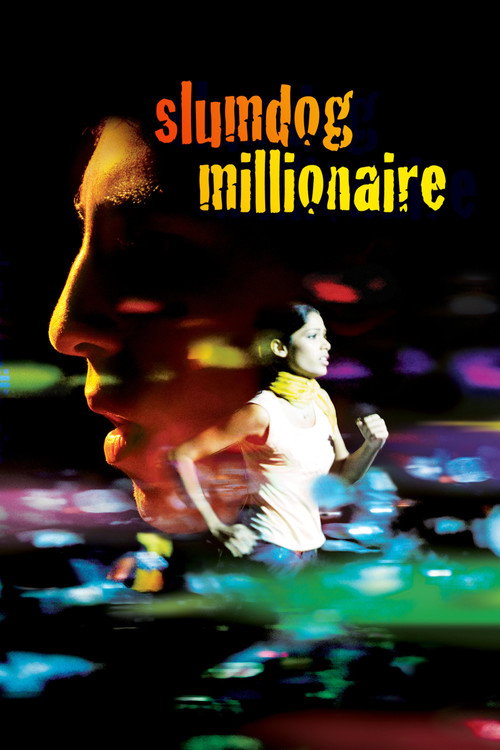
Slumdog Millionaire2008
Danny Boyle's love letter to Mumbai and resilience, following a street kid trying to win a quiz show. Bursts with energy and color, tells an underdog story against stunning Indian backdrops. The emotional intelligence is remarkable.
But The trauma sequences are relentless and hard to watch. Also, some viewers find its 'inspiration porn' angle patronizing toward India.
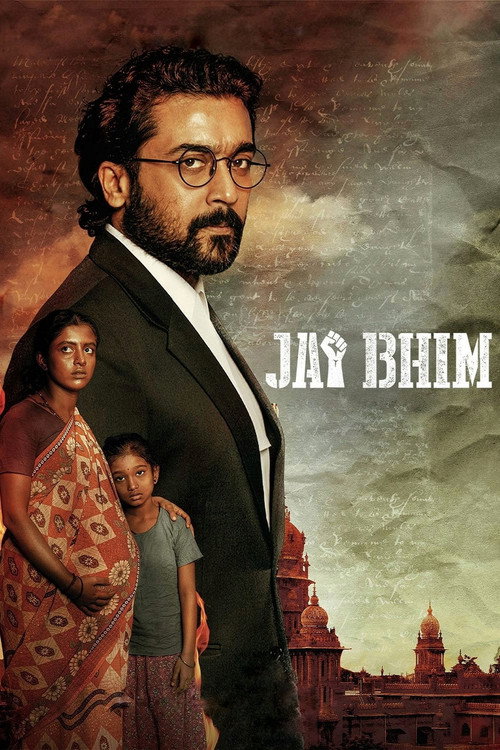
Jai Bhim2021
A gripping legal drama about a lawyer fighting caste-based brutality and wrongful imprisonment. Structurally complex, morally urgent, and anchored by a quietly devastating performance. Indian cinema at its socially conscious best.
But It's dark and angry, with scenes of real violence and police cruelty. Not cathartic—harder and more confrontational than Milkha.
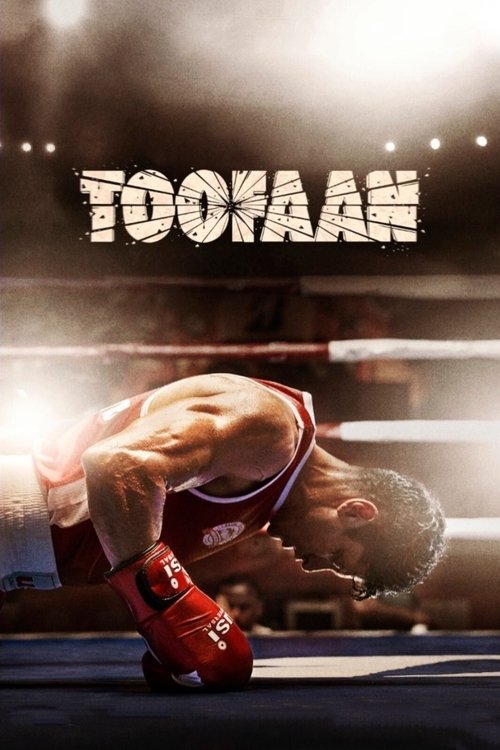
Toofaan2021
A boxer from the Mumbai slums fights his way up while battling his past. Smaller in scale than Milkha but intimate and powerful, with genuinely excellent sports choreography and a complicated emotional core.
But It's uneven in places. The second half doesn't quite match the first, and some plot turns feel rushed.
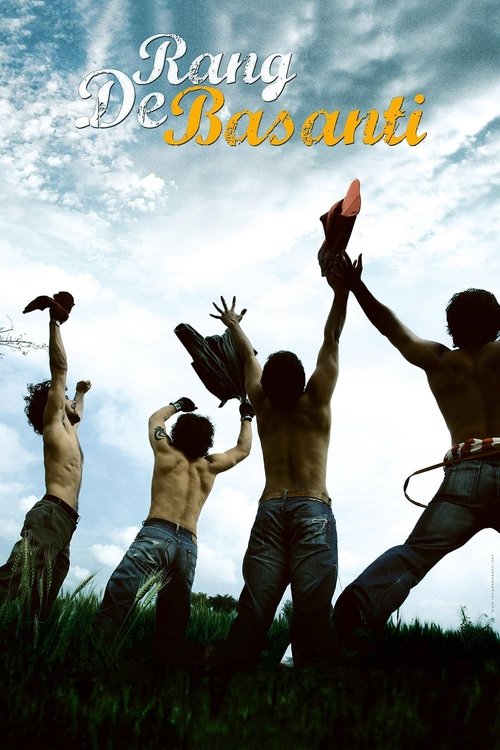
Rang De Basanti2006
A group of young Delhi friends are inspired by a film about independence fighters and move from apathy to activism. It's infectious in its energy and has genuine political teeth beneath the Bollywood sheen.
But The tonal shift from comedy-drama to political thriller is jarring. Some find its final act heavy-handed or problematic.
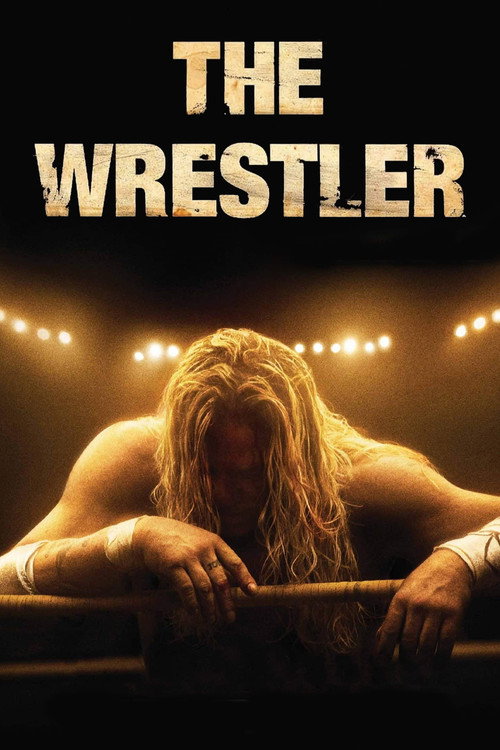
The Wrestler2008
Both are studies of the body in motion and the soul's struggle, but where Milkha is about transcendence through discipline, The Wrestler shows a man who cannot escape his body or his past—it's the dark mirror.
Mickey Rourke is hypnotic as a washed-up professional wrestler clinging to glory and connection. It's brutal, tender, and features some of the most honest athletic sequences in cinema. Aronofsky's masterpiece.
But It's about decline, not ascent. Relentlessly sad. If you want Milkha's redemptive arc, this goes the opposite direction and doesn't look away.
Ikiru1952
Both explore what it means to leave a mark—to transform suffering into something that outlasts you. But Ikiru finds meaning in small, domestic gestures of love; Milkha's is monumental and public. Two different answers to the same question about mortality.
Kurosawa's masterpiece about a dying bureaucrat finding meaning in his final months. Slow, profound, unbearably human. The final scenes are among cinema's greatest moments of grace and clarity.
But It's in Japanese, black-and-white, and moves at the opposite speed from a sports biopic. Some find it too patient, too quiet. Not what you'd expect from the question 'what's like Bhaag Milkha?'

People
Cast
 Farhan AkhtarMilkha Singh

 Divya DuttaIshri Kaur
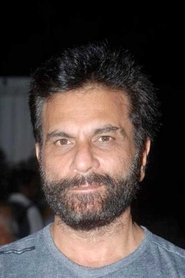 Pavan MalhotraHawaldar (Constable) Gurudev Singh
 Rebecca BreedsStella
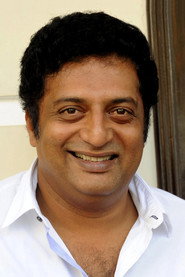 Prakash RajArmy Officer
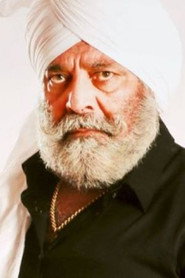 Yograj SinghRanveer Singh
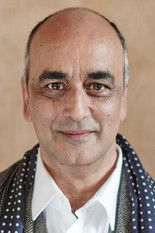 Art MalikSampooran Singh
- Herry TangiriTaran Singh
 Meesha ShafiPerizaad
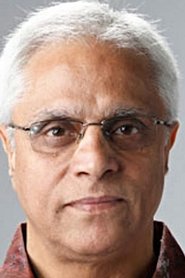 K.K. RainaMr. Wadhwa
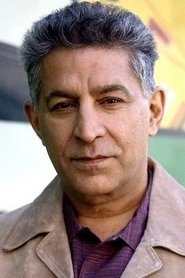 Dalip TahilJawaharlal Nehru
Directing
- Rakeysh Omprakash MehraDirector
Writing
- Prasoon JoshiDialogue
- Prasoon JoshiScreenplay
- Prasoon JoshiStory
Production
- P S ShyamAssociate Producer
- Rajeev TandonCo-Producer
- Madhav Roy KapurLine Producer
- Rachvin NarulaLine Producer
- P S BharathiProducer
Recommended by
M.S. Dhoni: The Untold Story, PK, Khubsoorat, Golmaal Again, Kesari, C/o Kancharapalem, Kill Dil, Soorma, Tamas, Aag, Sarabhai vs Sarabhai