
Film
Chariots of Fire
Chariots of Fire follows two British runners chasing gold at the 1924 Paris Olympics for utterly different reasons — one running from prejudice, the other running toward God. It's slow, stately, almost churchy in its solemnity, propelled by Vangelis's synth score into something stranger than a typical sports movie: an argument about why we compete at all, dressed in tweed and moral seriousness.
If you liked this
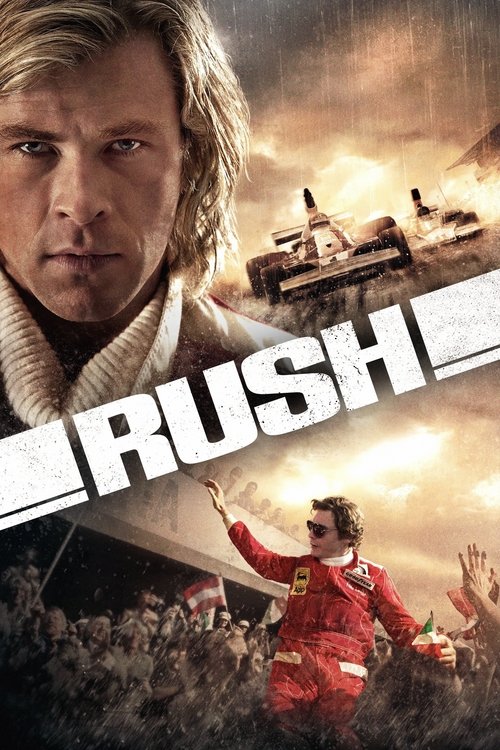
Rush2013
Same DNA — real-life rivalry, competitive obsession, and the tension between glory and grace — but swaps religious conviction for pure adrenaline. Ron Howard's Formula One duel between Niki Lauda and James Hunt is visceral where Chariots is contemplative.
But It's faster and louder than Chariots in every sense; if you came for quiet moral weight, this trades it for engine noise and testosterone.
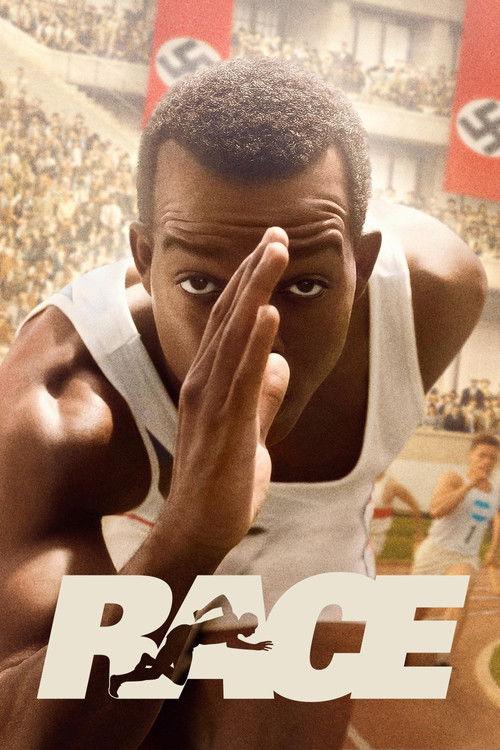
Race2016
The most direct spiritual cousin here: Jesse Owens running for glory and dignity at the 1936 Berlin Olympics, under a regime that wanted him to fail. Same era, same stakes, sharper political teeth.
But It's more conventional biopic than Chariots' oddball artiness, and some of its history gets smoothed over for uplift.
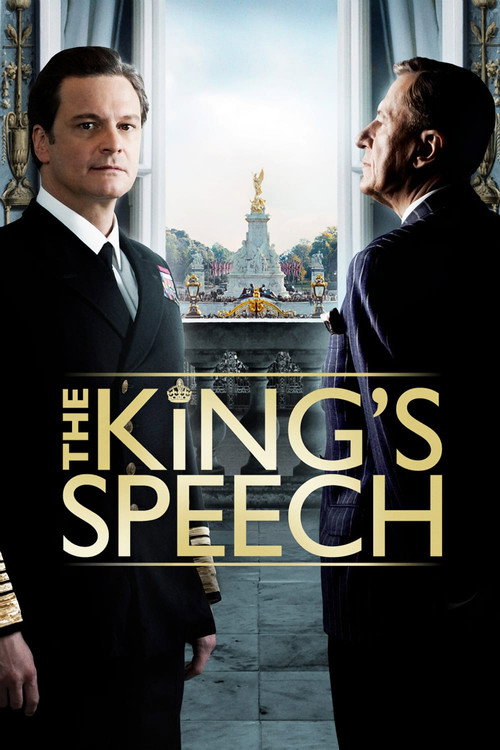
The King's Speech2010
Same England, nearly the same decade, same obsession with quiet men proving themselves against class and expectation. Colin Firth's stammering king shares Harold Abrahams' terror of public failure, just with a crown instead of a stopwatch.
But No running, no Olympics — if you wanted the sport, this only gives you the Englishness.
The wildcard
Something you would not have found on your own.
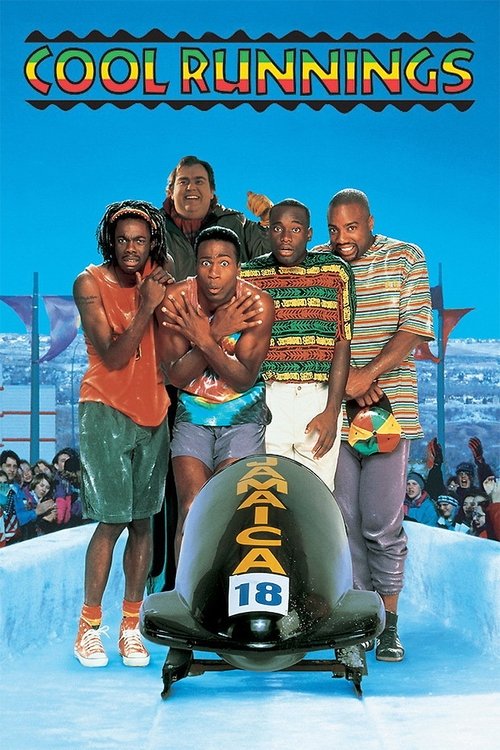
Cool Runnings1993
Same true-story Olympic-outsider narrative — men who don't fit the sport's expectations forcing their way in — but Chariots plays it as prayer and Cool Runnings plays it as farce. Same engine, opposite costume.
The true story of Jamaica's first Olympic bobsled team, played almost entirely for laughs. It's the underdog-athlete-against-the-odds structure of Chariots with the solemnity surgically removed and replaced with jokes.
But It fictionalises real events far more freely than Chariots does, and some of the humour has aged into broad, dated comedy.
More like this (6)
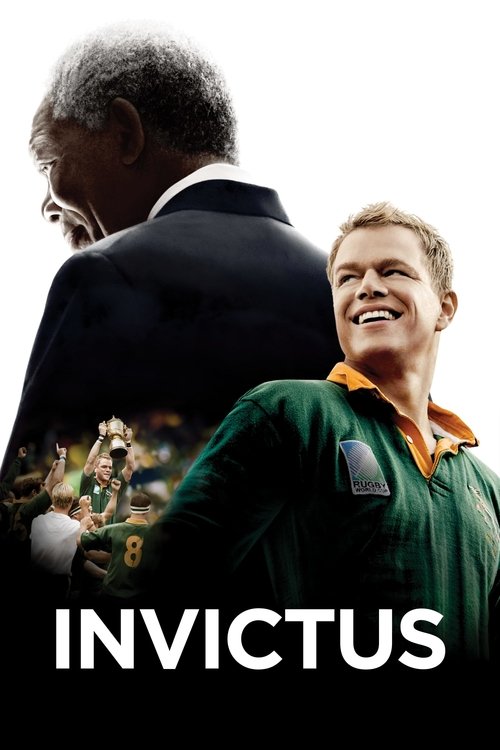
Invictus2009
Clint Eastwood's Rugby World Cup drama asks the same question Chariots does — can sport actually mean something bigger than winning? — but stakes it against apartheid's end rather than 1920s bigotry.
But It's more sentimental and less subtle than Chariots, with Freeman's Mandela occasionally verging on hagiography.
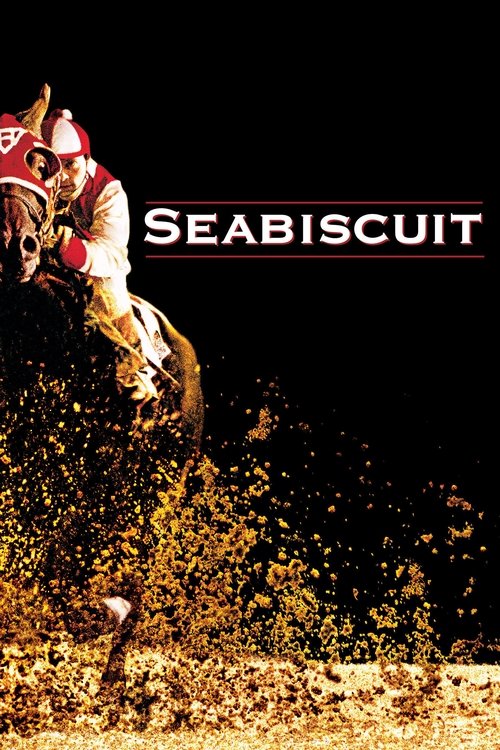
Seabiscuit2003
An underdog sports story built the same way — slow build, hardship, a triumphant final stretch — except the runner has four legs and America's Depression-era despair for a backdrop instead of Britain's class war.
But Broader and more crowd-pleasing than Chariots; it wants your tears more openly than Chariots ever does.
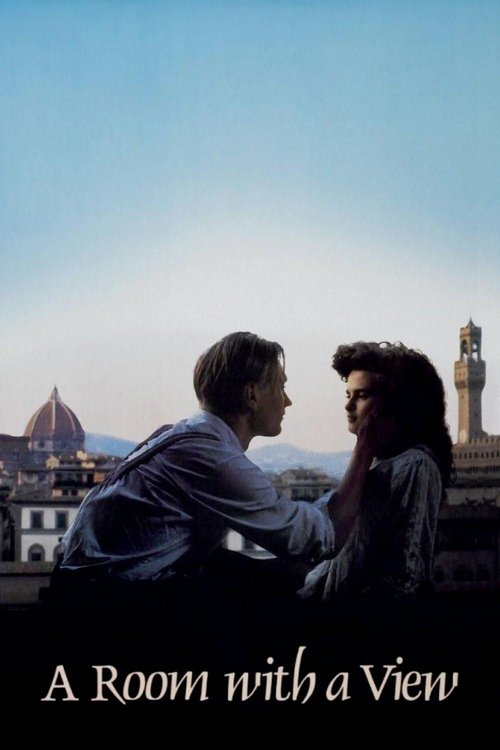
A Room with a View1986
Same stifling, class-obsessed English world Chariots inhabits, just swapped from a running track for a drawing room. Merchant Ivory at their best — repression, longing, and Edwardian manners as high drama.
But There's no sport at all, and the pace is even gentler — this is Chariots without the finish line.
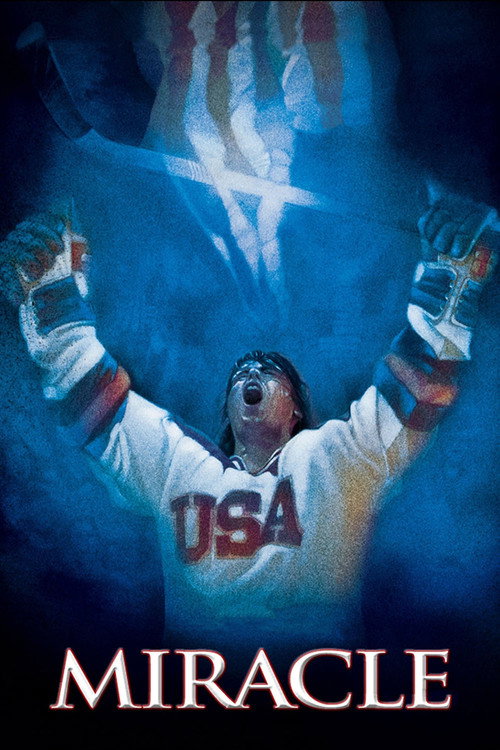
Miracle2004
The 1980 US hockey team's underdog gold has the same structure — training montage, national pride, the sense that winning means something beyond the scoreboard. Kurt Russell coaches like he means it.
But It's a warmer, more straightforwardly patriotic film than Chariots' knottier questions about faith and class.
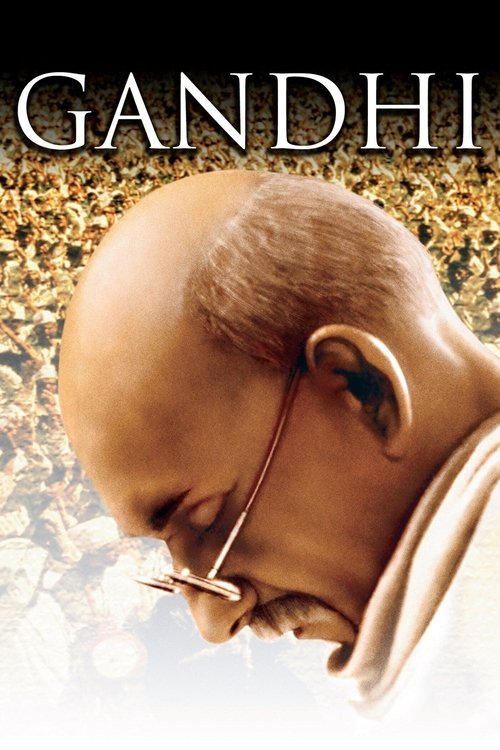
Gandhi1982
Same producer's era of big, serious British historical epics, and the same interest in conviction under pressure — just scaled up from a running track to a subcontinent's independence.
But Three hours long and far heavier; this is not a light follow-up watch after Chariots.
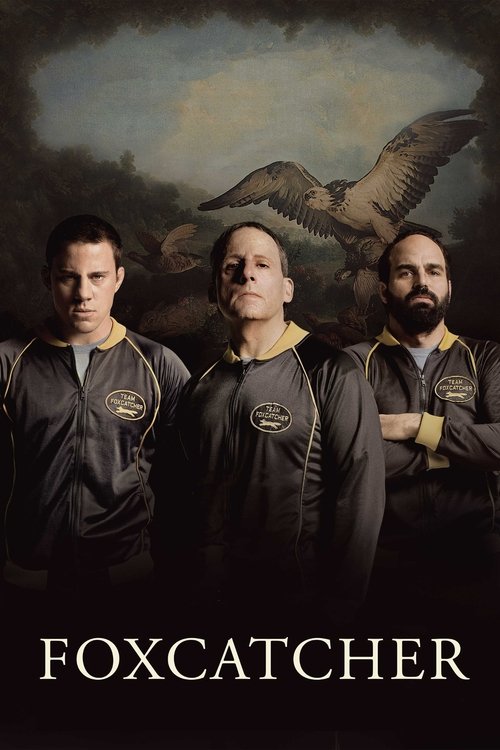
Foxcatcher2014
Takes the same ingredients — Olympic ambition, wealthy patronage, obsessive discipline — and curdles them into something much darker and stranger. A useful corrective if Chariots felt too noble.
But Bleak, slow, and true-crime unsettling rather than uplifting; not for anyone wanting to feel good afterward.
People
Cast
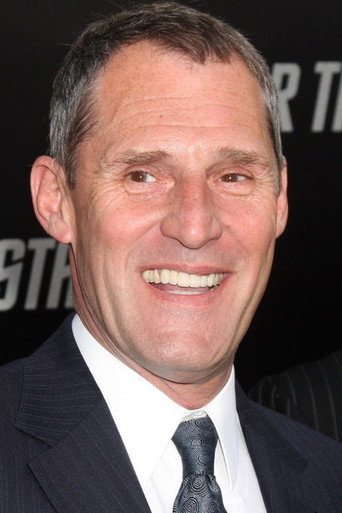 Ben CrossHarold Abrahams
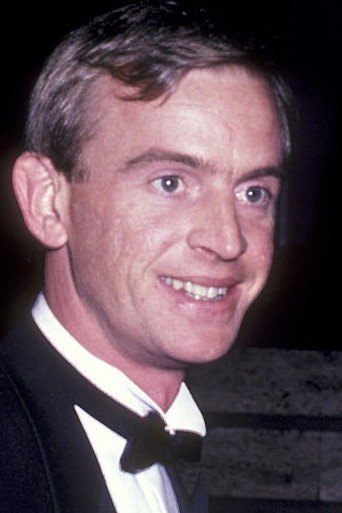 Ian CharlesonEric Liddell
 Cheryl CampbellJennie Liddell
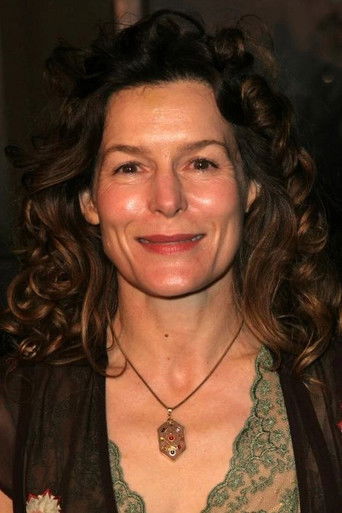 Alice KrigeSybil Gordon
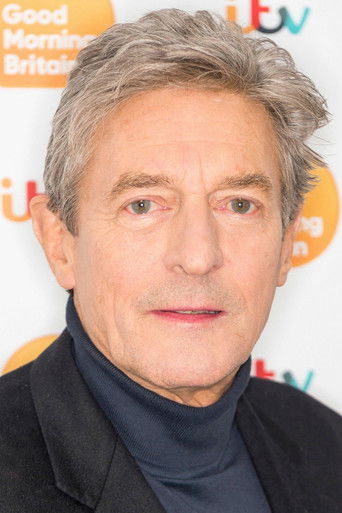 Nigel HaversLord Andrew Lindsay
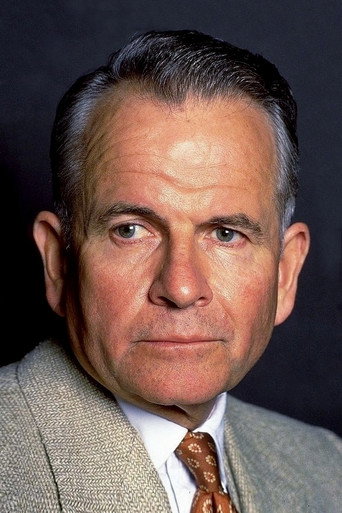 Ian HolmSam Mussabini
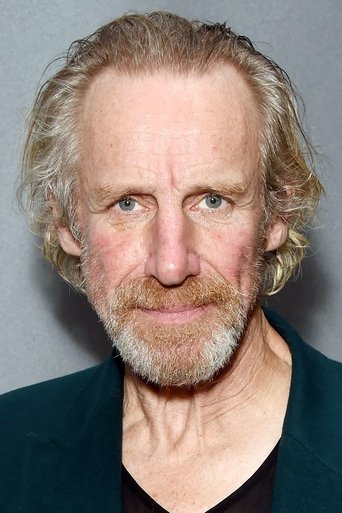 Nicholas FarrellAubrey Montague
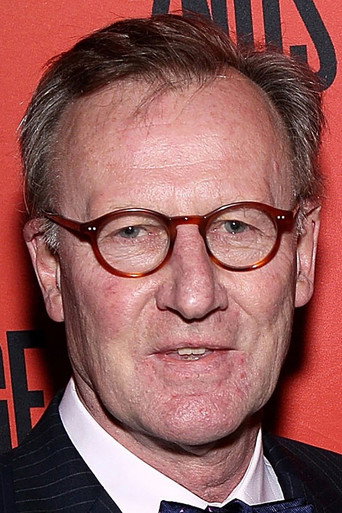 Daniel GerrollHenry Stallard
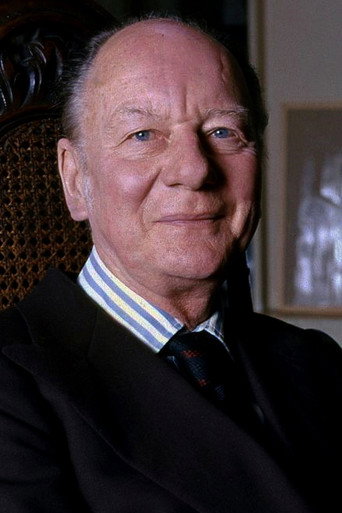 John GielgudMaster of Trinity
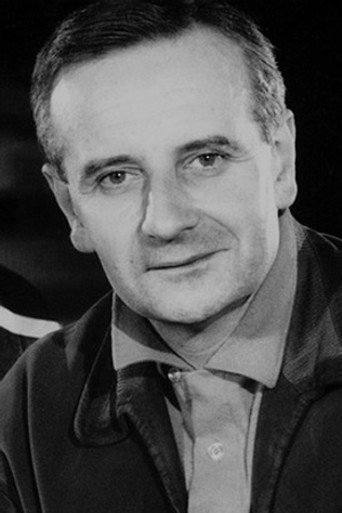 Lindsay AndersonMaster of Caius
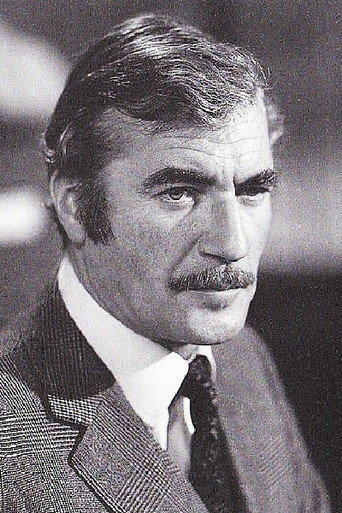 Nigel DavenportLord Birkenhead
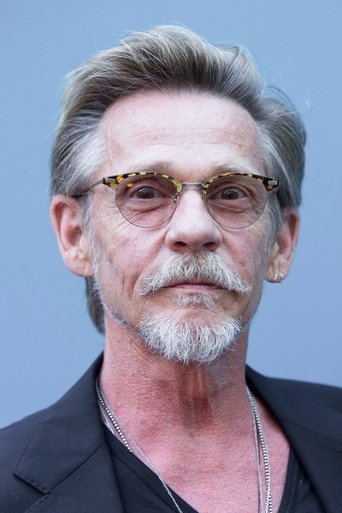 Dennis ChristopherCharles Paddock
Directing
- Jonathan BensonAssistant Director
- Jane BuckContinuity
- Hugh HudsonDirector
- Matthew BinnsSecond Assistant Director
- Melvin LindSecond Assistant Director
- Bill RudgardThird Assistant Director
- Hugh O'DonnellThird Assistant Director
- Terence FitchThird Assistant Director
Writing
- Colin WellandWriter
Production
- Simone ReynoldsAdditional Casting
- Hazel CrombieAssistant Accountant
- Maggie PhelanAssistant Accountant
- James CrawfordAssociate Producer
- Esta CharkhamCasting
- Dodi FayedExecutive Producer
- Dorothy AndrewExtras Casting
- Caroline LangleyLocation Manager
- Iain SmithLocation Manager
- Simon BosanquetLocation Manager
- David PuttnamProducer
- Ron PhippsProduction Accountant
- Joyce HerlihyProduction Manager
- Jennie RaglanProduction Secretary
Recommended by
A Man for All Seasons, The Four Feathers, The Life and Death of Colonel Blimp, Miracle, Race, The Loneliness of the Long Distance Runner, Gallipoli, Marathon Man, Eddie the Eagle