
Film
Marathon Man
Marathon Man is John Schlesinger's jittery, sweat-soaked thriller about an ordinary grad student and obsessive runner who gets pulled into a Cold War conspiracy involving his brother, a shadowy government agency, and a war criminal guarding buried gold. It's slow-burn 70s paranoia cinema that turns unbearably visceral in its back half. Famous for one dental scene everyone remembers whether they've seen the film or not. Not for the squeamish.
If you liked this
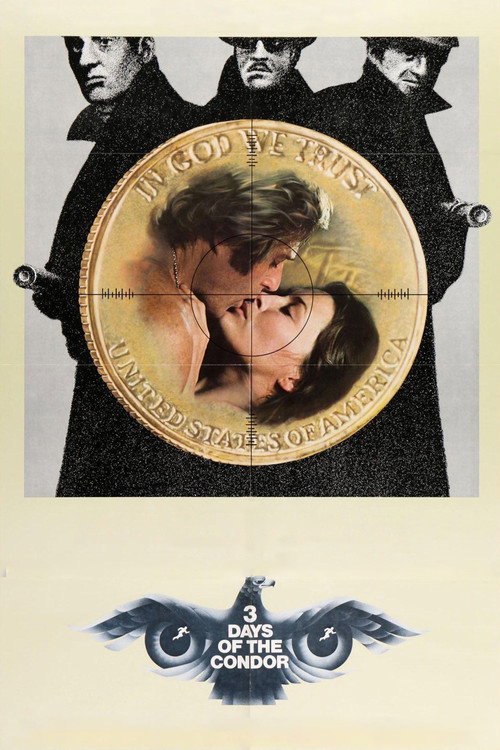
Three Days of the Condor1975
Robert Redford plays a CIA analyst who reads for a living and suddenly finds himself hunted by his own agency — the same clammy 70s dread that safety and loyalty were always illusions.
But Slower and talkier than Marathon Man, more phone booths than chases, and Redford's cool never quite curdles into real panic.
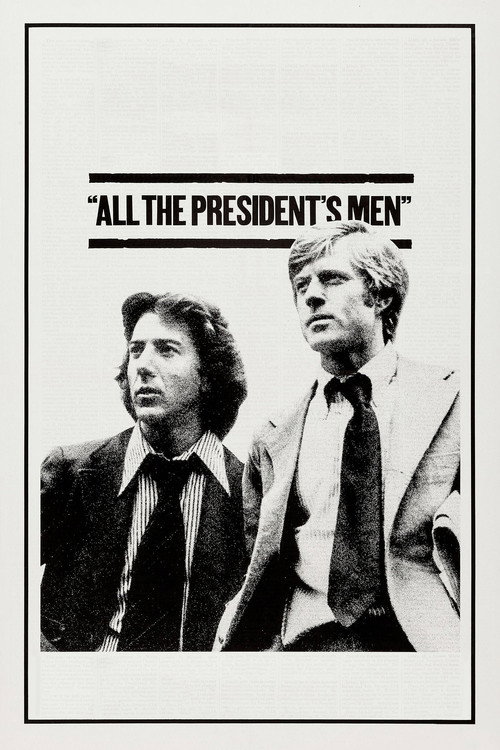
All the President's Men1976
Same year, same paranoid sense of institutions rotting from within — journalists instead of runners, but the identical slow tightening dread as buried truth gets dug up piece by piece.
But There's no dentist's chair here — this is patient, procedural, phone-call thriller, closer to journalism than action.
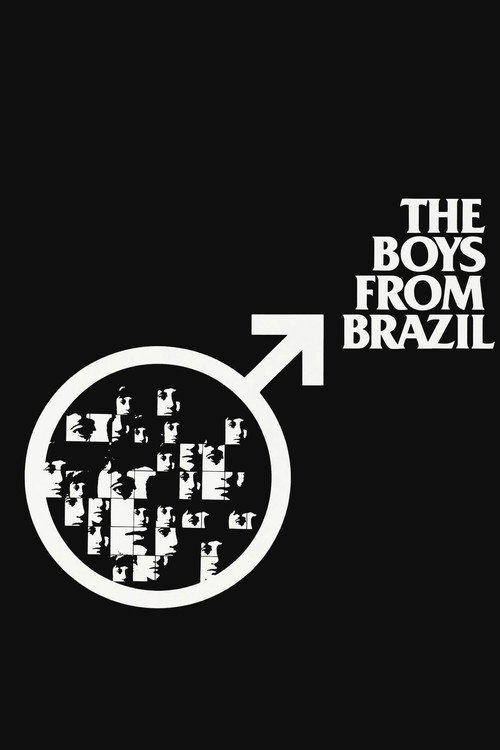
The Boys from Brazil1978
Another Nazi hiding in plain sight, another ordinary man dragged into unmasking him — Gregory Peck even plays a monster in the Szell mold, gleefully hammy where Olivier was ice.
But Its late clone-conspiracy plot tips fully into pulp science fiction, trading dread for a stranger, campier kind of fun.
The wildcard
Something you would not have found on your own.
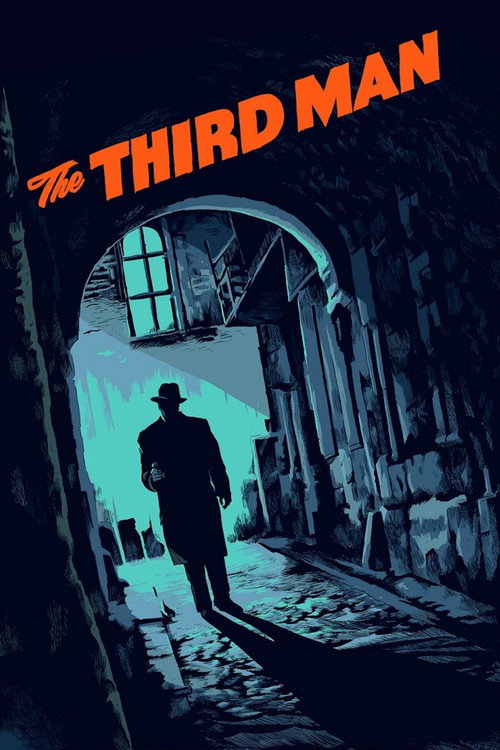
The Third Man1949
Both are stories of an ordinary man drawn into unmasking a charming monster hiding behind old loyalties — Marathon Man's dental chair is this film's sewer chase, thirty years earlier.
Postwar Vienna, a man pulled into unmasking someone he thought he knew, corruption hiding behind an old friend's charm and a zither score — the moral rot Marathon Man found in Cold War New York, done first.
But Black and white, deliberately paced, and its famous twist is now so influential it may feel familiar before you've even watched it.
More like this (8)
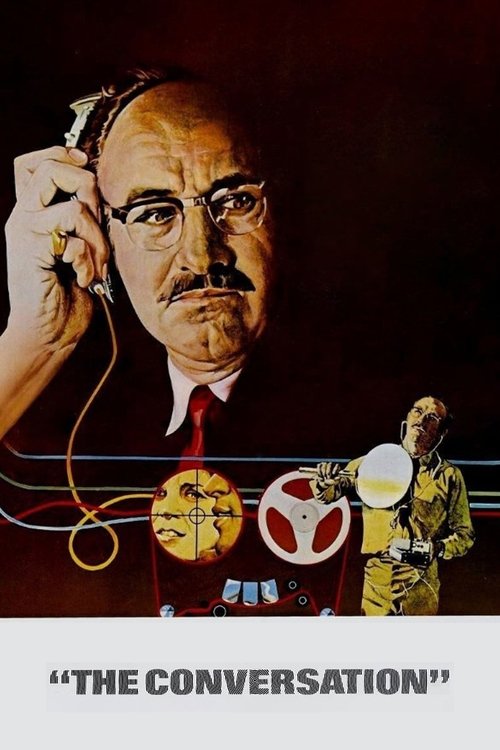
The Conversation1974
Gene Hackman's surveillance expert slowly realizes he's a small, replaceable cog in something much colder and larger — the same creeping sense that competence offers no protection from the machine.
But Almost entirely interior and quiet; if you want physical chase and confrontation, this one keeps everything locked in Hackman's head.
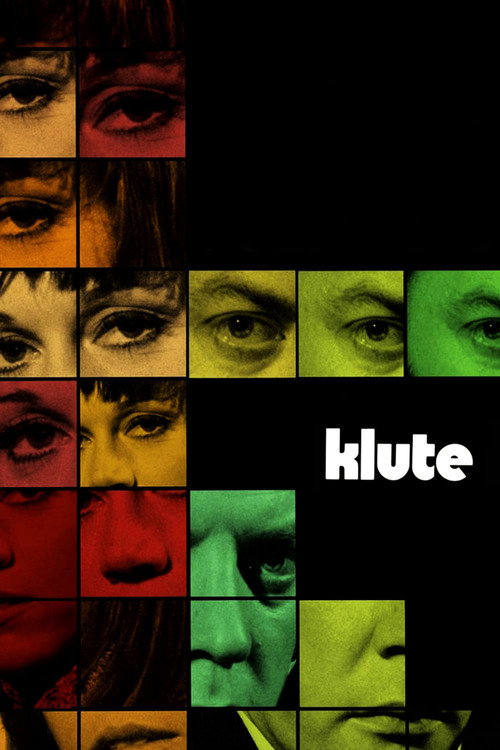
Klute1971
The same era's New York menace, a mystery that turns on who's really being hunted, and Jane Fonda giving one of the decade's great performances under quiet, mounting threat.
But It's a slower character study wearing a thriller's clothes — patience required, and the payoff lands far quieter than Marathon Man's.
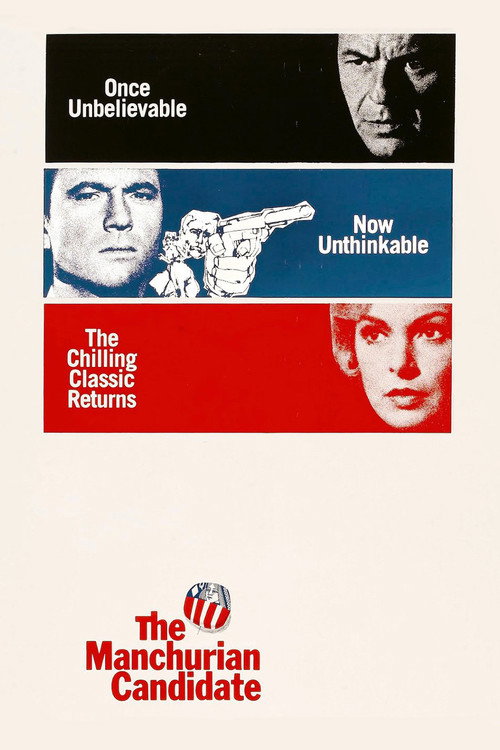
The Manchurian Candidate1962
The blueprint for Cold War paranoia thrillers — brainwashing, buried conspiracy, a hero who can't trust his own memory, decades before Marathon Man borrowed its unease.
But Black-and-white and theatrical by comparison; some of its Cold War specifics now play as period curiosity rather than live threat.
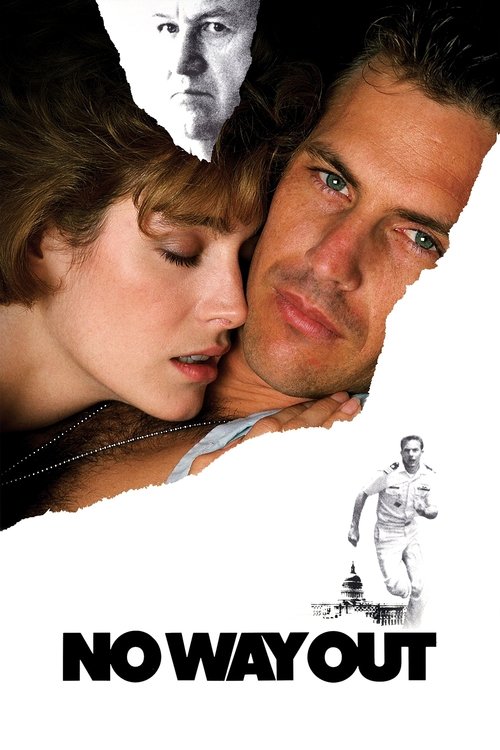
No Way Out1987
Kevin Costner sprinting through corridors trying to outrun an investigation closing in on him — pure chase-thriller adrenaline with a betrayal-laced plot that keeps snapping shut tighter.
But Glossier, more studio-slick than gritty 70s realism — the twist and style matter more here than moral weight.
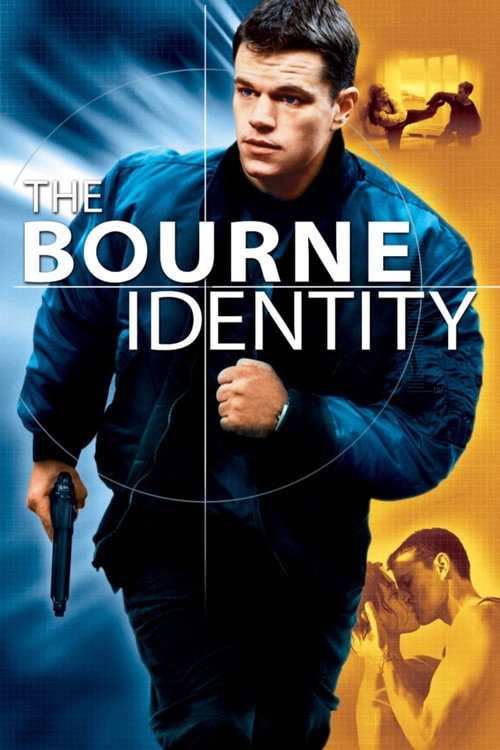
The Bourne Identity2002
A man with a body built for endurance, hunted by shadowy operatives who used to be his own side — Marathon Man's DNA run through modern action choreography.
But Trades slow-burn dread for kinetic fight scenes and quick cuts; the paranoia here is an external chase, not an internal creep.
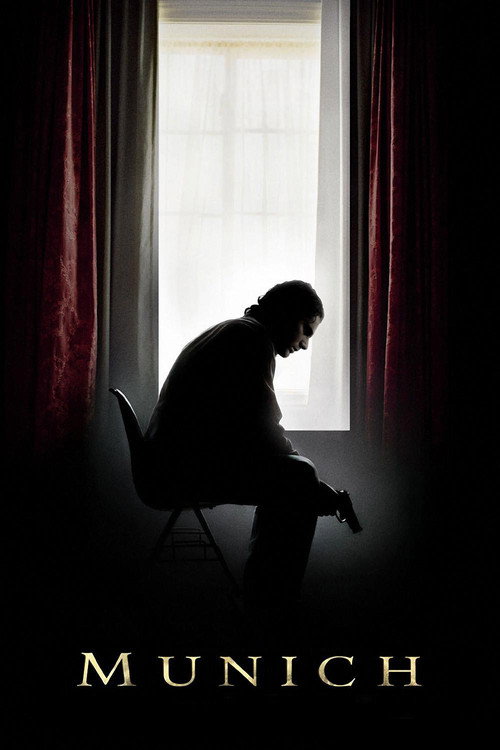
Munich2005
Spielberg's cold, exhausted thriller about the moral cost of hunting people down asks the same question Marathon Man does: what does justice against monsters actually take out of you?
But Longer and heavier, more explicitly about grief and doubt — a tougher, more morally exhausting watch than a chase movie.
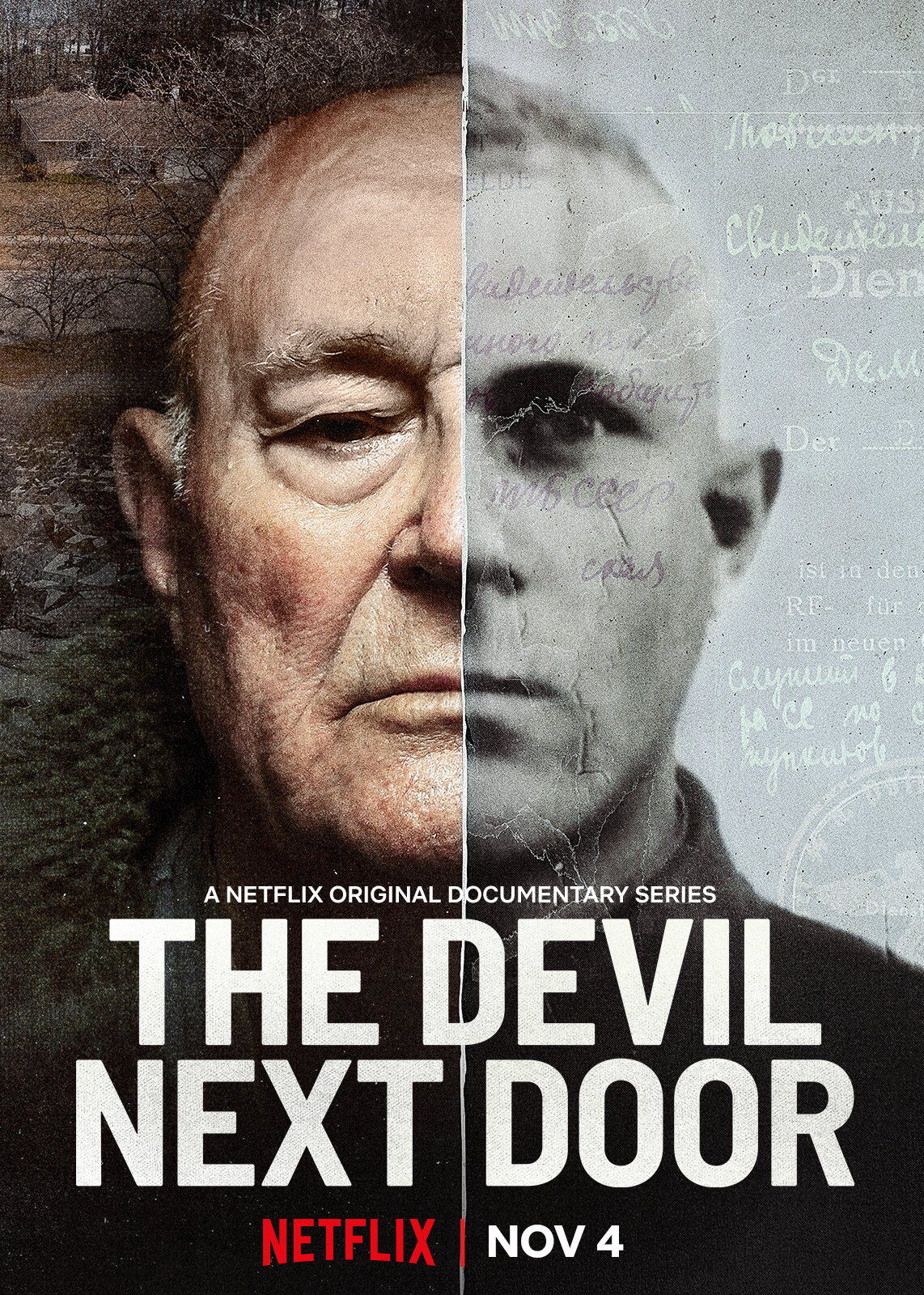
The Devil Next Door2019
Szell is fiction, but this documentary series follows an actual accused Nazi hiding in plain sight decades later — the same nightmare, without a screenplay to soften it.
A real-life hunt for a man accused of being a Nazi death camp guard hiding as a Cleveland grandfather — the same queasy question Szell poses onscreen, asked for real, with actual survivors and real doubt.
But It's a slow, legally dense documentary with no thriller mechanics — the horror here is paperwork and testimony, not chases or set pieces.
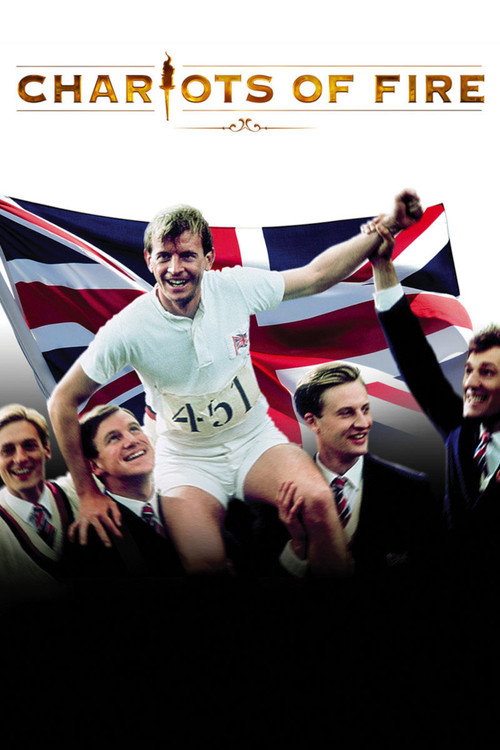
Chariots of Fire1981
Both films use running as the core metaphor for a man's character — one trains toward triumph, the other survives because of it; same engine, opposite genre.
Running as identity, as faith, as the one thing a man fully owns — the same obsessive physicality that defines Babe Levy, reframed as glory instead of survival, scored by Vangelis instead of dread.
But There's no conspiracy, no villain, no danger — just Olympic runners and personal conviction, a far gentler kind of tension.
People
Cast
 Dustin HoffmanThomas 'Babe' Levy
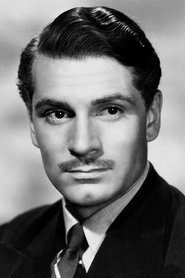 Laurence OlivierDr. Christian Szell
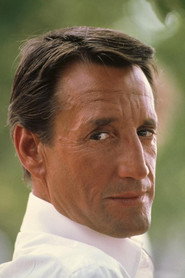 Roy ScheiderHenry 'Doc' Levy
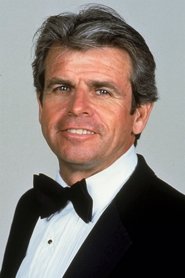 William DevaneJaneway
 Marthe KellerElsa Opel
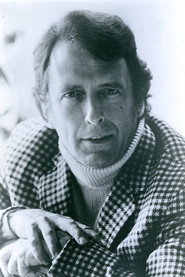 Fritz WeaverProfessor Biesenthal
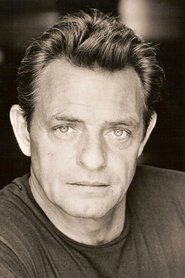 Richard BrightKarl
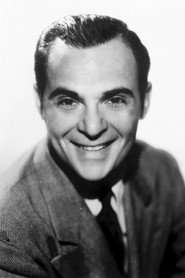 Marc LawrenceErhard
 James Wing WooChen
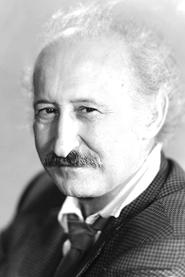 Lou GilbertRosenbaum
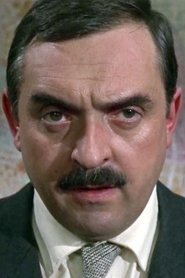 Jacques MarinLeClerc
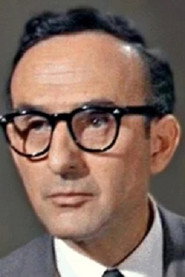 Allen JosephBabe's Father
Directing
- John SchlesingerDirector
Writing
- William GoldmanNovel
- William GoldmanScreenplay
Production
- George JustinAssociate Producer
- Jane FeinbergCasting
- Mike FentonCasting
- Robert EvansProducer
- Sidney BeckermanProducer
Recommended by
Blow Out, Three Days of the Condor, The Fugitive, The Parallax View, The Manchurian Candidate, The Day of the Jackal, Klute, The Boys from Brazil