
Film
The Fury
Brian De Palma's kinetic 1978 thriller about a CIA father hunting his psychically gifted son across Europe. It's a stylish, propulsive paranoia machine—split screens, slow-motion violence, baroque set pieces—that treats telekinesis as a genuine threat rather than a gimmick. For anyone who loves espionage procedurals turbocharged with the supernatural, or De Palma's particular brand of operatic suspense.
Should you watch it?
Watch it if you like lurid, operatic thrillers where style runs wild, with split-screen set pieces, Hitchcock-flavoured paranoia and a father's frantic hunt played for pulpy intensity.
Skip it if you want restraint over gore, since its sprawling middle and broad melodrama can feel overheated and its violence is blunt and sensational.
What it asks of you: Two hours of patience with a plot that keeps stacking up, and a tone that swings from chilly espionage to lurid horror without apology.
Not sure? Find tonight's pick in a minute.
If you liked this
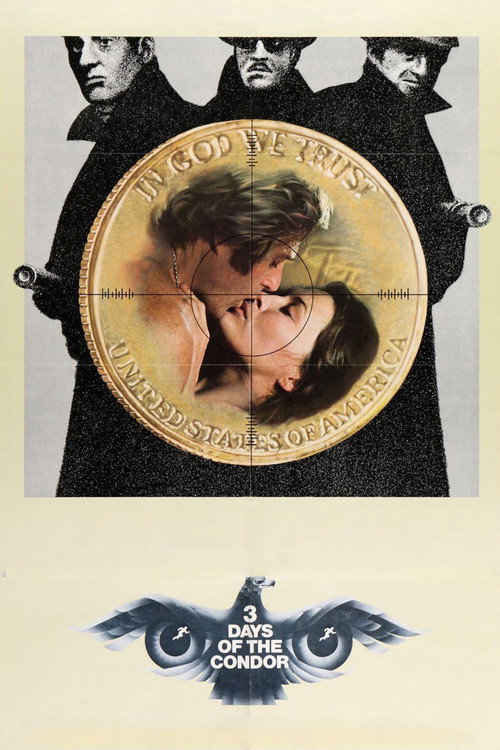
Three Days of the Condor1975
Another 1970s paranoia thriller where a CIA analyst becomes hunted by his own agency. It has the same atmosphere of institutional betrayal, the same Europe-set cat-and-mouse tension, and Robert Redford's panicked competence.
But Slower-paced and more grounded than The Fury—no psychic powers, just tradecraft and dread. If you want spectacle, this is deliberately muted.
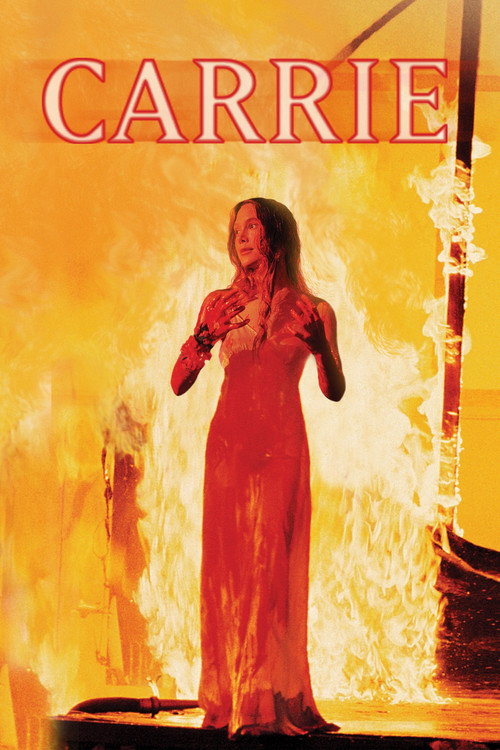
Carrie1976
De Palma's first masterpiece, also about a young person with devastating telekinetic power. It has the same collision between adolescent vulnerability and unstoppable force, shot with the same visual ambition and dark humor.
But A high school setting and a revenge narrative that feels almost quaint compared to the globe-trotting intrigue of The Fury. Very different register.
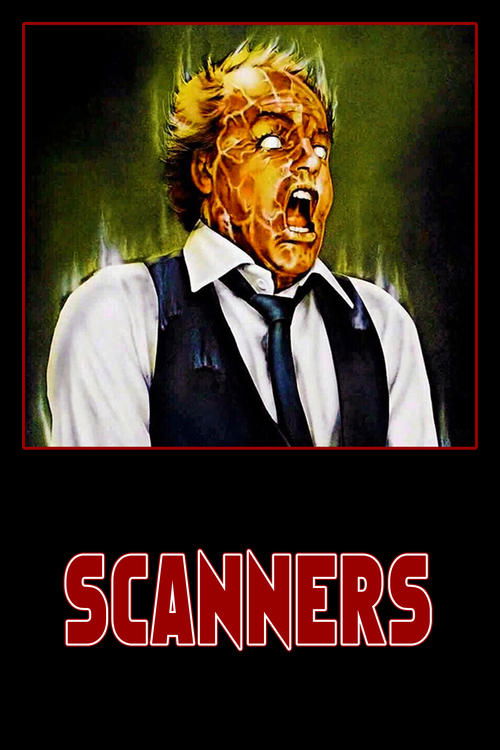
Scanners1981
Cronenberg's companion piece about psychics as weapons and the corporation exploiting them. Shares The Fury's fascination with telepathy as a form of violence, plus actual exploding heads—practical effects as philosophy.
But Much more body-horror focused and philosophically bleak. Less plot-driven espionage, more meditation on consciousness as warfare.
Not sure tonight? Get a pick in a minute, starting from The Fury
The wildcard
Something you would not have found on your own.
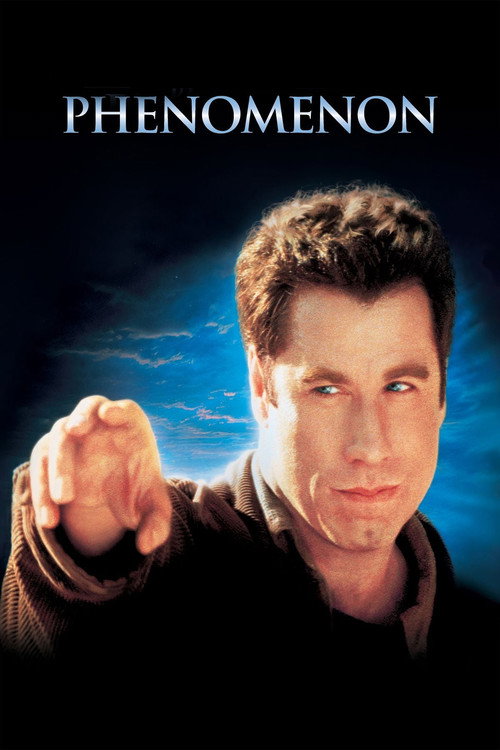
Phenomenon1996
Both explore what it means to be hunted for your supernatural gift, but Phenomenon imagines rescue and understanding where The Fury sees only exploitation. One is about being saved; the other is about being weaponized.
John Travolta as an ordinary man suddenly gifted with telekinesis and genius-level intelligence. It's deeply earnest about psychic ability as isolation rather than weapon—a kind of tenderness toward the premise that The Fury never allows itself.
But A '90s feel-good film that trusts the goodness of people in ways The Fury finds naive. Emotionally direct where The Fury is paranoid and baroque.
More like this (8)
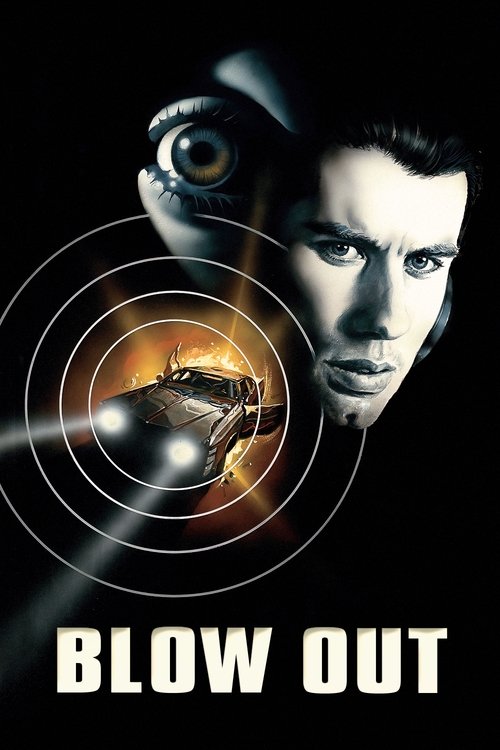
Blow Out1981
De Palma again, this time following a sound designer who witnesses a political assassination. Ratchets up the visual pyrotechnics and the paranoia; feels like The Fury's cousin who went further into genre excess.
But Longer and more elaborate—you need to stay with the intricate plotting. Some will find it baroque to the point of distraction.
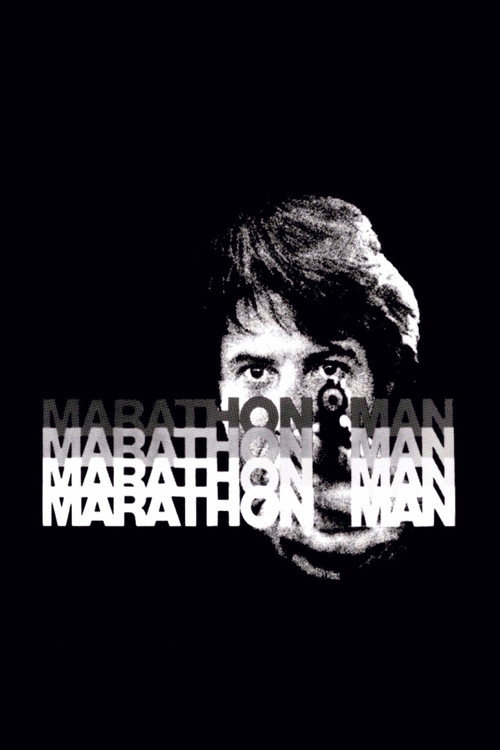
Marathon Man1976
Laurence Olivier and Dustin Hoffman in a taut cat-and-mouse game involving Nazis, diamonds, and mounting dread. Same 1970s CIA-thriller DNA, same feeling that everyone is hunting everyone and trust is lethal.
But Entirely grounded in reality—no supernatural element at all. If you want the psychic powers, this removes them entirely.
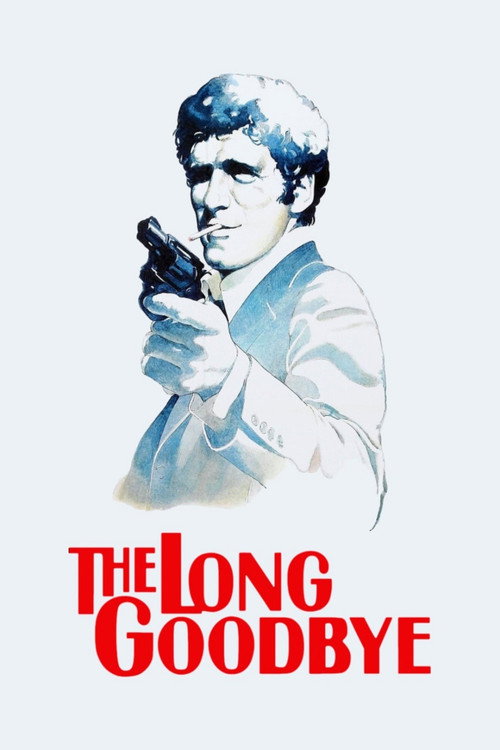
The Long Goodbye1973
Altman's revisionist noir where a man searches for a missing friend through Los Angeles. That same quality of mounting unease as you realize institutions and people are not what they seem, plus a genuinely unsettling finale.
But Deliberately anti-climactic and scattered in tone. Built to frustrate expectations of a thriller, which some find profound and others find maddening.
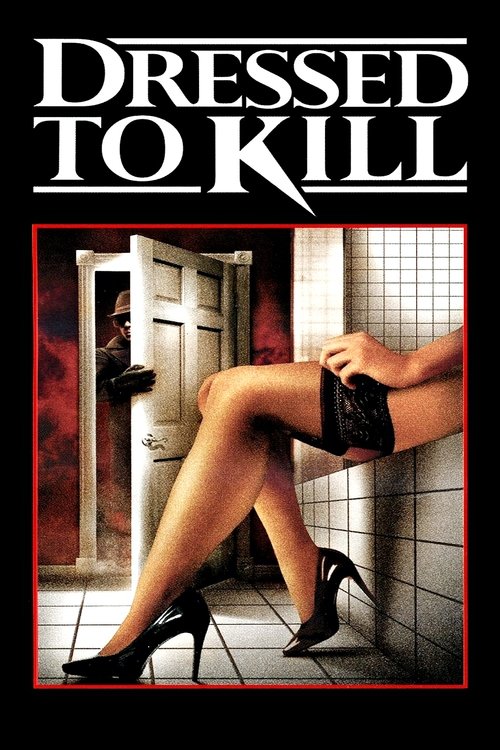
Dressed to Kill1980
De Palma once more, a stylish murder mystery with split-screen sequences and long passages of pure visual storytelling. Peak De Palma excess: elaborate, gaudy, unapologetic about artificiality.
But Built more as a giallo homage than a coherent thriller. The plot is somewhat secondary to the *look* of each scene, which can feel overripe.
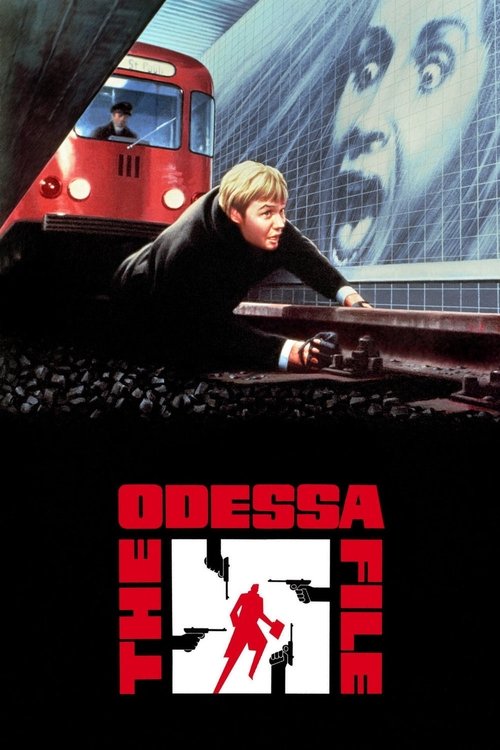
The Odessa File1974
Jon Voight as a journalist chasing Nazi war criminals across Europe in the 1960s. International intrigue, moral complexity, and that same cold-war paranoia as The Fury, just aimed at historical rather than supernatural targets.
But More traditional spy procedural than stylistic exercise. If you're here for De Palma's formal games, this is straightforward storytelling.
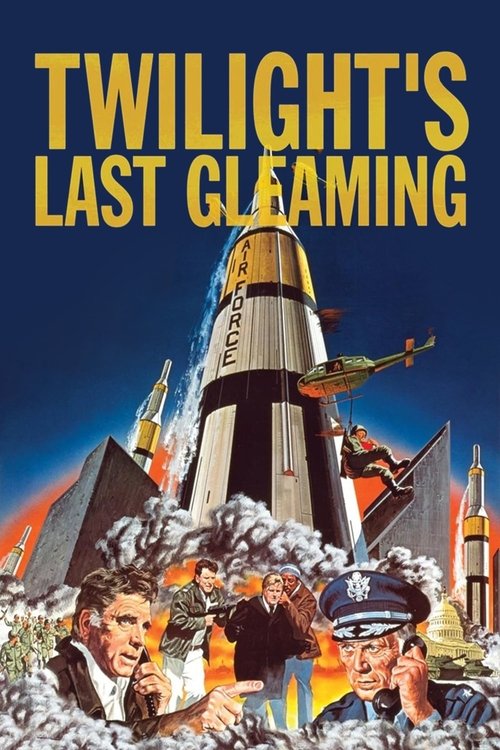
Twilight's Last Gleaming1977
Burt Lancaster as a rogue general holding nuclear missiles hostage to expose government secrets. Lean, intelligent 1970s paranoia cinema with real stakes and a cast of heavyweight character actors.
But Heavily plot-dependent and sometimes ponderous. You need to care about the political argument, not just the spectacle.
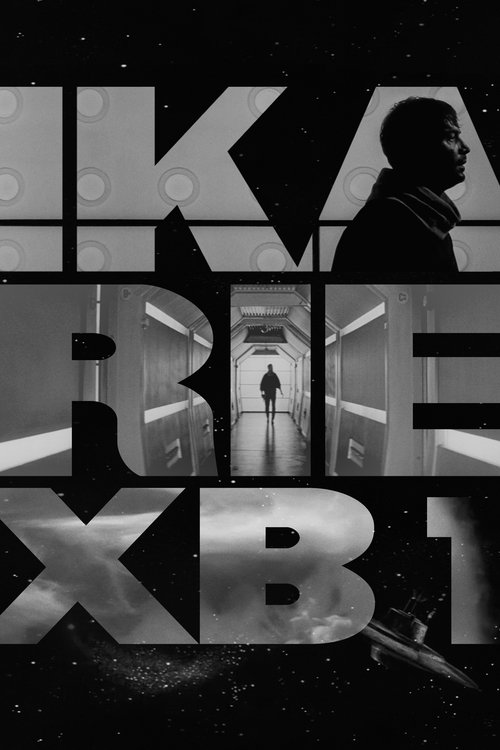
Ikarie XB 11963
Both films trust that human psychology under duress is more interesting than external threat. The Fury uses espionage and psychic power as a frame; Ikarie uses a spaceship. Both are really about what people become when institutions have power over them.
A Czech sci-fi film about a spacecraft crew bound for Venus, examining social order under pressure. Formally daring, genuinely strange, with an architectural approach to suspense rather than plot mechanics—utterly absorbing.
But Black and white, subtitled, from an Eastern Bloc studio in the 1960s. The pacing is measured and the worldview austere. No action sequences, no romance subplot, no easy resolutions.
Possession1981
Both films weaponize the human body and mind in service of institutional or personal control. Possession does it through marital dissolution; The Fury through espionage. But both are really about the body as battleground—what happens when your own mind or gift becomes something others can exploit or destroy.
Andrzej Żuławski's hallucinatory film about a marriage collapsing into surrealism and metaphysical horror. Isabelle Adjani gives one of cinema's greatest performances. It's visionary, excessive, genuinely disturbing—cinema as emotional violence made visible.
But A difficult, demanding film that uses the supernatural as emotional metaphor rather than plot. The editing is deliberately fractured and the tone shifts violently. Not entertaining in a conventional sense.

People
Cast
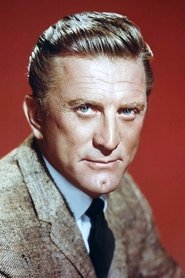 Kirk DouglasPeter Sandza
 Amy IrvingGillian Bellaver
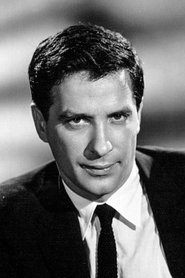 John CassavetesBen Childress
 Carrie SnodgressHester
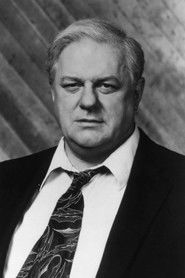 Charles DurningDr. Jim McKeever
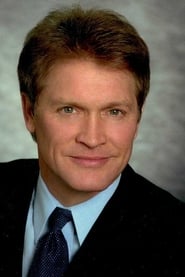 Andrew StevensRobin Sandza
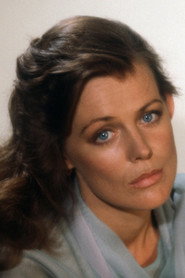 Fiona LewisDr. Susan Charles
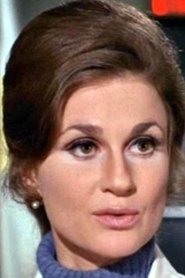 Carol Eve RossenDr. Ellen Lindstrom
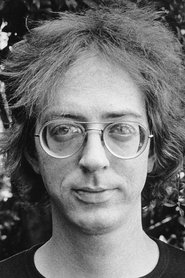 William FinleyRaymond Dunwoodie
 Melody Thomas ScottLaRue
 Rutanya AldaKristen
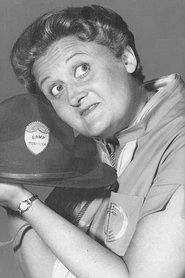 Alice NunnMrs. Callahan
Directing
- Brian De PalmaDirector
Writing
- John FarrisNovel
- John FarrisScreenplay
Production
- Jack B. BernsteinAssociate Producer
- Lynn StalmasterCasting
- Ron PreissmanExecutive Producer
- Frank YablansProducer
- Jack B. BernsteinProduction Manager
Recommended by
Christine, Scanners, Firestarter, Damien - Omen II, Black Christmas, The Power, The Dead Zone, The Rage: Carrie 2, Evilspeak, The Possession of Joel Delaney, The Black Cat, Fiend