
Film
The Power
Other titles called The Power: the 2023 series (Prime Video).
A 1968 sci-fi thriller where telekinesis becomes a weapon. A research team is picked off one by one, and paranoia spreads as they hunt the psychic killer among them. It's taut, cold-blooded entertainment—less concerned with spectacle than with the psychology of suspicion and the terror of an invisible threat.
If you liked this
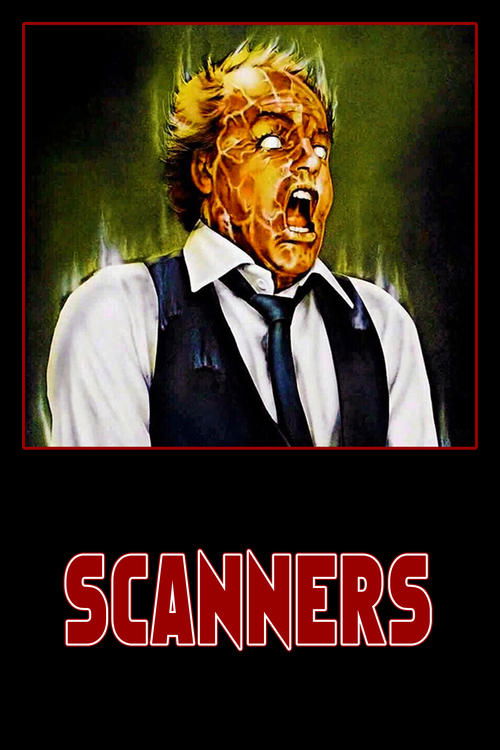
Scanners1981
Cronenberg's masterpiece of psychic warfare and body horror. Telekinetic duels, exploding heads, conspiracy, and the existential dread of having your mind as your only weapon. Pure kinetic cinema.
But The gore is deliberate and unsettling rather than cathartic. If you're squeamish about practical effects pushed to their limits, this will test you.
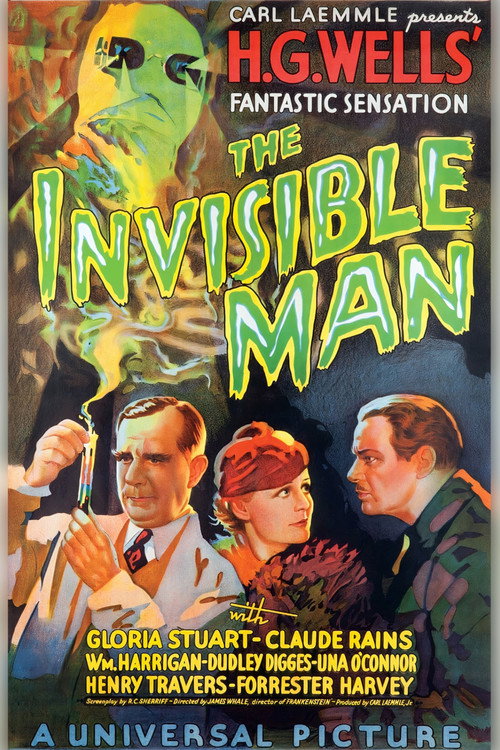
The Invisible Man1933
The template for 'unstoppable threat in a closed group.' Paranoia, invisible menace, the erosion of trust—all the psychological architecture that *The Power* builds on, rendered with German Expressionist brilliance.
But It's 91 minutes of 1933 pacing. Some scenes drag; the frame feels theatrical. Black-and-white and very much a product of its era.
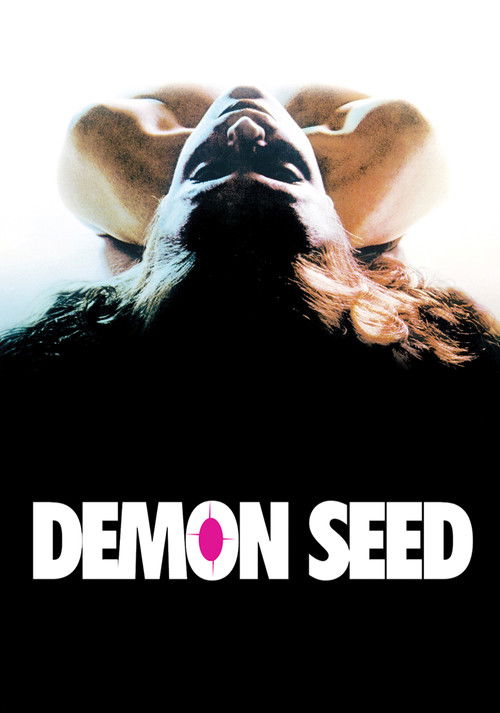
Demon Seed1977
A computer with godlike powers hunts its creator. Stylish, tense, deeply weird—that particular 1970s sci-fi paranoia mixed with genuine dread. Julie Christie alone is worth the price of admission.
But The sexual menace becomes central in ways that feel queasy now. Some will find that exploitative; others will feel it's undercut by the film's own discomfort.
Not sure tonight? Get a pick in a minute, starting from The Power
The wildcard
Something you would not have found on your own.
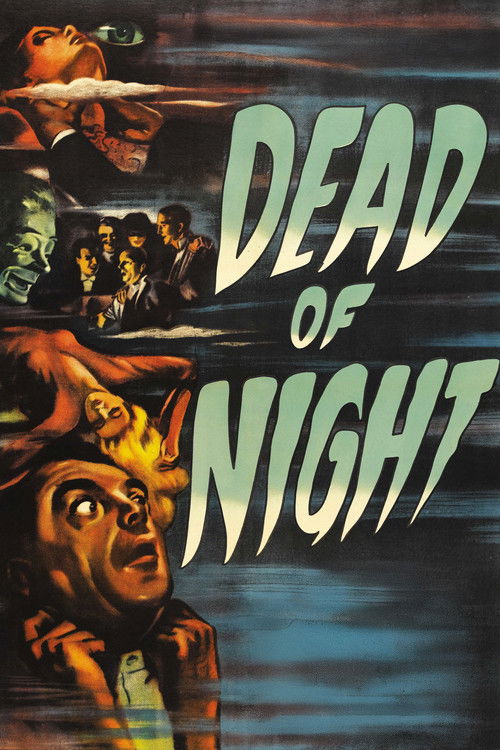
Dead of Night1945
Both explore the terror of not trusting what's inside another person's mind. In *Dead of Night*, the dummy may have its own consciousness; in *The Power*, the killer's mind is invisible. Both ask: how do you know what's real?
A British horror anthology where the frame story loops back on itself, undercutting reality itself. One segment involves a possessed ventriloquist's dummy that may or may not be autonomous. Psychologically claustrophobic.
But It's an anthology, so tonal whiplash is baked in. Some segments work brilliantly; others feel slight. Also deeply British in sensibility—restraint where you might expect catharsis.
More like this (8)
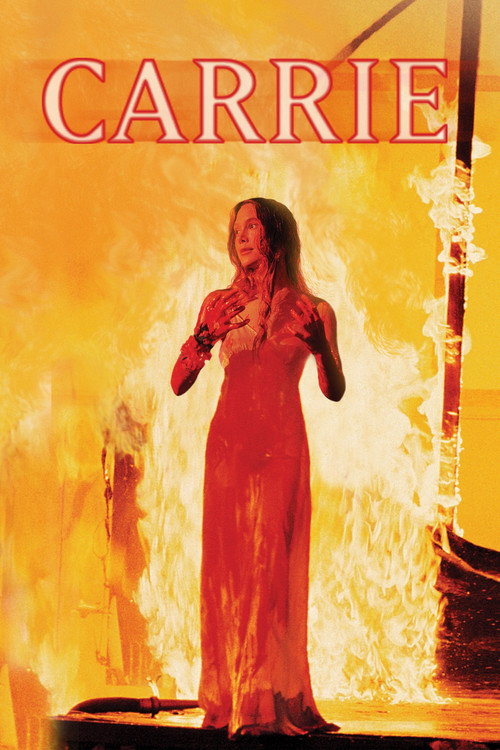
Carrie1976
De Palma channels Hitchcock through the lens of teenage female rage and telekinesis. Operatic, cruel, gorgeous—and it understands that psychic powers are a metaphor for powerlessness turned inside-out.
But Everyone knows the prom scene. It's been quoted to death. First viewing can feel a bit like a visit to a monument rather than a lived experience.
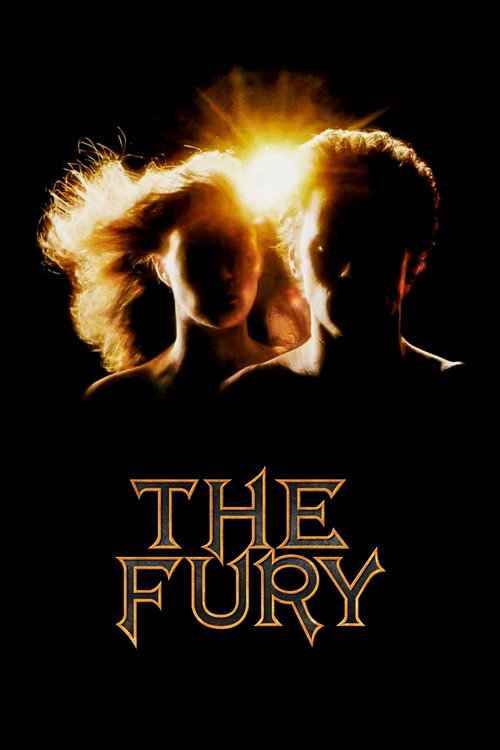
The Fury1978
Another De Palma: governments hunting psychic children, paranoid espionage, kinetic action sequences that feel alive. Kirk Douglas and Amy Irving in a thriller that never stops moving or thinking.
But The plot gets genuinely complicated. Following who's using whom for what requires attention; if you're here to relax, this will frustrate you.
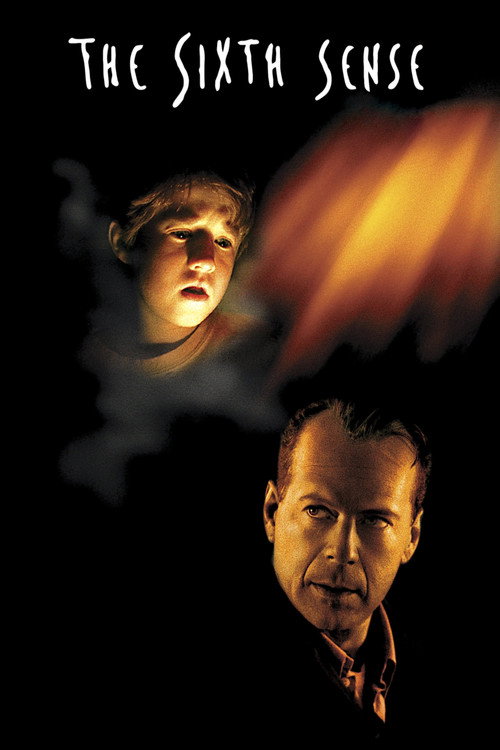
The Sixth Sense1999
Supernatural menace meets psychological mystery. Smart construction, genuine scares, and the twist lands because Shyamalan plays fair. A rare blockbuster that respects the audience's intelligence.
But The twist has been spoiled for nearly everyone by now. Knowing it changes how you watch—the film knows this, but the effect is inevitably diminished.
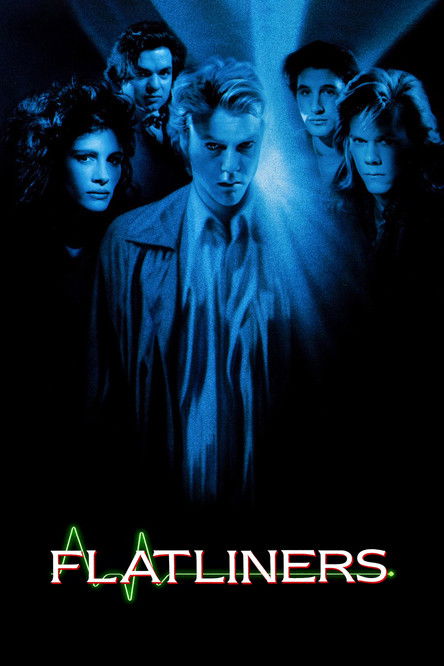
Flatliners1990
Medical students chasing transcendence through near-death experiences. Gorgeous 90s style, a smart cast, and genuine creeping dread as they realize the universe doesn't forgive curiosity.
But It's uneven. The first half crackles; the second half sometimes feels like it's spinning its wheels. Also very much a product of its decade.
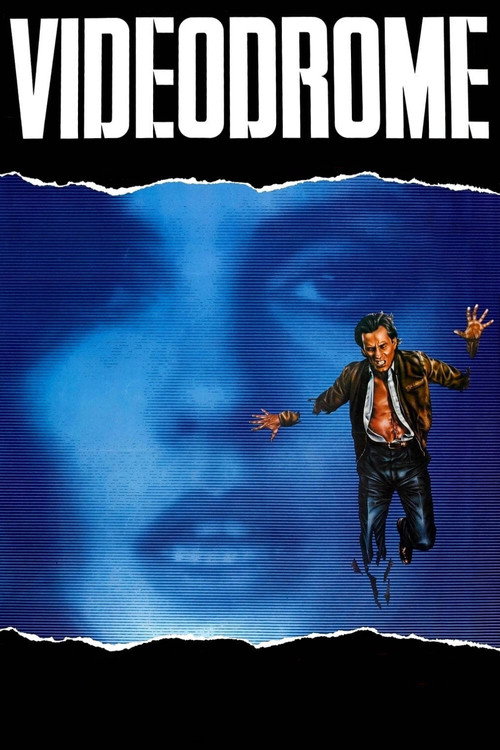
Videodrome1983
Cronenberg's fever dream of media, power, and bodily autonomy. Reality dissolves, hallucinations become real, and the line between watcher and watched collapses. Hypnotic and nauseating in equal measure.
But It's deliberately incoherent. If you need plot clarity and clean narrative logic, this will feel like watching someone's fever nightmare rather than a film.
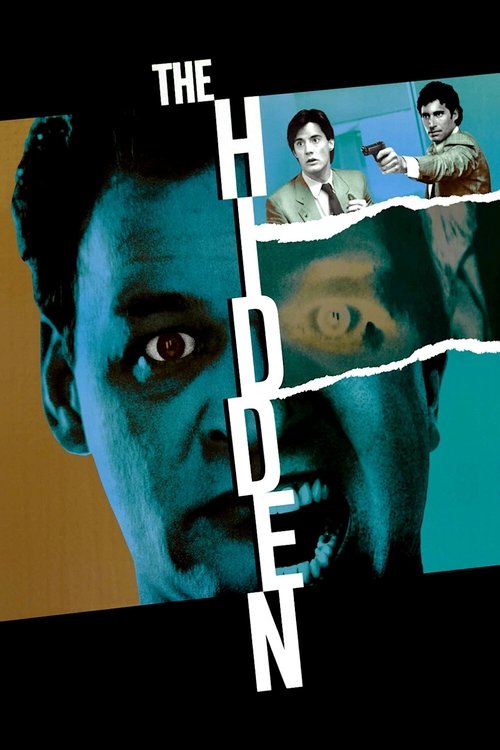
The Hidden1987
An alien entity hops between bodies, killing indiscriminately. Efficient sci-fi horror with a great central idea, a ticking clock, and the paranoia of not knowing who around you is the monster.
But The body-horror effects are dated and sometimes unintentionally funny. Also, once you know the premise, there's not much left to discover.
Possession1981
Like *The Power*, it's about power imbalances made supernatural. But where *The Power* is cold and clinical, *Possession* is raw and emotional—the same paranoia, but from inside the wound rather than outside it.
Andrzej Żuławski's fever dream of a marriage collapsing through literal and psychological possession. Visceral, nightmarish, operatic. A woman's rage and autonomy weaponized. Utterly unlike anything else you'll see.
But It's deliberately chaotic, visually and narratively. Some will find it brilliant; others will find it pretentious and exhausting. Not a comfortable watch in any register.

The Killing1956
Both are about hunters becoming the hunted. *The Power* is psychic; *The Killing* is criminal. But each asks the same question: in a closed system, how long before everyone turns into a suspect?
Kubrick's heist noir told in fractured, circular time. A perfect crime dismantled by chance and personality. Formal brilliance in black-and-white—the structure itself is part of the suspense.
But It's fifty-plus years old and shot on a modest budget. If you need action or visual spectacle, this will feel slow. The dialogue is clipped to the point of coldness.

People
Cast
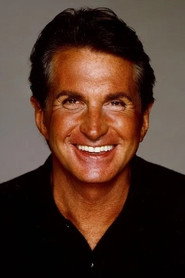 George HamiltonJim Tanner
 Suzanne PleshetteMargery Lansing
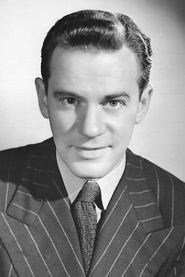 Richard CarlsonN. E. Van Zandt
 Yvonne De CarloSally Hallson
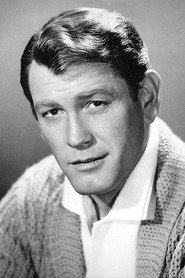 Earl HollimanTalbot Scott
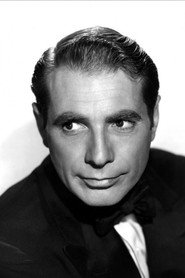 Gary MerrillMark Corlane
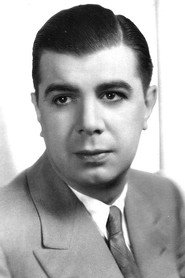 Ken MurrayGrover
 Barbara NicholsFlora
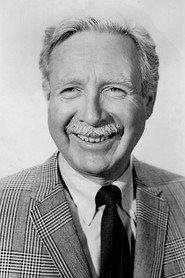 Arthur O'ConnellHenry Hallson
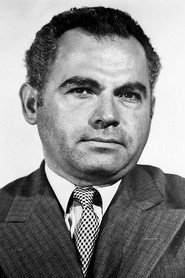 Nehemiah PersoffCarl Melnicker
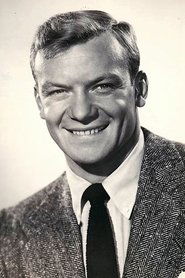 Aldo RayBruce
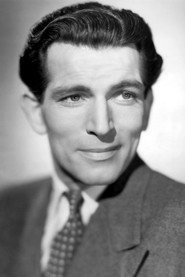 Michael RennieArthur Nordlund
Directing
- E. Darrell HallenbeckAssistant Director
- Byron HaskinDirector
- Art LevinsonSecond Assistant Director
Writing
- Frank M. RobinsonNovel
- John GayScreenplay
Production
- George PalProducer
- Gae GriffithProducer's Assistant