
Film
Gabriel Over the White House
A 1933 political fantasy where an ambitious, compromised President nearly dies in a car crash and awakens transformed into an incorruptible force who dismantles corruption, fires bureaucrats, and wages war on organized crime. It's a fever dream about redemption through supernatural intervention, watched now as a period curiosity—Depression-era wish fulfillment that's more portrait of its moment than timeless drama.
Should you watch it?
Watch it if you enjoy old-Hollywood political fables where a cynical operator is jolted into conscience, and you don't mind a sermon wrapped in a fantasy premise.
Skip it if you want restrained, understated filmmaking, since this 1930s piece is talky, earnest and blunt about its politics.
What it asks of you: It runs under ninety minutes and mostly sits in rooms, trading quick talk and rhetoric, with an earnest moral temperature that rises as it goes.
Not sure? Find tonight's pick in a minute.
If you liked this
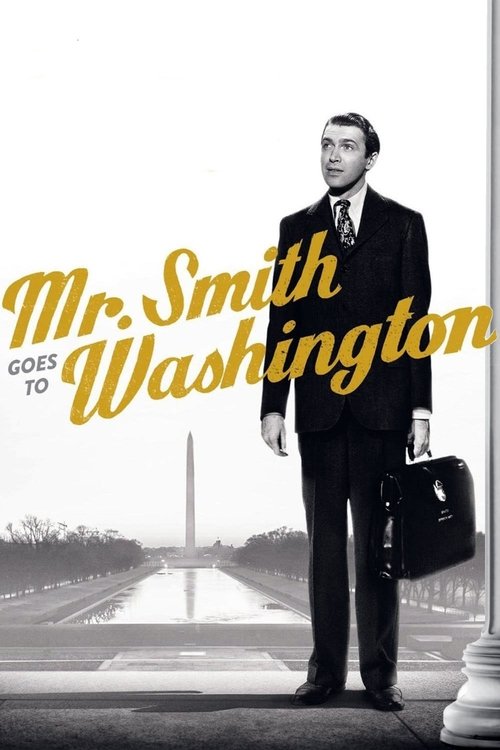
Mr. Smith Goes to Washington1939
Capra's idealistic senator takes on institutional corruption with moral certainty and good humor. It captures the same fantasy of one honest man toppling a rotten system, but with character development and emotional depth that Gabriel lacks.
But The sentimentality can feel thick, and the faith in American institutions rings differently now than it did in 1939. Some find it manipulative.
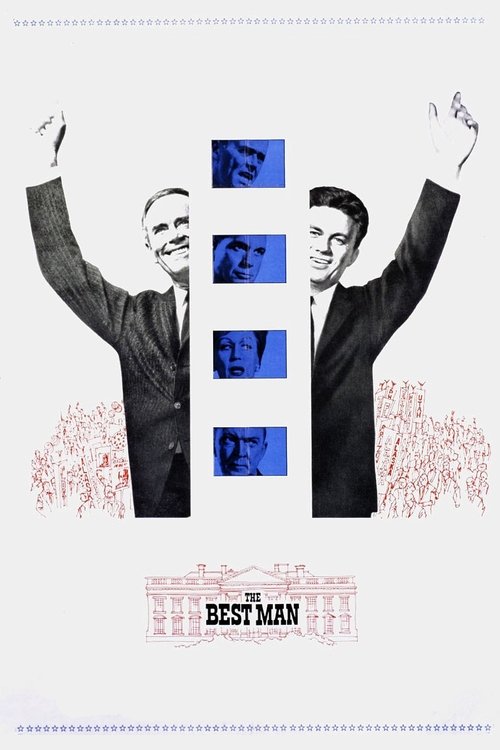
The Best Man1964
A bracing political drama about a presidential nominee and a rival exposing each other's compromises on the eve of a convention. It's clear-eyed about ambition and power in ways Gabriel only dreams of being.
But It's genuinely cynical—no redemption, no supernatural rescue, just men choosing between their conscience and their career. Not for those seeking uplift.
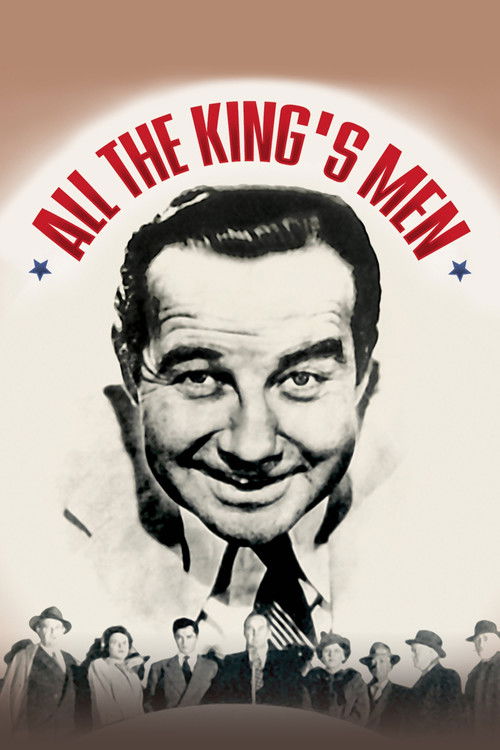
All the King's Men1949
Robert Rossen's adaptation traces a populist demagogue's rise and corruption with tragic grandeur. It shares Gabriel's interest in how power corrupts, but examines the process with intelligence and moral complexity.
But It's bleak and long, and the lead character is largely repellent. The film doesn't offer easy answers or redemption arcs.
Not sure tonight? Get a pick in a minute, starting from Gabriel Over the White House
The wildcard
Something you would not have found on your own.
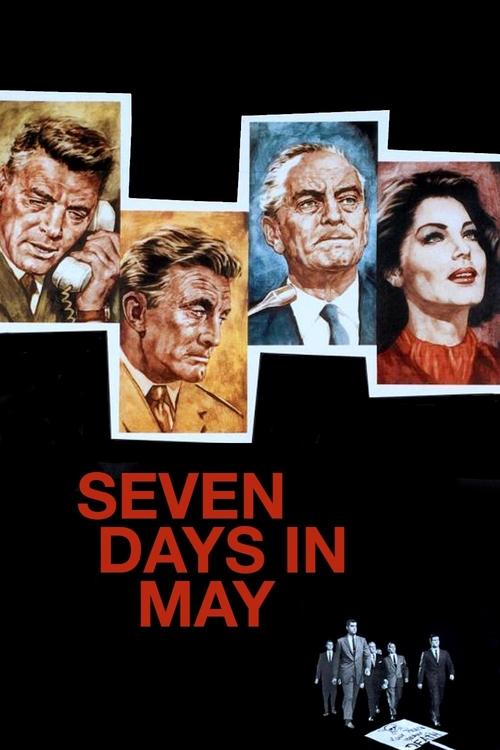
Seven Days in May1964
Both films ask whether one person with absolute certainty can be trusted with absolute power—Gabriel says yes, Seven Days says maybe you should be terrified when they say yes.
A military coup thriller where an honest officer must stop a charismatic general from overthrowing the government. It's Gabriel inverted: the system under siege, not from corruption but from righteousness itself—exploring whether even good intentions can justify seizing power.
But It's a procedural thriller, not a character study. The ideology matters more than the people, and it can feel like a tract.
More like this (8)
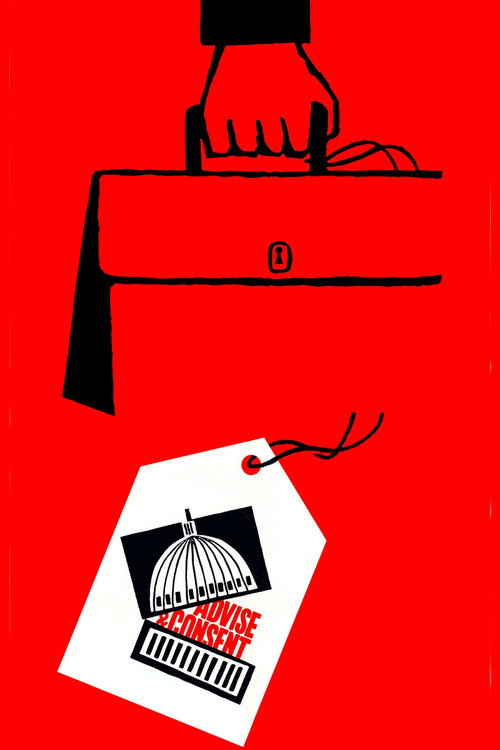
Advise & Consent1962
Otto Preminger's political procedural about Senate confirmation hearings for a new Secretary of State bristles with intrigue, ideological tension, and genuine stakes. It shows how institutions actually resist corruption.
But It's a document of its era's political obsessions, which can feel distant. The pacing is deliberate, almost glacial by modern standards.
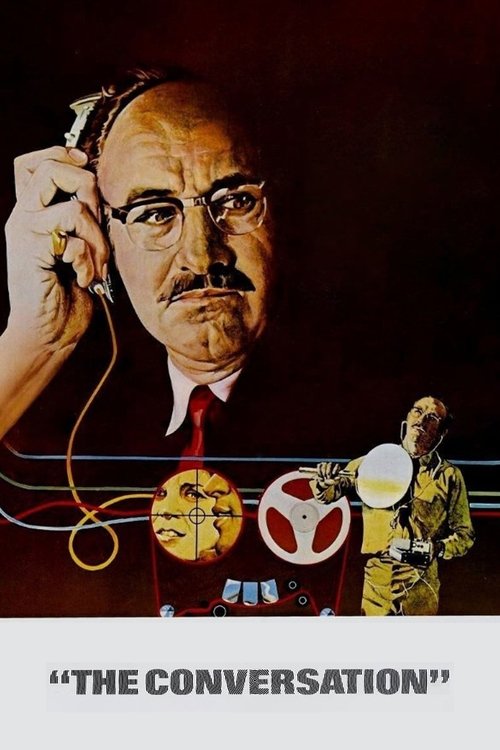
The Conversation1974
Coppola's paranoid masterpiece about surveillance, complicity, and the paralysis of conscience. It shares Gabriel's interest in how one man might stand against a corrupt system, but focuses on doubt rather than certainty.
But It's oblique and melancholic, ending not with heroic action but with quiet devastation. If you want catharsis, you won't find it here.
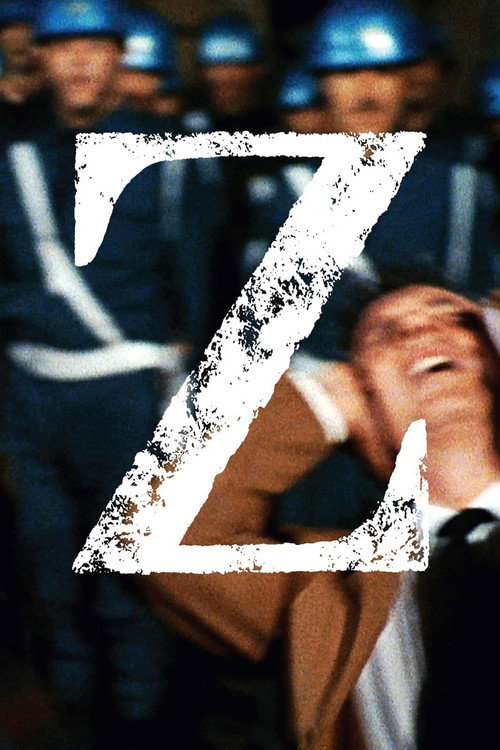
Z1969
Costa-Gavras's political thriller about a assassination and cover-up in a police state crackles with urgency and moral clarity. It has Gabriel's idealism but anchors it in real political mechanics and genuine danger.
But It's urgent to the point of hectoring, and the political allegory can overshadow character. Some find it dated as polemic.
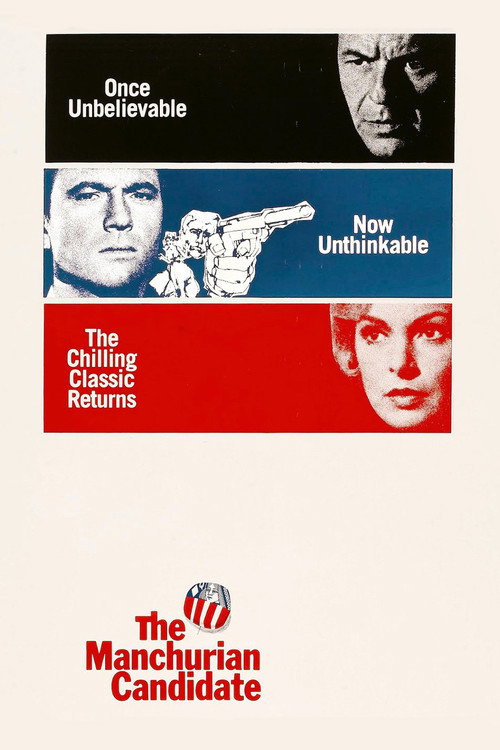
The Manchurian Candidate1962
Frankenheimer's dark political fantasia uses science fiction (brainwashing) to explore how power corrupts and how the system manufactures consent. It's Gabriel's shadow self—equally fantastical but paranoid instead of redemptive.
But It's genuinely unsettling and doesn't resolve neatly. The tone swings between comedy and horror in ways that can feel uneven.
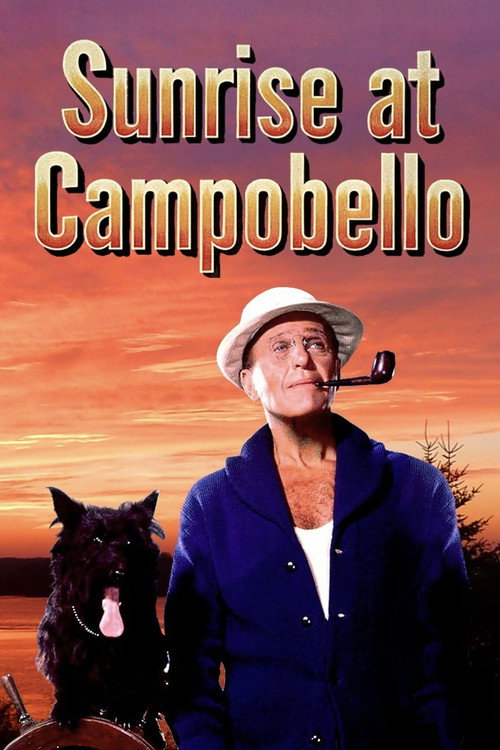
Sunrise at Campobello1960
Ralph Bellamy as FDR discovering his strength after polio is a gentler, more humanistic take on political transformation. It shares Gabriel's interest in a leader's metamorphosis, grounded in real history and genuine emotion.
But It's a biographical drama, not a thriller. The pace is measured and the conflict is internal. Some find it static.
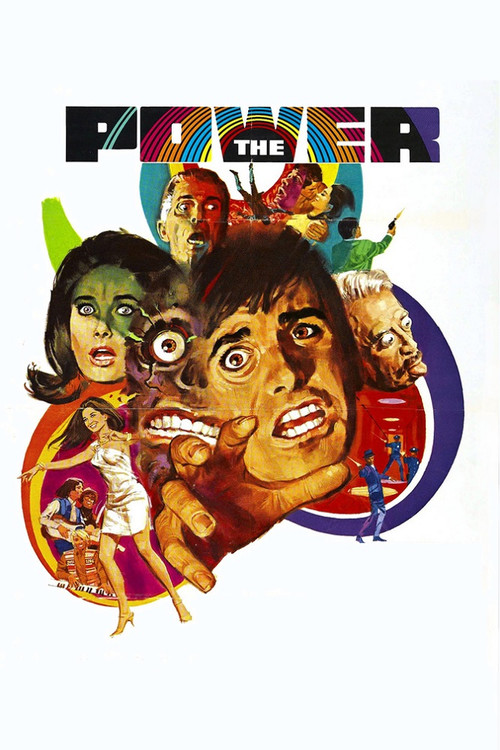
The Power1968
An obscure sci-fi political drama about a senator with psychic powers who uses them to climb to the Presidency. It's Gabriel's pulp cousin—equally concerned with one man's power to reshape politics, equally strange.
But It's genuinely awkward, with dated effects and unconvincing romance. The premise doesn't quite hold together, and it's hard to find.
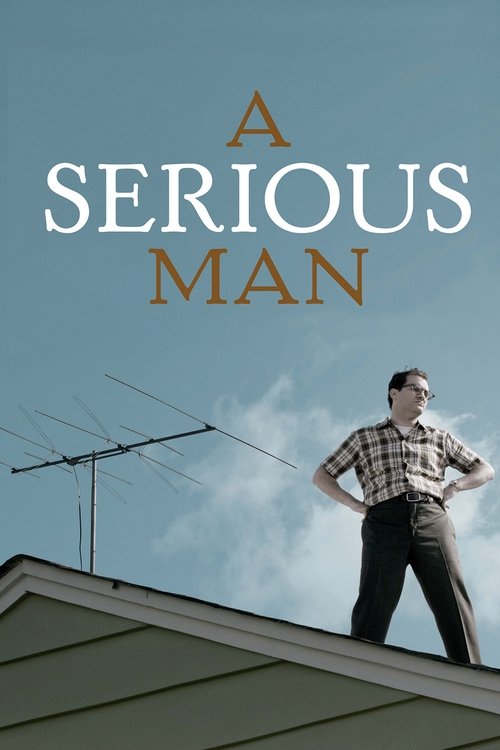
A Serious Man2009
Both set their stories in specifically American landscapes of corruption and hope; Gabriel trusts intervention, Serious Man suggests the universe doesn't care about our moral certainties.
The Coen Brothers' Job story about a physics professor watching his life collapse while seeking meaning and justice. It's a contemporary American parable about one man seeking cosmic redemption and finding only entropy—the anti-Gabriel.
But It's bleakly funny and refuses resolution. If you're seeking uplift or moral clarity, it will frustrate you. Many find it too bleak to be cathartic.
Kes1970
Both believe in transformation as an escape from a corrupt system, but Kes insists the system will crush you anyway—Gabriel's miracle becomes Loach's tragedy.
Ken Loach's British film about a working-class boy training a falcon shows transformation through connection to something wild and true, not through miraculous intervention. It has Gabriel's faith in redemption through change of heart, but grounds it in material reality and class.
But It's bleak about systems—school, family, society—and offers no political solution, only personal transcendence. The ending is devastating. British accent and dialect can require focus.

People
Cast
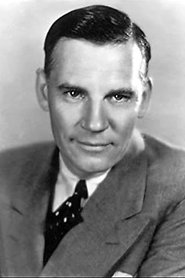 Walter HustonHon. Judson Hammond - The President of the United States
 Karen MorleyPendola Molloy
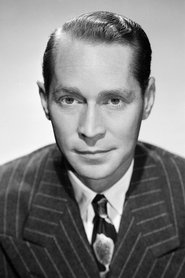 Franchot ToneHartley Beekman - Secretary to the President
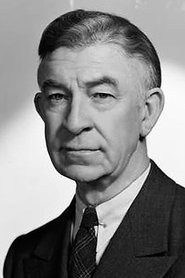 Arthur ByronJasper Brooks - Secretary of State
 Dickie MooreJimmy Vetter
 C. Henry GordonNick Diamond
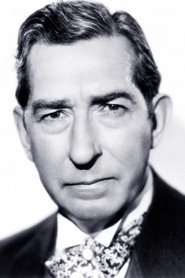 David LandauJohn Bronson
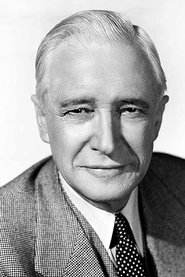 Samuel S. HindsDr. H.L. Eastman
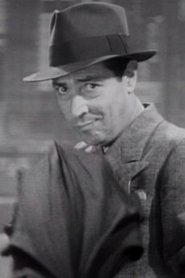 William PawleyBorell
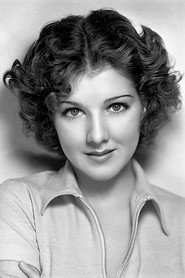 Jean ParkerAlice Bronson
 Claire Du BreyNurse
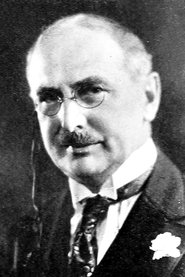 B.F. BlinnPolitician (uncredited)
Directing
- Joseph M. NewmanAssistant Director
- Gregory La CavaDirector
Writing
- Carey WilsonScreenplay
Production
- Walter WangerProducer
- William Randolph HearstProducer