
Film
All the King's Men
Broderick Crawford's Oscar-winning performance anchors this fable of American ambition: a small-town lawyer, radicalized by his own decency, becomes a demagogue too big for anyone—including himself—to control. Shot with newsreel urgency and narrated by the reporter who made him famous, it's less a biopic than a warning, and it still feels eerily current, built on the ghost of a real Southern governor.
If you liked this
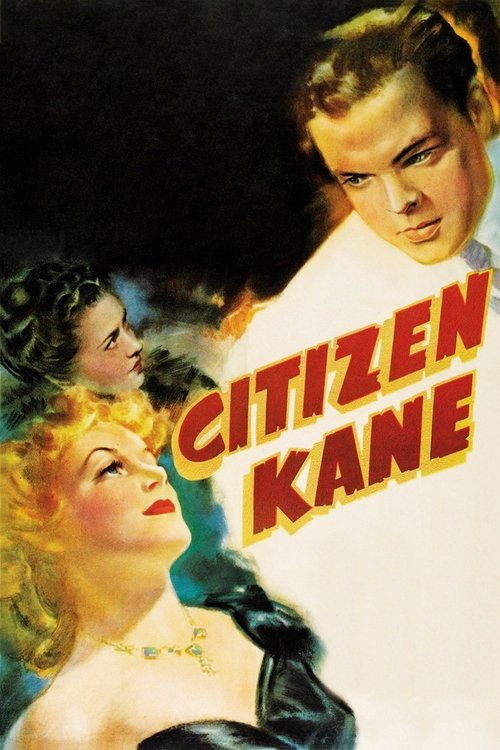
Citizen Kane1941
Welles's fractured biography of another self-made titan feels like a formal cousin—both use a journalist's inquiry to trace how ambition curdles into isolation. It's the gold standard for 'great man corrupted by power' storytelling, and it earns every bit of its reputation.
But The deep-focus technique and narrative puzzle-box structure can feel more like a film-school exercise than a story if you're not already primed for it.
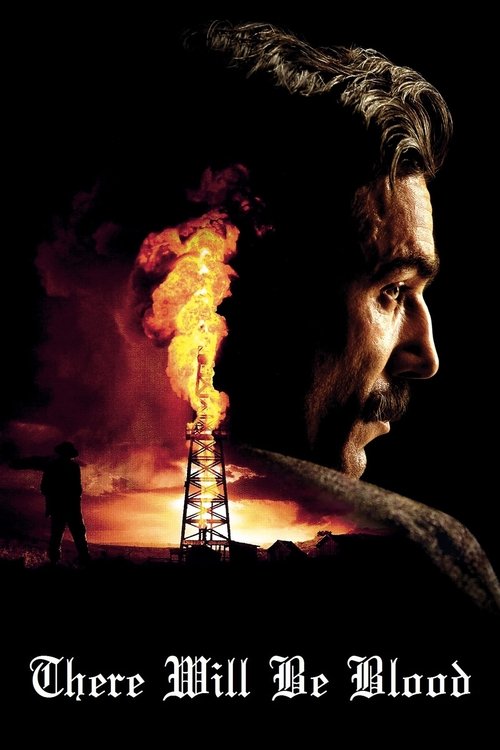
There Will Be Blood2007
Daniel Plainview is Willie Stark's spiritual heir—another man who starts with a plausible dream and ends consumed by his own appetite for control. Paul Thomas Anderson's direction is operatic where Rossen's is journalistic, but the moral arc rhymes exactly.
But It's slower and stranger than a political drama, with a score that unsettles more than it guides you, and an ending some find alienating.
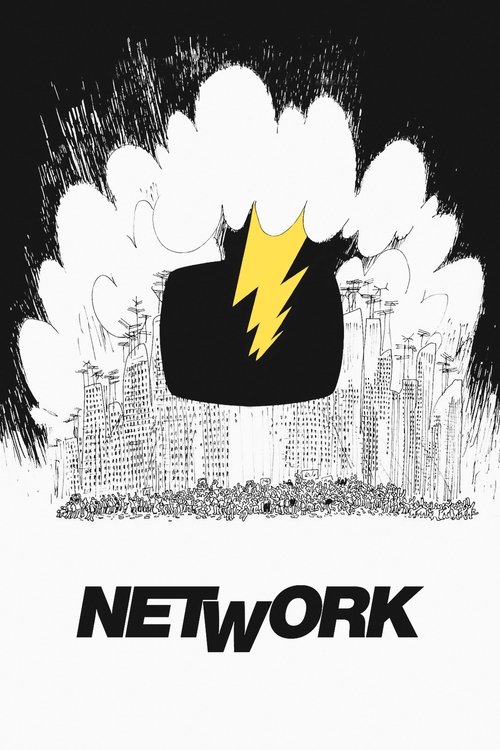
Network1976
Paddy Chayefsky's satire on media and mass persuasion shares Stark's fascination with how ordinary people surrender themselves to a compelling voice. Howard Beale's rise mirrors Stark's, just staged for television instead of the stump.
But The satire is broad and shouty by design, and its 1970s TV-industry specifics may feel dated even as its warnings land.
The wildcard
Something you would not have found on your own.
Huey Long1985no page yet
Willie Stark is a thinly veiled portrait of Huey Long, and this documentary tells you what the movie only gestures at: what actually happened when a populist demagogue took total control of a state.
Ken Burns's early documentary resurrects the real Louisiana governor Stark is unmistakably modeled on, using archival footage and interviews with people who lived under his rule. It's a strange, vivid experience to watch the fiction's shadow made flesh.
But It's a straight historical documentary with none of Crawford's charisma or Rossen's dramatic shaping—just the messier, less satisfying facts.
More like this (8)
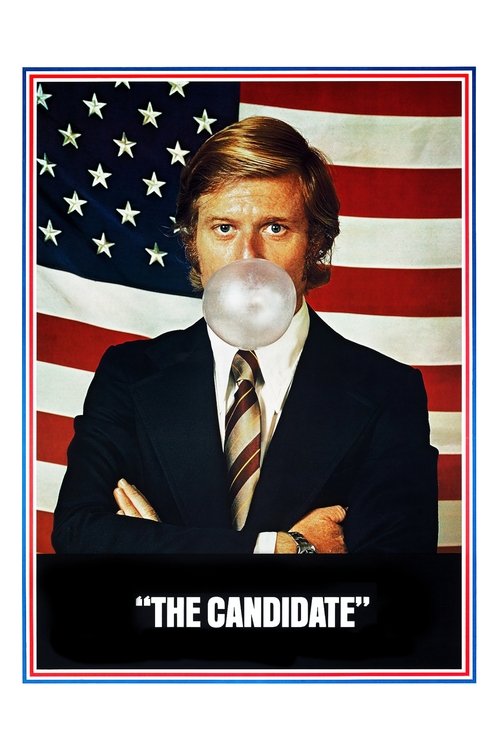
The Candidate1972
Robert Redford's idealistic outsider gets ground down by the machinery of politics in a quieter, more melancholy version of Stark's trajectory—watch what compromise looks like in slow motion rather than a lightning bolt.
But It's understated to the point of anticlimax; there's no Crawford-sized eruption here, just a creeping sense of loss.
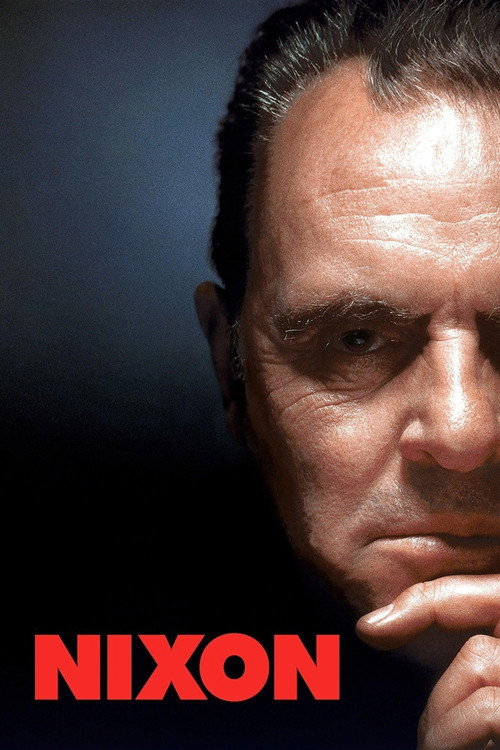
Nixon1995
Oliver Stone applies the same tragic-Shakespearean lens to an actual American president, tracing how resentment and ambition metastasize into paranoia. It's the real-history answer to Stark's fictional arc, epic in scale and unafraid of contradiction.
But Three hours long and structurally sprawling, it demands more patience than the tighter, pulpier original.
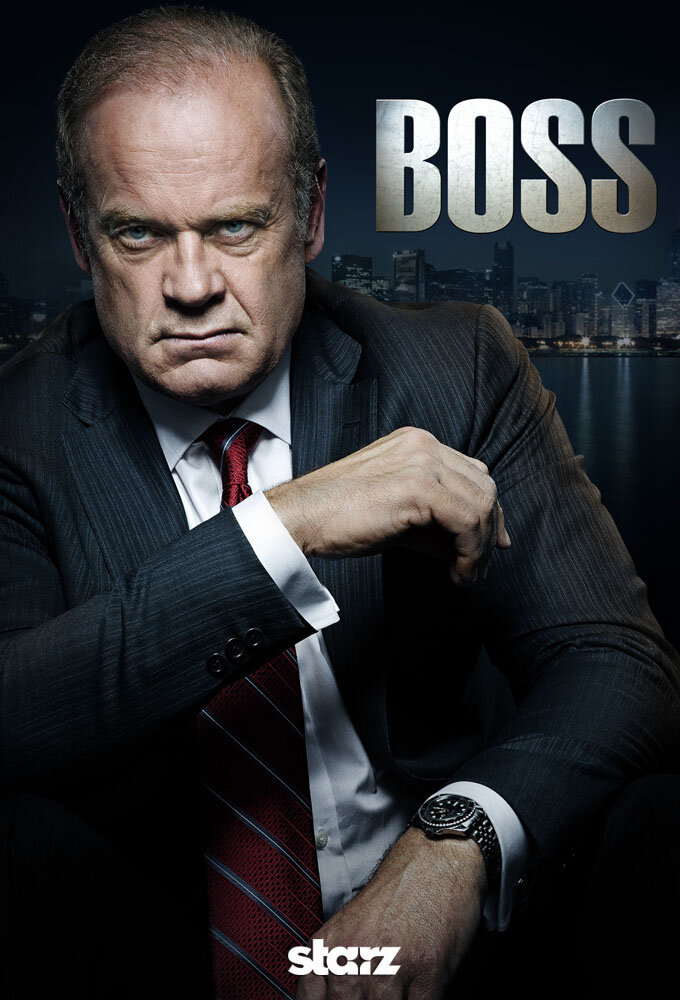
Boss2011
Kelsey Grammer plays a Chicago mayor hiding a degenerative illness while ruling through fear and favors—a modern, prestige-TV take on the same machine politics and personal rot that drive Stark. Grammer is genuinely great.
But It only ran two seasons and ends on a note of unresolved tension, which some viewers find frustrating rather than haunting.
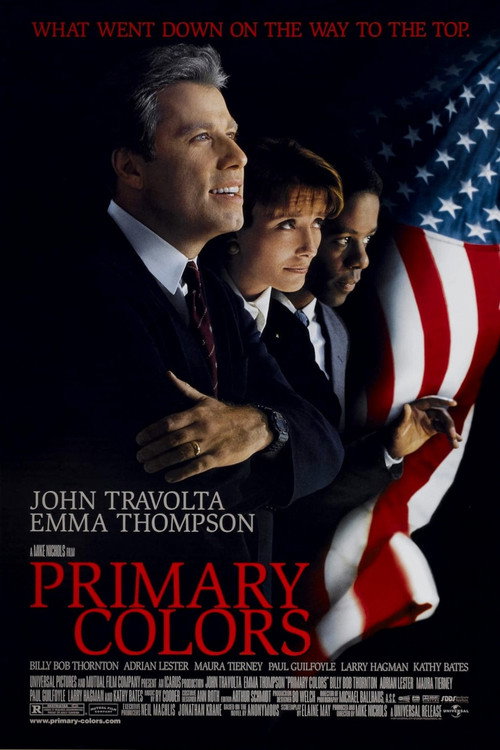
Primary Colors1998
A lightly fictionalized campaign trail drama, clearly modeled on a real charismatic politician, that asks the same question Stark's story does: how much do you forgive in a leader who might actually do good?
But It's talkier and more procedural than dramatic, closer to a well-informed op-ed than a tragedy.
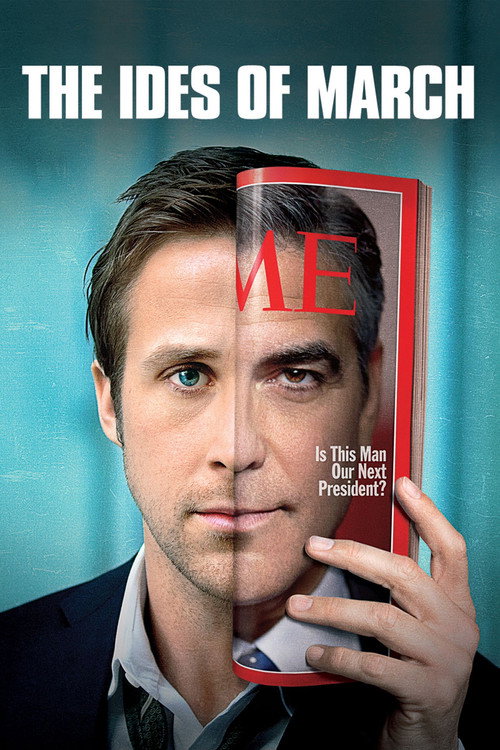
The Ides of March2011
A tighter, colder modern take on political disillusionment, following an idealist campaign staffer who learns exactly how the sausage gets made. Less operatic than Stark's story, but just as bleak about what power costs.
But It trades Stark's larger-than-life menace for a chillier, more procedural kind of cynicism that some find too clinical.
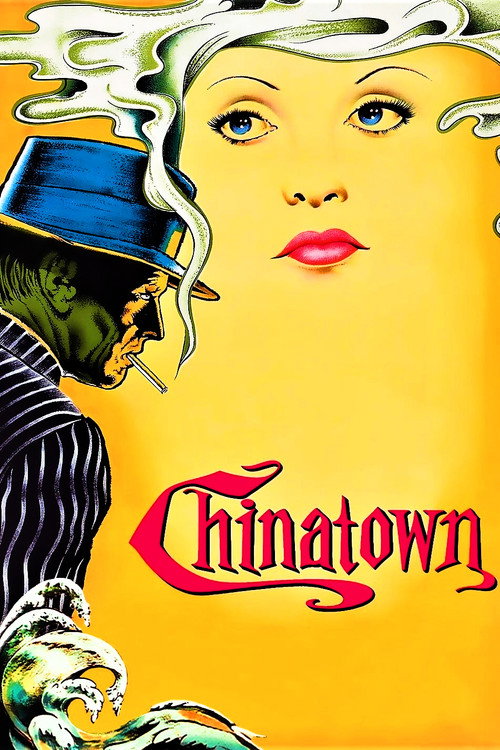
Chinatown1974
Power, water rights, and civic corruption in 1930s California—different genre, same rot underneath the institutions. If you want the noir version of what happens when ambition meets a rigged system, this is definitive.
But It's a detective story first, so the political corruption is more backdrop than centerpiece—don't expect a Stark-style character study.
The Great McGinty1940no page yet
Same engine—an ordinary man used and remade by a political machine—but run as farce rather than tragedy, made by an American studio in the same pre-war moment, before the war made this kind of corruption look less funny.
Preston Sturges wrote and directed this fast, funny fable about a hobo who rises through a corrupt political machine to become governor—essentially the same story as Stark's, told nine years earlier as a screwball comedy instead of a tragedy.
But It's slight where the other is monumental, barely 80 minutes, and its comic tone undercuts any sense of real menace.
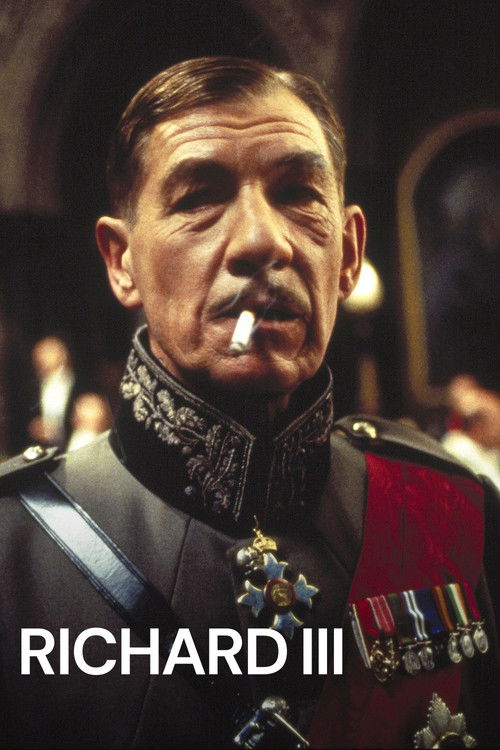
Richard III1995
Stark and Richard III both charm their way to absolute power by telling audiences exactly what they want to hear—this film makes that seduction literal by having McKellen address the camera directly, decades before prestige TV made that a cliché.
McKellen transplants Shakespeare's scheming king into a fascist 1930s England, and the parallel is uncanny: a man who understands exactly how to seduce a public that wants to be seduced. It's the classical template Stark's story is quietly built on.
But It's Shakespearean verse dressed in newsreel imagery, a stranger fit for some than the plain-spoken American original.
People
Cast
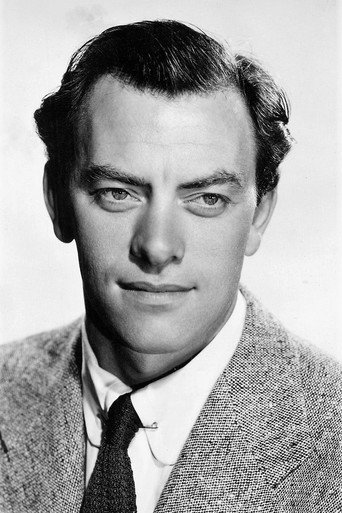 John IrelandJack Burden
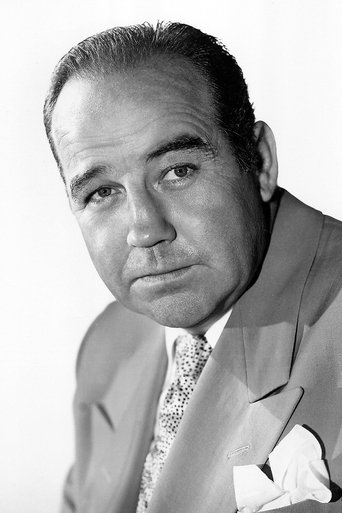 Broderick CrawfordWillie Stark
 Joanne DruAnne Stanton
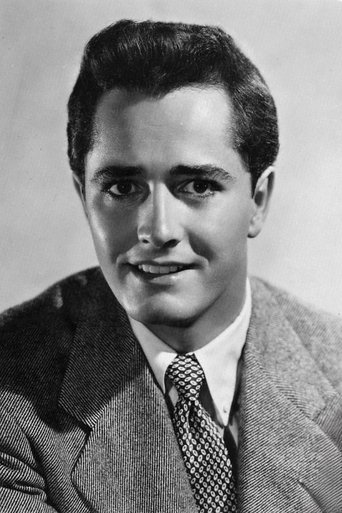 John DerekTom Stark
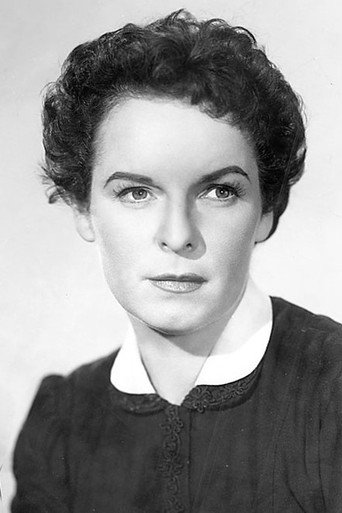 Mercedes McCambridgeSadie Burke
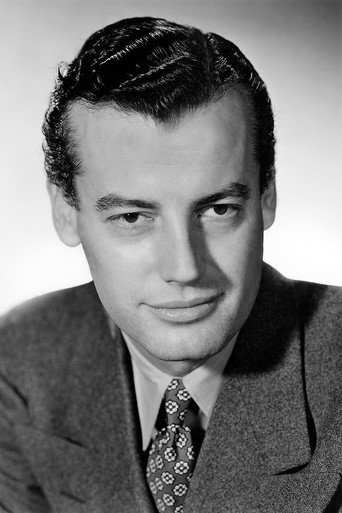 Shepperd StrudwickAdam Stanton
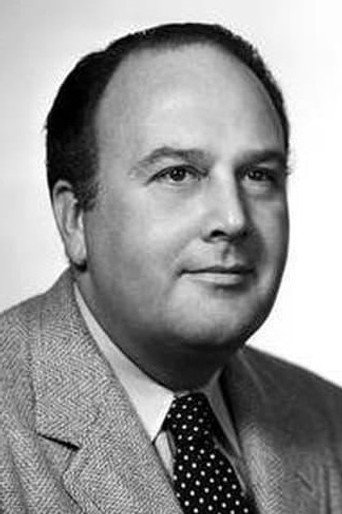 Ralph DumkeTiny Duffy
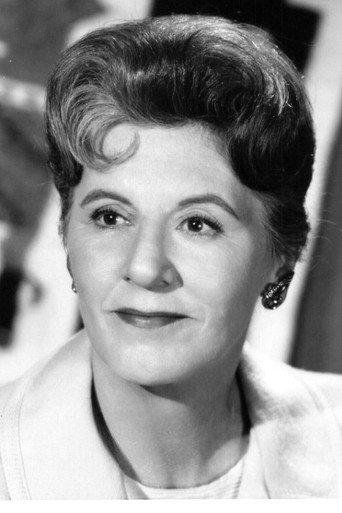 Anne SeymourMrs. Lucy Stark
 Katherine WarrenMrs. Burden
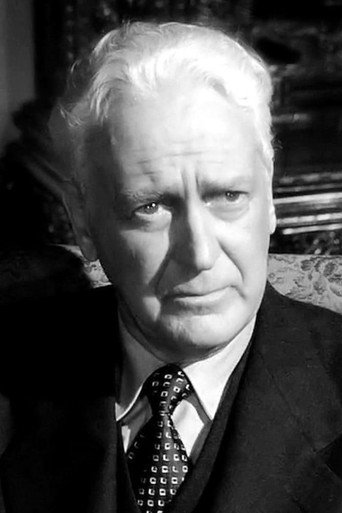 Raymond GreenleafJudge Monte Stanton
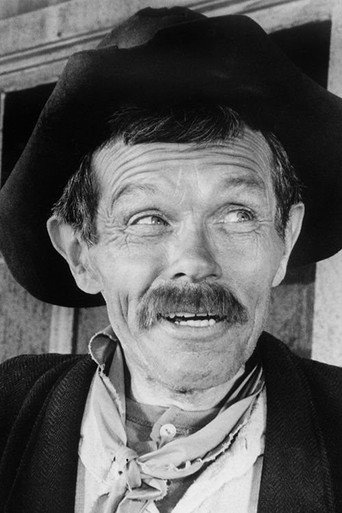 Walter BurkeSugar Boy
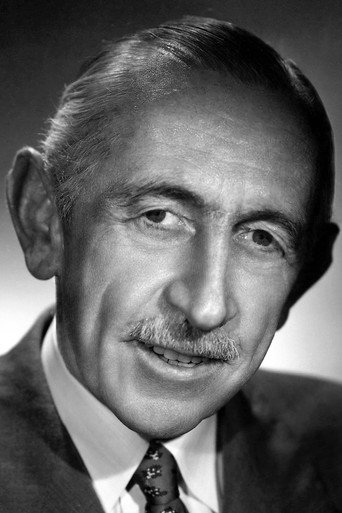 Will WrightDolph Pillsbury
Directing
- Sam NelsonAssistant Director
- Robert RossenDirector
- Donna M. NorridgeScript Supervisor
- Don SiegelSecond Unit Director
Writing
- Robert Penn WarrenNovel
- Robert RossenScreenplay
Production
- Robert RossenProducer
- Shirley MillerProducer's Assistant
Recommended by
A Face in the Crowd, Primary Colors, The Life of Emile Zola, Game Change, Client 9: The Rise and Fall of Eliot Spitzer