
Film
Huey Long
Ken Burns' elegiac 1985 documentary traces Huey Long's rise from rural Louisiana to national political power, using archival footage, photographs, and David McCullough's narration. It's a portrait of American ambition, populism, and the allure of authoritarian rhetoric, shot through with Burns' signature melancholy. Essential viewing for anyone wrestling with how demagogues capture the hearts of struggling people.
Should you watch it?
Watch it if you enjoy documentaries built from old photographs, newsreel and recorded voices, where the pleasure is in hearing a complicated political figure argued over rather than lectured at.
Skip it if you want a fast, modern documentary with interviews, sharp editing and a clear verdict; this one moves at a measured, archival pace and trusts the material to carry it.
What it asks of you: Roughly an hour and a half of patient, still-image storytelling with a single narrator's voice carrying most of the weight, so give it your full attention rather than a background glance.
Not sure? Find tonight's pick in a minute.
If you liked this
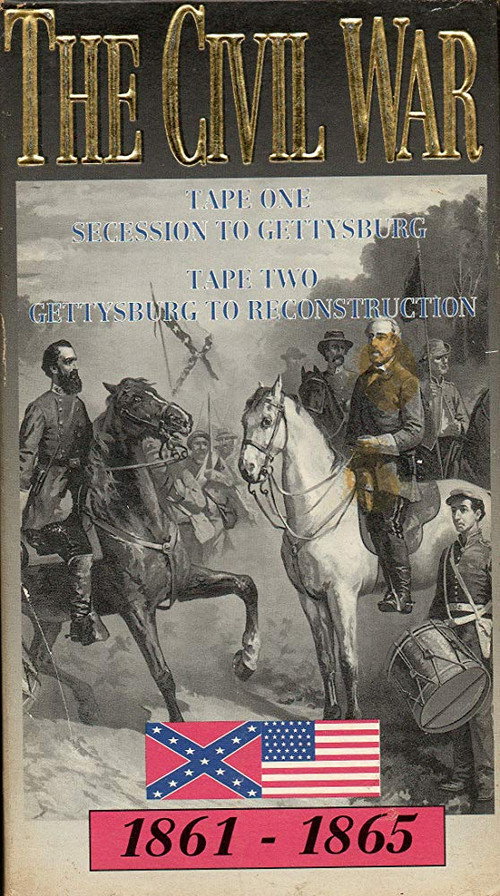
The Civil War1991
Burns' masterwork uses the same intimate, photograph-based technique to excavate how a nation tears itself apart. If you responded to his approach here, this eleven-hour series deepens everything that made Huey Long resonate.
But The runtime is genuinely daunting, and it demands patient, focused attention. Some find Burns' pacing too slow for sustained engagement.
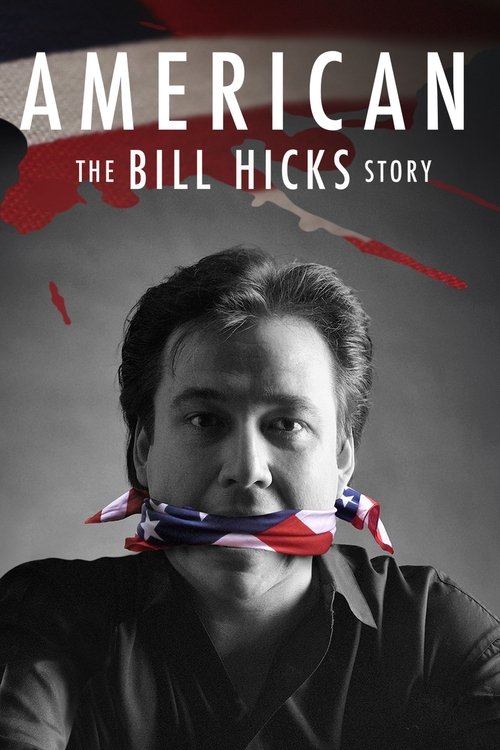
American: The Bill Hicks Story2010
Another meditation on a charismatic American outsider who promised to shake the system—but this time a comedian, not a politician. It asks similar questions about influence, authenticity, and legacy with equal intelligence and emotional force.
But Hicks' material is crude and offensive by design. If you're not comfortable with his language and subjects, the film won't soften that.
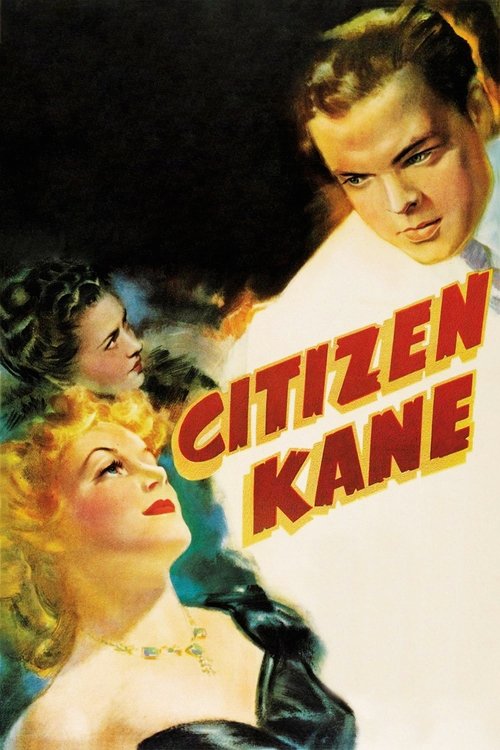
Citizen Kane1941
Orson Welles' fictional portrait of a media-savvy demagogue captures the same hunger for power and the charisma that blinds followers to moral bankruptcy. It's cinema's most sophisticated study of American ambition and corruption.
But Made in 1941, it moves by 1940s dramatic rhythms. The storytelling is fractured and non-linear, which some find frustrating rather than innovative.
Not sure tonight? Get a pick in a minute, starting from Huey Long
The wildcard
Something you would not have found on your own.
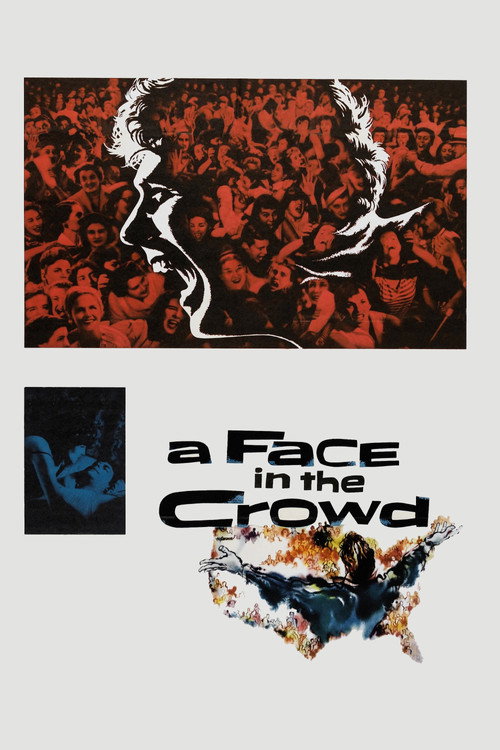
A Face in the Crowd1957
Both chart the same trajectory: a man of genuine magnetism who discovers that populist rhetoric can bend a nation's will, and neither quite understands why, until it's too late.
Elia Kazan's film about a charismatic drifter who becomes a media darling and political kingmaker is perhaps the most prescient American film ever made about how charm and media can weaponize a person into a movement. The structure mirrors Long's arc exactly: obscurity to godhood to reckoning.
But Andy Griffith's performance is so effectively monstrous that some viewers find the film unbearably cynical. It offers no comfort, only diagnosis.
More like this (6)
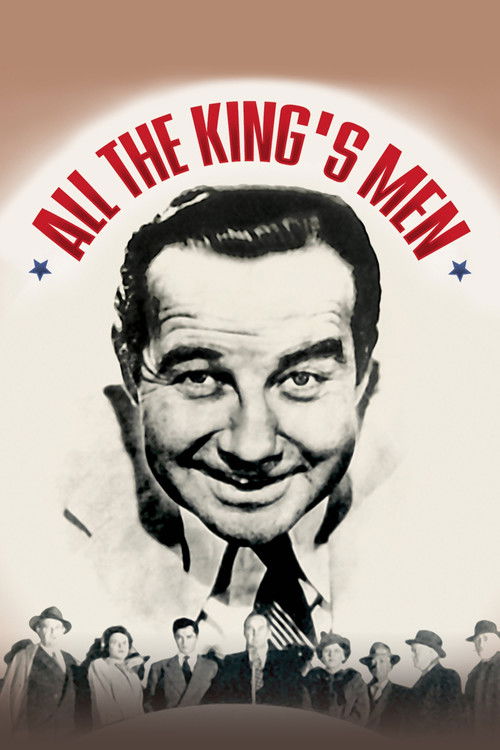
All the King's Men1949
Robert Penn Warren's adaptation of his Pulitzer-winning novel, loosely inspired by Long himself. Broderick Crawford's portrait of 'Willie Stark' captures the seduction of populist power with unflinching clarity and remarkable craft.
But It's a 1949 political thriller made by Hollywood, so some edges are softened and some dramatic licenses taken. The pacing occasionally drags.
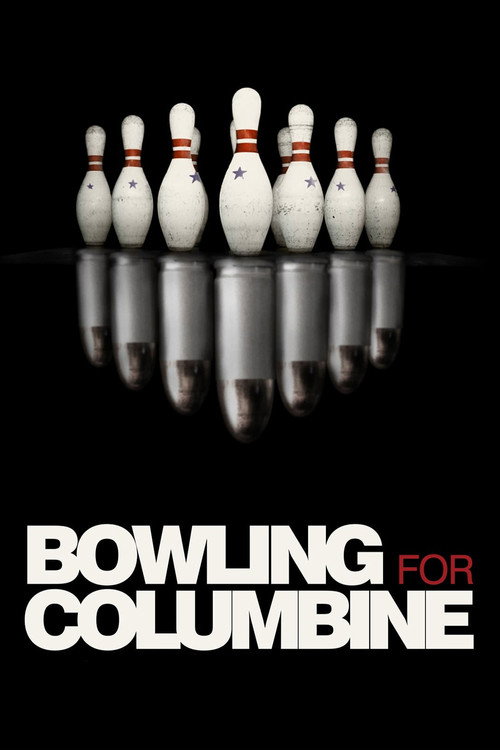
Bowling for Columbine2002
Michael Moore's documentary about American violence and mythology uses archive footage and personal investigation to interrogate national character the way Burns does—asking how we got here and what we believe about ourselves.
But Moore's style is provocative and sometimes manipulative. If you prefer documentary that stays neutral and lets evidence speak, this will feel editorializing.
The Fog of War2003
Errol Morris' portrait of Robert McNamara is a stunning interrogation of how intelligent, well-intentioned people rationalize catastrophic decisions. It shares Huey Long's fascination with power and self-justification.
But McNamara's framing of his own legacy can feel self-serving. The film doesn't fully dismantle his narrative, which bothers some viewers.

Taxicab Confessions1995
Not about Long directly, but these HBO monologues capture American voices testifying to their own lives with the same raw honesty that Burns draws from archival material. It's a different language for the same human truths.
But Very uneven in quality, and some segments are gratuitously crude rather than illuminating. Cherry-picking is necessary.
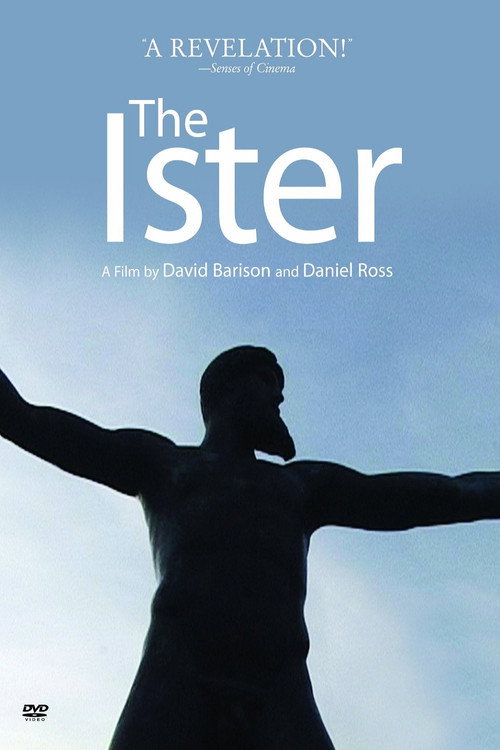
The Ister2004
Both are investigations into how a place—its history, its people, its economic desperation—breeds a certain kind of politics. Long rose because Louisiana was, and is, vulnerable in specific ways.
A philosophical documentary following the Danube—a river, not a biography, yet it's a meditation on ideology, nationalism, and how geography shapes political consciousness. Shot in Burns' tradition but radically different in approach. Hypnotic and strange.
But It's genuinely difficult. No conventional narrative, no clear thesis, and some sections feel almost like experimental art rather than documentary. Demands active intellectual engagement.
The Godfather Part II1974
Both explore the moral cost of charisma: how a man rises by seeming to understand the powerless, and what happens when power becomes its own reward.
Coppola's parallel narrative of a crime boss's rise and his father's fall is structured identically to Burns' documentary—archive and recollection building a portrait of ambition corrupting power. Vito Corleone and Huey Long are distant cousins: charismatic men who use other people's needs as a ladder.
But It's nearly four hours, and the generational structure can feel distant or cold. Some viewers prefer the original film's tighter focus and warmer embrace of its protagonist.
People
Cast
 David McCulloughNarrator (voice)
- Huey P. LongHuey Long (archive footage)
Directing
- Ken BurnsDirector
Writing
- Geoffrey C. WardWriter
Production
- Ken BurnsProducer
- Richard KilbergProducer