
Film
Bowling for Columbine
Michael Moore's Oscar-winning provocation turns the Columbine massacre into a sprawling interrogation of American gun culture, fear, and media complicity. Part investigative journalism, part satire, part ambush interview, it stages stunts (K-Mart, Charlton Heston) alongside genuinely upsetting archival footage. Loose, angry, funny, and manipulative in equal measure — essay filmmaking as blunt instrument, for anyone who wants their assumptions confronted rather than confirmed.
If you liked this
Fahrenheit 9/112004
Moore turns the same interrogative fury on the Bush administration and the Iraq War, sharpening his ambush style into something angrier and more explicitly partisan. It's his voice at full volume.
But The politics are blunt and unmissable — if Moore's method bothered you here, this doubles down on it.

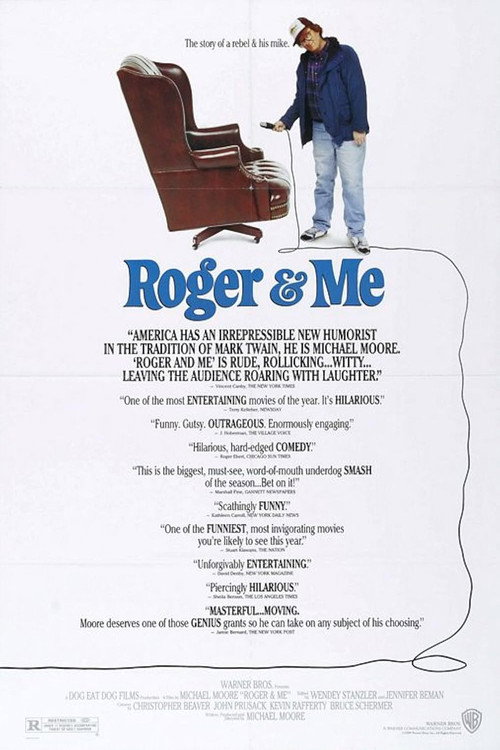
Roger & Me1989
The film that invented Moore's whole playbook — deadpan narration, ambush interviews, corporate villains dodging cameras — aimed at GM's abandonment of Flint, Michigan. Rougher and more personal than anything he made after.
But Low-budget and scrappy by design; some of the humor has aged into something closer to cringe.
Super Size Me2004
Morgan Spurlock borrows Moore's stunt-journalism structure — a personal experiment used to indict an entire industry — and applies it to fast food with similarly gut-punch results.
But The central gimmick is now so familiar it can feel thin, and some of its science has been challenged since release.

The wildcard
Something you would not have found on your own.
The Elephant Man1980
Gus Van Sant's fictional response to Columbine strips away every argument Moore makes — no politics, no interviews, no jokes — and just follows kids through an ordinary school day that turns into a massacre, in real time.
The same subject with none of the analysis: a slow, dread-soaked, nearly wordless film that lets you feel the horror Moore explains rather than argues. Won the Palme d'Or for a reason.
But Deliberately alienating and slow — it withholds motive and meaning almost as a point, which can feel maddening after Moore's constant explaining.
More like this (8)
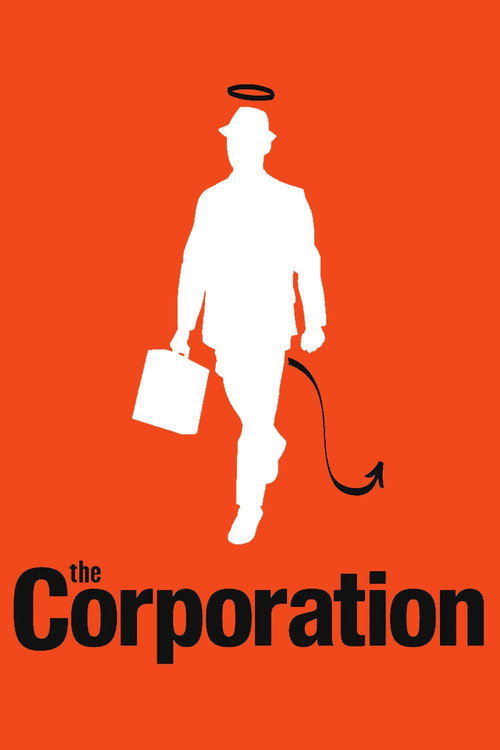
The Corporation2003
A dense, talking-heads assault on the idea of corporate personhood, stacked with the same kind of damning archival footage and blunt argument that powers Columbine's best stretches.
But Nearly three hours long and packed with theory — this asks for more patience than Moore ever does.
Sicko2007no page yet
Moore aims his method at the American healthcare system, and it's arguably his most emotionally direct film — less pranks, more sustained, furious empathy for people the system failed.
But The stunts, like busing sick Americans to Cuba, can feel more calculated than the outrage they're meant to serve.
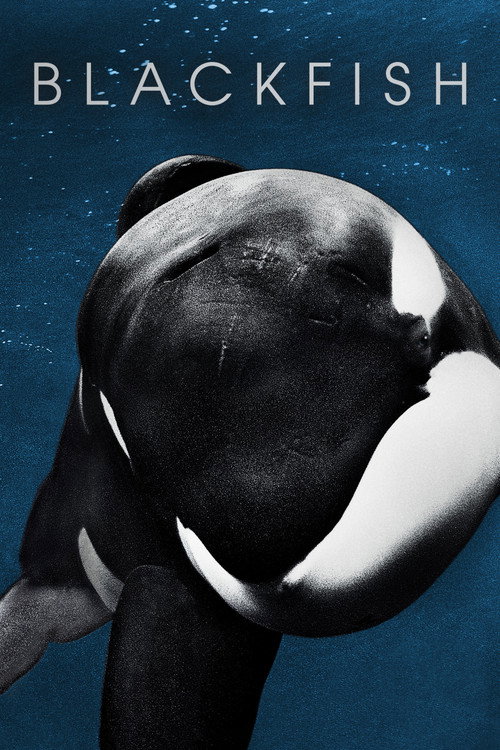
Blackfish2013
A tightly built advocacy documentary that turns a single subject — captive orcas at SeaWorld — into a devastating indictment of an entire industry, with the same power to actually change policy that Columbine had.
But Narrower and more straightforwardly emotionally manipulative, with none of Moore's wit or self-implication.
An Inconvenient Truth2006no page yet
Al Gore's slideshow-as-crusade proved a documentary could move a national conversation the way Columbine did — persuasion as entertainment, urgency as structure.
But It's a lecture, essentially, with none of Moore's mischief or confrontational stunts — informative rather than gripping.
Capitalism: A Love Story2009no page yet
Moore's last great full-throated broadside, turning his eye on the 2008 financial crash with the same mix of comedy, anger and populist grief that made Columbine land.
But By this point the formula is familiar, and some critics found the argument thinner than his earlier work.
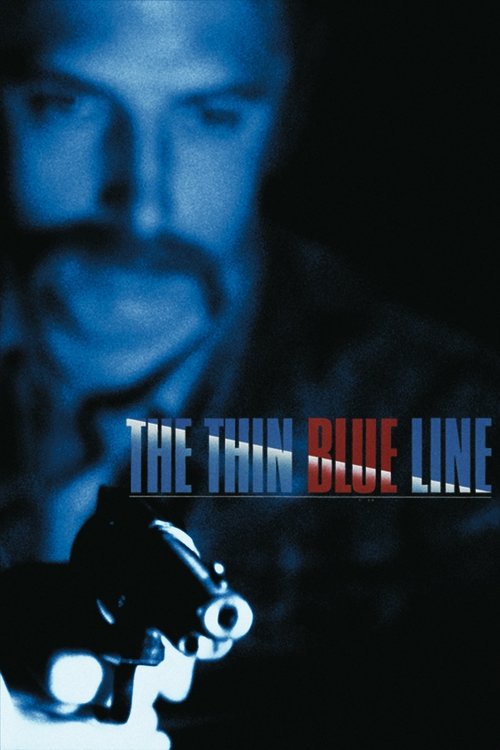
The Thin Blue Line1988
Errol Morris invented a different kind of investigative documentary — cool, formal, obsessive — that helped free a wrongly convicted man. A masterclass in an opposite approach to the same territory of American violence and injustice.
But No humor, no stunts, no narration by the director — a much quieter, colder film than Moore's.
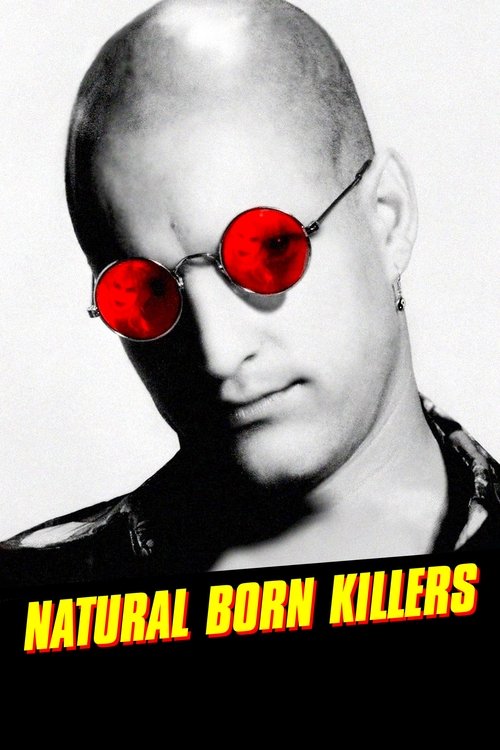
Natural Born Killers1994
Oliver Stone's satire indicts the same media machine Moore blames for glamorizing violence — but makes the case through lurid, hallucinatory fiction and excess rather than documentary evidence.
A garish, MTV-cut satire about killer-celebrities and the news media that made them famous — the fictional, turned-up-to-eleven cousin of Columbine's media-complicity argument.
But Deliberately ugly, disorienting, and over-the-top; it can feel more like an assault than an argument.
CBS Reports: Harvest of Shame1960no page yet
Edward R. Murrow's CBS broadcast, aired the day after Thanksgiving, used the same tool Moore does decades later — mainstream television turned against its own audience's comfort — to indict America's treatment of migrant farmworkers.
The blueprint for angry, moralizing broadcast journalism, decades before Moore: a newsman using the establishment's own airwaves to shame the nation watching it.
But Black-and-white 1960s TV pacing and no music or stunts — this asks you to sit with plain, old-fashioned outrage.
People
Cast
 Michael MooreSelf
 George W. BushSelf
 Charlton HestonSelf - NRA President
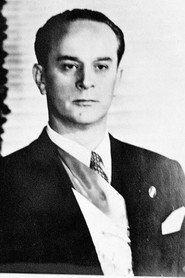 Jacobo ÁrbenzSelf - President of Guatemala
 Mike BradleySelf - Mayor of Sarnia, Ontario, Canada
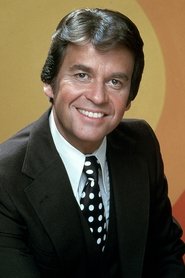 Dick ClarkSelf
- Arthur A. BuschSelf - County Prosecutor: Flint, Michigan
- Michael CaldwellSelf - Police Detective
- Richard CastaldoSelf - Columbine Victim
 Bill ClintonSelf
- Steve DavisSelf - Deputy Sheriff
Directing
- Michael MooreDirector
Writing
- Michael MooreWriter
Production
- Kurt EngfehrCo-Producer
- Wolfram TichyExecutive Producer
- Siobhan OldhamLine Producer
- Charles BishopProducer
- Jim CzarneckiProducer
- Kathleen GlynnProducer
- Michael DonovanProducer
- Michael MooreProducer
- Tia LessinSupervising Producer