
Film
Paper Clips
In 1998, a middle school in rural Tennessee set out to collect six million paper clips—one for each Holocaust victim. What began as a history lesson became something stranger and more moving: a small town's unexpected reckoning with atrocity, identity, and what it means to bear witness. This is a documentary about children, community, and the power of a single, beautiful idea.
Should you watch it?
Watch it if you are drawn to documentaries about ordinary people who turn a modest, slightly awkward idea into something that grows far larger than anyone planned, and you don't mind a gentle, observational pace.
Skip it if you want a film that confronts the machinery of the Holocaust head-on, since this one mostly stays in a schoolroom with earnest children.
What it asks of you: At about eighty minutes it is short and unhurried, asking for patience with plain talk and slow accumulation rather than sharp editing or dramatic turns.
Not sure? Find tonight's pick in a minute.
If you liked this
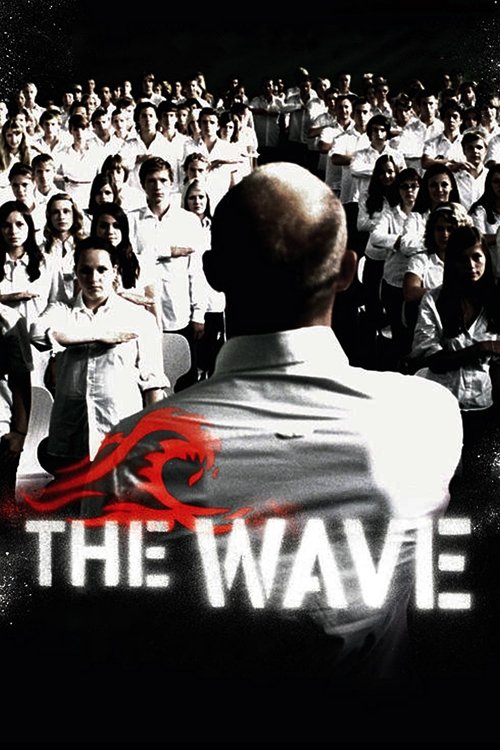
The Wave2008
A German drama about a teacher who recreates a 1960s social experiment to show students how fascism takes hold. Tense, urgent, and deeply uncomfortable—it asks the same questions about complicity and group psychology that Paper Clips explores.
But It's deliberately heavy-handed and allegorical. Some find the pacing slow and the message overstated.
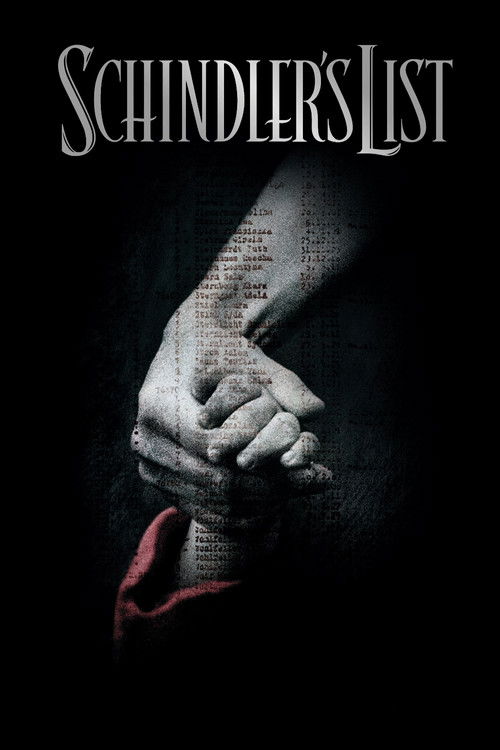
Schindler's List1993
Spielberg's unflinching account of the Holocaust and one man's choice to act. It's the monumental film on this subject—technically masterful and morally uncompromising. Essential viewing that never becomes easier to watch.
But It's three hours of documented horror. The graphic violence and despair are intentional and unrelenting.
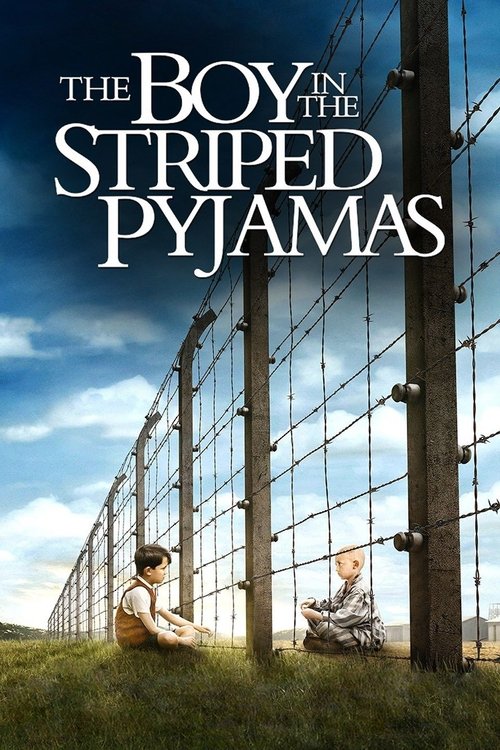
The Boy in the Striped Pyjamas2008
Told through a child's perspective, this film captures innocence confronting evil without flinching. It's intimate where other Holocaust films are panoramic, and devastatingly effective for that reason.
But Some find the child narrator's naivety manipulative. The ending will wreck you, which isn't everyone's idea of a good evening.
Not sure tonight? Get a pick in a minute, starting from Paper Clips
The wildcard
Something you would not have found on your own.
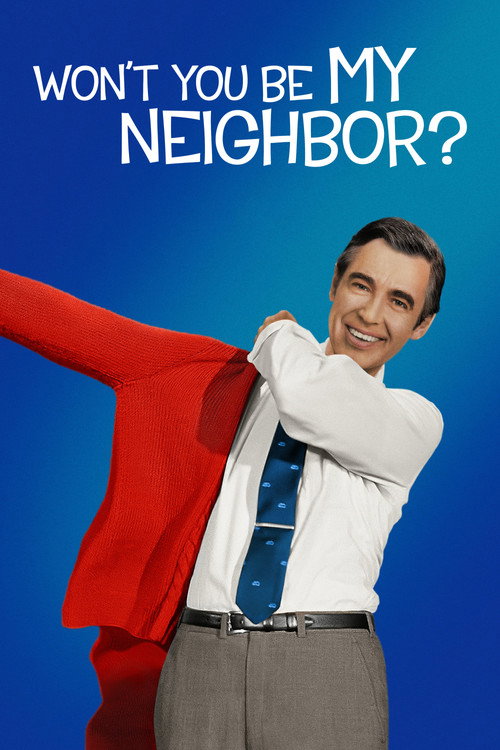
Won't You Be My Neighbor?2018
Both are stories about educators choosing to meet children where they are and trust them with difficult truths. Both believe that imagination and empathy, not lectures, change how young people understand the world.
A documentary about Mr. Rogers' radical commitment to gentle education and reaching children about hard subjects. It's warm and funny and quietly devastating. It shares Paper Clips' faith in small gestures as genuine catalysts for understanding.
But If you're cynical about earnestness, this will feel saccharine. It's unapologetically sentimental about the power of kindness.
More like this (7)
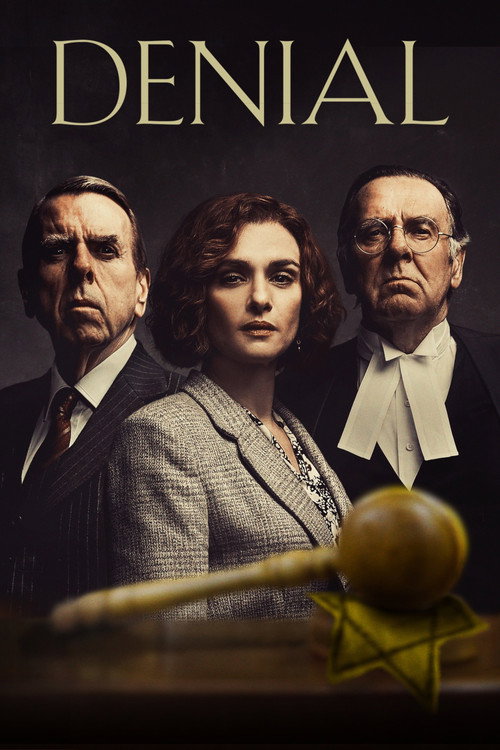
Denial2016
Rachel Weisz plays a historian fighting a Holocaust denier in court. It's smart, surprising, and urgently relevant—about the battle to keep truth alive against those determined to erase it.
But It's more intellectual courtroom drama than visceral history. Lacks the emotional weight some expect from Holocaust narratives.
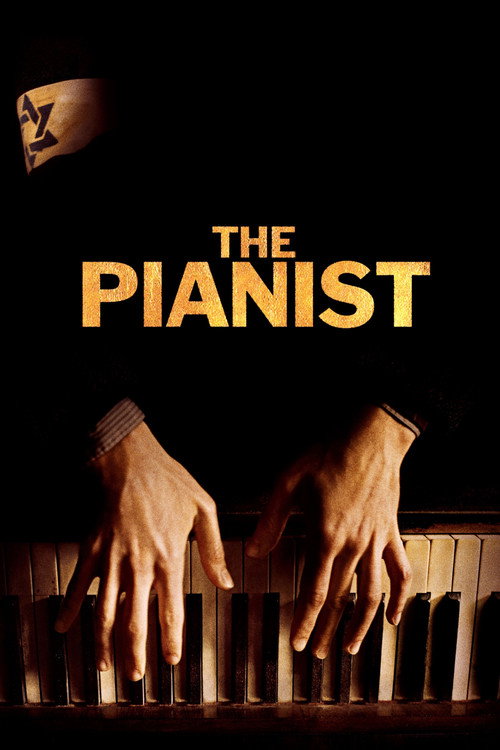
The Pianist2002
Polanski's sparse, brutal account of a Jewish pianist's survival. It's the opposite of sentiment—stripped down and almost detached, which somehow makes it more powerful. Adrien Brody is extraordinary.
But The detachment some admire others find cold. It's relentless without catharsis, which leaves some audiences feeling emptied rather than moved.
Night and Fog1956
Alain Resnais's 32-minute essay is the most important Holocaust film ever made. It moves between colour and black-and-white, present and past, to ask what we owe to memory. Haunting and essential.
But At 32 minutes it's dense and meditative, not narrative. Some find the oblique approach frustrating rather than profound.
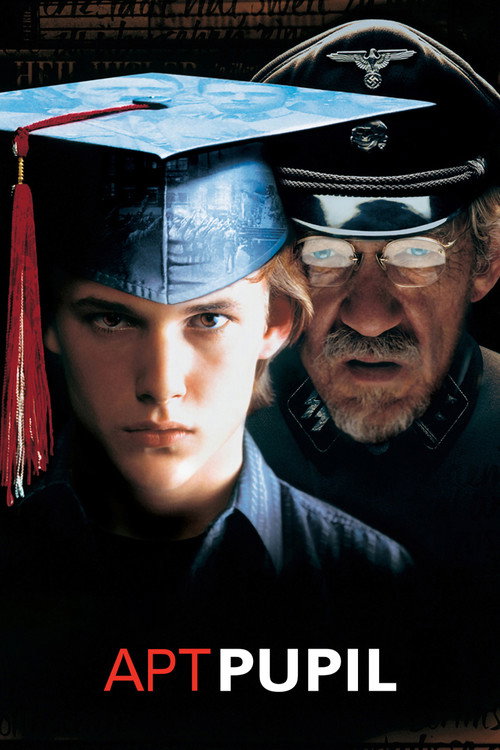
Apt Pupil1998
Stephen King adaptation about a student who discovers his neighbour was a Nazi camp commandant. It's a psychological thriller that asks uncomfortable questions about fascination, power, and the corruption of innocence.
But The relationship between the two leads is exploitative by design. Some find it gratuitously dark without earning its darkness.
Come and See1985
A Soviet film following a boy through WWII combat. It's brutal, hallucinogenic, and unlike anything else—not a Holocaust film exactly, but the most devastating portrait of war's impact on innocence ever made.
But It's punishingly hard to watch. The violence and suffering are graphic and unmediated. This is not entertainment.

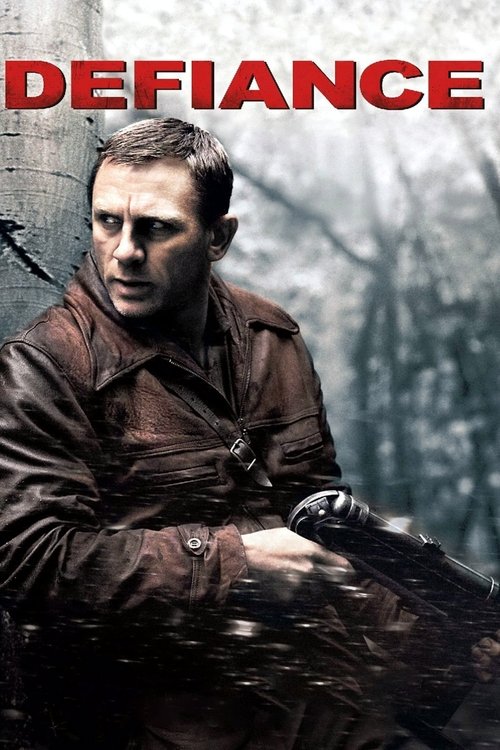
Defiance2008
Daniel Craig and Liev Schreiber as Jewish brothers leading a guerrilla resistance in the forest. It's more action-oriented than other Holocaust films, offering a story of agency and survival rather than victimhood.
But The action-film approach troubles some who see it as sanitizing atrocity. It's less morally complex than it wants to be.
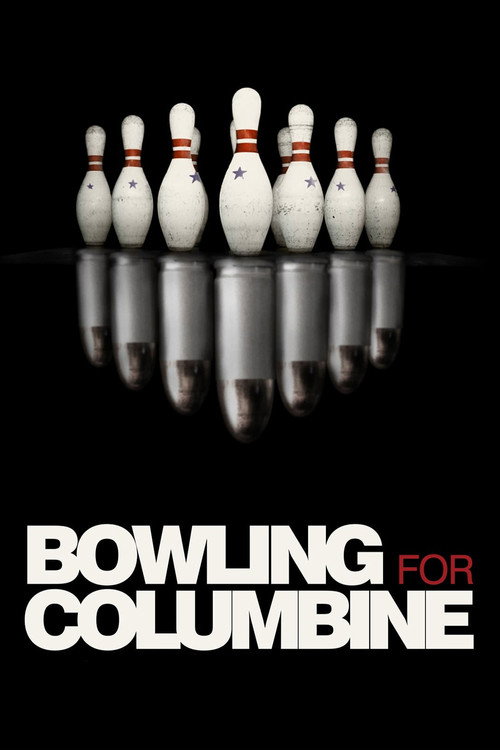
Bowling for Columbine2002
Both use a documentary hook (six million clips, gun violence statistics) to explore something deeper: how does a place understand itself through collective action? What does it mean to bear witness to American identity?
Michael Moore's documentary about American gun violence and the communities shaped by it. It's infuriating and darkly comic and urgent. Like Paper Clips, it uses a specific American moment to ask larger questions about who we are as a culture.
But Moore's provocative style is polarizing. If you find his rhetoric manipulative, this will feel like agitprop rather than investigation.
People
Directing
- Elliot BerlinDirector
- Joe FabDirector
Writing
- Joe FabWriter
Production
- Bob WeinsteinExecutive Producer
- Harvey WeinsteinExecutive Producer
- Ari Daniel PinchotProducer
- Joe FabProducer