
Film
The Wave
A German teacher sets out to prove, in one experimental week, that fascism could never take root in modern Germany — and instead builds it from scratch in his own classroom. What starts as uniforms and a salute curdles into something genuinely frightening, fast. It's a tight, plausible, deeply unsettling thriller about how ordinary, bored teenagers become a mob, and how little it actually takes.
If you liked this
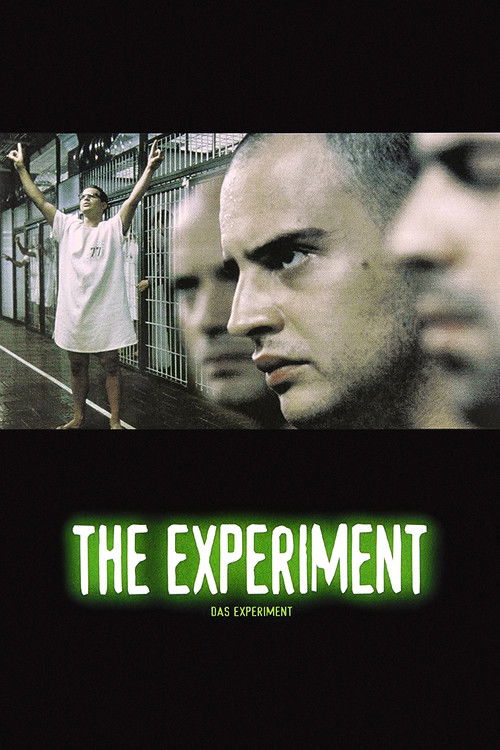
The Experiment2001
The German original this film's DNA runs closest to — a Stanford Prison Experiment recreation where 'just an exercise' collapses into real cruelty within days, with the same clinical dread.
But It's colder and more claustrophobic than The Wave, with less of the classroom camaraderie to soften the descent.
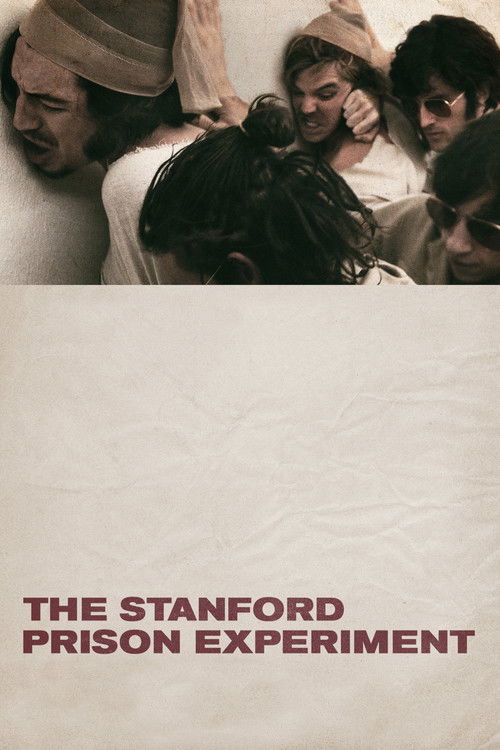
The Stanford Prison Experiment2015
The true story behind this genre — young men assigned guard and prisoner roles who lose themselves in the parts within 48 hours, watched by academics who should have stopped it sooner.
But It's talkier and more procedural than The Wave, more interested in the psychology paper than the human wreckage.
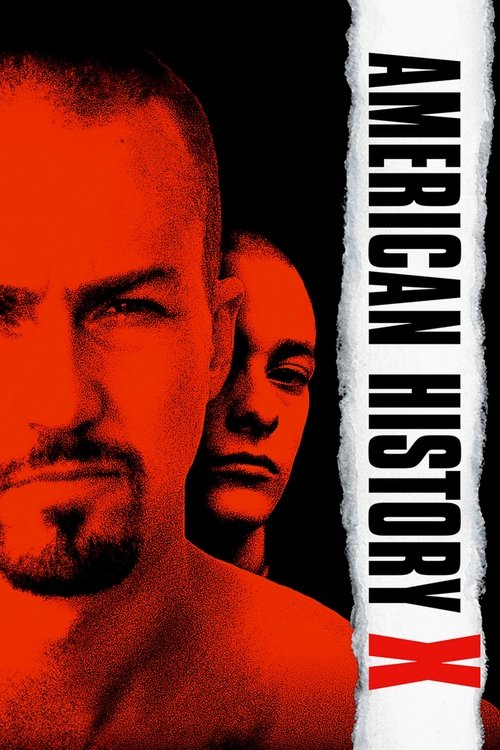
American History X1998
Shows the same radicalisation from the inside of a real neo-Nazi movement rather than a classroom simulation — how belonging and rage get mistaken for identity.
But Much harsher and more violent, with none of The Wave's slow-build innocence at the start.
The wildcard
Something you would not have found on your own.
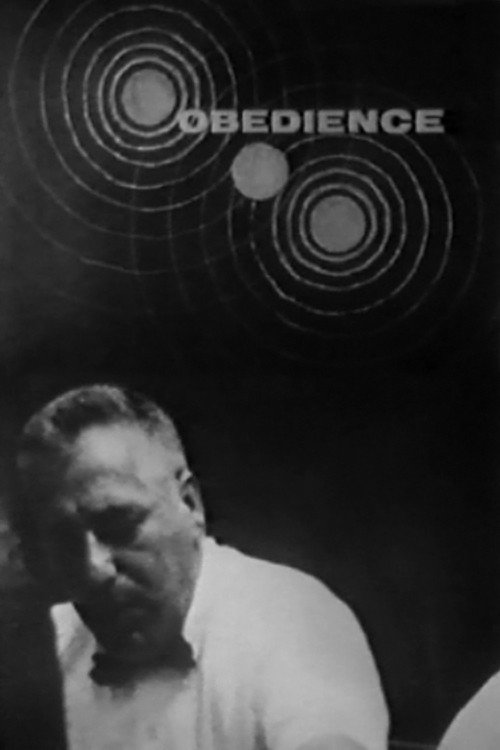
Obedience1962
This is the real, uncostumed ancestor of The Wave's premise: the same question about authority and obedience, asked flatly, without a script, decades before anyone dramatised it.
The actual Milgram experiment on film — grainy, clinical, black-and-white footage of ordinary Americans administering what they believe are real electric shocks because a man in a lab coat told them to.
But It's a 45-minute academic documentary short with no drama or plot, just footage and narration — bracing rather than entertaining.
More like this (8)
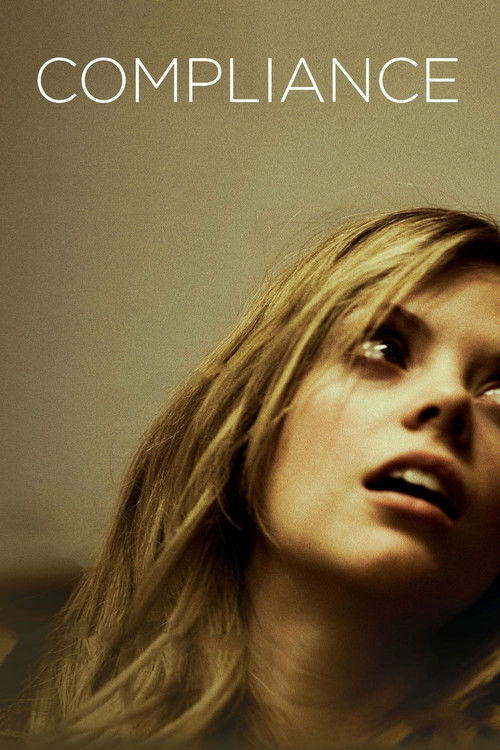
Compliance2012
A lean, agonising thriller about ordinary people obeying an authority figure into doing something monstrous — the Milgram experiment relocated to a fast-food back office.
But Small-scale and single-location; some find its premise implausible even though it's based on real events.
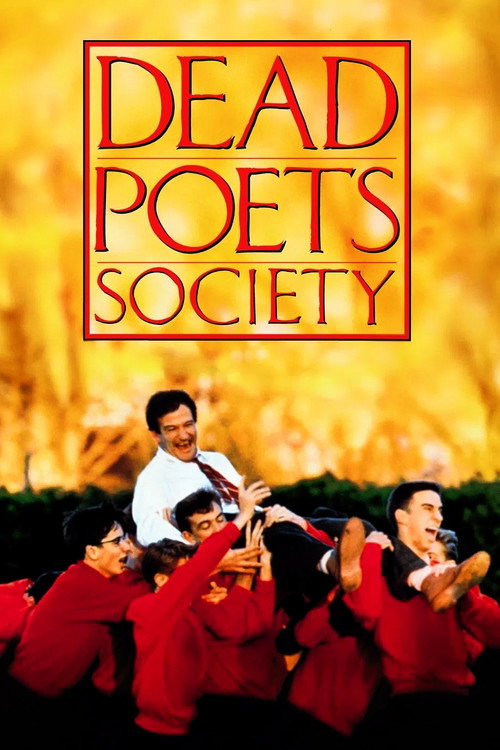
Dead Poets Society1989
The charismatic-teacher blueprint, run in reverse — inspiring students to think for themselves has its own dangerous momentum and unintended cost.
But Warmer and more sentimental; the parallel is in structure and consequence, not tone.
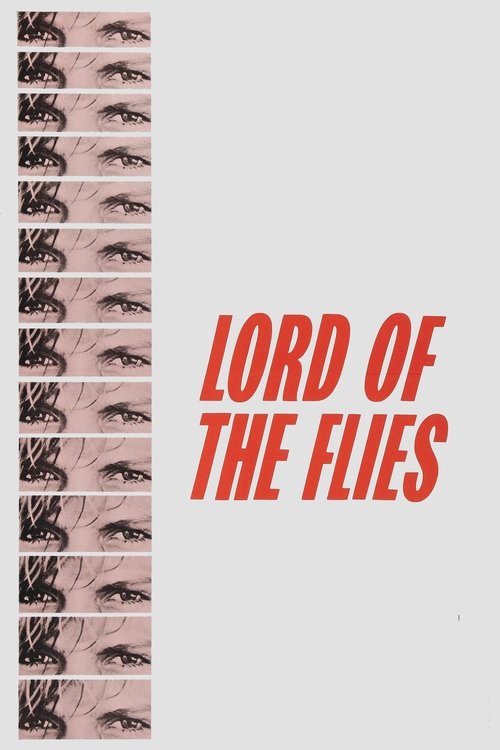
Lord of the Flies1963
Strip away the classroom and the adults and you get the same experiment in miniature — how quickly a group of kids invents hierarchy, ritual, and violence.
But No modern polish, and the black-and-white 1963 version can feel stagey next to The Wave's naturalism.
The Believer2001no page yet
A ferociously smart character study of a young man who builds an entire ideology to fill a hole in himself — the individual psychology The Wave only sketches in a crowd.
But Much more internal and talky; it's a character portrait, not a group thriller.
Detachment2011no page yet
The bleaker cousin of the charismatic-teacher story — a substitute teacher watching a broken system fail kids in real time, with nobody performing a fascist salute but everybody adrift.
But Slower, sadder, and more diffuse; it's about institutional despair rather than escalating group behaviour.
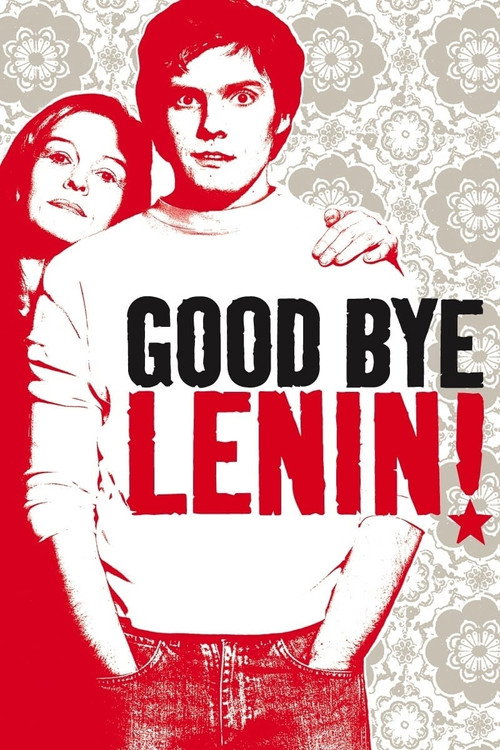
Good Bye, Lenin!2003
An adult version of the same slide — a decent, ordinary literature professor drifting into complicity with the Nazi regime one small compromise at a time.
But Much slower and more melancholic; the horror creeps rather than erupts.
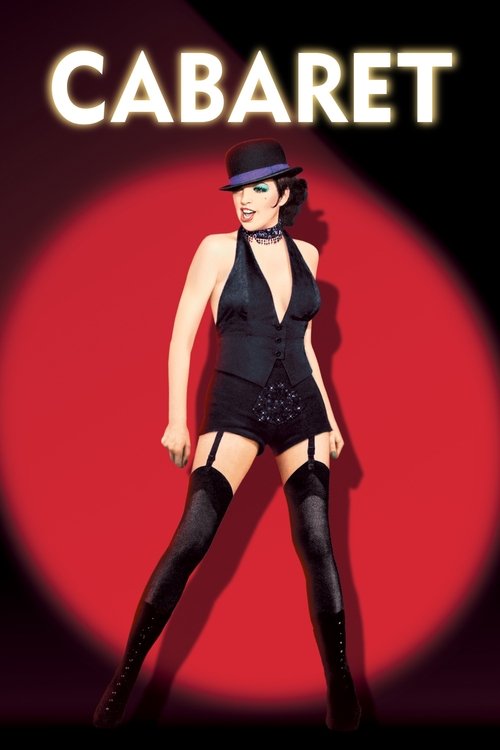
Cabaret1972
Same historical current, opposite delivery system: instead of showing you how ordinary people get swept up in a movement through peer pressure and uniforms, it shows you how good it can feel while it happens.
A dazzling, decadent musical set as the Nazi party rises in Berlin — the seduction of fascism sold through song, spectacle, and a devastatingly cheerful anthem sung by a boy in a beer garden.
But It's a musical, full stop — if the tonal whiplash of showtunes and creeping menace doesn't work for you, it will feel jarring rather than clever.
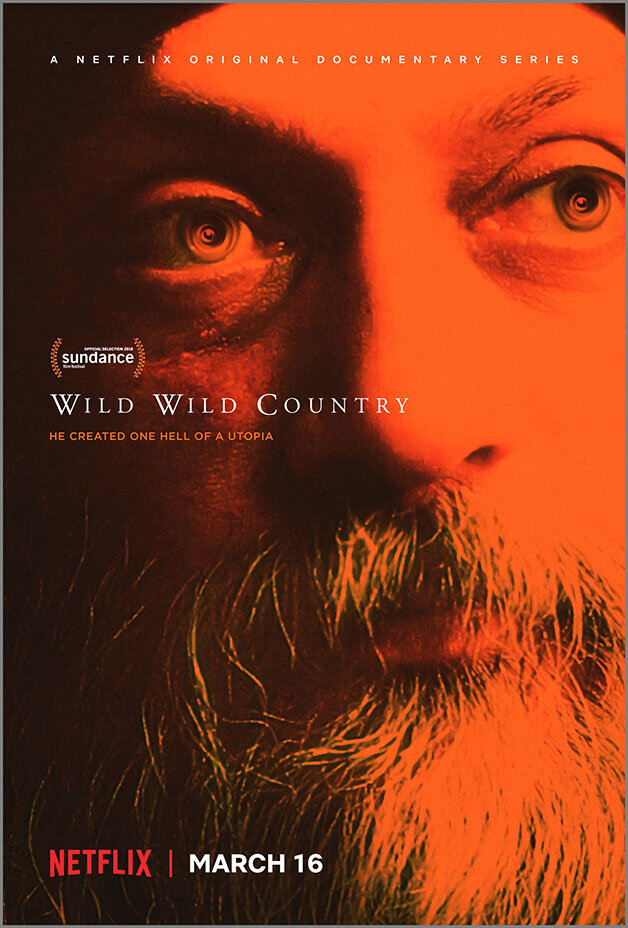
Wild Wild Country2018
Same escalation curve — belonging, charisma, us-versus-them — except this one is documented, not staged, and it didn't stop after a week.
A jaw-dropping six-part documentary about a real 1980s Oregon commune that escalated from communal living to armed standoff, built almost entirely from extraordinary archive footage.
But It's a six-hour commitment, and unlike The Wave it refuses to give you a tidy moral — you're left arguing about who the villains actually were.
People
Cast
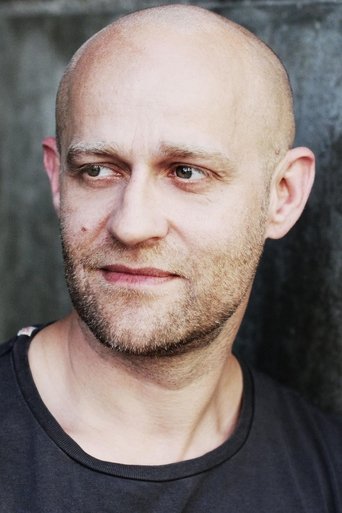 Jürgen VogelRainer Wenger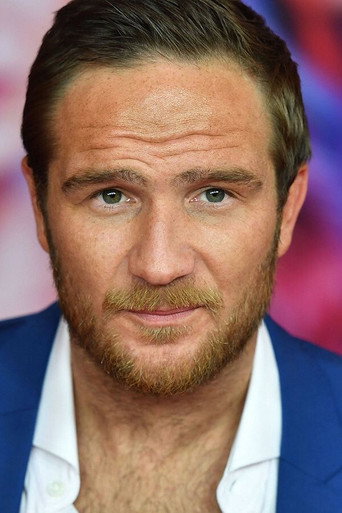
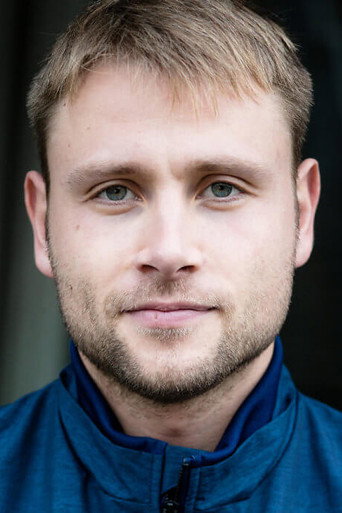 Max RiemeltMarco
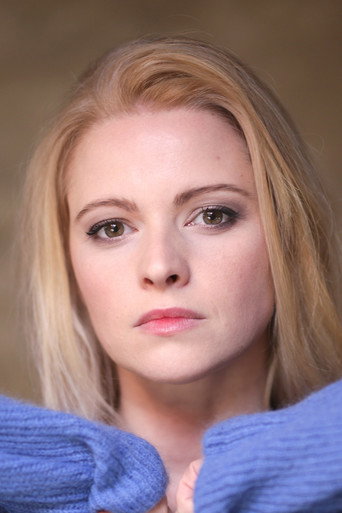 Jennifer UlrichKaro
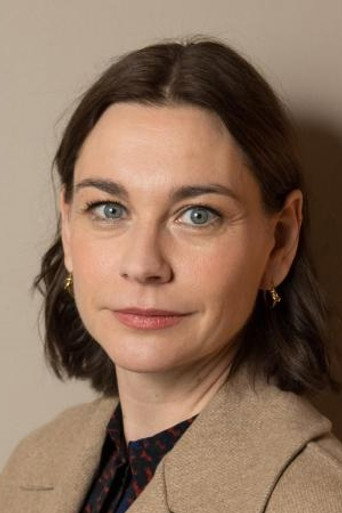 Christiane PaulAnke Wenger
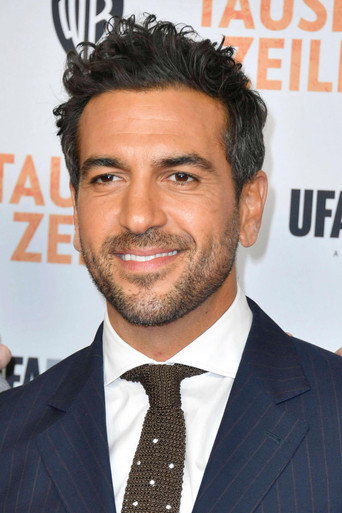 Elyas M'BarekSinan
 Cristina do RegoLisa
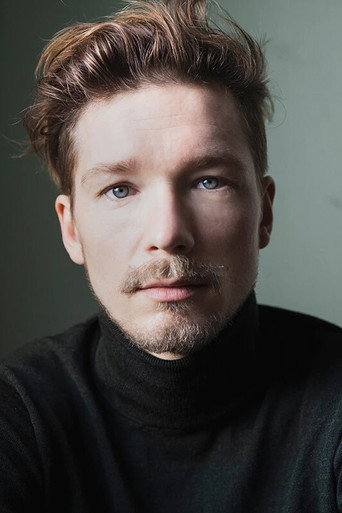 Jacob MatschenzDennis
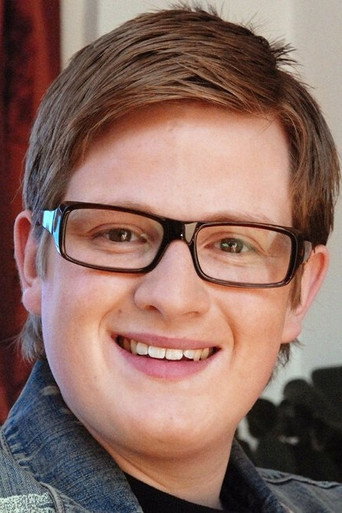 Maximilian VollmarBomber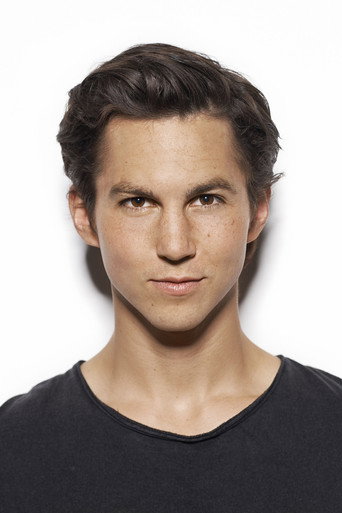
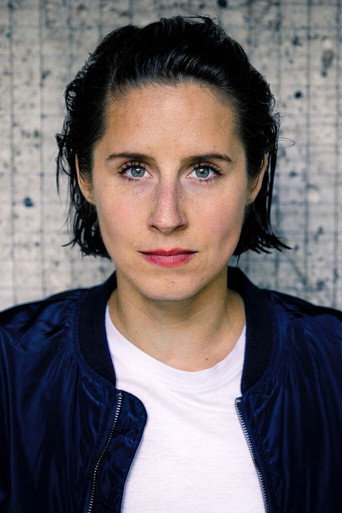 Amelie KieferMona
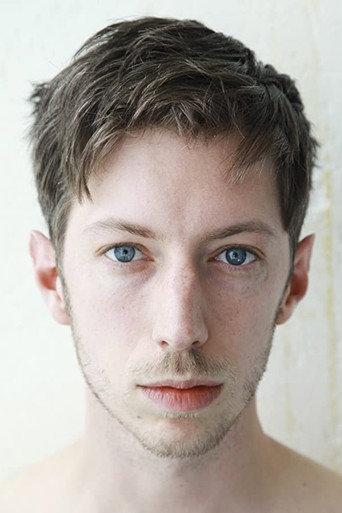 Max MauffKevin
Directing
- Jan BirkaContinuity
- Dennis GanselDirector
- Hendrik HollerFirst Assistant Director
- Hendrik HollerSecond Unit Director
Writing
- Ron JonesIdea
- Todd StrasserNovel
- Johnny DawkinsOriginal Film Writer
- Dennis GanselScreenplay
- Peter ThorwarthScreenplay
Production
- Franziska AignerCasting
- Antonio ExacoustosCo-Producer
- David GroenewoldCo-Producer
- Martin MoszkowiczCo-Producer
- Nina MaagExecutive Producer
- Christian BeckerProducer
- Ulrike FauthProduction Manager
Recommended by
Dead Poets Society, The Stanford Prison Experiment, Compliance, Going Clear: Scientology and the Prison of Belief, Standard Operating Procedure, The Mist, Obedience, Triumph of the Will, Experimenter, The Experiment, The White Ribbon, Divergent, The Plot Against America