
Film
Detachment
- Drama
- Very dark
A brutal, unflinching portrait of American high schools where a wandering substitute teacher observes the damage—systemic and personal—inflicted on students and educators alike. Detachment is bleak, intellectually rigorous, and uninterested in easy answers or redemption. It's for viewers willing to sit with discomfort and recognize themselves in its failures.
Should you watch it?
Watch it if you want a bruised, talky character study that trusts a single weary performance and doesn't tidy up its despair, the kind of film that sticks to your ribs.
Skip it if you need your school dramas uplifting or your protagonists easy to root for, since this one is heavy, fragmented and often hard to be around.
What it asks of you: Roughly ninety-eight minutes of steady attention, set in bleak corridors and cramped rooms, with long quiet stretches and voiceover you have to sit inside.
Not sure? Find tonight's pick in a minute.
If you liked this
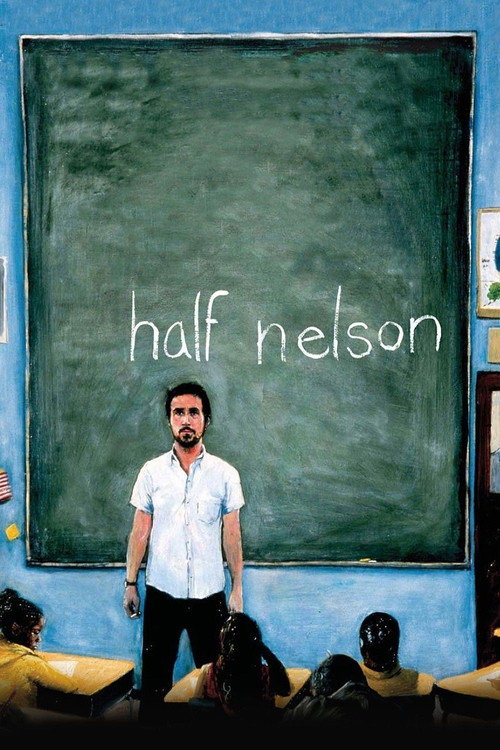
Half Nelson2006
Ryan Gosling as a idealistic teacher whose addiction and idealism collide in a struggling school. Like Detachment, it finds humanity in educators who are themselves breaking down, exploring what teachers owe their students versus themselves.
But It's slow and deliberately unglamorous, with no cathartic breakthrough or comeback narrative to hang your hope on.
Precious: Based on the Novel 'Push' by Sapphire2009
An unflinching look at institutional failure—schools, family, social services—through the eyes of a girl nobody wants to see. Shares Detachment's refusal to soften systemic cruelty or offer false comfort.
But The accumulation of trauma is relentless and at times feels punitive. There's no lightness anywhere in the frame.

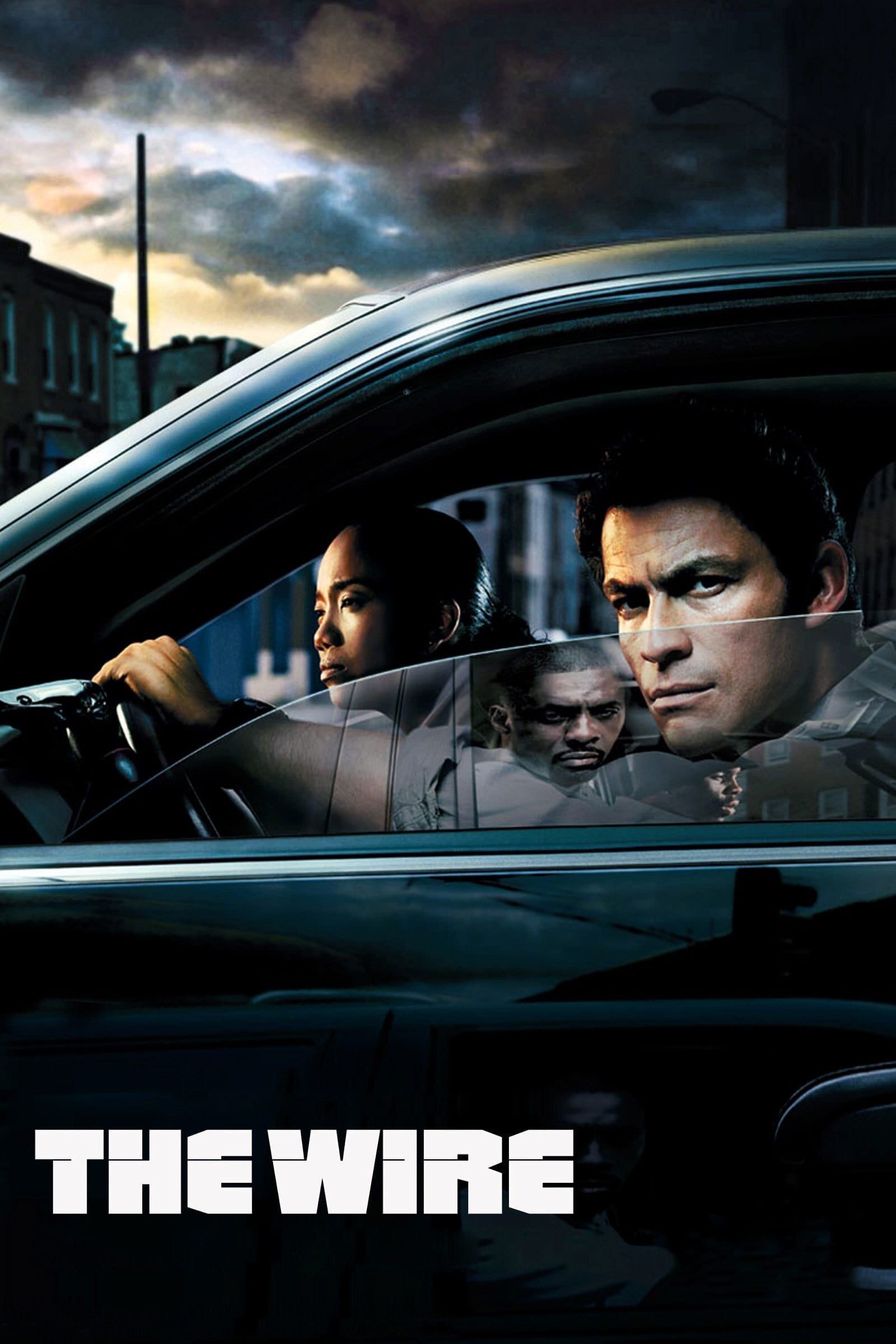
The Wire2002
A five-season anatomy of how institutions—schools included—grind down everyone inside them. If Detachment feels like three weeks, The Wire is the entire machine made visible. Bracingly intelligent about why good people fail.
But Sixty hours is a serious commitment, and the first season can feel like homework before it becomes essential.
Not sure tonight? Get a pick in a minute, starting from Detachment
The wildcard
Something you would not have found on your own.
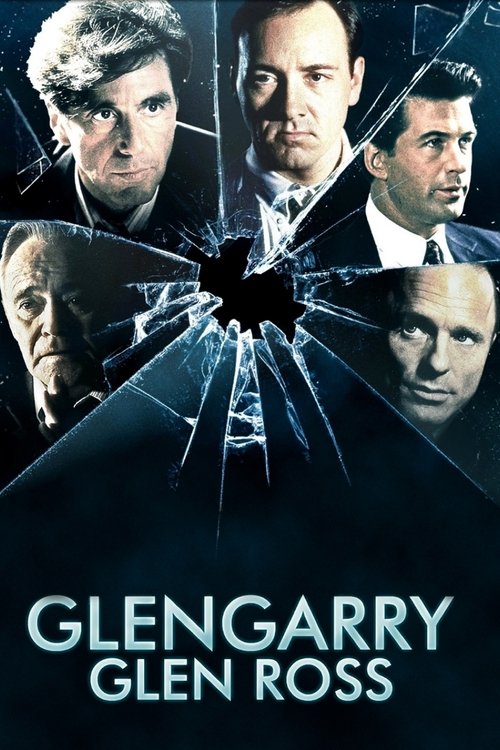
Glengarry Glen Ross1992
Both are architectural studies of institutions as machines that grind down the people inside them, told with surgical detachment and no narrative escape routes.
Mamet's adaptation of his play about men failing within a sales institution. Like Detachment, it's a locked-room dissection of how systems dehumanize people and create desperation. Both are classroom dramas without redemption.
But It's all male energy and toxic language; some find the repetition claustrophobic rather than illuminating.
More like this (8)
Spotlight2015
Methodical, ensemble-driven, focused on institutional cover-ups and the people who expose them. Both films treat their institutions as characters and ask what structures enable harm.
But It's a procedural that prizes documentation over drama, which some find glacial rather than gripping.

American Beauty1999
A film about suburban institutions—family, marriage, schools—rotting from within, observed by an outsider watching everyone else's secrets. Same DNA of alienation and voyeurism.
But It's aged poorly in some ways, and its nihilism can feel performative compared to Detachment's steady gaze.

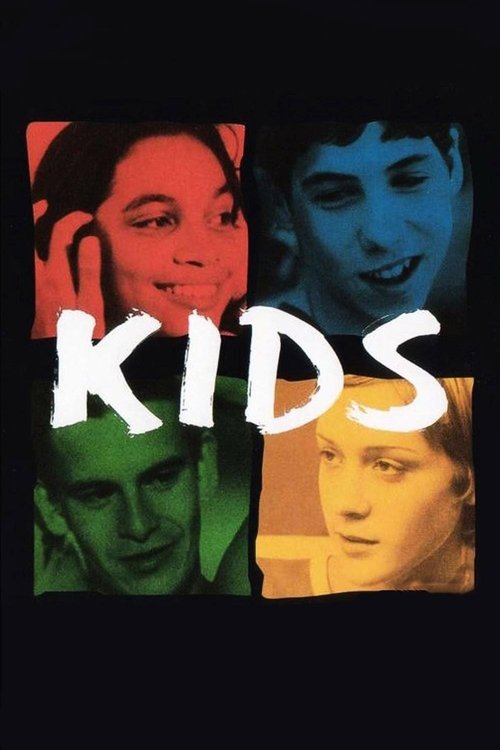
Kids1995
A no-filter chronicle of teenage lives unfolding in New York schools and streets, where adults are absent and consequences are real. Both refuse sentimentality about youth.
But It's deliberately provocative and often gross; some viewers find the exploitation undercuts the critique.
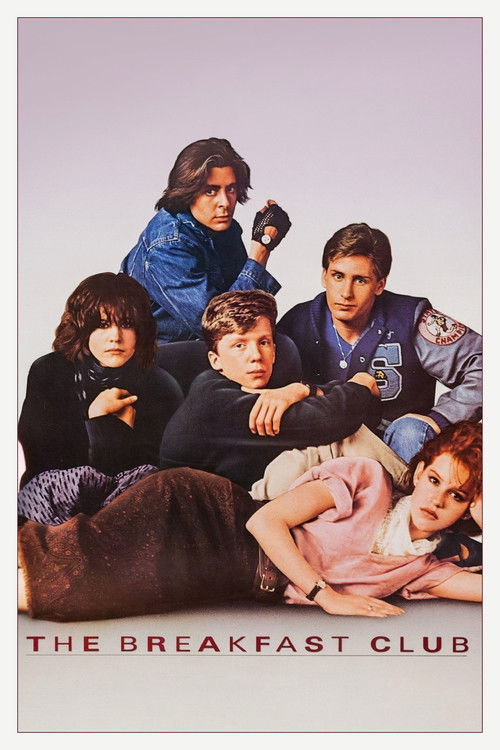
The Breakfast Club1985
High school as a crucible where institutions (detention, class systems, parental expectations) are interrogated by the students trapped in them. A gentler film, but thematically aligned.
But Its optimism about transcending class feels naive after watching something as acerbic as Detachment.
Moonlight2016
Three chapters of a young man's life shaped by institutions that fail him—schools, families, streets—told with poetic precision. Both films understand that systems mark you whether you stay or move on.
But It's elusive rather than explicit; the grief is quiet, which some interpret as slowness.

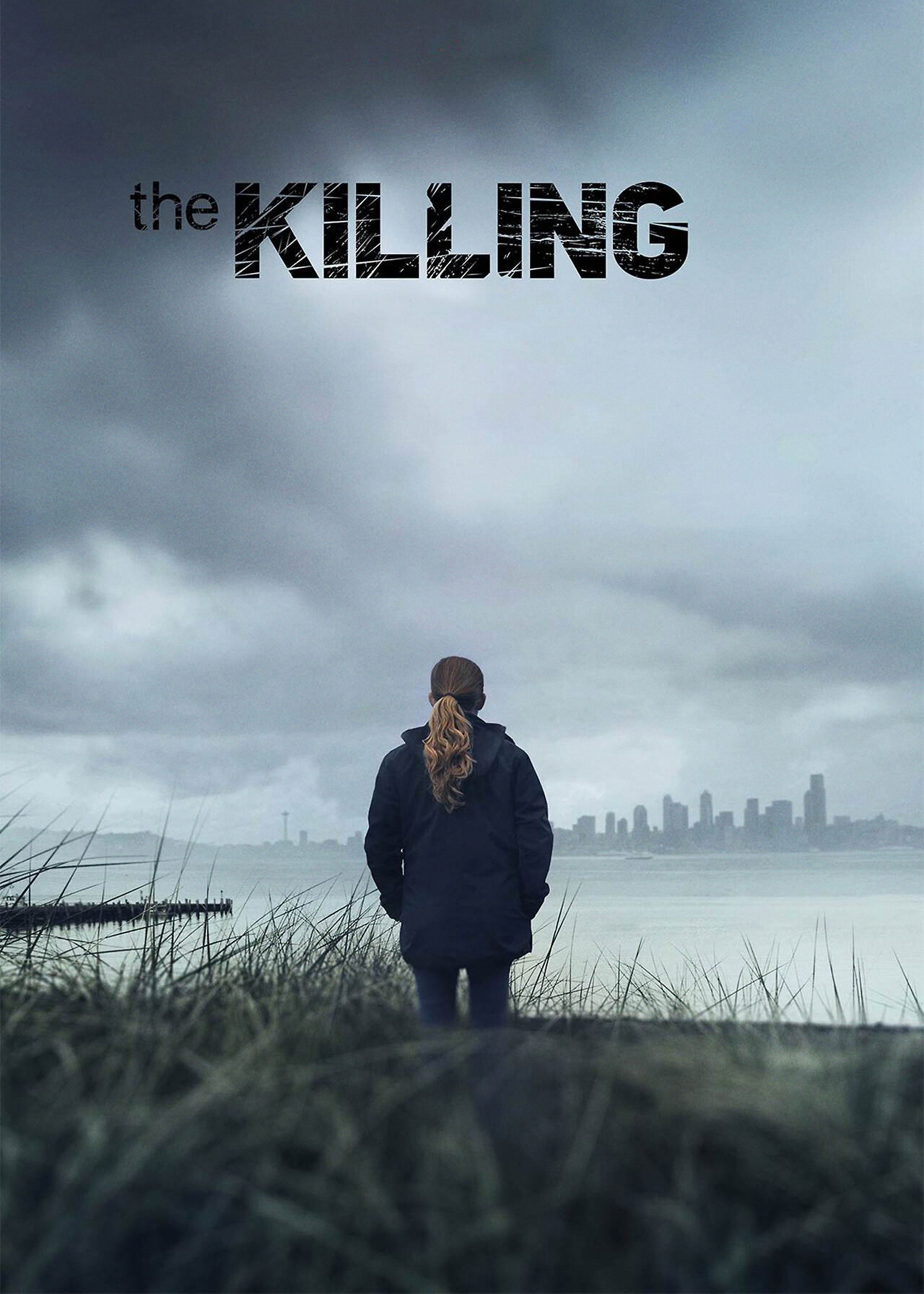
The Killing2011
Institutional dysfunction in a police department mirrors the systemic rot of schools. Slow, methodical, interested in how people become complicit in broken systems.
But It's grim and procedurally dense; if you want forward momentum, this will frustrate you.
La Haine1995
Both are sociological essays disguised as fiction, using an outsider's eye to reveal how institutions fail specific people. Both refuse catharsis.
A black-and-white French film about three young men in a housing project, one day that leads nowhere, observed with the same sociological precision as Detachment. It diagnoses systemic exclusion without flinching.
But It's in French with subtitles, shot in a stylized monochrome, and deliberately circular in structure—none of which make it easy.

Synecdoche, New York2008
Both center on intelligent, isolated men moving through institutional spaces (school, theater) who choose distance as a survival strategy, only to discover it's a slow form of suffocation.
Kaufman's baroque, exhausting film about a theater director unable to connect with the people around him—much like Henry's detachment, but inverted and overwhelming. Both explore what happens when the observer becomes unable to stop observing.
But It's deliberately baroque and digressive; the narrative spirals rather than resolves, and the sheer length of Kaufman's sentences can feel like punishment.

People
Cast
 Adrien BrodyHenry Barthes
 Marcia Gay HardenPrincipal Carol Dearden
 James CaanMr. Charles Seaboldt
 Christina HendricksMs. Sarah Madison
 Lucy LiuDr. Doris Parker
 Blythe DannerMs. Perkins
 Tim Blake NelsonMr. Wiatt
 William L. PetersenMr. 'Sarge' Kepler
 Bryan CranstonMr. Dearden
 Sami GayleErica
 Betty KayeMeredith
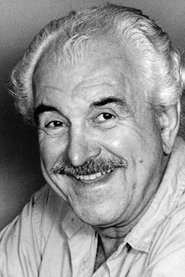 Louis ZorichGrampa
Directing
- Tony KayeDirector
- Charlie FosterFirst Assistant Director
- Stacy RoweScript Supervisor
- Brian KenyonSecond Assistant Director
- Greg StaleySecond Second Assistant Director
Writing
- Carl LundWriter
Production
- Beth MelskyCasting
- Jessica KellyCasting
- Suzanne Smith CrowleyCasting
- Laura RichardCasting Associate
- Adrien BrodyExecutive Producer
- Austin StarkProducer
- Benji KohnProducer
- Bingo GubelmannProducer
- Carl LundProducer
- Chris PapavasiliouProducer
- Greg ShapiroProducer
- Michael SleddUnit Production Manager
Recommended by
The Wave, The Class, Terrace House: Boys × Girls Next Door, Monsieur Lazhar, Eternal, Cyberbully, One of Us Is Lying, Iktsuarpok