
Film
Welcome to Leith
A documentary thriller about a real-estate scheme that went terribly wrong. In 2012, a white supremacist quietly bought property in tiny Leith, North Dakota, with plans to turn it into a haven for his ideology. What follows is a portrait of ordinary people forced into an extraordinary confrontation, and how a community fights back. Tense, intimate, genuinely unsettling.
If you liked this
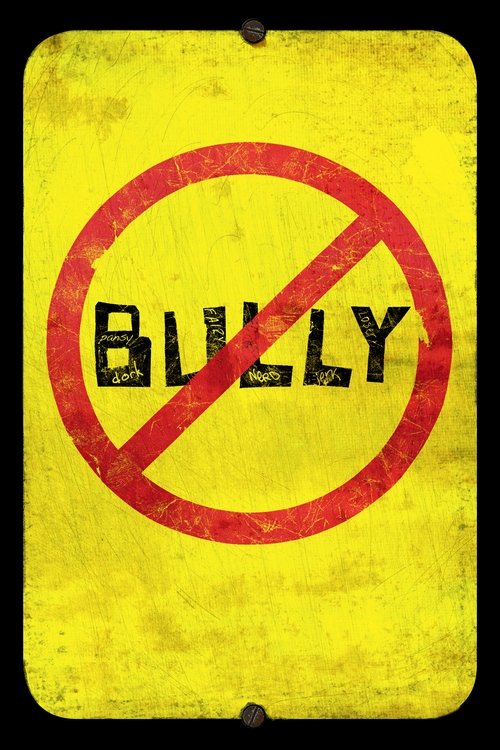
Bully2011
A documentary about systemic bullying in schools that finds real drama in ordinary lives. Like Leith, it follows a conflict unfolding in real time, with mounting dread and no clear resolution in sight.
But It's heartbreaking and sometimes feels exploitative of the children featured. The filmmaking can feel didactic rather than investigative.
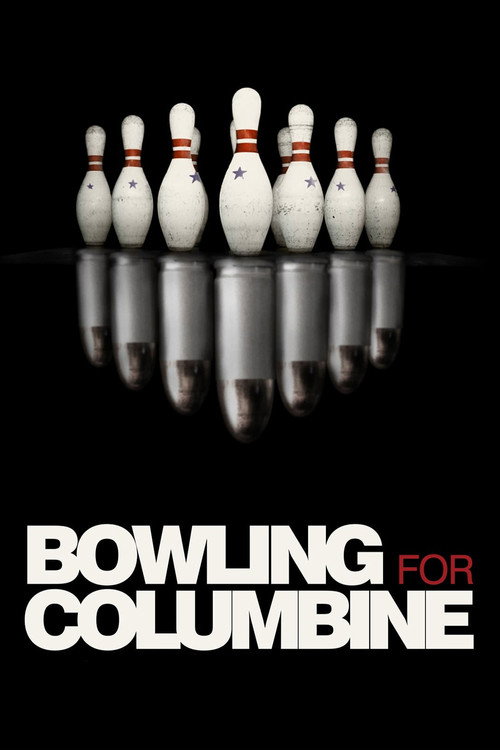
Bowling for Columbine2002
Michael Moore's investigation into American gun culture and violence. Sharp, angry, and structured as an unfolding mystery. It shares Leith's interest in how ideology takes root in communities and how people respond.
But Moore's style is provocative and sometimes mocks his subjects rather than understanding them. The scope is so broad it can feel scattered.
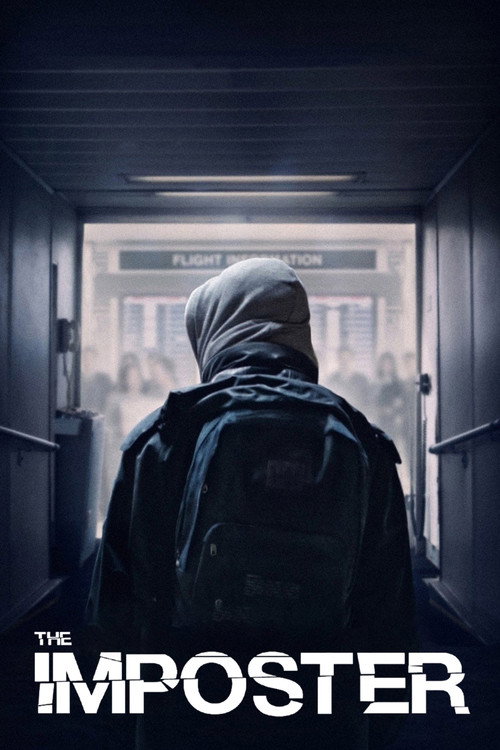
The Imposter2012
A stranger inserts himself into a family's life, and the documentary gradually reveals what's really happening. Like Leith, it's a taut, methodical investigation of deception and the damage it causes.
But The subject is manipulative and unsympathetic. If you want to understand what motivated him, you'll be disappointed.
Not sure tonight? Get a pick in a minute, starting from Welcome to Leith
The wildcard
Something you would not have found on your own.
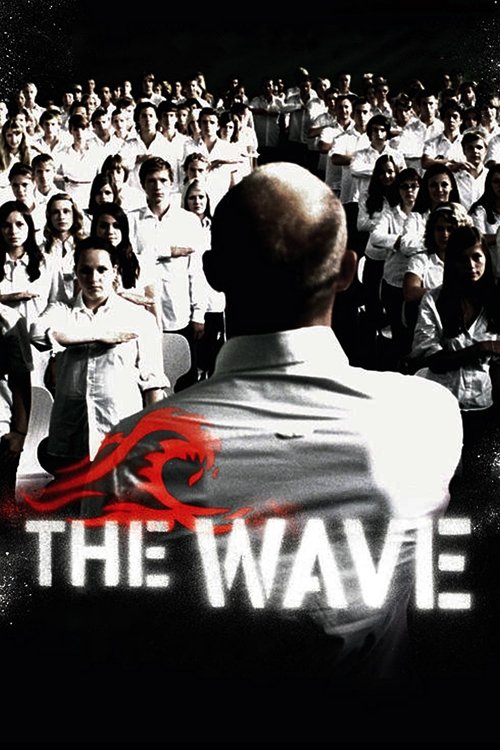
The Wave2008
Both explore how ordinary people adopt radical ideology when presented with clear enemies and a sense of belonging. Both show ideology as contagious, not inevitable.
A German film about a high school teacher who creates an authoritarian experiment to show students how fascism takes root. Like Leith, it's about ideology spreading through a community in real time, and it's absolutely gripping.
But It's more of a dramatized thought experiment than a documentary. If you want real events, this fictionalized version may feel too neat or didactic.
More like this (8)
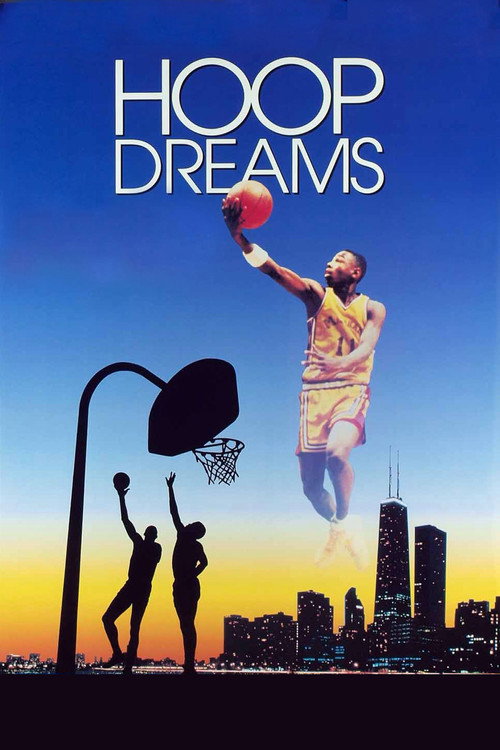
Hoop Dreams1994
A five-year documentary following two basketball players. It shares Leith's commitment to time and specificity, building tension through the accumulation of small moments and decisions.
But It's nearly three hours long and requires patience. Basketball knowledge helps but isn't necessary; the sport is almost secondary.
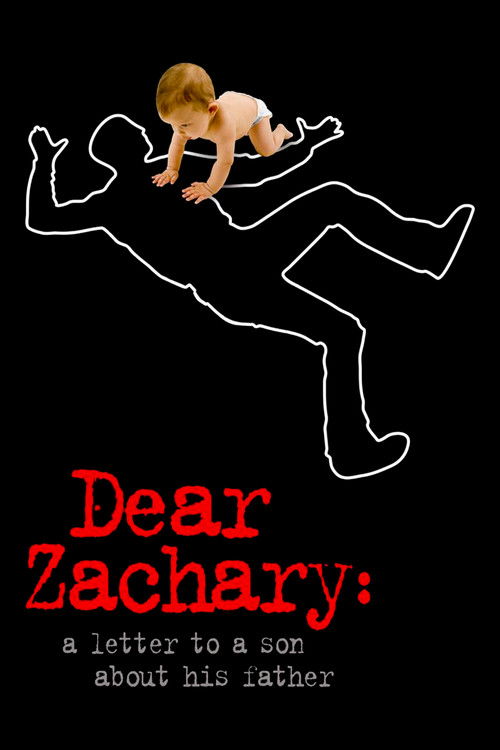
Dear Zachary: A Letter to a Son About His Father2008
A documentary that begins as a love letter and transforms into something darker. The emotional shift mirrors Leith's trajectory from absurdity to genuine threat.
But It ends with a real tragedy that some find manipulative. The filmmaker's grief can overshadow the story's complexity.
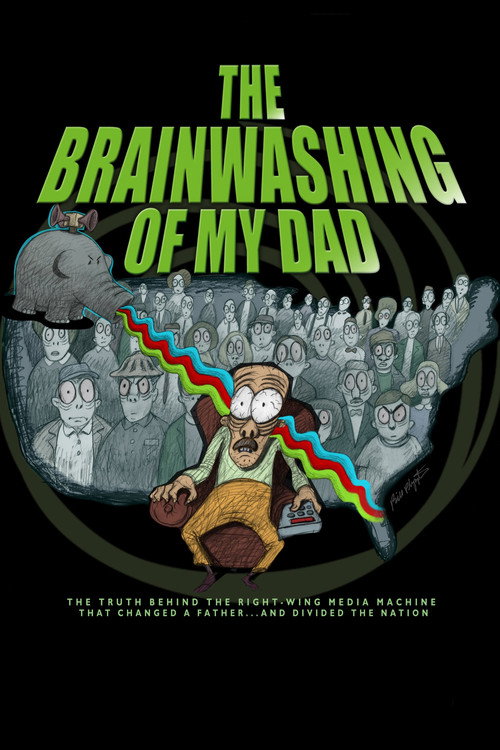
The Brainwashing of My Dad2015
A personal documentary about how Fox News radicalized a man's father. It's curious rather than angry, interested in the psychology of ideological capture.
But The tone wavers between comedy and tragedy, sometimes uncomfortably. The analysis of media's role stays fairly surface-level.
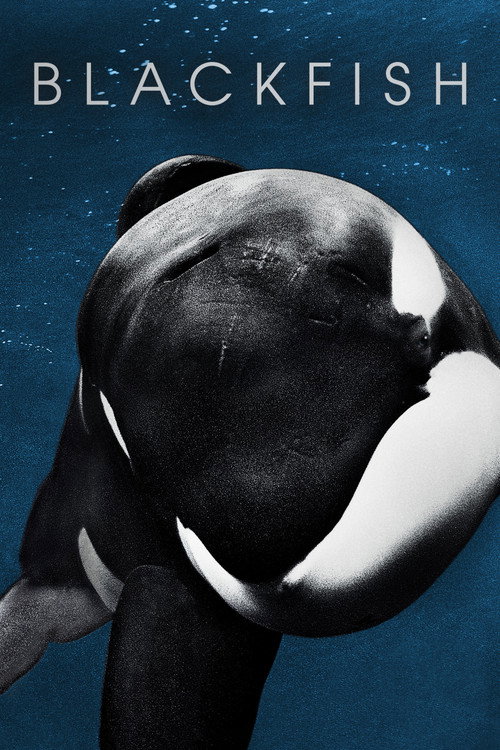
Blackfish2013
An investigation into SeaWorld that builds a case through accumulated evidence and testimony. Tight, propulsive, focused on one place and one question.
But It's advocacy journalism, not neutral documentation. If you're skeptical of its framing, it won't convince you.
Tickled2016
Starts as a quirky documentary about competitive tickling and becomes genuinely sinister. The slow reveal of something darker operating behind the scenes parallels Leith's unfolding threat.
But The tone is inconsistent—sometimes it's too flip for its subject matter. The resolution feels incomplete.

The Act of Killing2012
Follows men who committed genocide in Indonesia. By letting them speak, it creates a portrait of how ordinary people live with extraordinary violence.
But It's deeply disturbing and ethically complicated. Some viewers find the filmmaking approach exploitative or unclear in its moral stance.

Come and See1985
Both are about how communities are transformed by the presence of extremism, and what it costs ordinary people to resist or comply.
A Soviet war film that follows a boy as he discovers what violence actually means. Like Leith, it documents radicalization and its consequences—here political and military rather than ideological—with unflinching specificity.
But It's one of the most brutal films ever made. The violence is not stylized; it's meant to sicken you. Not for a casual evening.

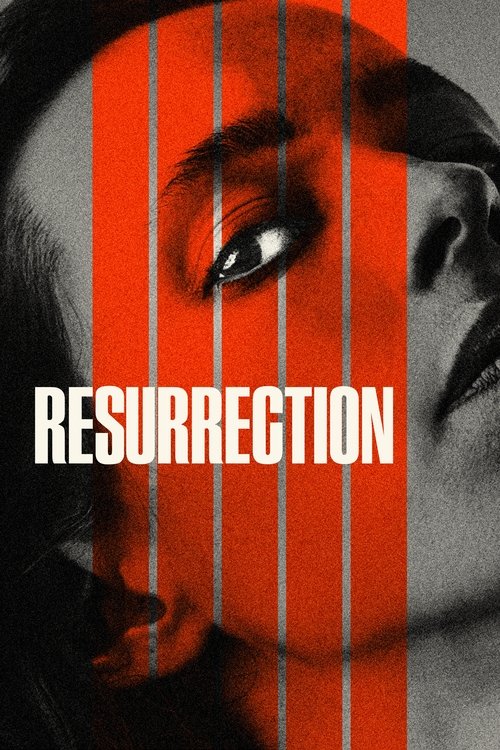
Resurrection2022
Both examine how threatening individuals exploit the politeness and inertia of communities. Both are about what happens when one person refuses to leave.
A fiction film about a woman encountering her abusive ex, and the psychological terror that unfolds. Like Leith, it's about ordinary spaces becoming dangerous, and how a community's silence enables predation.
But The horror is psychological and intimate rather than dramatic. Long stretches feel static. If you want plot momentum, you'll lose patience.
People
Cast
- Craig CobbHimself
Directing
- Christopher K. WalkerDirector
- Michael Beach NicholsDirector
Writing
- Christopher K. WalkerWriter
- Michael Beach NicholsWriter
Production
- Allen David DouberlyAssociate Producer
- Damien MazzaAssociate Producer
- Sarah McDowallAssociate Producer
- David NicholsCo-Producer
- Julia Willoughby NasonExecutive Producer
- Stefan NowickiExecutive Producer
- Christopher K. WalkerProducer
- Jenner FurstProducer
- Joey CareyProducer
- Joshua WoltermannProducer
- Michael Beach NicholsProducer