
Film
Resurrection
Other titles called Resurrection: the 1980 film, the 2014 series (ABC).
- Drama
- Very dark
Resurrection is a psychological horror film about a woman whose past brutally resurfaces, unraveling her composure and forcing confrontation with trauma she's spent two decades burying. Director Andrew Semans crafts something genuinely unsettling—part slow-burn dread, part body horror—that works as both intimate character study and creeping nightmare. It's for viewers who want their horror to feel psychologically earned rather than jump-scared.
Should you watch it?
Watch it if you prefer psychological dread that builds through a tense, claustrophobic standoff between two people, where the unease comes from what goes unsaid rather than from jump scares.
Skip it if the pace is deliberate and the ambiguity is deliberate too, so if you need every question resolved neatly, the withheld answers may wear you down.
What it asks of you: A lean 104 minutes spent in a few rooms, with long silences and slow dread, so it rewards full attention rather than a second screen.
Not sure? Find tonight's pick in a minute.
If you liked this
Hereditary2018
Ari Aster's masterpiece of family trauma and supernatural dread. Like Resurrection, it burrows into grief and guilt with meticulous precision, building horror from emotional damage rather than demons. Absolutely devastating.
But Extremely bleak and violent. The final act divides viewers sharply—some find it transcendent, others feel manipulated. Demands multiple viewings to unlock.
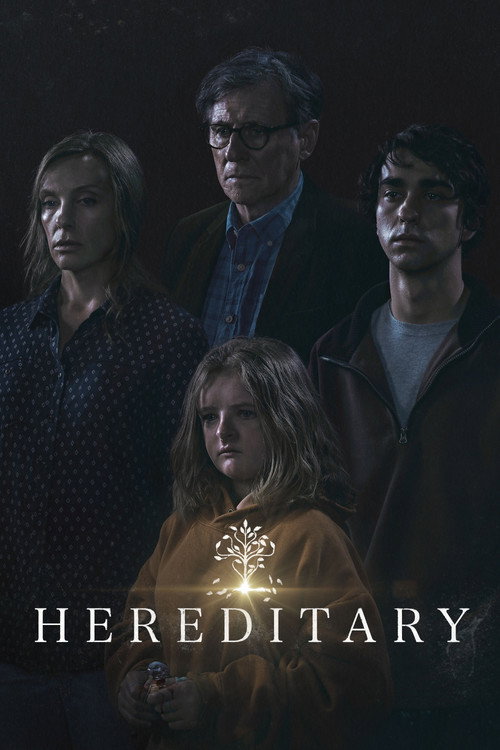
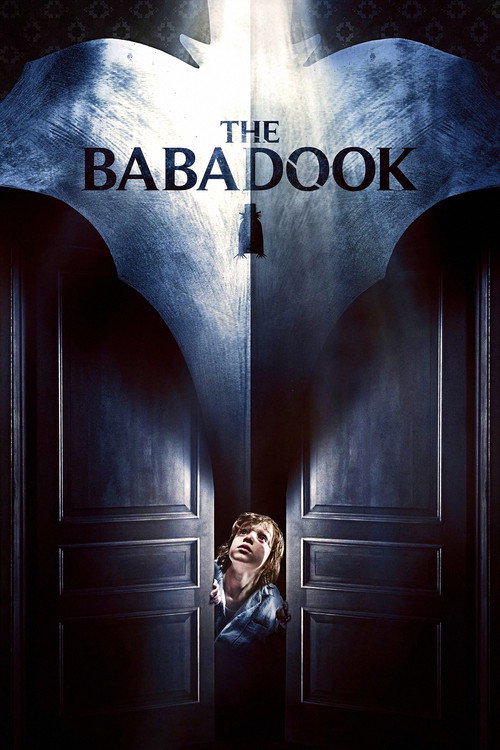
The Babadook2014
Jennifer Kent's Australian horror about a widow and her son haunted by a presence that may or may not be real. Like Resurrection, the monster is inseparable from maternal trauma and grief. Brilliantly ambiguous and architecturally tight.
But The child actor's performance is deliberately grating. The metaphor is so heavy-handed some viewers find it reductive. Slower than you'd expect.
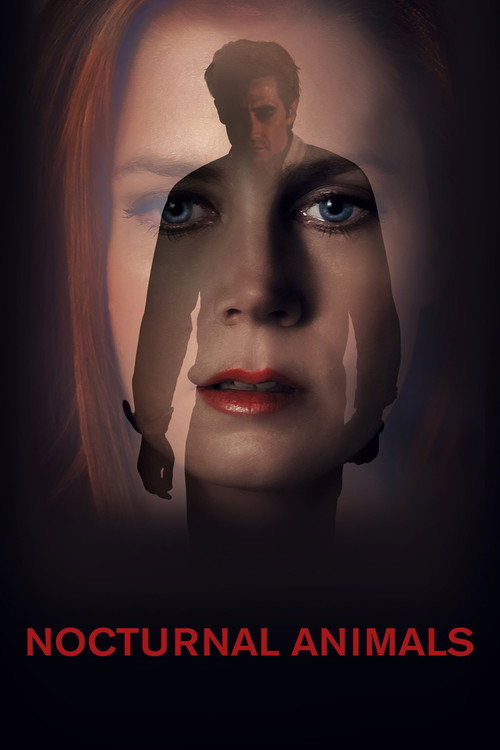
Nocturnal Animals2016
Tom Ford's revenge thriller built on nested trauma and psychological unraveling. Rebecca Hall's own unsettling presence in sophisticated company, moral rot lurking beneath the surface. Formally audacious and deeply uncomfortable.
But The nested narratives can feel pretentious. Sexual violence is presented unflinchingly. The ending may feel hollow rather than cathartic.
Not sure tonight? Get a pick in a minute, starting from Resurrection
The wildcard
Something you would not have found on your own.
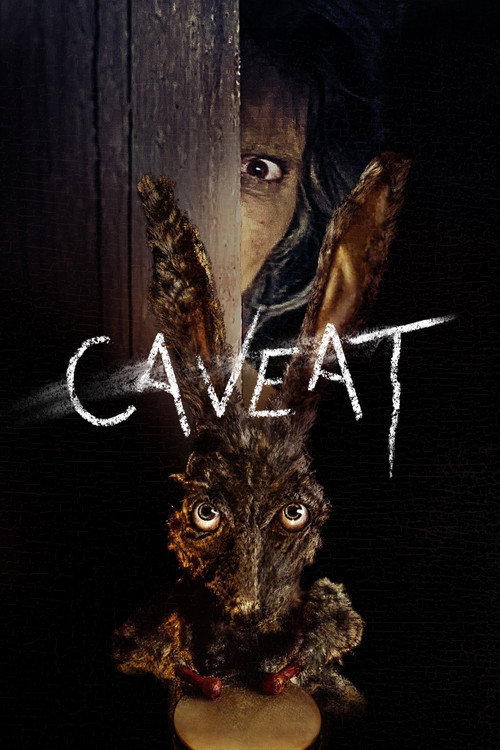
Caveat2021
Both films reject modern horror's reliance on spectacle and gore, instead finding terror in what's left unseen and in the texture of human presence. Body horror rendered as metaphor rather than effect.
An Irish folk-horror film shot in crisp black-and-white. Feels like a warped folk tale told in a dying cinema. Uses restraint and formal invention instead of gore. Deeply strange and genuinely haunting in ways contemporary horror rarely attempts.
But Extremely obscure and hard to access. The plot is deliberately cryptic. The aesthetic—high contrast, sparse sound design—demands active attention rather than passive consumption.
More like this (7)
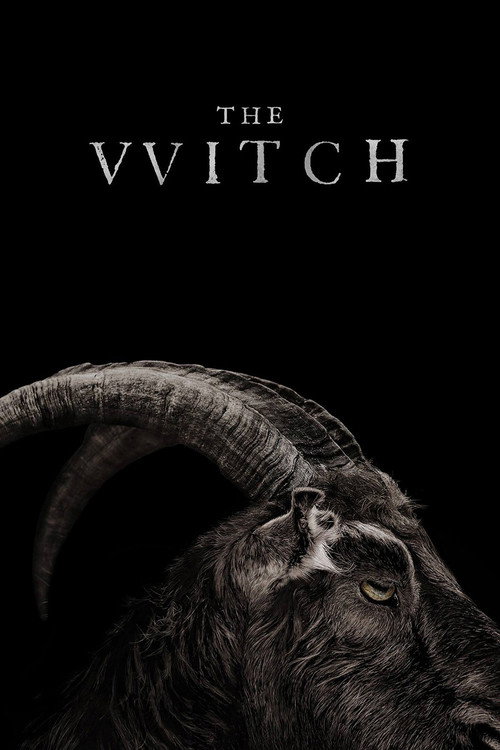
The Witch2016
Robert Eggers' Puritan nightmare about family paranoia and supernatural horror colliding with historical cruelty. That same sense of mounting dread and inescapable darkness. Visually stunning and genuinely frightening.
But The dialogue is deliberately archaic and difficult to parse. Glacially paced. The horror is existential rather than plot-driven, which frustrates some viewers.
Under the Skin2014
Jonathan Glazel's sci-fi horror about an alien predator in human form moving through Scottish landscapes. Like Resurrection, it uses bodies as sites of unsettling wrongness. Hypnotic, troubling, genuinely alien in its sensibility.
But Aggressively slow and abstract. Long stretches with minimal dialogue. The 'plot' is minimal—you're asked to sit with pure mood and dread.

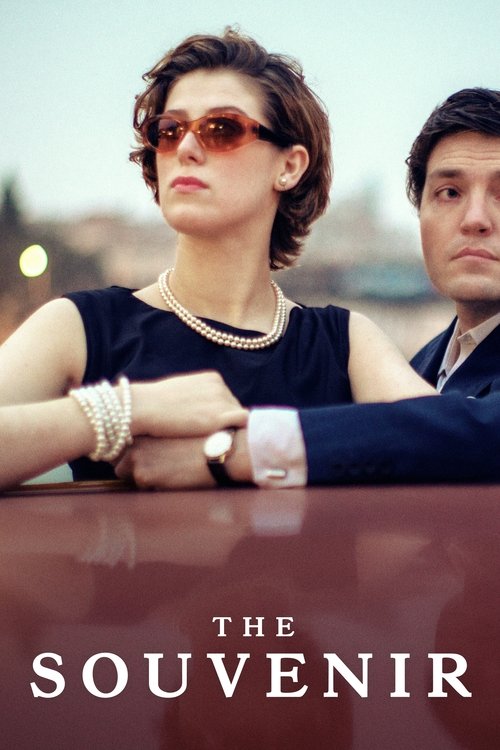
The Souvenir2019
Honor Swinton Byrne in Joanna Hogg's semi-autobiographical memory film about a young woman entangled with a manipulative older man. That same suffocating sense of being trapped by someone else's will. Achingly human.
But Deliberately artificial—Hogg's style emphasizes surfaces over clarity. The abuse is psychological and quiet, which some find less dramatically satisfying. Fragmented chronology.
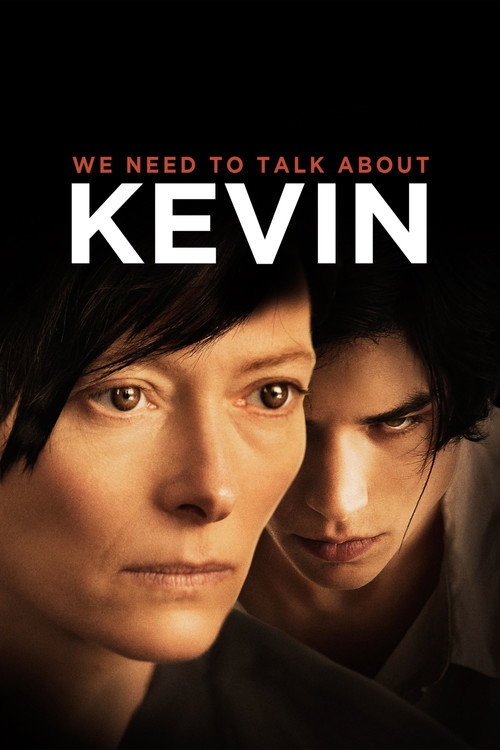
We Need to Talk About Kevin2011
Lynne Ramsay's devastating portrait of maternal guilt and the impossibility of knowing your child. Tilda Swinton's icy composure hiding absolute fracture. Brutal, uncompromising exploration of complicity and shame.
But Extremely dark subject matter involving children. The editing is deliberately disorienting and can feel gimmicky. Many viewers find it emotionally exhausting rather than cathartic.
The Killing of a Sacred Deer2017
Yorgos Lanthimos' Grecian tragedy about a surgeon haunted by a mysterious boy. Cold, geometric compositions filled with creeping supernatural dread. That same sense of escalating psychological terror and moral bankruptcy.
But The dialogue is stilted and artificial. The logic of the curse is deliberately opaque. Extremely violent. The detached tone alienates as many viewers as it transfixes.

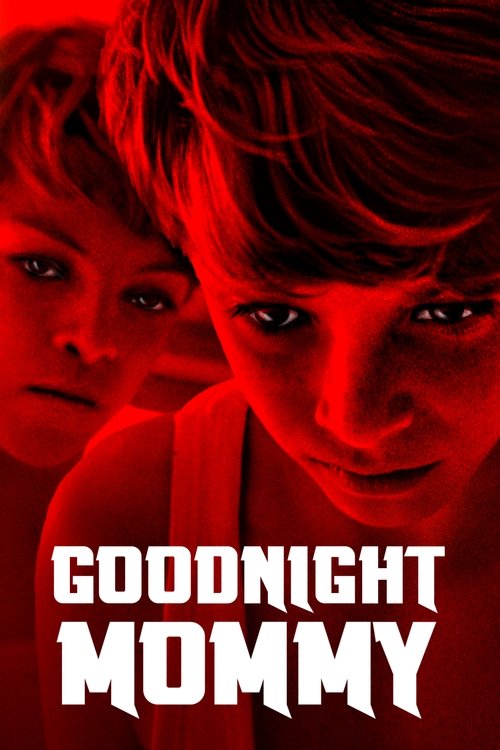
Goodnight Mommy2015
Austrian body horror that plays on maternal uncanniness and childhood terror. Visceral, disturbing, formally inventive. If Resurrection's uncomfortable physicality appeals to you, this takes it further.
But Deliberately cruel to the audience. The twist divides viewers—some find it brilliant, others feel cheated. Contains graphic violence and child endangerment that pushes boundaries.
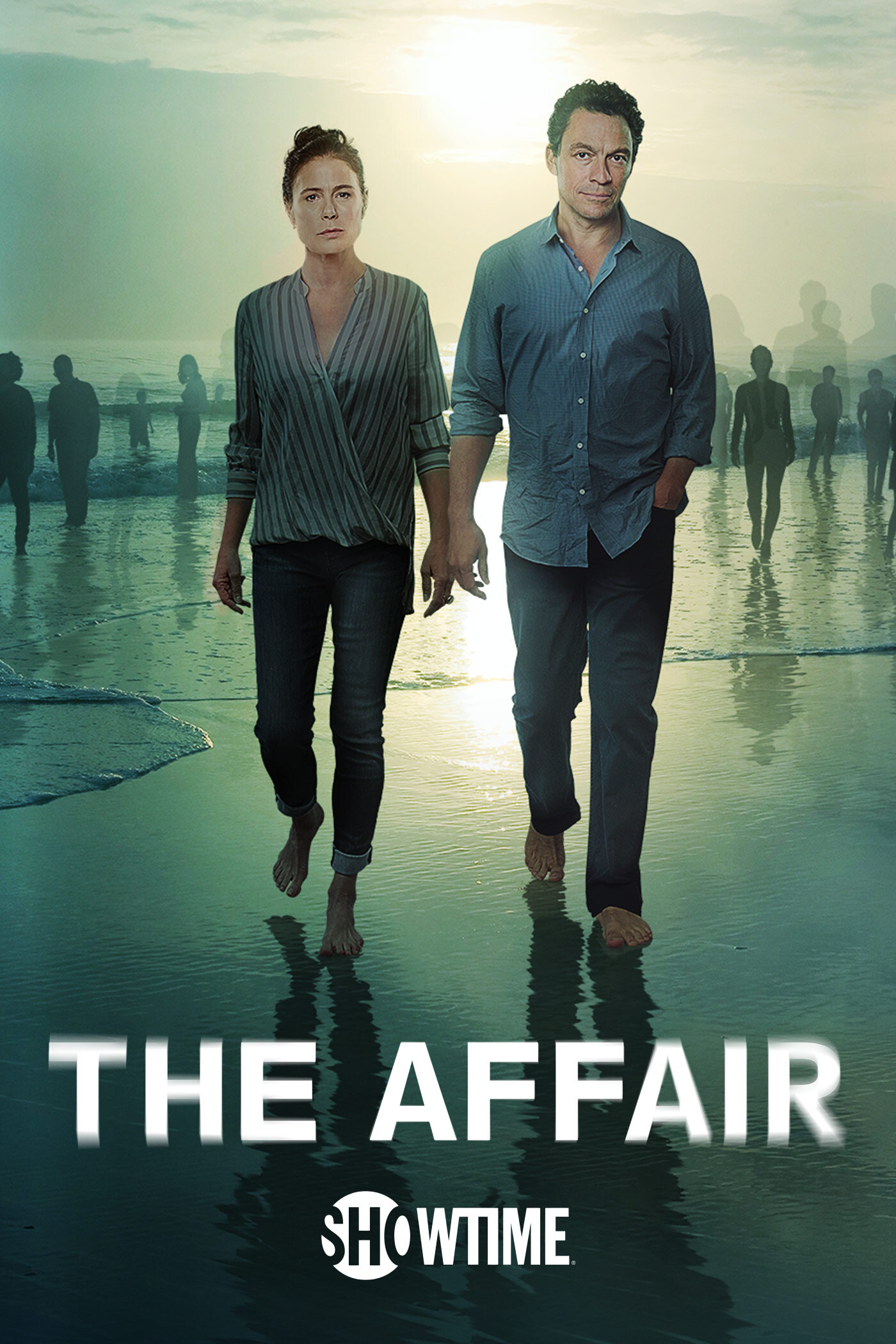
The Affair2014
Both explore how we construct narratives about ourselves to survive shame. The returning presence in Resurrection mirrors The Affair's structure: the past won't stay buried, and your version of it isn't the only truth.
Showtime's five-season masterpiece about infidelity, trauma, and how unreliable memory fractures relationships. Each episode retells the same events from a different perspective. Like Resurrection, it understands that the past isn't fixed—it's something we're constantly remaking.
But A grueling watch across five seasons. The early seasons are stronger than later ones. Watching infidelity and self-deception unfold week after week is intentionally dispiriting, not cathartic.
People
Cast
 Rebecca HallMargaret
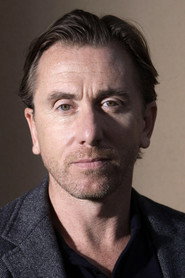 Tim RothDavid
 Grace KaufmanAbbie
 Michael EsperPeter

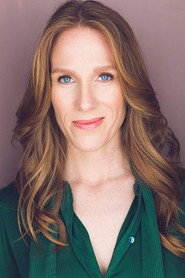 Winsome BrownTess
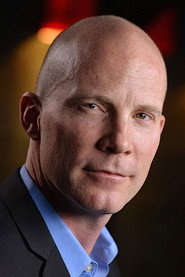 Josh DrennenOfficer Geary
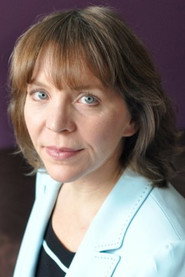 Rosemary HowardDesk Clerk
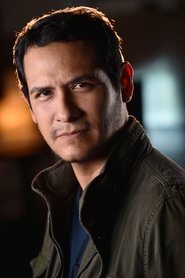 Jaime ZevallosDriver
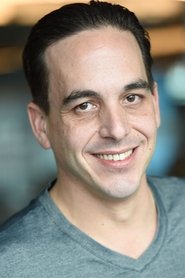 Patrick KleinBiomatix Executive
- Bradley LewisBioMatix Employee
- Rocco PalmieriEmployee #9
Directing
- John Wayne MarshallAdditional Second Assistant Director
- Andrew SemansDirector
- Eric LaFranchiFirst Assistant Director
- Kyle WrightFirst Assistant Director
- Michael KefeyalewScript Supervisor
- Molly BernitzSecond Assistant Director
- Eric LaFranchiSecond Unit First Assistant Director
- Kyle WrightSecond Unit First Assistant Director
Writing
- Andrew SemansWriter
Production
- Christina BowmanArt Department Production Assistant
- Elizabeth BendelacAssistant Location Manager
- Isaac EricsonAssociate Producer
- Julianna AustinCasting Assistant
- Jessica KellyCasting Director
- Ana LeochaCo-Producer
- Ben ShaferCo-Producer
- Christine D'SouzaExecutive Producer
- Lucas JoaquinExecutive Producer
- Max SilvaExecutive Producer
- Michael M. McGuireExecutive Producer
- Rebecca HallExecutive Producer
- Tyler CampelloneExecutive Producer
- Johanna TacadenaExtras Casting
- Cricket WithallExtras Casting Assistant
- Layne ZagorskiExtras Casting Assistant
- Stephen HenelExtras Casting Assistant
- Neal AndrusFirst Assistant Accountant
- Justin SchwebelLocation Coordinator
- Jonathan YiLocation Manager
- Alex ScharfmanProducer
- Drew P. HouptProducer
- Lars KnudsenProducer
- Lia BumanProducer
- Tim HeadingtonProducer
- Tory LenoskyProducer
- Dash PorterProduction Assistant
- Sam KannProduction Secretary