
Film
Caveat
Caveat is a folk-horror fever dream shot in saturated colour on 16mm film. A drifter with a fractured memory takes a job minding a disturbed woman in a decaying island mansion, where the architecture itself seems alive and hostile. It's hypnotic and deeply unsettling—less concerned with scares than with dread and wrongness.
Should you watch it?
Watch it if you like slow-burn chamber horror where a handful of people in one damp, echoing house keep you guessing about what is real, and you enjoy assembling the picture yourself.
Skip it if you need clear answers by the final act or find a dreamlike, unexplained mood frustrating; its pace is deliberately stalled, so restless viewers will tire of it.
What it asks of you: Expect an unhurried sitting of under ninety minutes, with long quiet stretches where the dread builds through small details rather than jump cuts; your attention does the heavy lifting.
Not sure? Find tonight's pick in a minute.
If you liked this
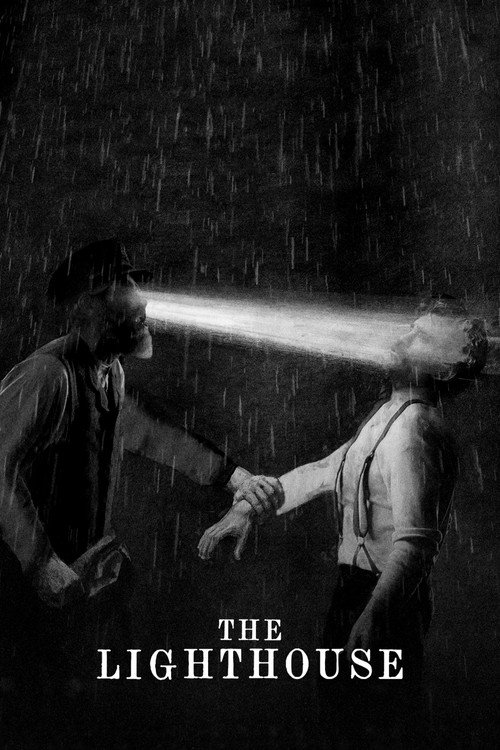
The Lighthouse2019
Two men deteriorate in isolation on a lighthouse, battered by obsession and madness. Claustrophobic, visually extraordinary, and possessed by the same sense of reality unravelling that makes Caveat so potent.
But Black-and-white, arthouse pacing, and deliberately cryptic. If you want plot answers, you'll leave frustrated.
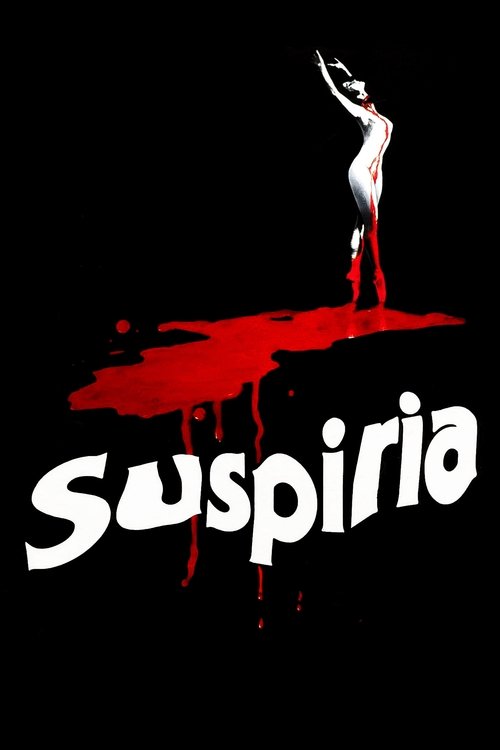
Suspiria1977
Dario Argento's masterpiece uses vivid colour, symmetrical framing, and architecture as a character to create pure dread. The visual language is hypnotic and deeply wrong in exactly Caveat's register.
But The plot is secondary to atmosphere. Giallo conventions mean it's pulpy and doesn't entirely make sense, by design.
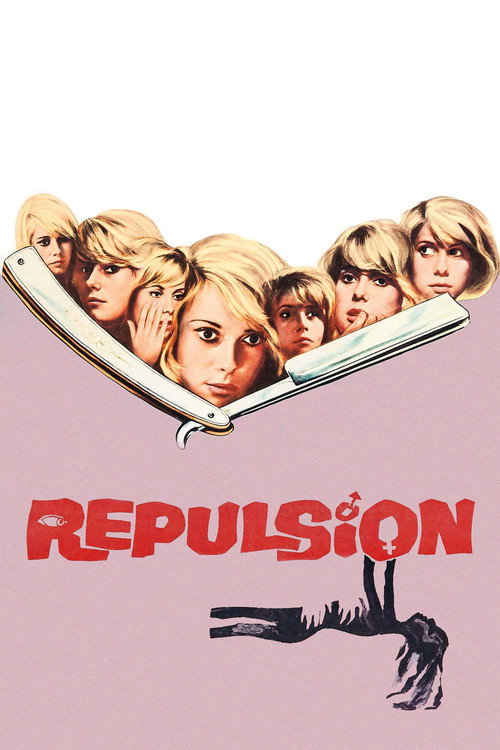
Repulsion1965
A woman's psychological breakdown transforms her apartment into a nightmare maze. Roman Polanski shoots intimate spaces as hostile and unknowable, trapping you in subjective terror that has nothing to do with jump scares.
But Slow-building and utterly committed to representing mental illness as visual horror. Not everybody's idea of entertainment.
Not sure tonight? Get a pick in a minute, starting from Caveat
The wildcard
Something you would not have found on your own.
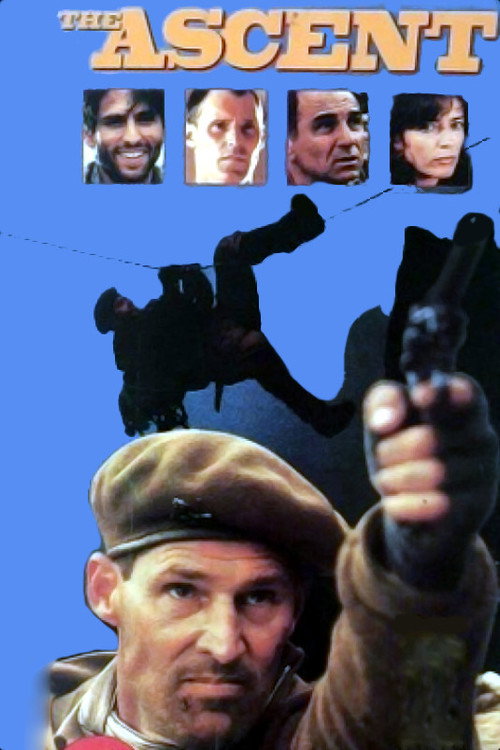
The Ascent1994
Both films use repetitive, stylised imagery and folk-tale logic to create dread and transcendence rather than narrative momentum. Both trust silence and wrongness over exposition.
A hand-drawn animated film about two monks climbing a mountain toward enlightenment, beset by trials and temptations. It shares Caveat's use of stark, hypnotic visuals and its willingness to let atmosphere dominate plot.
But Animated, philosophically abstract, and Japanese. Very far from naturalistic horror, which may feel like a betrayal if you wanted more of the same.
More like this (8)
The Wailing2016
A South Korean mystery-horror that uses landscape, ambiguity, and folk-tale logic to build dread. Like Caveat, it trusts the audience to sit with uncertainty and wrongness rather than explaining itself.
But Two-and-a-half hours, deliberate pacing, and it doesn't resolve neatly. Demands patience and active attention.

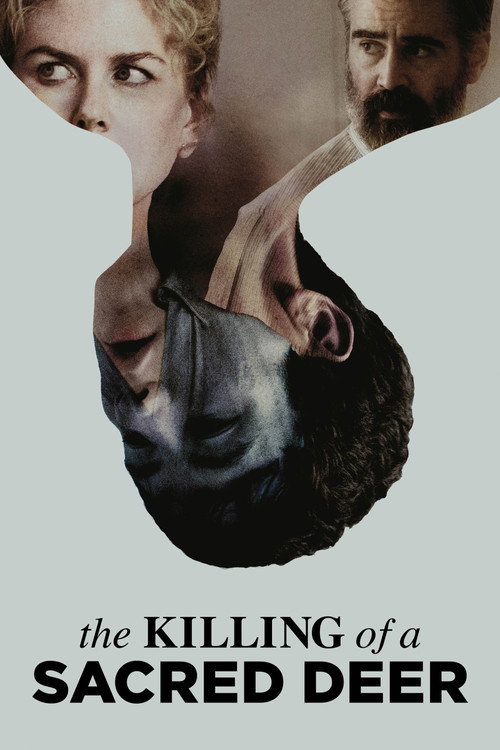
The Killing of a Sacred Deer2017
Yorgos Lanthimos builds grotesque tension through perfectly composed frames and dialogue that refuses naturalism. The uncanny formality creates the same vertigo as Caveat's warped geometry.
But Airless and strange in ways that can feel more mannered than moving. Some find it cold rather than compelling.
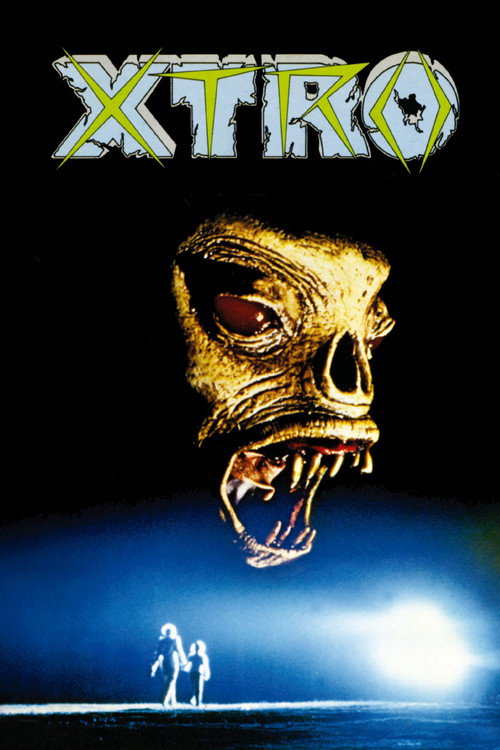
Xtro1982
A cult British science-horror film that prioritises weirdness and visual invention over coherence. It has Caveat's willingness to be inexplicable and its commitment to colour and texture over conventional scares.
But Genuinely trashy and incoherent. If you need narrative logic, this will infuriate you.
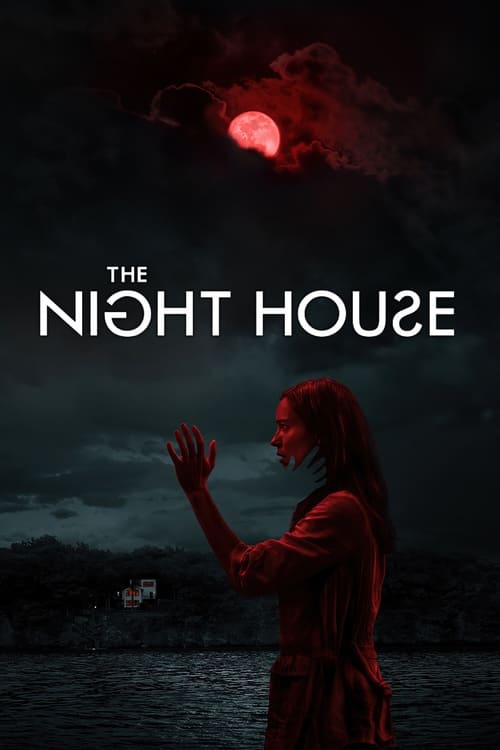
The Night House2021
A widow explores the eerie house her husband left behind, discovering it contains architectural secrets and psychological horrors. Manages both intimate character work and a genuinely unsettling space.
But Relies more on craft than on explicit horror. If you want visceral scares, you'll feel the restraint.
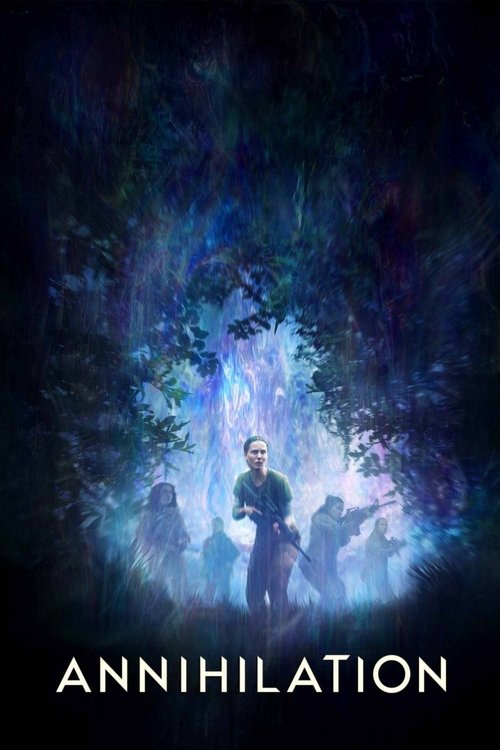
Annihilation2018
Alex Garland's science-horror uses colour, refraction, and distortion to make the familiar grotesque. The visual approach to wrongness parallels Caveat's aesthetic commitment.
But The third act shifts tone dramatically. Some feel it becomes a different film; others find that tonal shift unsatisfying.
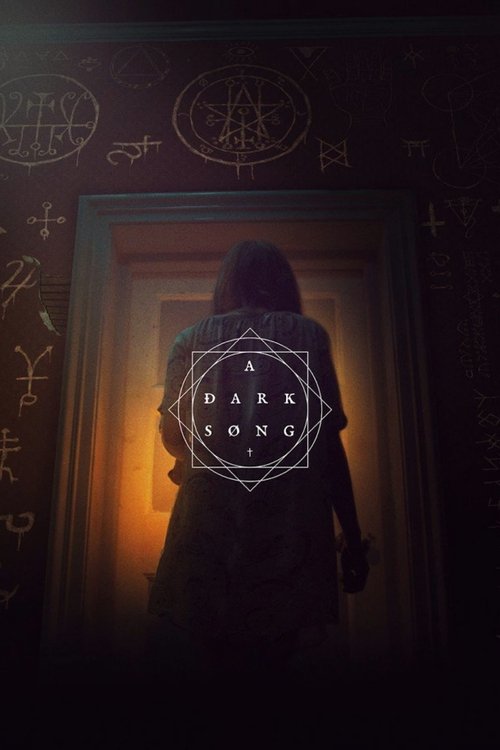
A Dark Song2016
A woman hires an occultist to perform a ritual in an isolated house. It's spare, intimate, and genuinely strange—more interested in presence and dread than plot mechanics.
But Essentially one room and two people for ninety minutes. If claustrophobia feels suffocating rather than atmospheric to you, this will exhaust you.
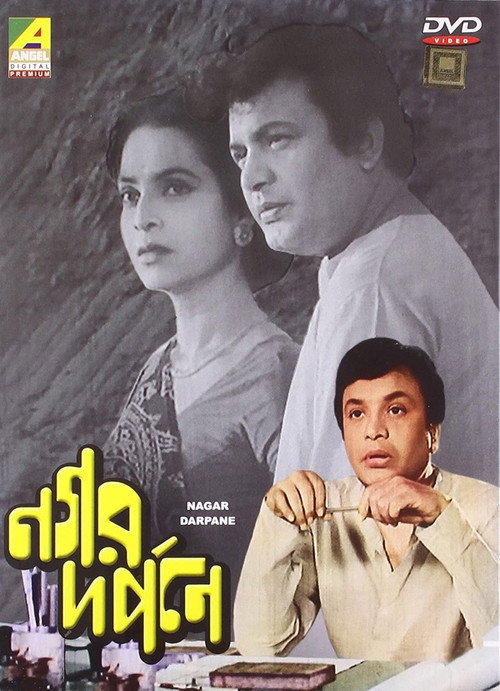
In the Mirror of the City1975
Both films are fundamentally about fractured memory and the dissolution of stable reality. Both use colour, space, and silence as primary storytelling tools rather than decoration.
Andrei Tarkovsky's masterpiece splices documentary footage, family photographs, dreams, and narrative fragments into a meditation on memory, loss, and time. Hypnotic and structurally radical; it moves like Caveat thinks.
But Deliberately non-narrative, in Russian with subtitles, and 105 minutes of meditative cinema. This requires patience bordering on surrender.
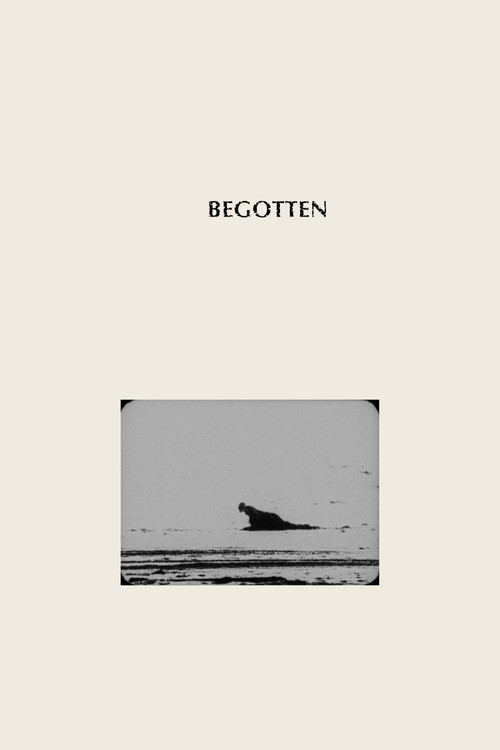
Begotten1991
Both use degraded, handmade visual language and folk or myth-derived logic. Both ask you to sit with images that should not cohere into a comprehensible whole, and trust the filmmaker's vision enough to stay.
E. Elias Merhige's brutal visual essay shows the death of God and the birth of the world in high-contrast black-and-white images of obscene, dreamlike beauty. It's Caveat's closest cousin in commitment to the grotesque and inexplicable.
But Genuinely difficult to watch: graphic body horror, no dialogue, no narrative thread whatsoever. This is visual transgression, not entertainment, and it's thirty minutes of total alienation.
People
Cast
 Jonathan FrenchIsaac
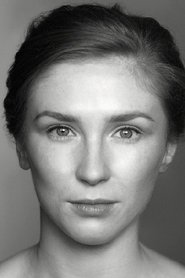 Leila SykesOlga
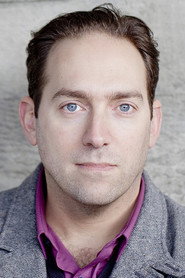 Ben CaplanMoe Barrett
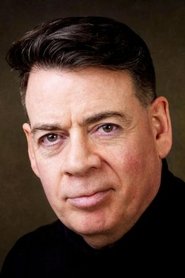 Conor DwaneOlga's Dad
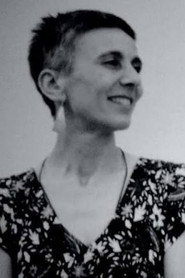 Inma PavonOlga's Mother
- Siobhan Burton(voice)
- Sam WhiteMike
Directing
- Damian McCarthyDirector
- Justin HyneFirst Assistant Director
Writing
- Damian McCarthyWriter
Production
- Mirella ReznicExecutive Producer
- Tom BlackExecutive Producer
- Justin HyneProducer
Recommended by
Scared of the Dark, The Void, V/H/S, Unabomber - In His Own Words, Hell House LLC, Hitler's Children, Killing Ground, Hager, Lights Out, The Experiment, The Motive, Sator, Hellevator: The Bottled Fools, A Boy's Life, The Punk Syndrome, Shadow Dancer, The Wolf of Snow Hollow, D@bbe 4: The Possession, Ghoul, The Basement and the Kitchen, Asylum Blackout, Bodyguard Kiba 2, Torment, Sweet Home, The King of the Hill, The Bunker, Resurrection, Island of the Fishmen, Snap Judgment, The Guard Post, The Empty Man, The Borderlands, Hokum, Honeydew, Nightmare Detective, [REC]², Aatma, The Juniper Tree, Stranded, The Stendhal Syndrome